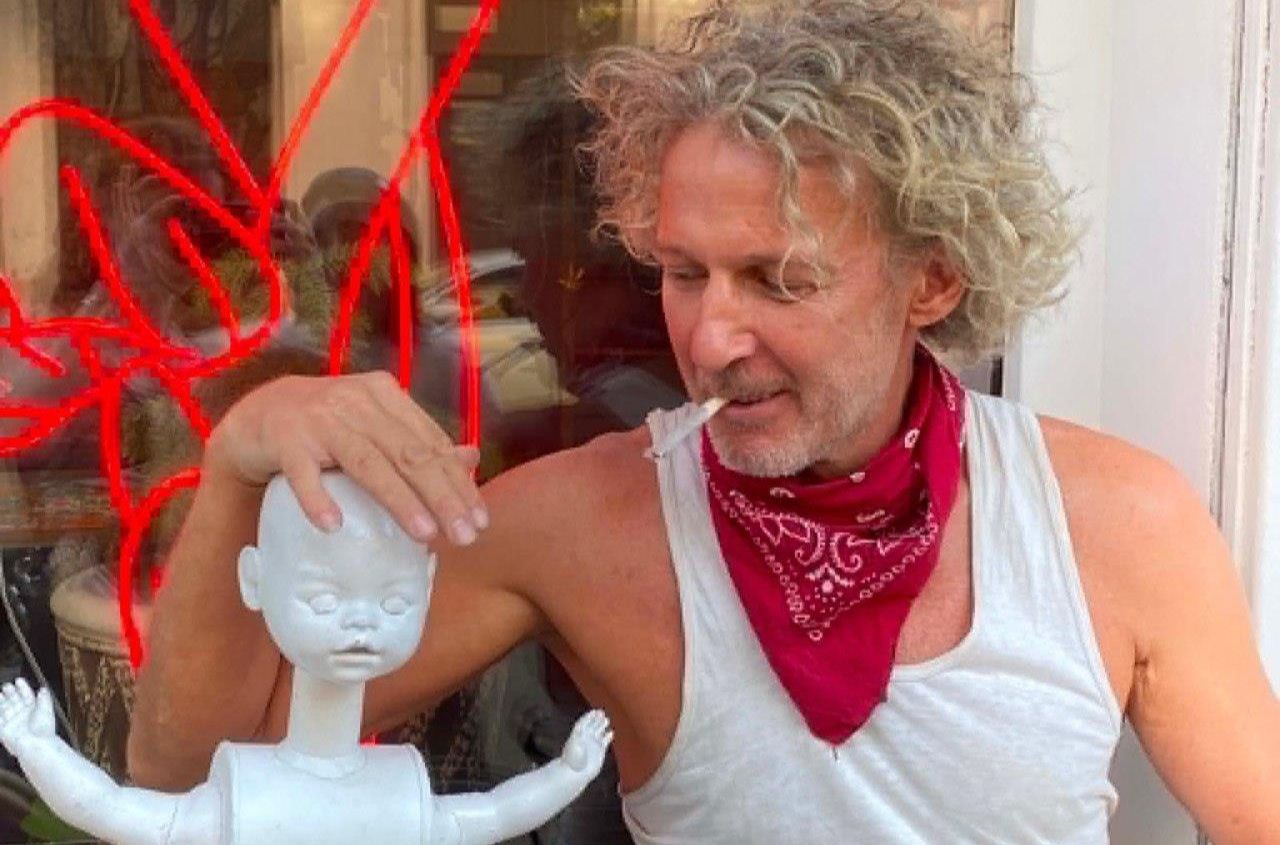


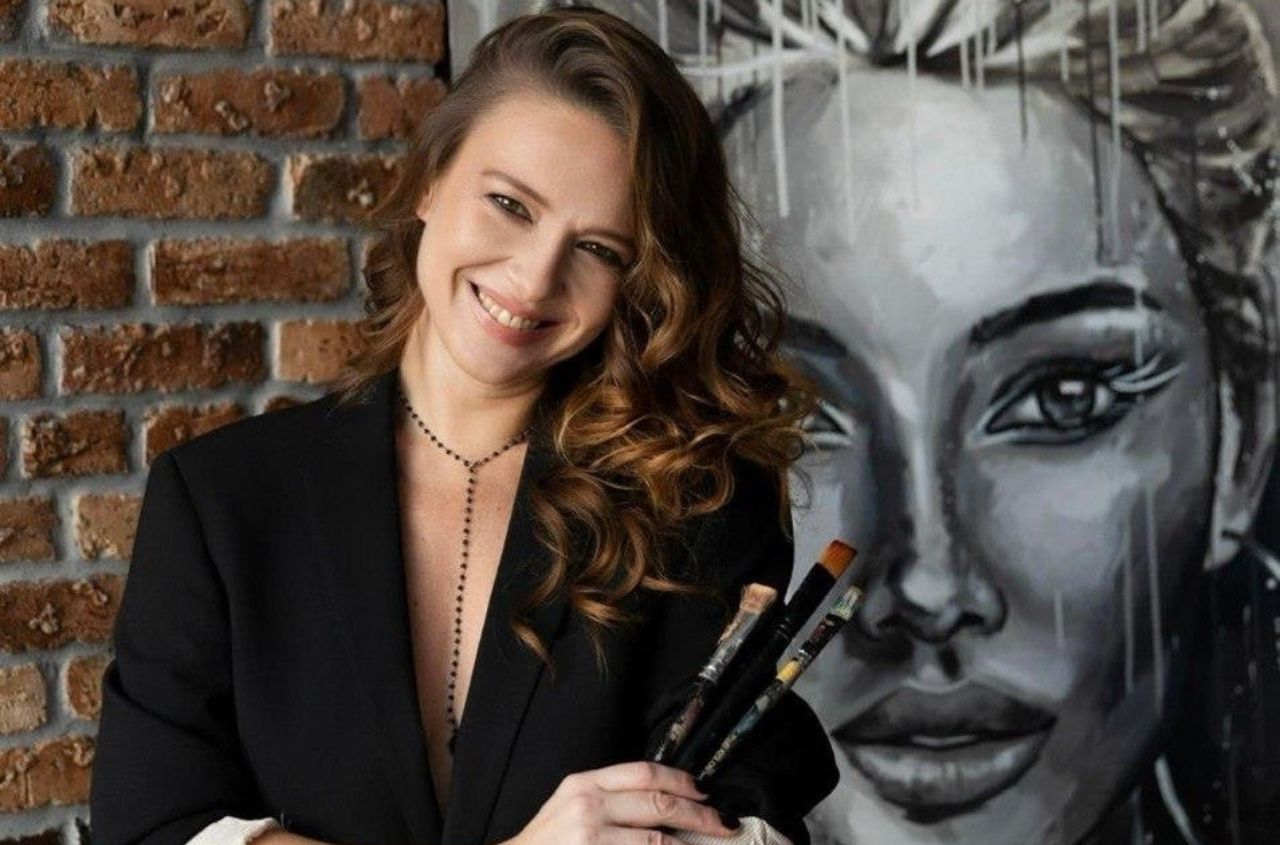

Main image: Anna Briukhovetska
The sixty-first interview through images by Andrew Sheptunov
They say when life gives you lemons, you make lemonade. When life decided to strip artist and ceramicist Anna Briukhovetska of her native Donetsk back in 2014, she didn’t indulge in sour sentiments. Instead, she packed her bags and headed straight for Odessa—a city where drama simply doesn't survive without a healthy dose of raw vitality. Since then, the southern coast has grown noticeably brighter, and the familiar Black Sea horizon gained a formidable artistic force.
While some artists spend years meditating over conceptual greyness, pleading with the audience to suffer right along with them, Anna took a fundamentally different route: confronting entropy with deafening color. Her oil and acrylic canvases flatly refuse to serve as modest wallpaper for the living room. These decorative female portraits possess such a degree of chromatic audacity and expressive brushwork that they seem capable of lighting up a room during rolling blackouts without needing a generator.
The heroines on her canvases are women of unmistakable character—the kind you definitely don’t want to mess with in a queue. They don’t strike languid poses fishing for compliments; they declare outright: "Veni, vidi, vici." In their gazes and postures, intricate ornamentality somehow lives in harmony with primal stubbornness. Beneath the overt decorativeness, there is always a raw nerve, an uneasy swell, or defiant insomnia turned by sheer willpower into an outright triumph.
Yet canvases alone weren’t enough to tame the elements, and in 2024 Anna decided to literally get her hands dirty by opening her own studio. Ceramics became the perfect antidote to digital madness: when stability crumbles, nothing is more therapeutic than methodically working white or black clay with your hands and consigning it to the kiln. Ancient milk-firing techniques entered the mix alongside meditative forms, turning natural motifs and ancestral memory into tangible, warm sculptural objects.
The resulting cocktail proved irresistible to international competition juries and collectors across nineteen countries alike. Briukhovetska’s works have comfortably settled into galleries in Spain, the United Kingdom, and the Netherlands, while the artist herself stubbornly continues to create in a country at war. While missiles attempt to drag us backward into the dark ages, Anna, fueled by pure Donetsk grit and Odessan zest for life, unfurls her "No Limits" manifesto across her easels.
Ultimately, art always runs the risk of sliding into either dreary pretension or sterile decorativeness. Anna balances on that tightrope with effortless ease, fusing the painterly storm with the tactile serenity of ceramic mass into an unmistakable signature style. This work doesn’t pander to everyone—it simply grabs the viewer by the lapels and demands an honest, eye-to-eye look.
We decided to spare the artist routine questions about "future plans" and sources of inspiration; let the works speak for themselves. Before you are twelve visual statements by Anna Briukhovetska, where tangible canvases and fired clay replace lengthy explanations.
1. Which of your works best captures the sense of finding a new foothold after being forcibly uprooted from home?
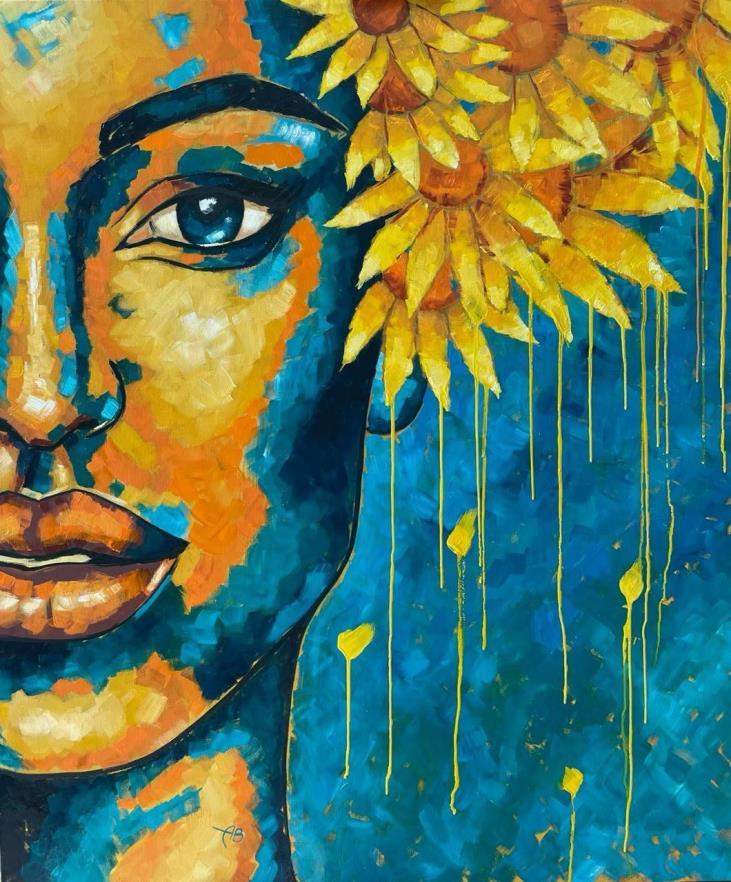
2. Show us a work where color behaves with supreme defiance, overpowering form.
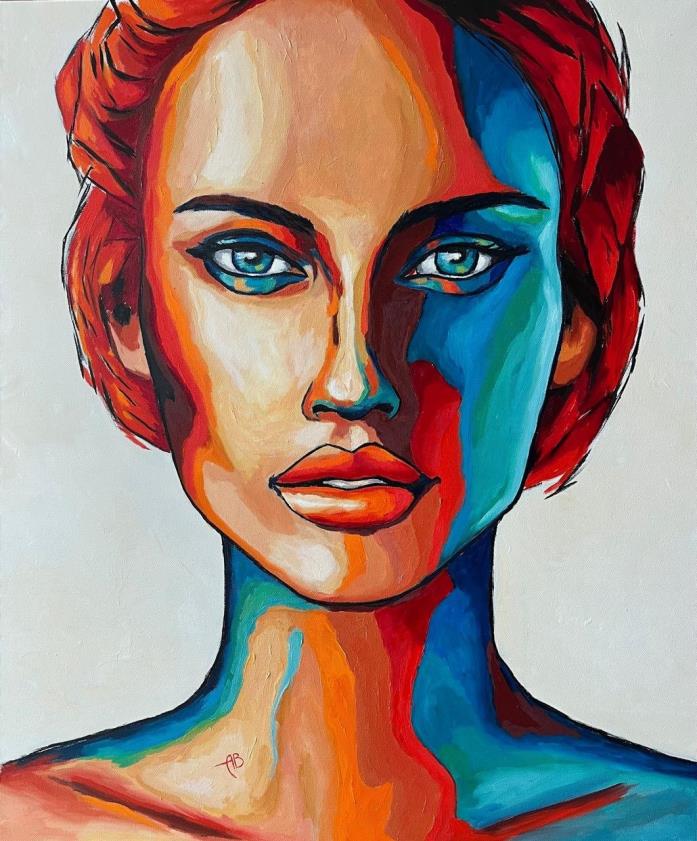
3. Show an object or canvas where the internal dialogue between two distinct mediums—clay and canvas—comes alive.
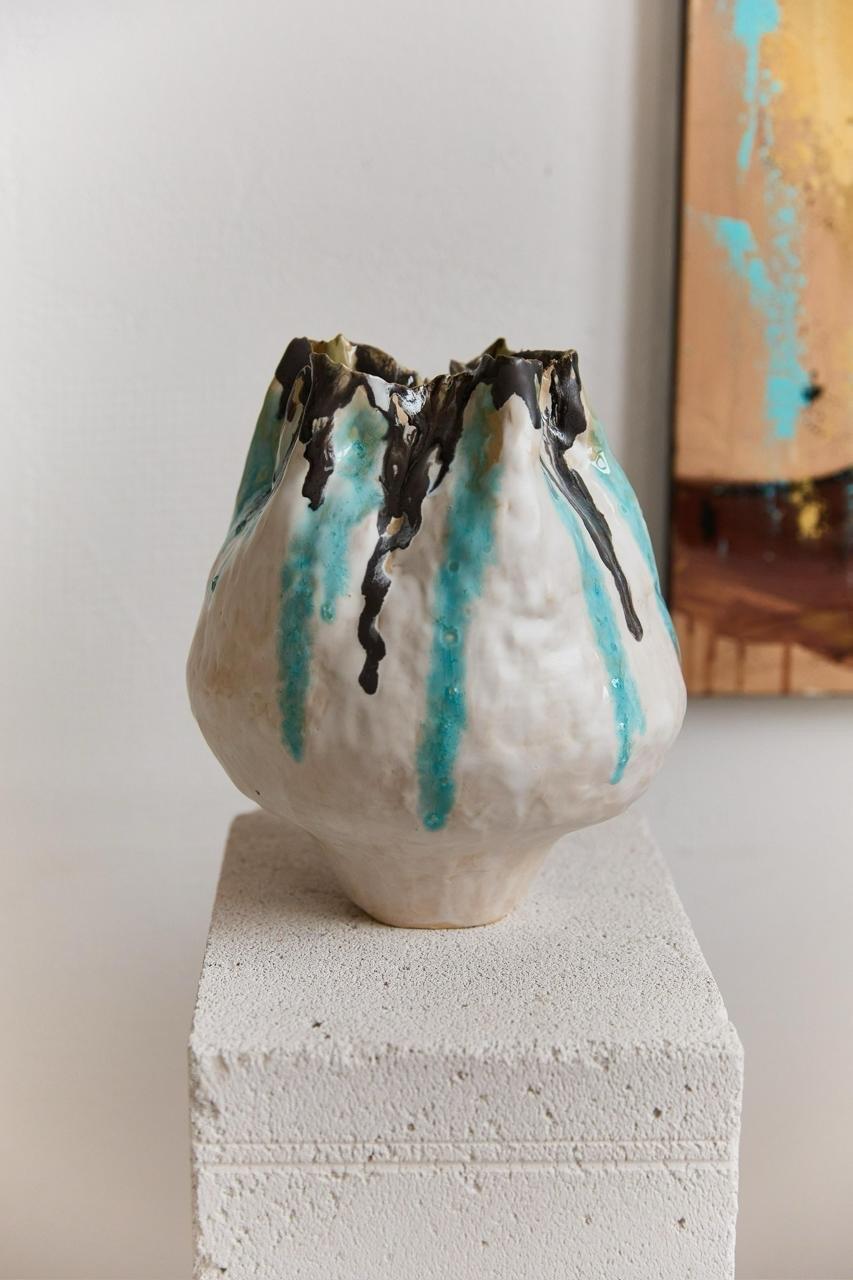
4. Which of the women you created possesses the most complex, unyielding character?
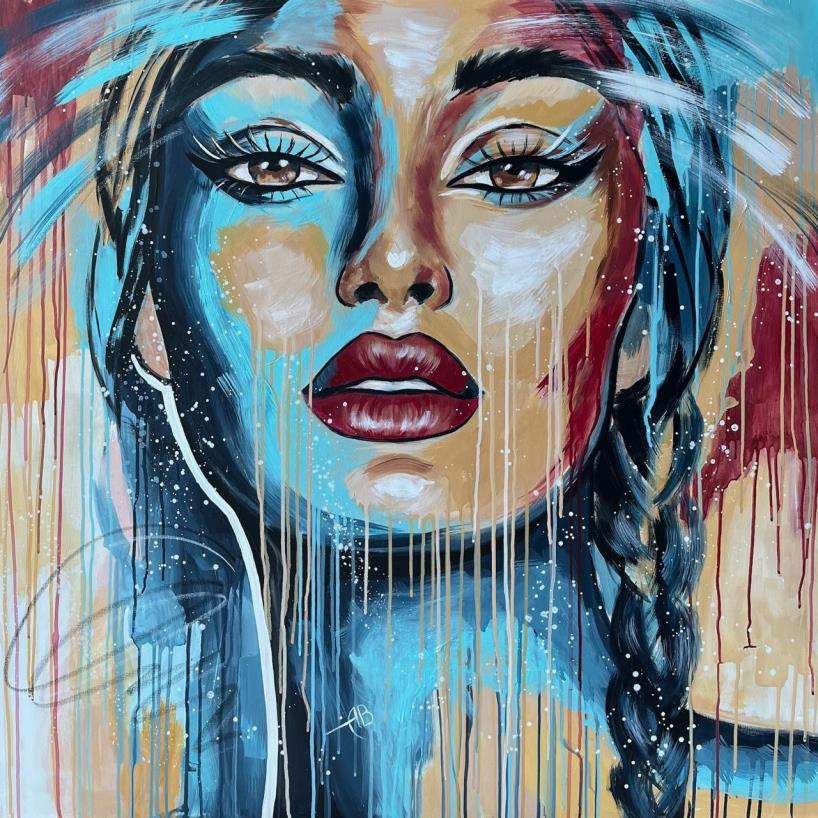
5. Show us a work that most clearly breathes with ancestral memory and cultural roots.
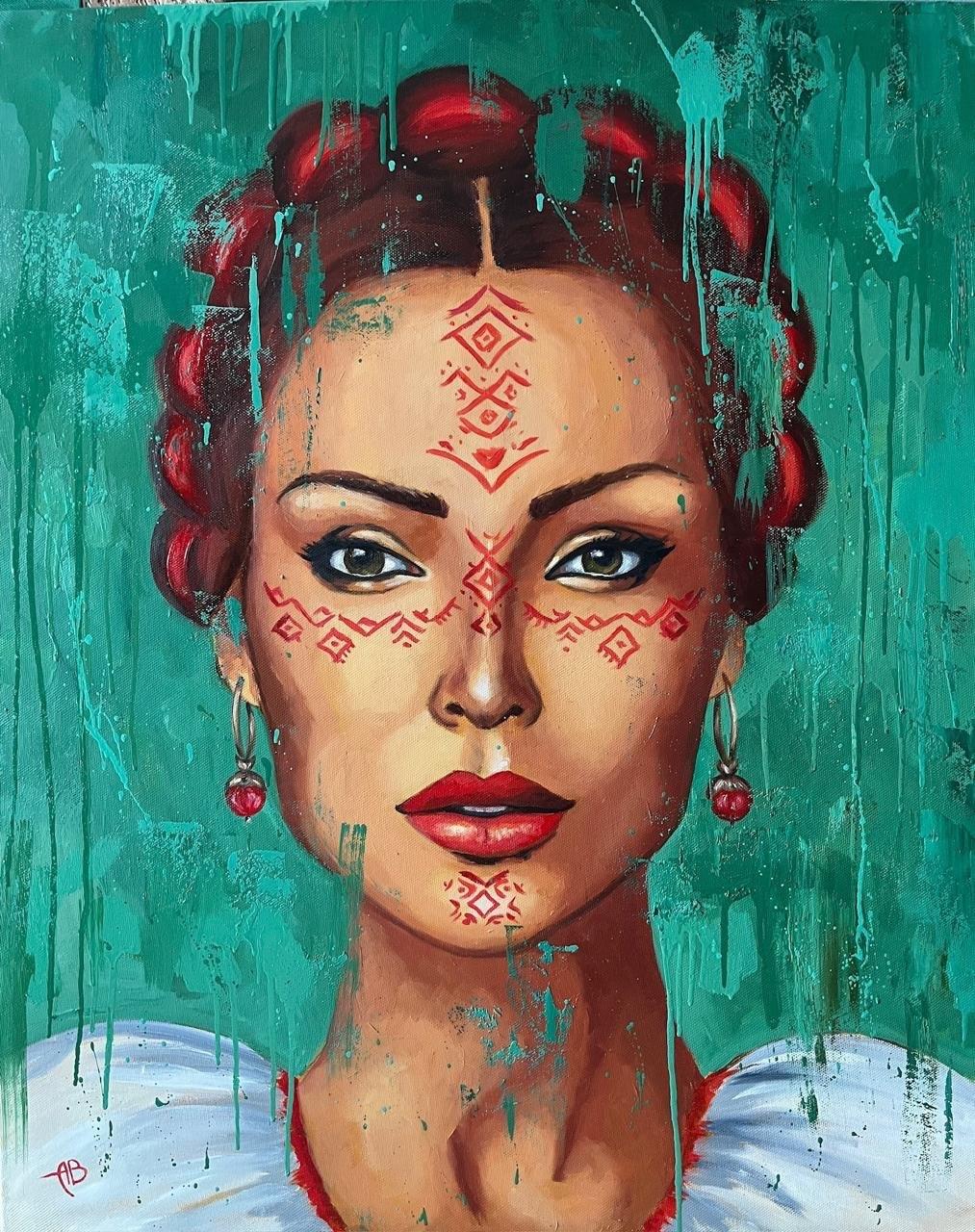
6. Show a work where a natural motif ceases to be mere ornament and turns into a mythology of its own.
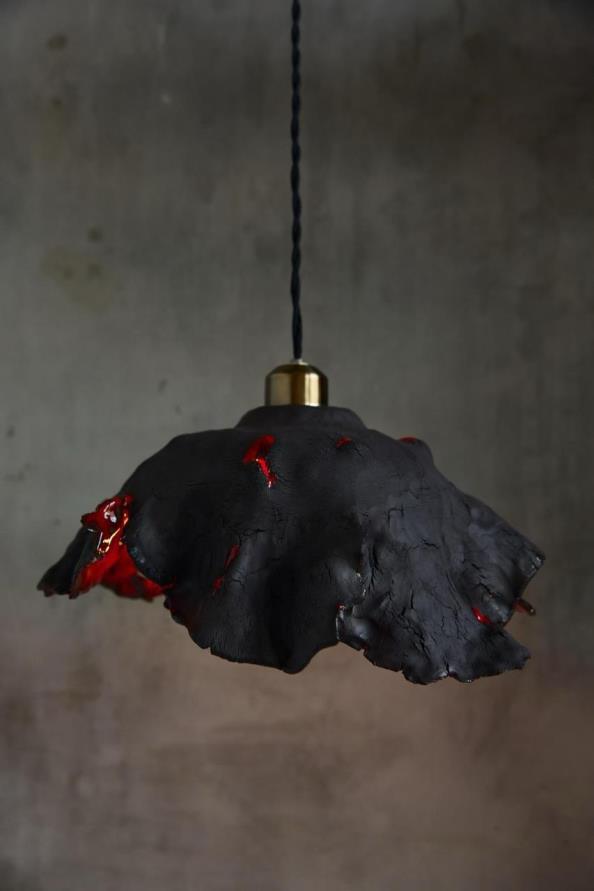
7. Which ceramic form holds the most intimate, tactile story of touch?
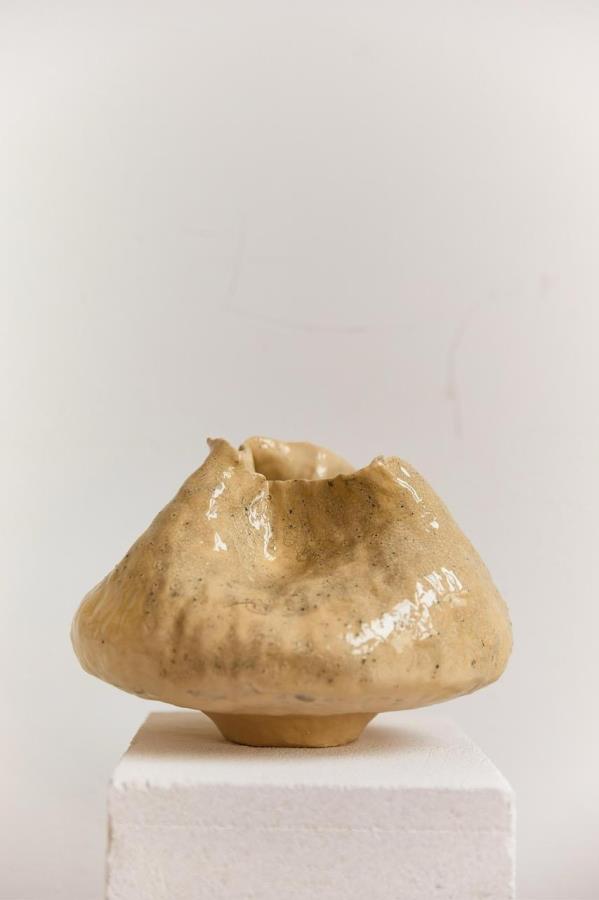
8. Show us a canvas where a faint trace of sorrow or unease lurks behind the vivid decorative spectacle.
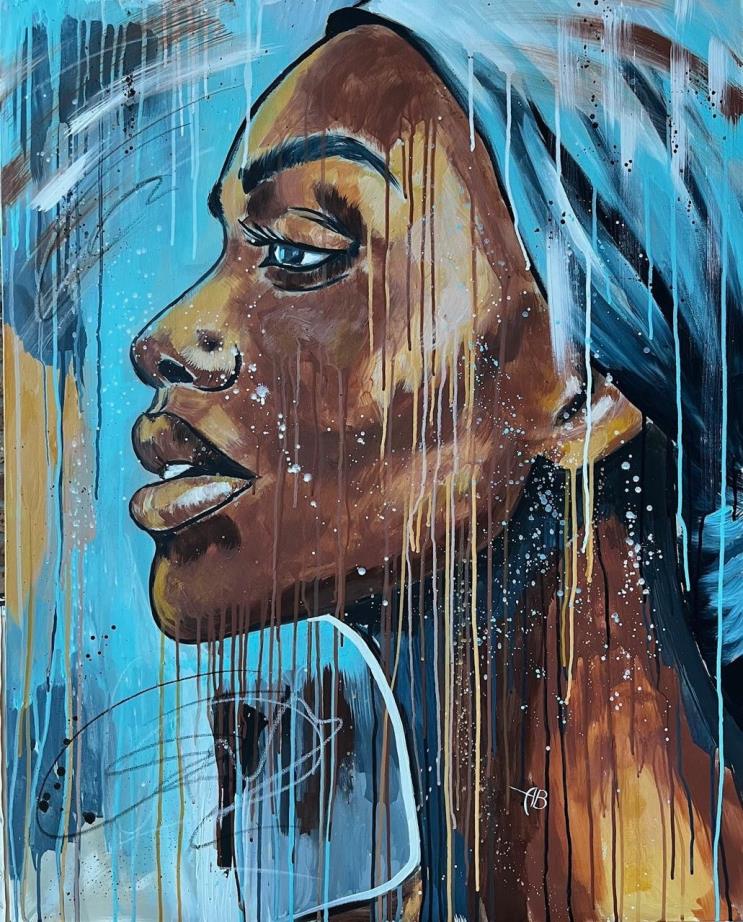
9. Which work served as your manifesto of absolute creative independence?
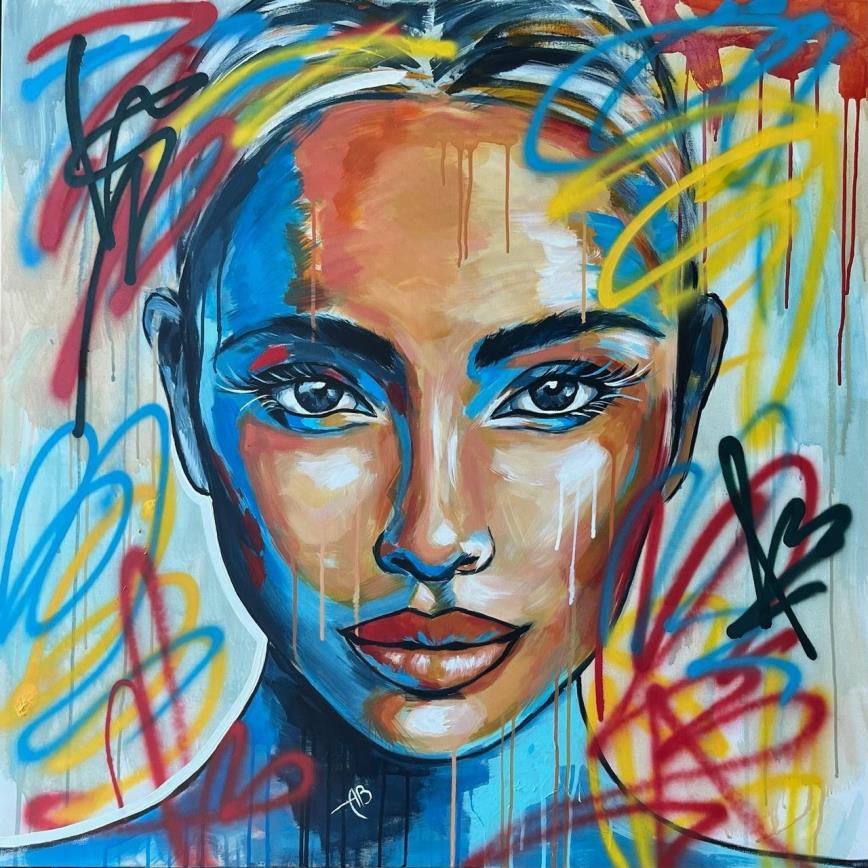
10. Show a piece where air, light, and the southern sea air first made an unmistakable mark on your palette.
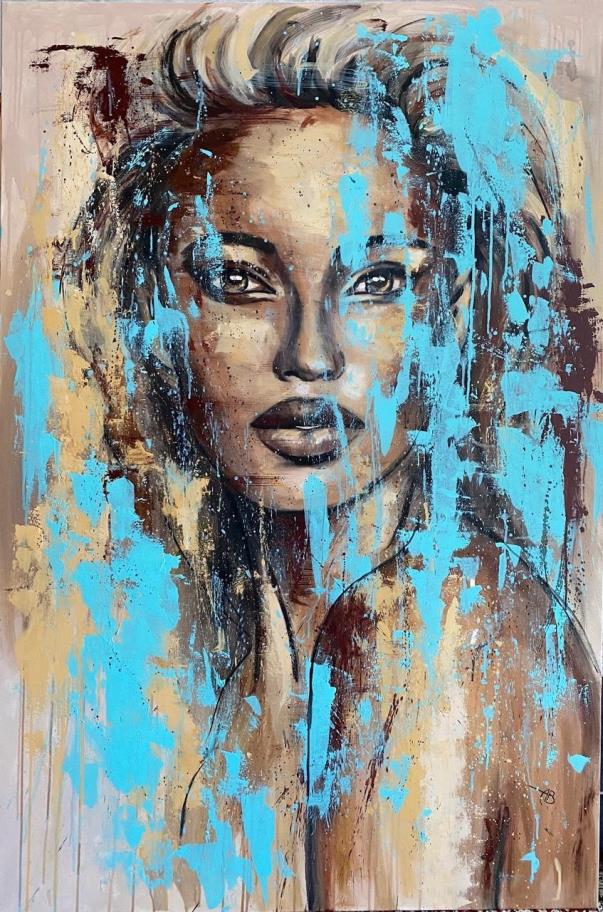
11. Show us a work whose creation felt like a ritual or art therapy.
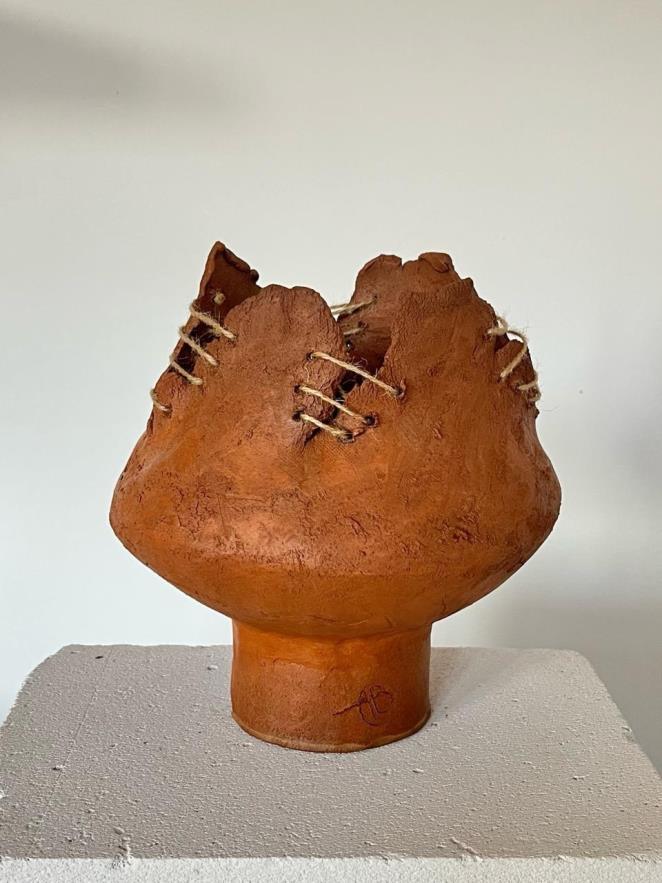
12. Show us a work that travelled to the other side of the world, yet still feels like an inseparable part of your studio.
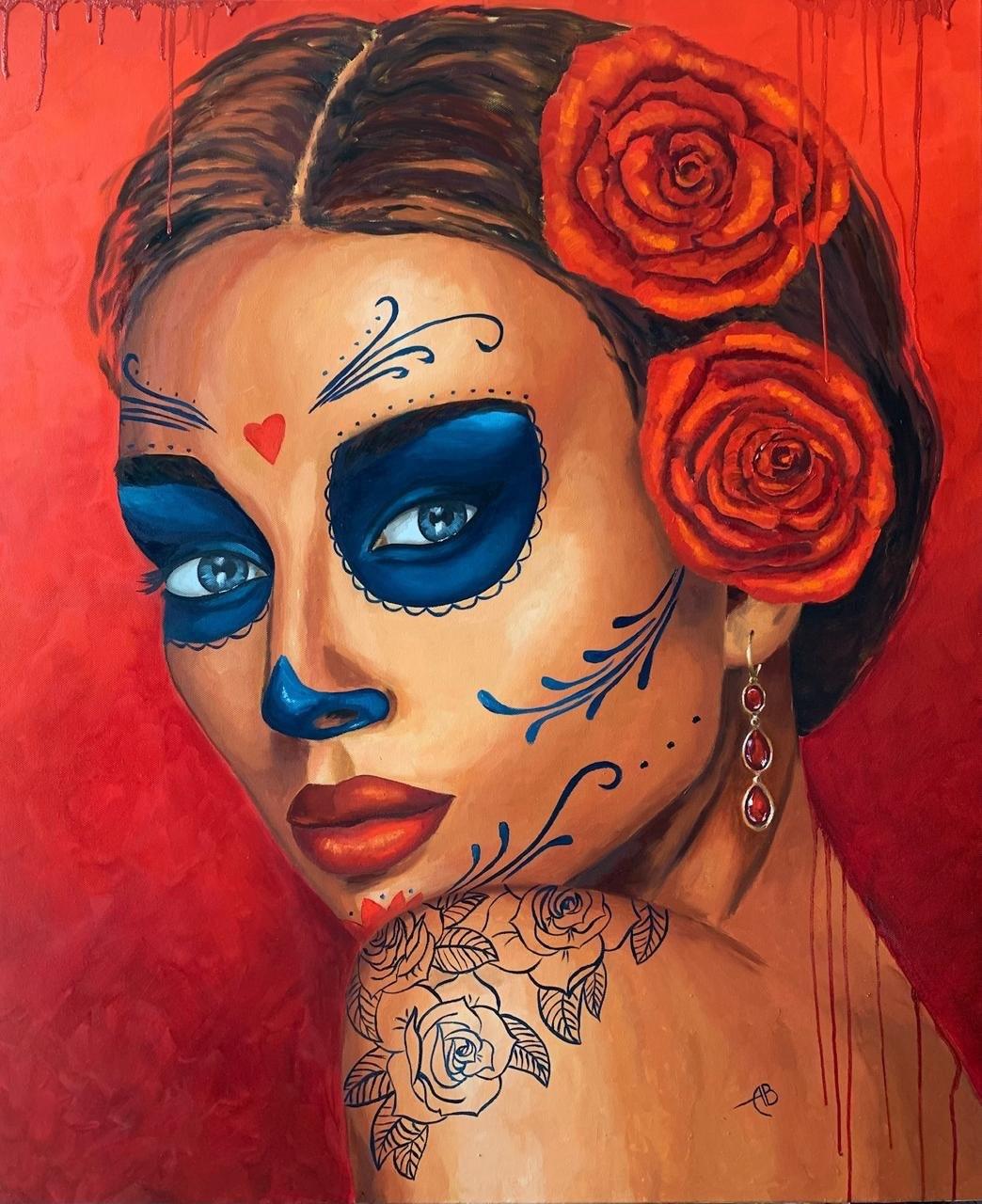
In the end, this is that rare occasion where a visual exchange proves far more eloquent than any art-historical manifesto. Anna Briukhovetska manages what seems impossible: packaging personal anguish in lush hues, turning set clay into a reason to discuss eternity, and utterly rejecting the role of the pitiable underdog in the global art scene.
Her pieces aren’t about resignation or muted sorrow; they are about a healthy southern defiance, standing your ground, and discovering solid footing even when the earth was pulled out from under you long ago.
So as you take in these twelve answers, don't look for universal formulas to fix the world—there are none here. What you will find is an unflinching chronicle of an unyielding artist building her own fortress out of oils, acrylics, spray paints, and fired earth right in the center of a raging storm.
And if beauty is ever destined to save this world, it will almost certainly look just like this: defiant-eyed, smelling of sea salt, with fingers lightly coated in clay dust.