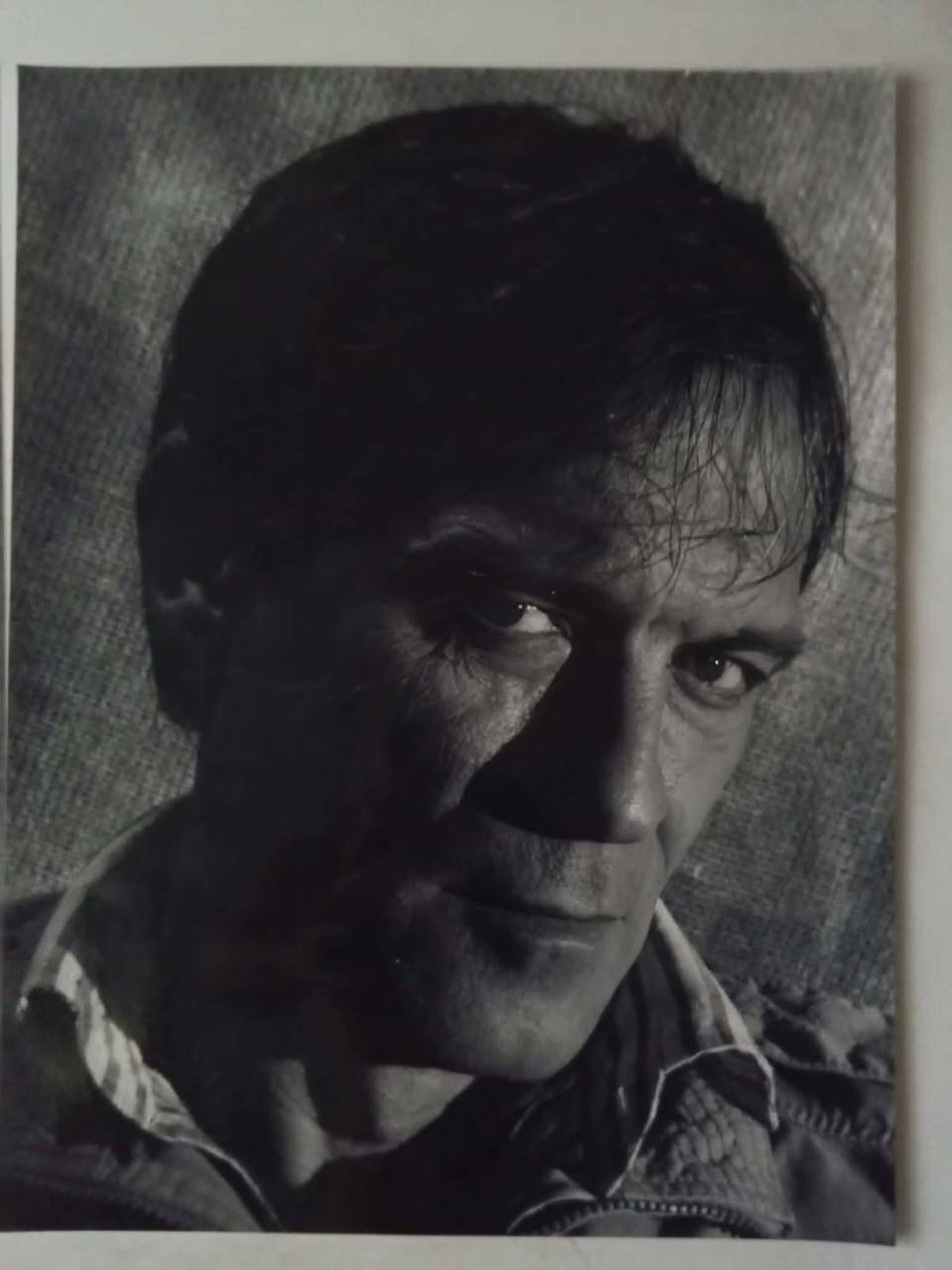


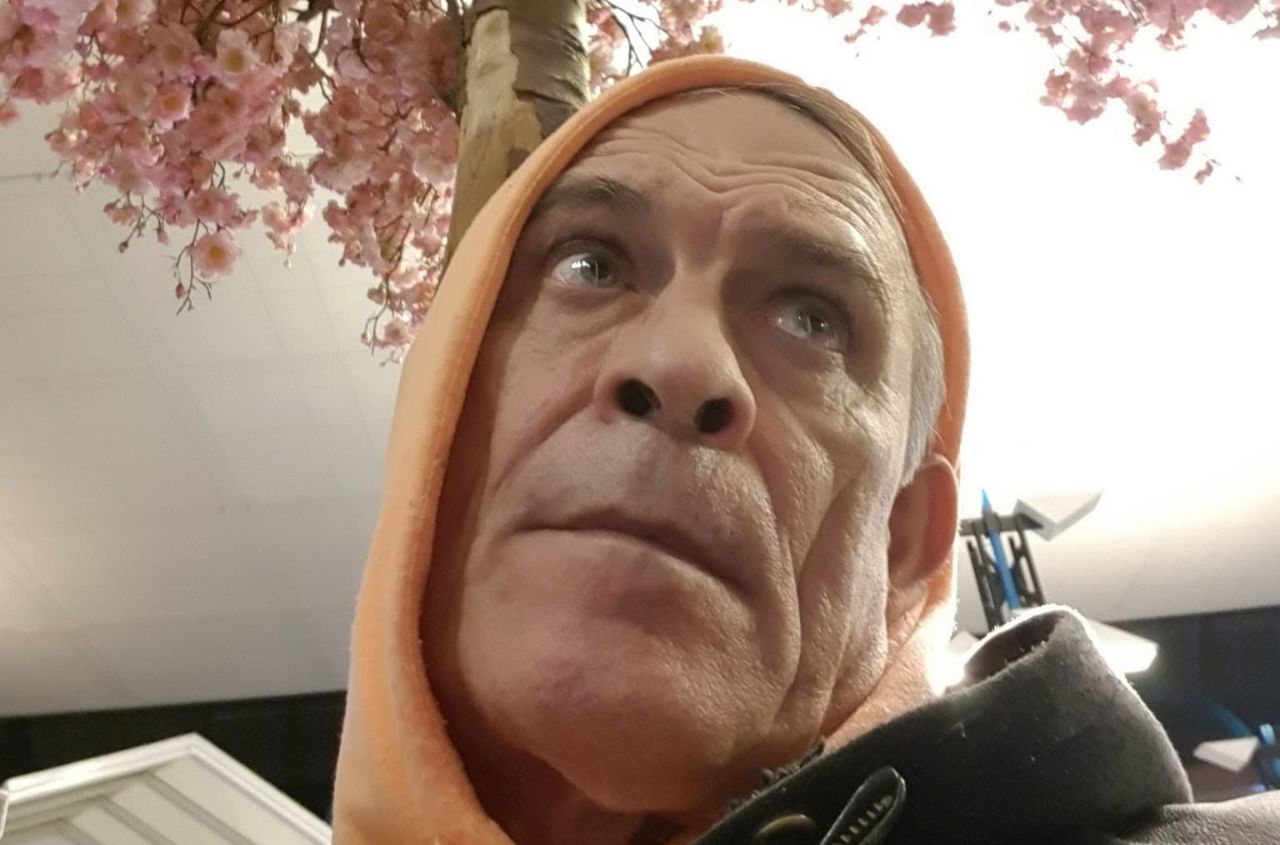

Main image: Viktor Khokhlenko
The sixty-third interview through images by Andrey Sheptunov
Modern people tend to believe that an artist can be deciphered through their Instagram, philosophical posts, or a pair of stylish horn-rimmed glasses. Yet, a true master will always keep a few dozen skeletons in the closet—both literally and figuratively—tucked away for the viewer to discover.
Over the years, Viktor Khokhlenko has amassed so many visual psychoanalytic sessions in his studio that psychotherapists could practically prescribe his canvases to their patients. Rather than meekly churning out dull landscapes for the sake of a sale, he chooses to subject the viewer to an honest, rigorous interrogation—an inquiry that, naturally, begins with himself.
Naturally, any self-respecting artist is bound to claim that their paintings spring solely from the loftiest of realms. Khokhlenko, however, ruthlessly strips away this veneer of refinement, confronting the viewer with subjects that "decent" people would much rather keep under wraps.
Take, for instance, the grim skeleton, settled comfortably in an armchair in the company of some highly suspicious cats and rats—a perfect illustration of what the "creative order" inside a genius’s mind looks like after a thorough spring cleaning.
But it would be a mistake to think that Viktor is capable only of dark, Gothic fantasies. His repertoire also encompasses the poignant light of childhood memories, the sultry, languid atmosphere of provincial southern streets, and even a scene—painted on rough plywood—of a day at the beach, where a beautiful stranger gazes intently at her gadget.
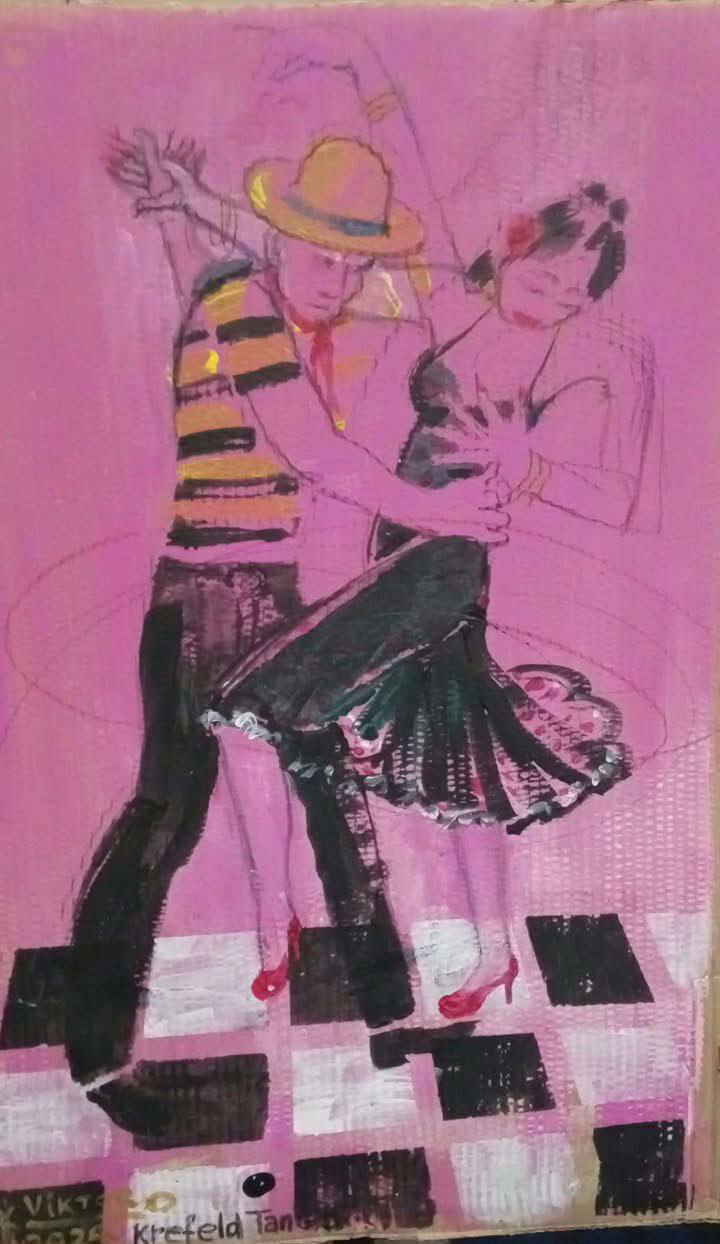
It seems the artist has managed to capture absolutely everything on his canvases: from the exotic sense of solitude amidst a colorful crowd to a spirited tango beneath the pink skies of Krefeld—leaving one to wonder whether this reality ever truly existed, or if we simply dreamt it all.
A distinct genre within Khokhlenko’s body of work consists of chronicles of his escapes from the Academy of Arts. In these pieces, compositions emerge not through the tedious application of textbook rules, but through pure intuition; the brushstrokes convey the tactile sensation of time more precisely than any historical record, while some canvases languish in the studio for years, waiting for that one elusive, definitive word.
At times, it feels as though what we are seeing is not merely a collection of paintings, but the outcome of a monumental creative crisis—one heroically overcome to produce yet another installment of visual madness.
And this is where the article’s author, Andrei Sheptunov, enters the scene—having decided to steer clear of the well-trodden path of tedious art-world discourse. Eschewing the usual banal questions about future plans or favorite paintbrushes, he has set a sophisticated trap for the artist, consisting of twelve intimate prompts.
Sheptunov effectively compels Khokhlenko to delve into the hidden corners of his own psyche, unearthing everything from his most deeply personal subject matter and a self-portrait of his inner solitude, to a revelatory canvas that seems as if it were painted by someone else’s hand.
The format of our conversation is starkly simple and unsparing: Andrei poses an existential riddle, and in response, Viktor presents a piece of tangible, material evidence—a painting—that is impossible to deny. There is no censorship, no academic coyness—just pure painting and art therapy, unfolding in real time.
Make yourself comfortable; the master is about to unlock doors that are usually kept triple-bolted, and we will finally discover what remains of an artist once all the critics have fallen silent.
1. In which of your canvases is the most personal and intimate subject matter hidden—the one you prefer to keep silent about?
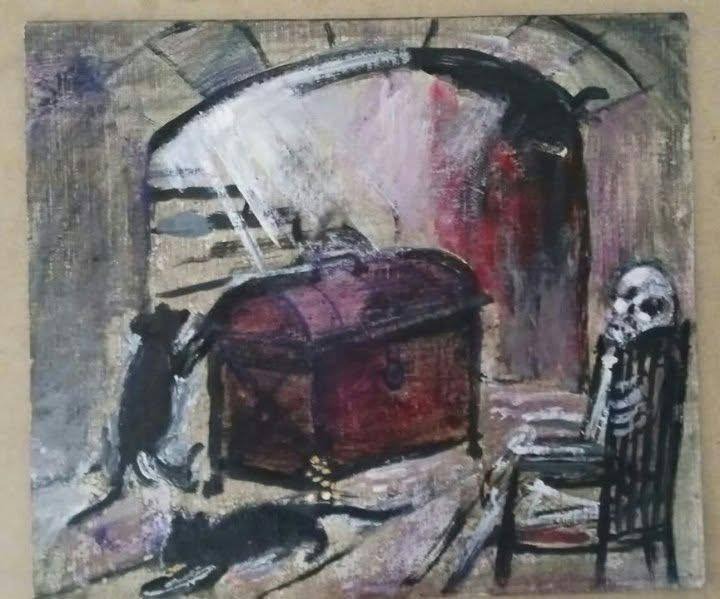
2. Find a scene in your studio where the light falls just as piercingly as it did on that memorable day from your childhood.

3. Which of your works would you call a portrait of your own inner solitude amidst a crowd?
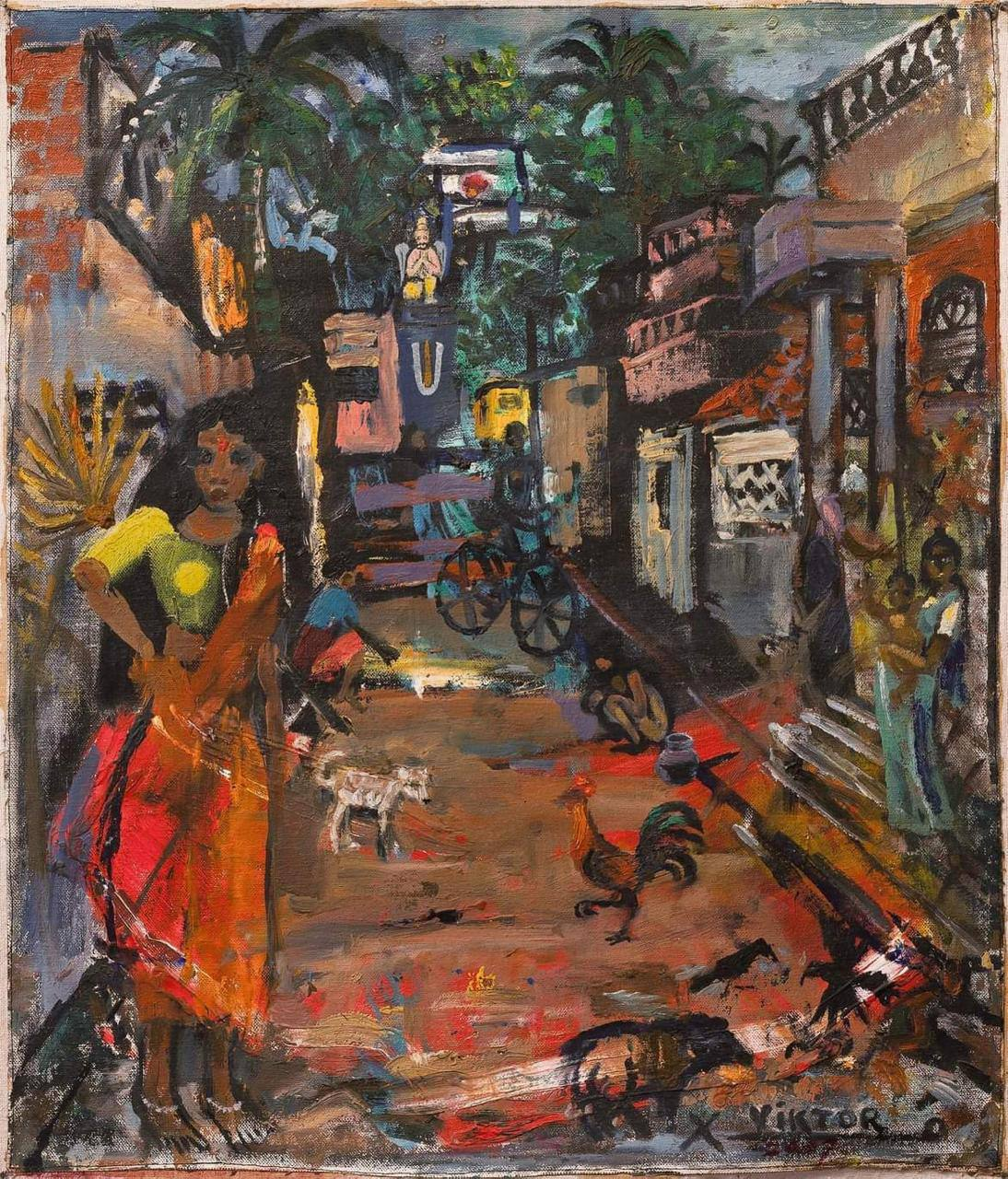
4. Present a canvas in which the atmosphere of a provincial town is conveyed through a sense of frozen time and stillness.
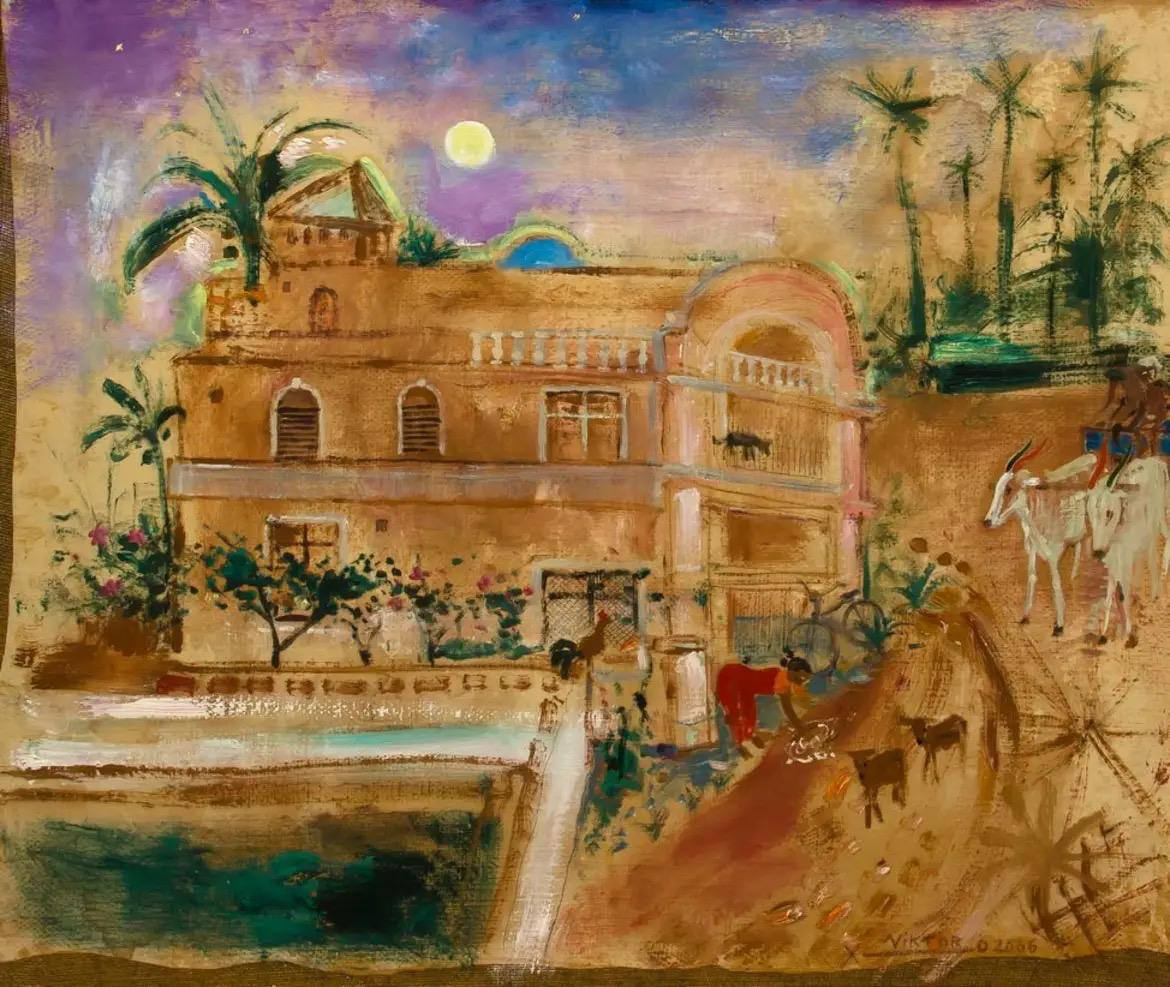
5. Which of your paintings bears the mark of your most profound creative disappointment—a hurdle you had to overcome in order to move forward?
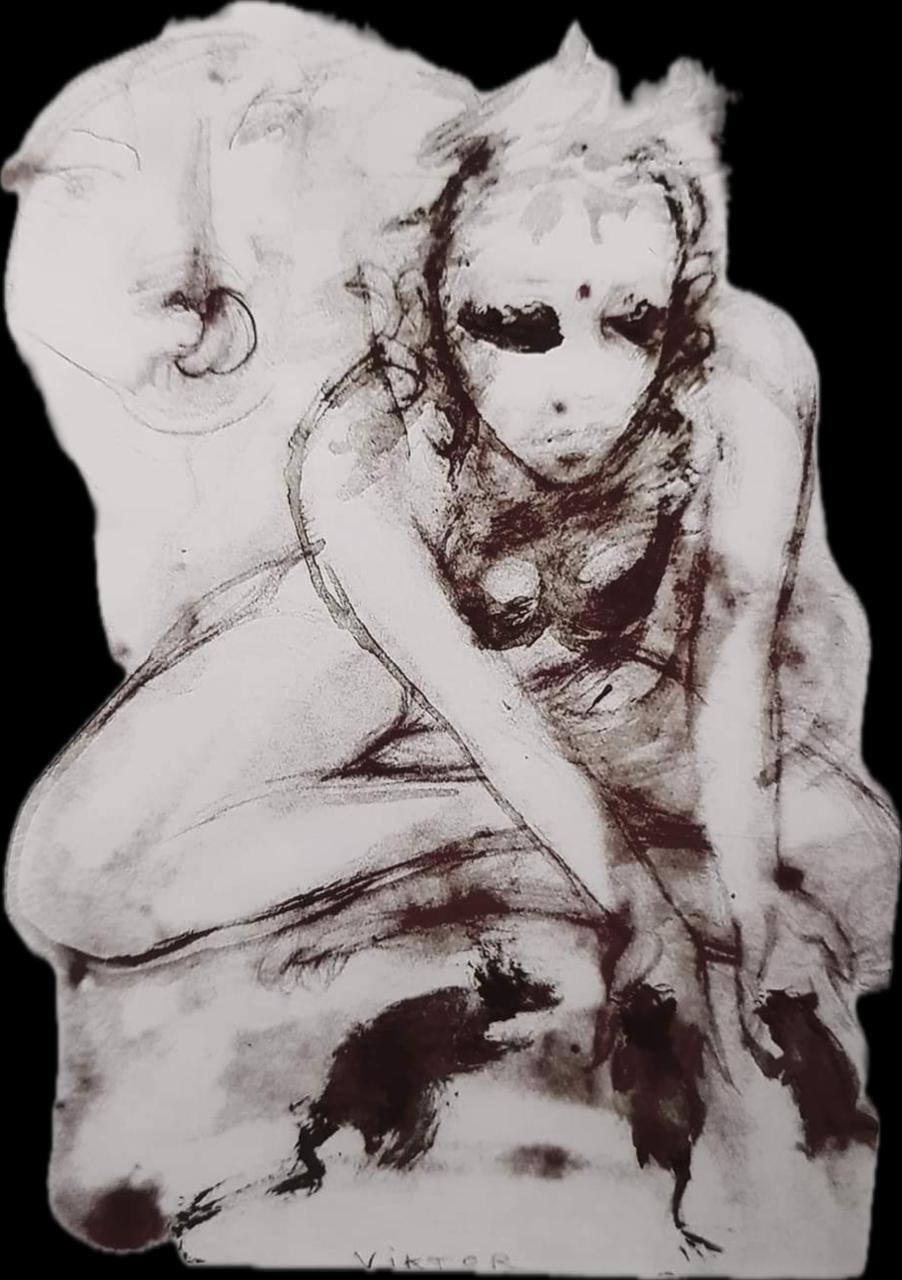
6. Show a work in which the texture of the brushstroke conveys the tactile sense of time far more accurately than any historical chronicle.
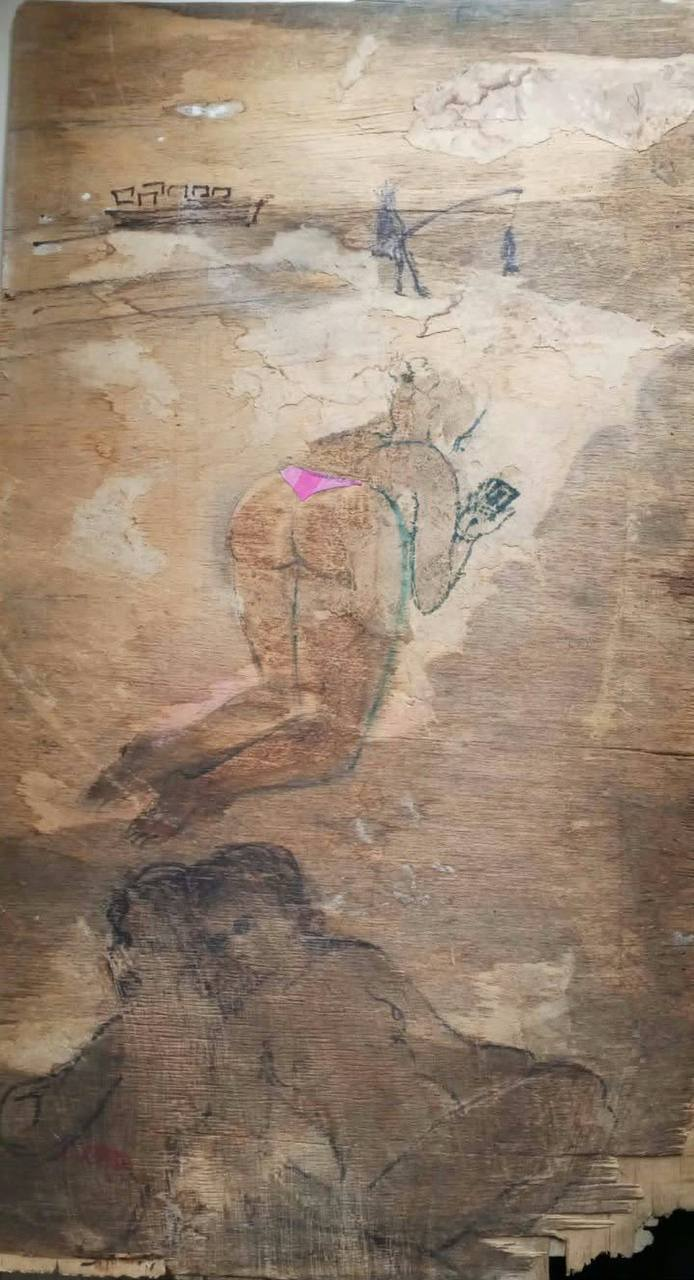
7. In which of your works is the line between reality and memory blurred so skillfully that even you yourself sometimes have doubts?
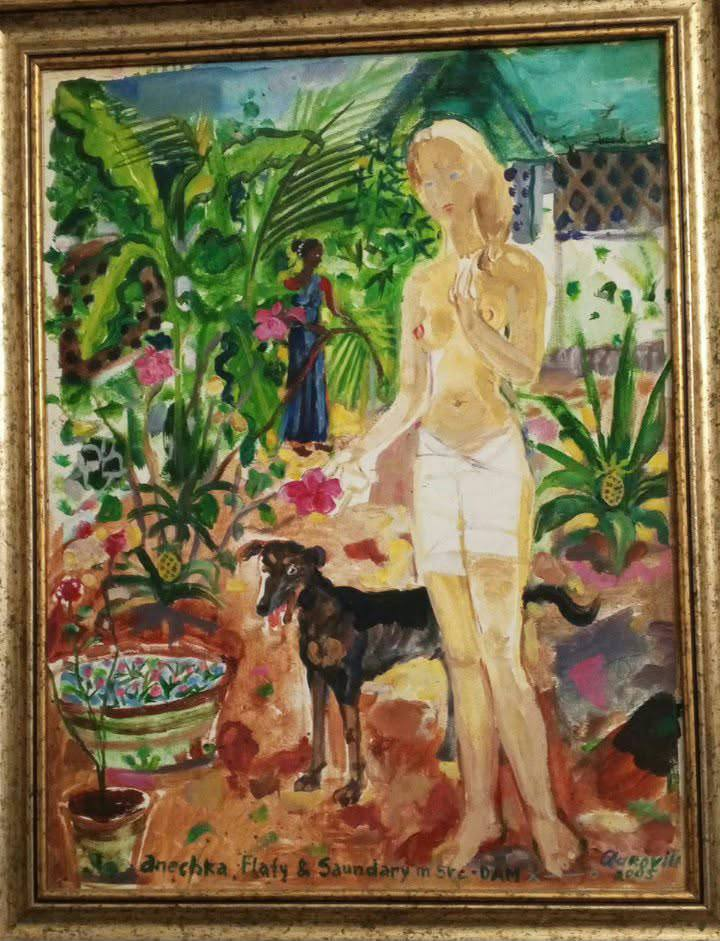
8. Seek out a canvas that came as an unexpected revelation to you—one that looks as if it were painted by a hand other than your own.
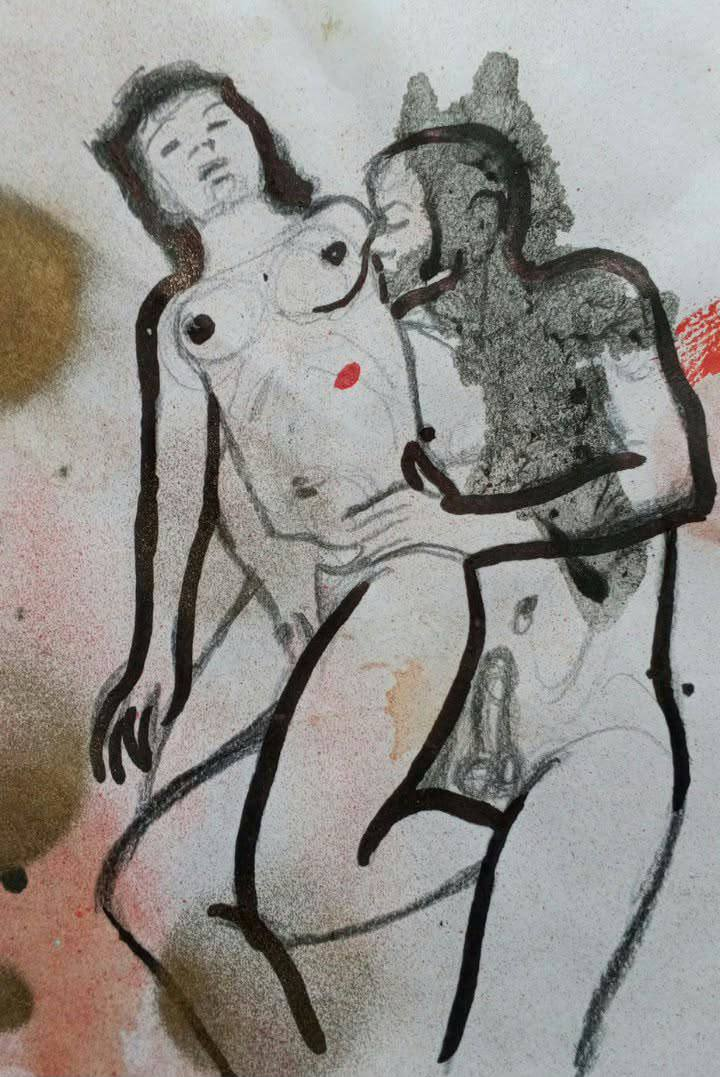
9. In which of your works is the most honest dialogue with yourself captured—one that takes no account of the audience?
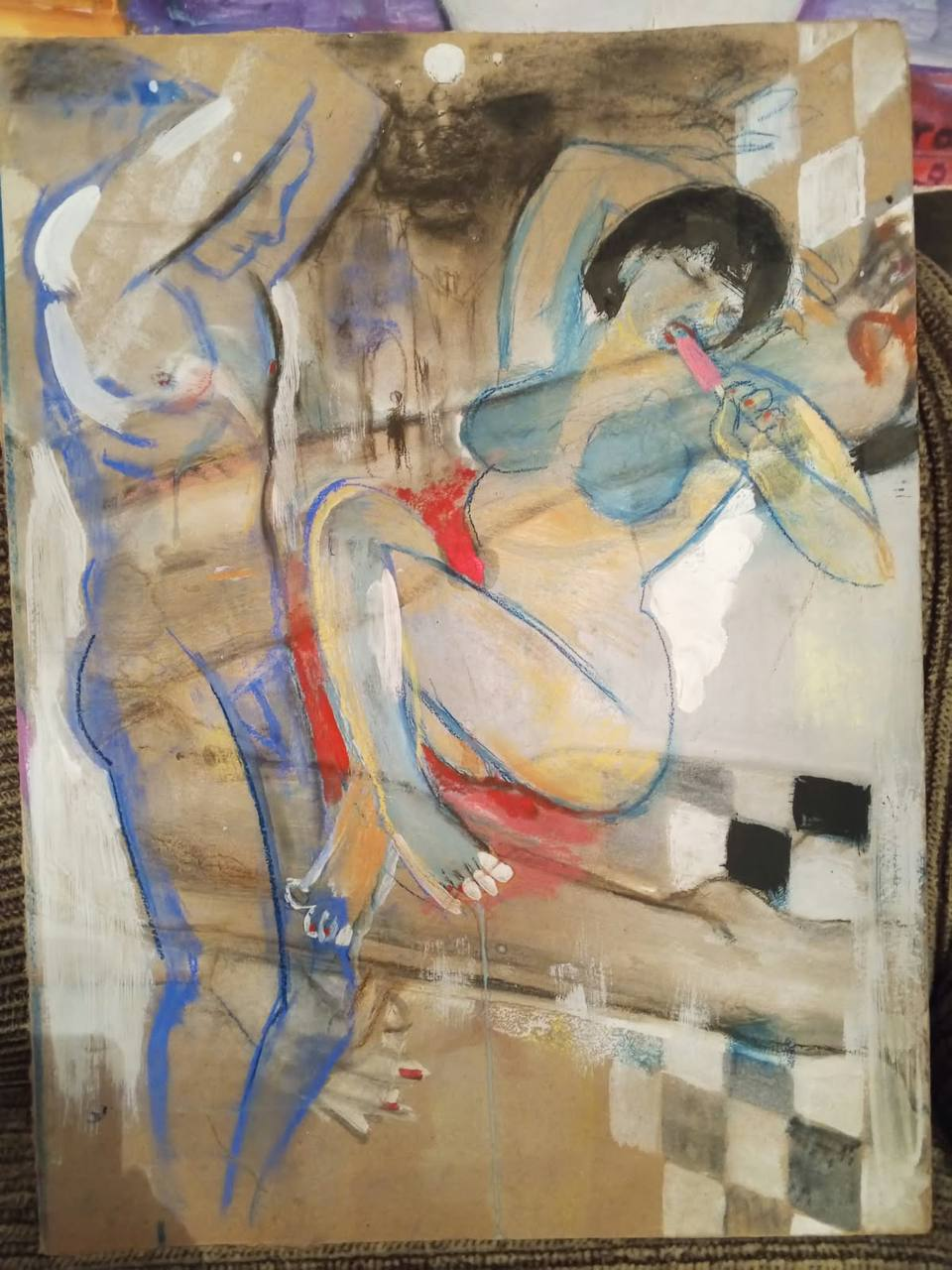
10. Find a canvas that has long remained unfinished because you were waiting for the right word or feeling for it.
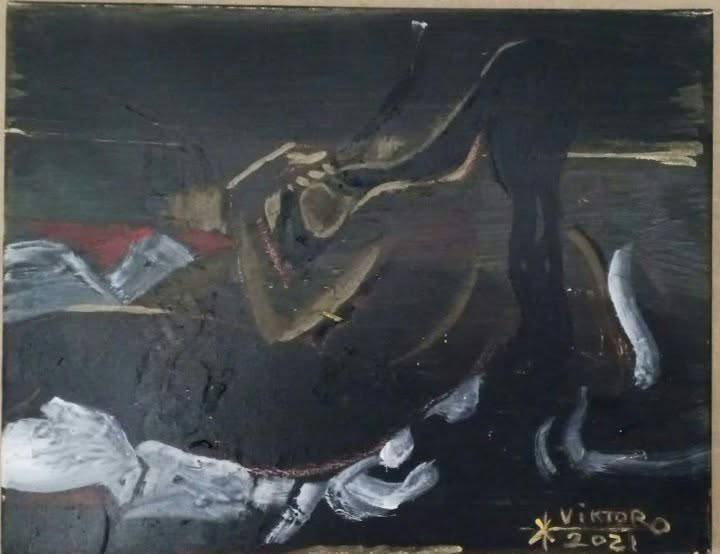
11. Show a work in which the compositional solution emerged not according to academic rules, but through intuition.
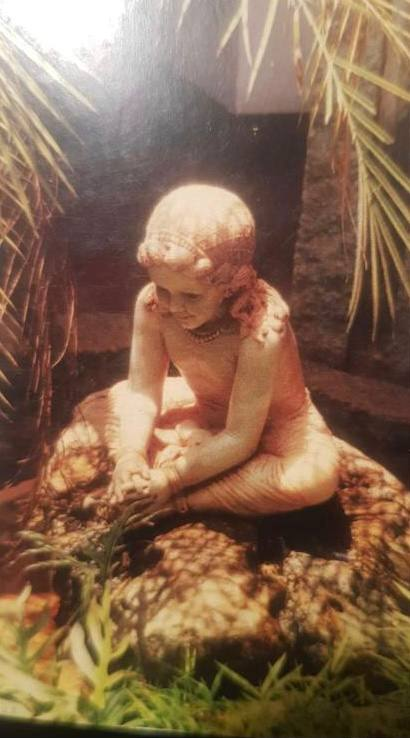
12. Show the canvas you would choose to remain as the sole witness to your life in art, if you had to make a choice.
Conclusion
Well, this session of collective psychoanalysis has come to an end, and Viktor Khokhlenko’s studio has managed to survive this rigorous interrogation unscathed. We’ve seen it all: from philosophical skeletons and sweltering southern mirages to the everyday life of beachgoers with their gadgets, and an impeccable tango performed beneath a rose-hued sky.
Andrey Sheptunov has masterfully laid bare the inner workings of the creative process, proving that true painting is born not in the sheltered environment of academic studios, but at the intersection of personal epiphanies, a touch of madness, and an honest dialogue with oneself.
Of course, it would be simply heartless to leave the artist alone with all these canvases, rats, and palm trees after so many revelations. If you’d like to keep following how Viktor transforms scraps of wood, cardboard, and paint into pure magic—and stay up to date on where his creative imagination has wandered off to this time—be sure to check out his Facebook page. Believe me, it’s well worth a follow.