



The spring sowing campaign has already begun in 17 regions at the usual seasonal timeframes. So far, almost 200,000 hectares have been sown. Traditionally, farms in the southern regions were the first to start, planting spring barley, peas, and oats.
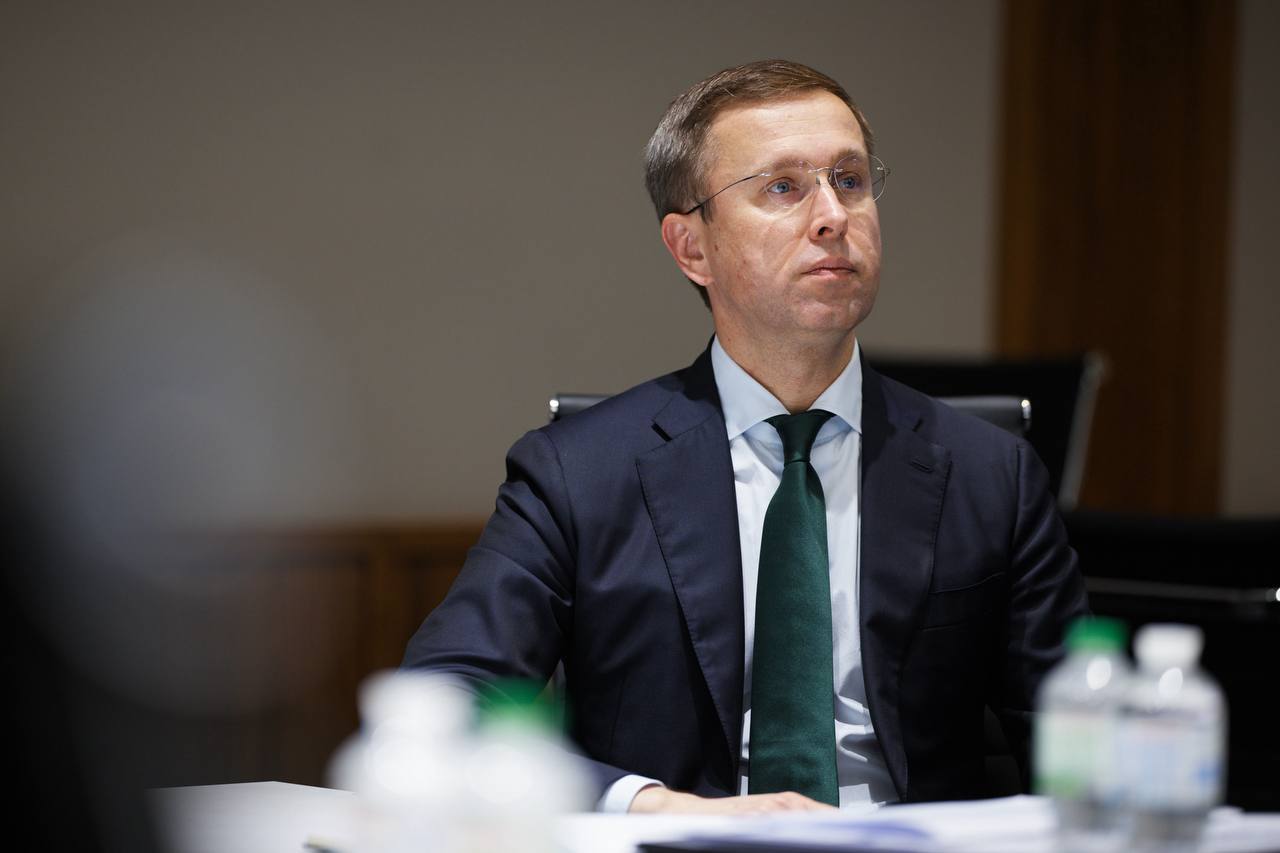
This was reported by Ukraine’s Deputy Minister of Economy, Environment, and Agriculture, Taras Vysotsky.
According to him, this year’s spring sowing is expected to cover around 16 million hectares in total. The initial phase is currently small-scale, which allows risks to be minimized even in the event of short-term cold spells.
“The spring sowing campaign has started on schedule and is proceeding according to farmers’ plans. The initial stage traditionally includes crops that are resilient to weather fluctuations, so even possible frosts do not pose critical risks. As of today, we have not recorded any force majeure factors that could significantly affect the pace of work,” Taras Vysotsky noted.
At the same time, this year’s sowing campaign faces its own challenges. Key among them is a significant rise in fuel costs, as well as a 30–35% increase in the price of mineral fertilizers due to global market factors. This creates additional financial pressure on farmers, but does not threaten the conduct of the campaign.
Taras Vysotsky emphasized that the government is making every effort and coordinating the situation to ensure the availability of fuel and fertilizers for sowing.
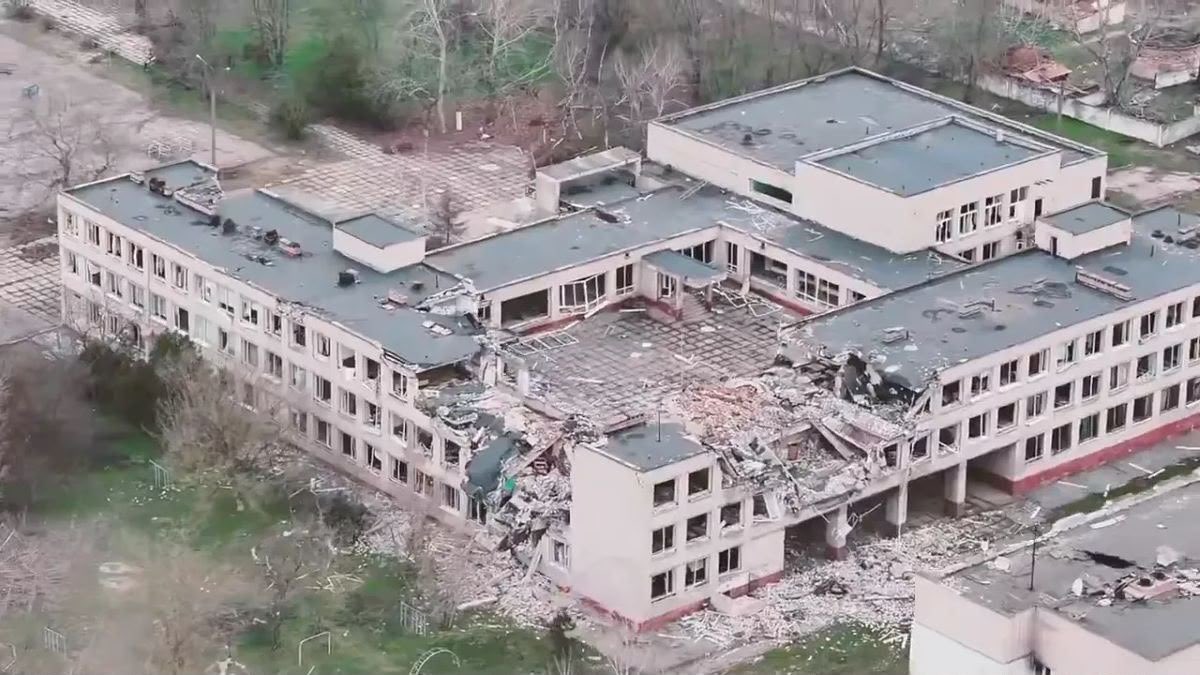
An additional factor is the security situation, particularly in frontline regions, where drones constantly pose a threat. Despite these risks, Ukrainian farmers continue their work, using all available tools to protect and cultivate the land. Electronic warfare systems and other protective measures are employed to ensure that every available plot is sown and a new harvest is produced.
The Deputy Minister also highlighted the situation on the buckwheat market this season, a product traditionally important for Ukrainian households. Retail price increases are primarily due to reduced production last year and seasonal inventory reductions ahead of the new harvest.
Buckwheat is a niche crop with cyclical production. Once every five years, output decreases due to various factors, including natural and climatic conditions. Prices rise, then production stabilizes and costs decrease.
“The increase in buckwheat prices is seasonal and cyclical. Due to the lower harvest last year and limited import opportunities, end-of-year stocks are lower. At the same time, there is no physical shortage—the product is present on the market. We expect that with the new harvest, the situation will stabilize and prices will level off,” Taras Vysotsky emphasized.
According to forecasts, in 2026, farmers are expected to respond to market prices by increasing buckwheat sowing areas by 15–20%. Total production is expected to be close to domestic consumption (approximately 95%), which will prevent a market deficit.
Thus, the current price increase is temporary and part of a natural market cycle. Once the new harvest arrives, the buckwheat market will return to a more balanced state.