

In The Hague, an international team of investigators managed to identify data on 45 Ukrainian children who were forcibly transferred from occupied territories. The results have already been handed over to the Ukrainian authorities for further investigation. This was reported by Europol.
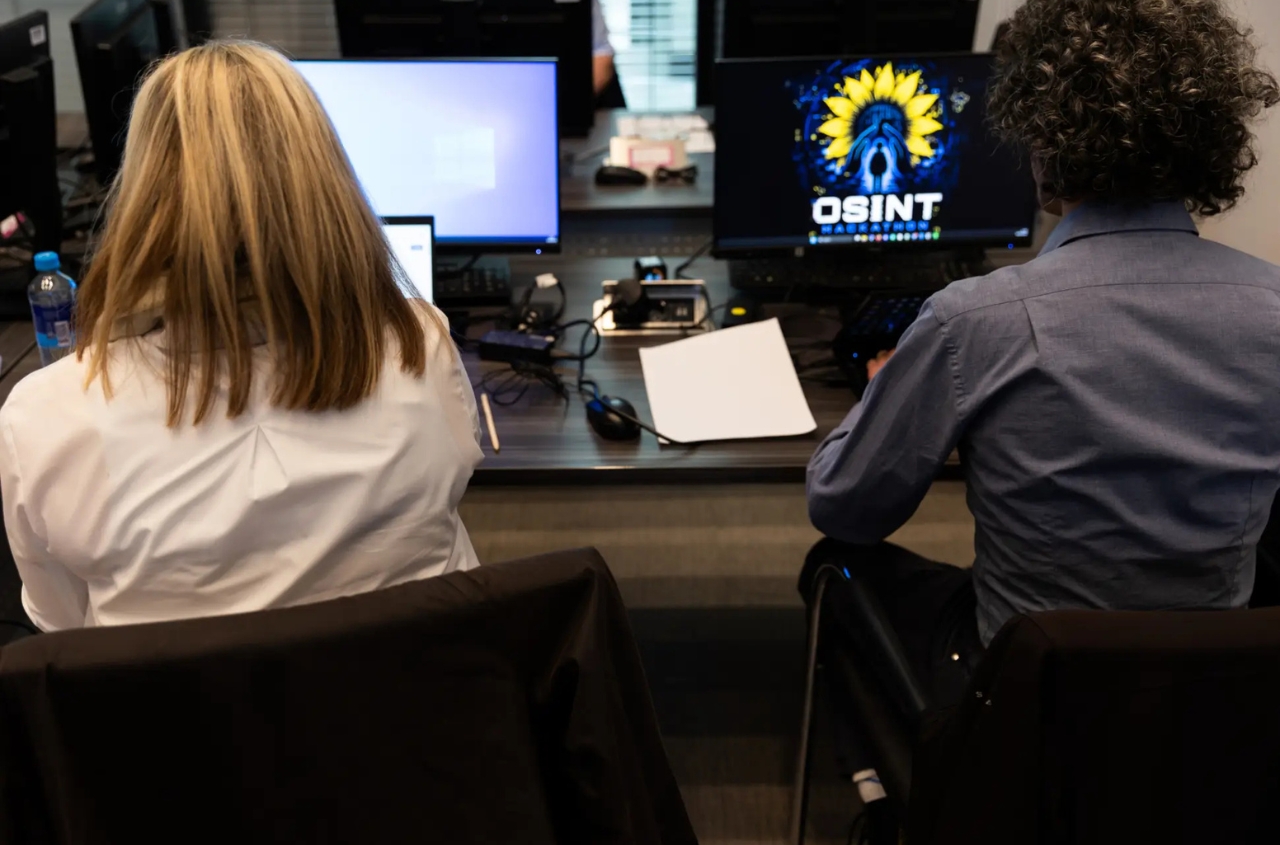
The operation was coordinated by Europol together with the Netherlands. Around 40 experts from 18 countries took part, along with representatives of the International Criminal Court and non-governmental organizations.
Over several days, participants analyzed open-source information to trace the missing children.
As a result, important information was collected, including:
- transport routes used during forced transfers
- individuals who enabled the deportations, such as directors of orphanages
- military units involved in the deportations
- persons who received the deported children
- camps or institutions where the children were taken
- platforms showing photos of children who may have been deported
- Russian military units where deported children may currently be present and fighting in Russia’s war against Ukraine
According to the Ukrainian side, more than 20,000 children have been illegally taken since the start of the full-scale war. Some of them were adopted by Russian citizens, while others are held in so-called re-education camps or psychiatric institutions. Under international law, such actions are considered a war crime.
Investigators used OSINT (open-source intelligence) methods, meaning information was gathered from public sources such as social media, websites, photos, and other digital traces. The format of this work is often called a “hackathon,” where experts join forces for several days of intensive problem-solving.
For Ukraine, returning a single child from Russia after abduction can take years—from initial identification to actual repatriation. Almost every return so far has taken place with the mediation of a third country, including Qatar, South Africa, and the Vatican.