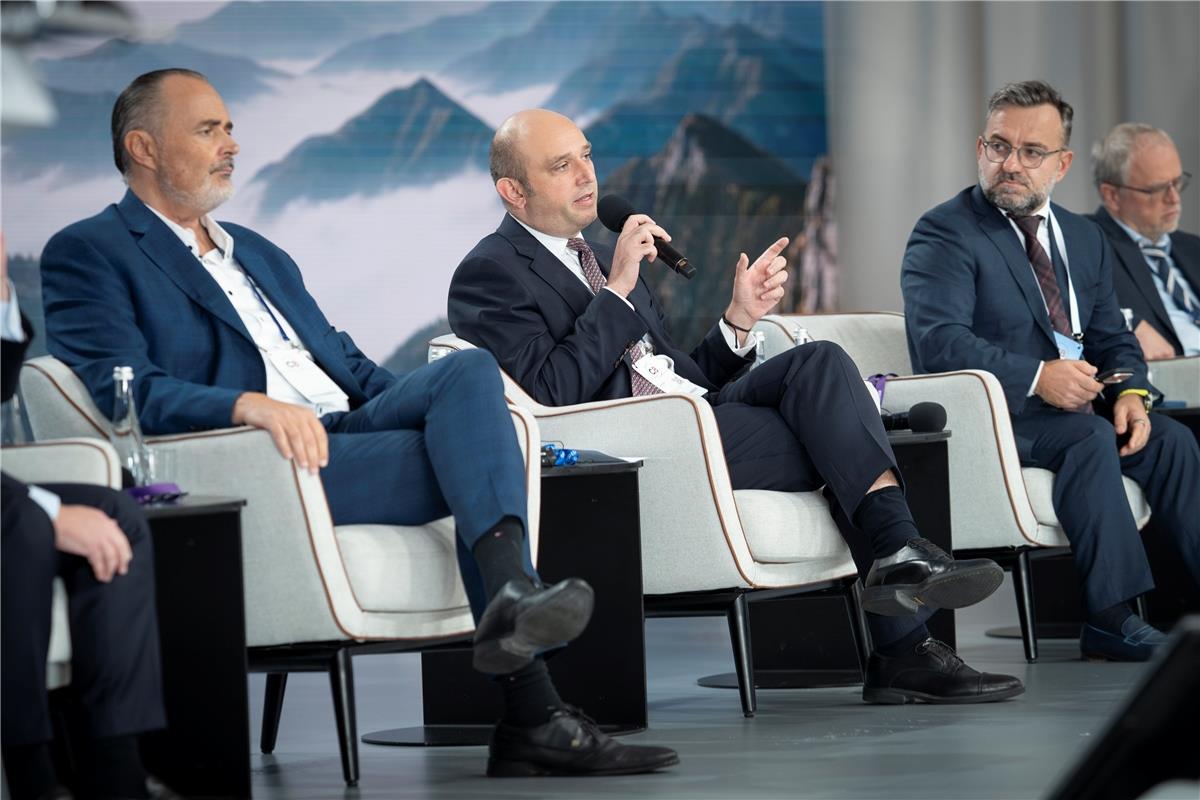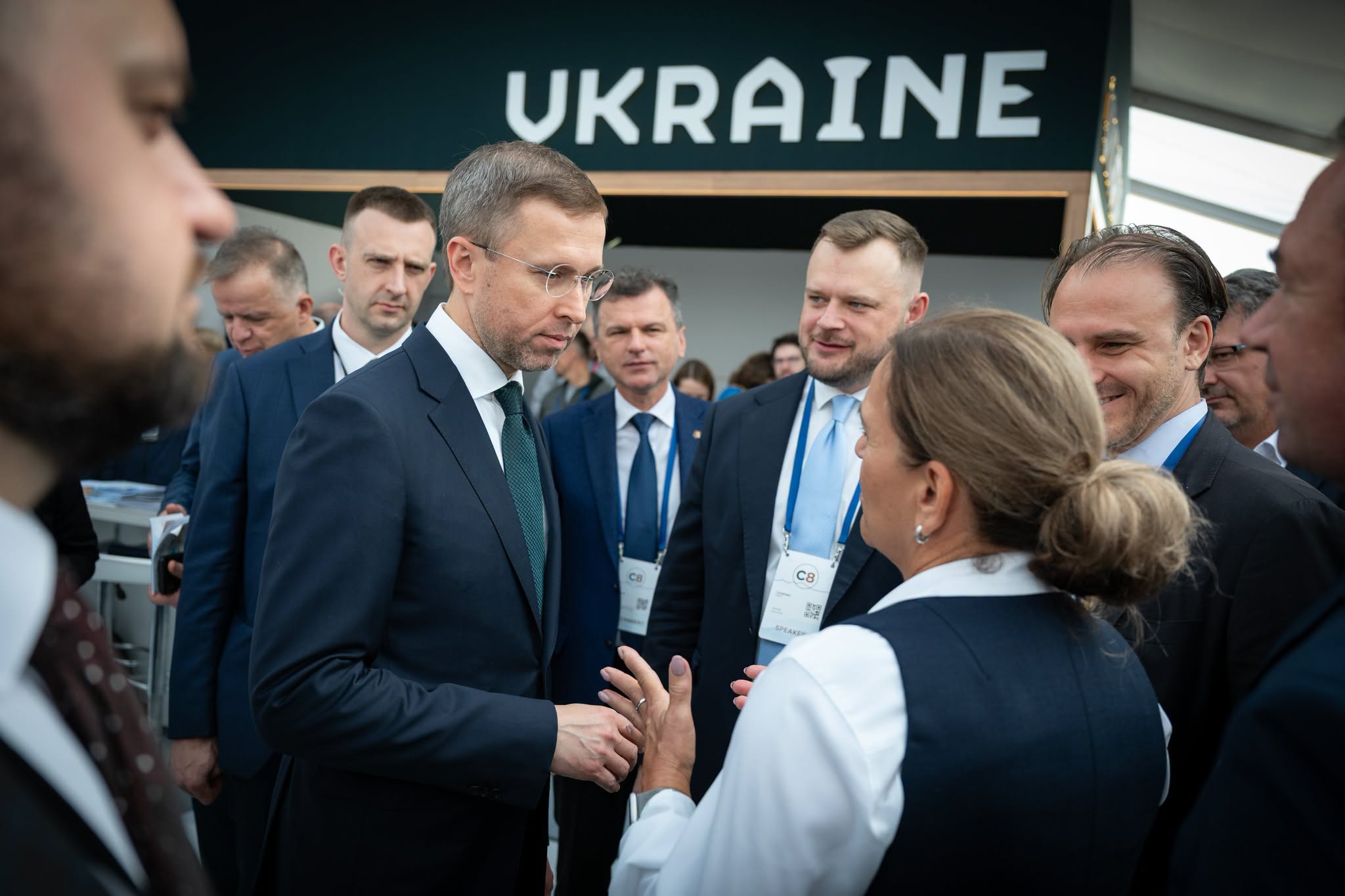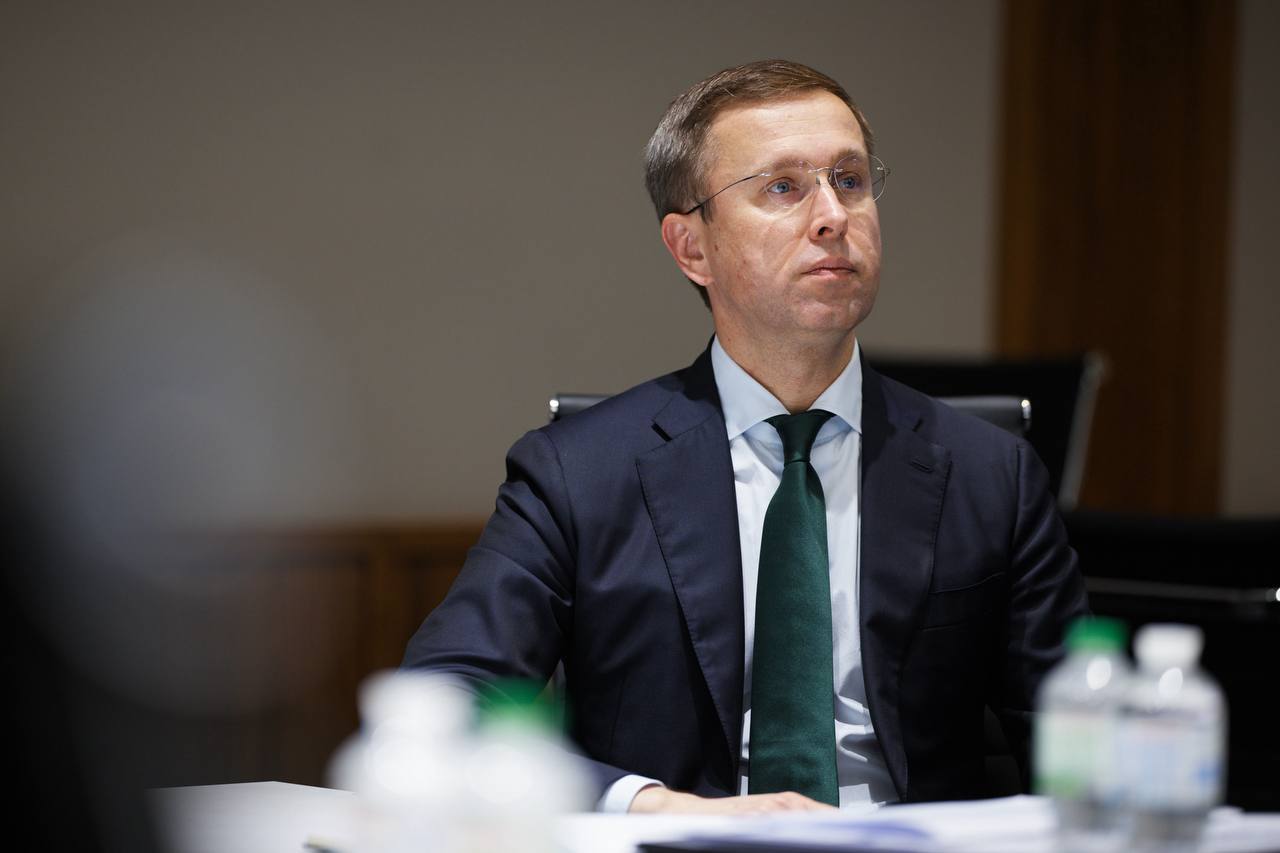


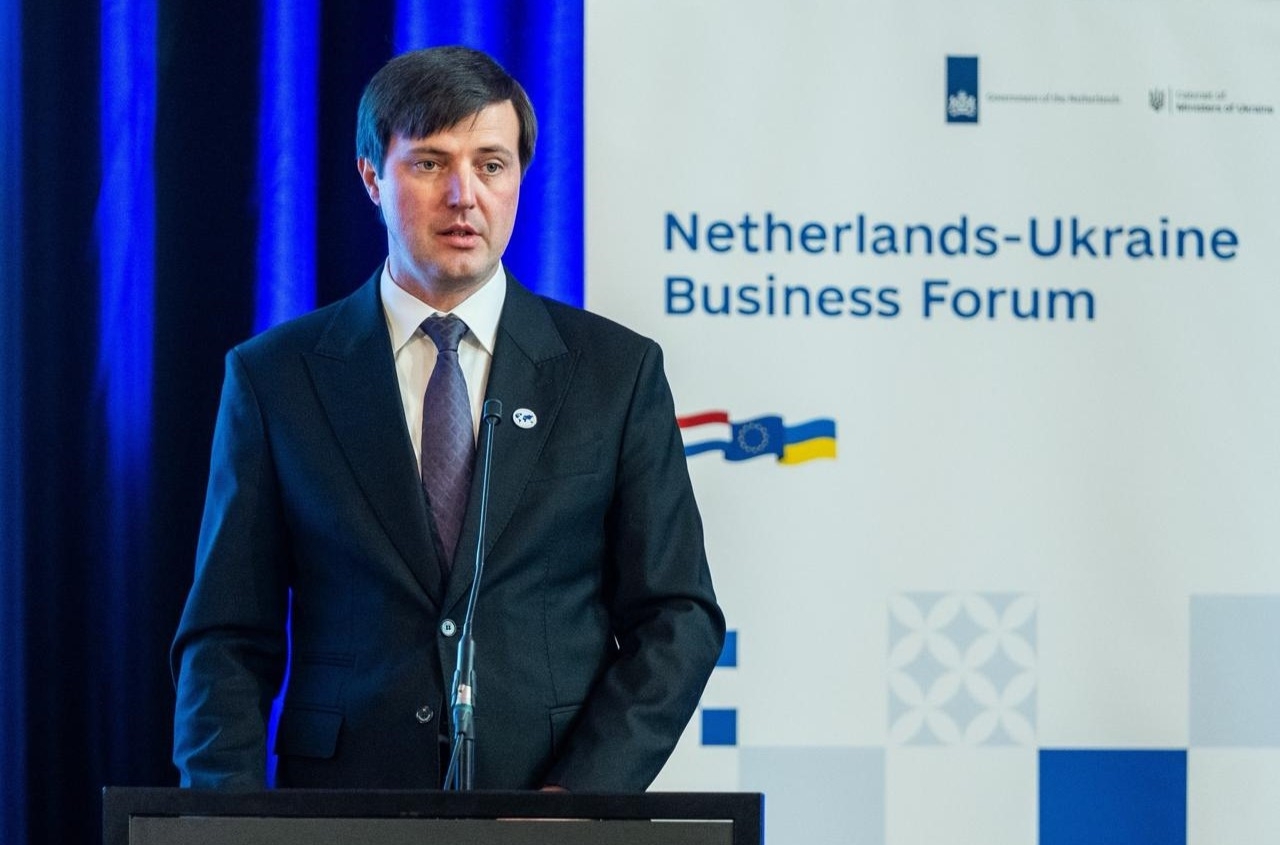
Ukraine is already offering international businesses real opportunities to invest in the restoration, modernization, and development of key economic sectors. This was emphasized by Taras Vysotsky, Deputy Minister of Economy, Environment, and Agriculture of Ukraine, during the Ukraine–Netherlands Business Forum held in Breda, Netherlands. The event brought together representatives from governments, businesses, financial institutions, and companies from both Ukraine and the Netherlands, including participants from the energy, construction, and agricultural sectors.
The forum served as a platform to discuss trade and investment opportunities, Dutch business participation in Ukraine’s reconstruction, and prospects for expanding economic cooperation between the two countries.
During the forum, the Ukrainian side outlined its reconstruction priorities and areas where partnerships could yield quick and practical results. The discussion focused not only on supporting Ukraine during the war but also on long-term economic cooperation in manufacturing, processing, infrastructure, energy, logistics, and the agricultural sector.
“Despite the full-scale war, the Ukrainian economy remains resilient and is gradually recovering. In 2024–2025, Ukraine’s GDP grew, and the country’s international reserves reached nearly $55 billion. This sends an important signal to investors: even under wartime conditions, Ukraine maintains economic stability and creates a foundation for further development,” Taras Vysotsky noted.
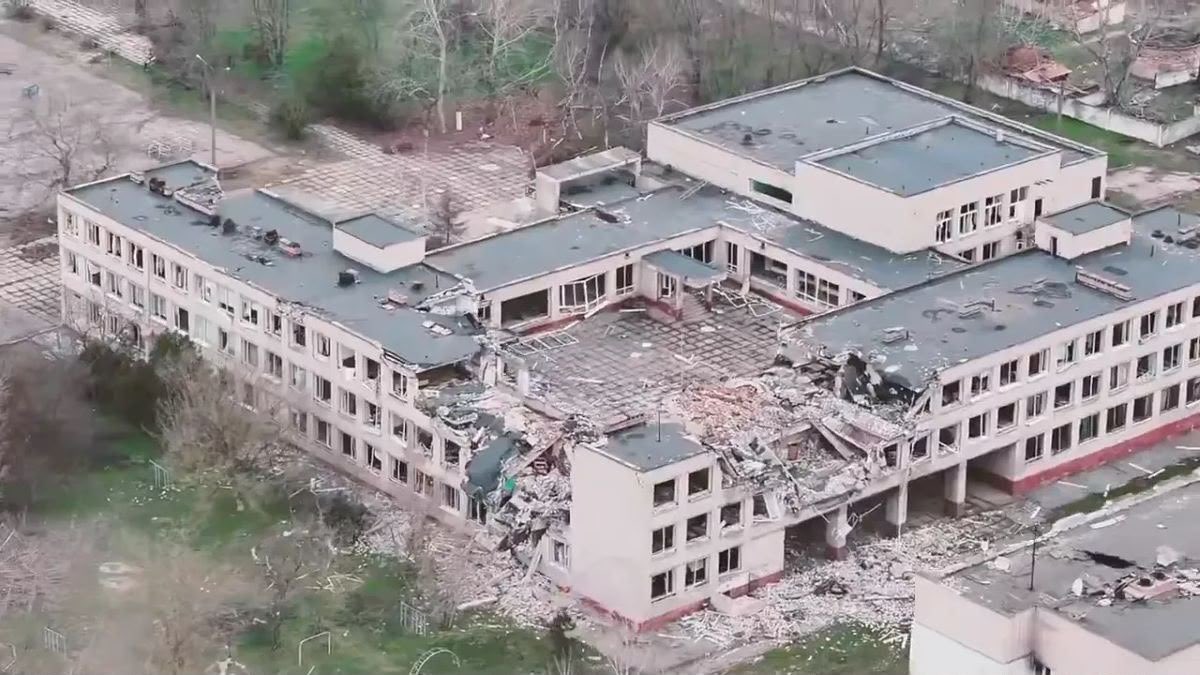
At the same time, he stressed that the country’s reconstruction needs remain enormous. According to World Bank estimates, they exceed $580 billion. This makes Ukraine’s reconstruction not only a major challenge but also a significant investment opportunity in sectors that will shape the country’s economic development in the coming years.
“Ukraine is not postponing reconstruction until the postwar period; we are working on it now, alongside reforms, economic adaptation, and improving conditions for investors. Today, we invite international businesses not just to observe this process, but to become full participants. For Dutch companies, this is an opportunity to invest in Ukrainian manufacturing, agricultural processing, water and energy infrastructure, logistics, and technology—in sectors that will form Ukraine’s new economy,” Vysotsky added.
The forum also introduced Dutch businesses to tools designed to simplify investment in Ukraine, including state support for projects with significant investments, development of insurance and risk-guarantee mechanisms for wartime risks with participation from international financial institutions, and more.
A separate discussion focused on launching new joint investment projects in Ukraine. Sectors with the greatest potential for partnership include the agri-food sector and processing, water management and irrigation, energy, green modernization, and logistics and port infrastructure. These areas could form the basis for practical cooperation between Ukraine and the Netherlands, simultaneously supporting the country’s reconstruction and long-term economic growth.
The Ukraine–Netherlands Business Forum confirmed international businesses’ readiness to participate in Ukraine’s reconstruction and opened new opportunities for implementing joint investment projects in priority economic sectors.