

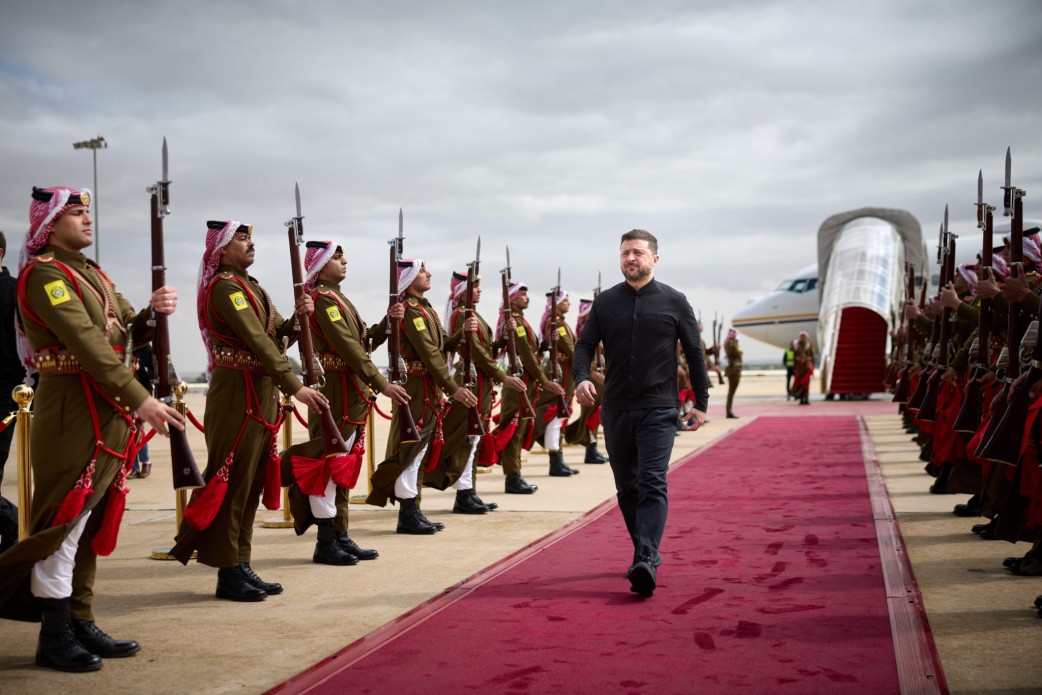
President of Ukraine Volodymyr Zelenskyy conducted working visits to countries in the Middle East and held talks with the leaders of Saudi Arabia, the United Arab Emirates, Qatar, and Jordan. The main topics discussed with the regional leaders were security and mutual support for Ukraine’s partners in the region.
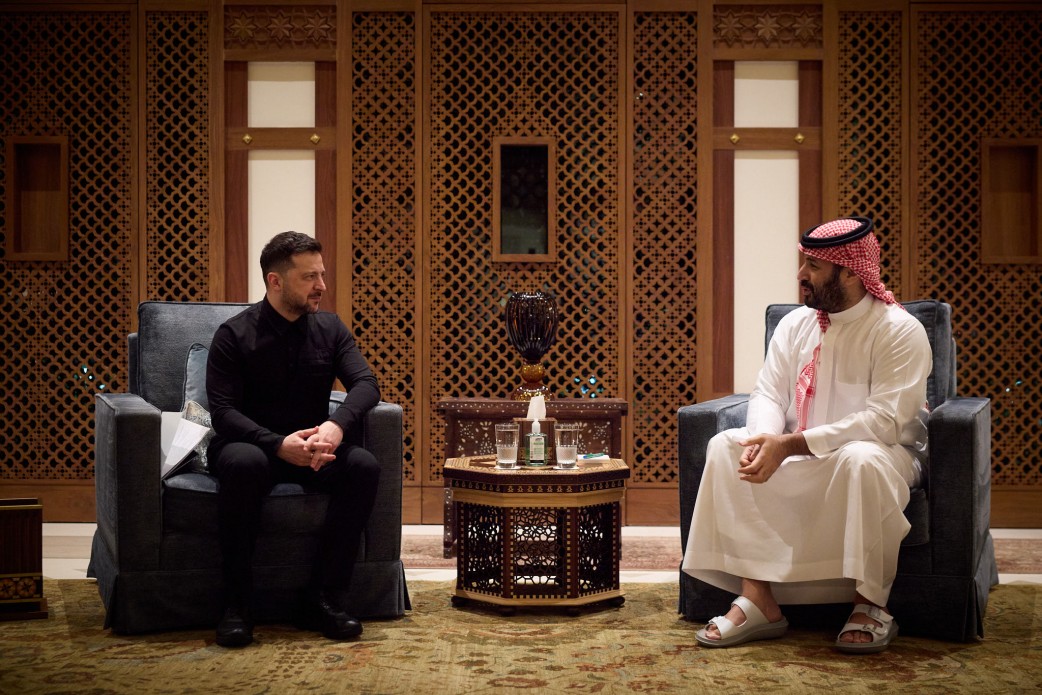
On March 27, Volodymyr Zelenskyy arrived in Jeddah, where he met with the Crown Prince of Saudi Arabia, Mohammed bin Salman. The leaders discussed steps to strengthen cooperation between Ukraine and Saudi Arabia. Prior to the meeting, the defense ministries of both countries signed an agreement on defense cooperation, laying the foundation for future contracts, technological collaboration, and investments, and reinforcing Ukraine’s role as a security contributor.
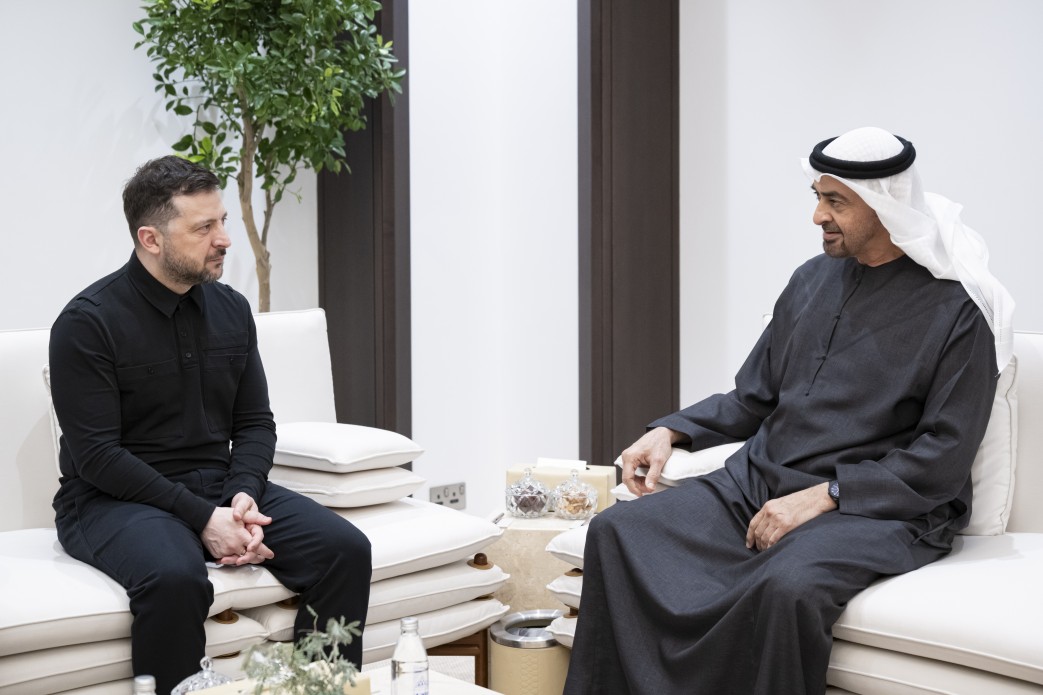
On March 28, the President arrived in Abu Dhabi, where he met with the President of the United Arab Emirates, Mohammed bin Zayed Al Nahyan. The heads of state discussed joint efforts to protect lives and potential measures to respond effectively to current challenges. Ukraine and the UAE agreed to cooperate in security and defense, with teams finalizing the details of the agreements.
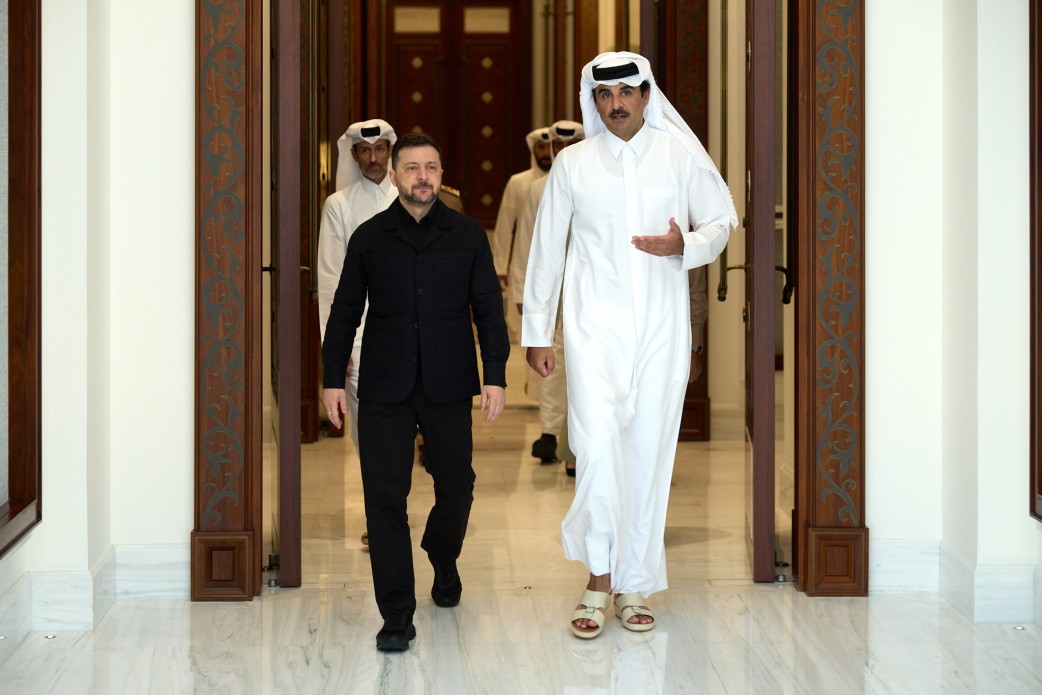
On March 29, Zelenskyy arrived in Doha, where he met with the Emir of Qatar, Tamim bin Hamad Al Thani, and Prime Minister Mohammed bin Abdulrahman Al Thani. They discussed measures to enhance protection of life in both countries. The chiefs of the general staffs of Ukraine and Qatar signed a ten-year intergovernmental agreement on defense cooperation, which includes joint projects in the defense industry, creation of co-production facilities, and technological partnerships between companies.
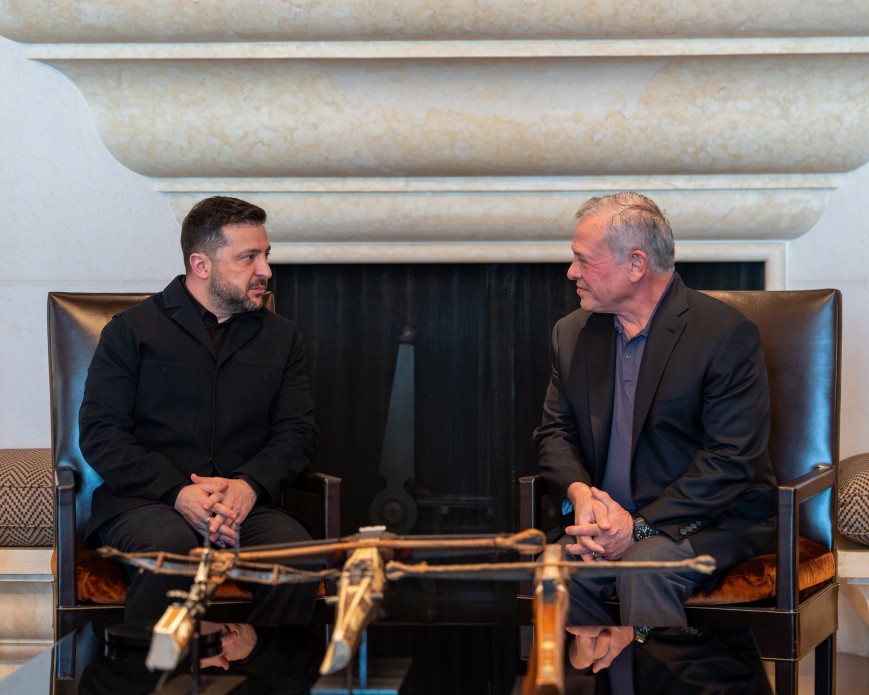
Later on March 29, the President arrived in Amman for a meeting with King Abdullah II. They discussed potential security partnerships and the overall situation in the Middle East and the Gulf region.
“At every meeting, we heard that Ukraine is a genuine partner. Despite being under Russian attacks every day, Ukrainians are ready to share their experience and help. But we are talking about cooperation not just for now. President Zelenskyy raises the issue of partnerships for years to come. This is not only in defense but also in energy. For example, we have some of the deepest underground gas storage facilities. I also believe there will be greater understanding in international forums. Countries in this region will always remember the help they received and that President Zelenskyy was among the first to visit them during the war,” said Serhiy Kyslytsia.
During these visits, the President also met with three teams of Ukrainian experts who are sharing their expertise in Saudi Arabia, the UAE, and Qatar. He heard reports on critical infrastructure protection, capabilities for safeguarding people, approaches to intercepting ballistic missiles and drones, and proposals for necessary changes to build a comprehensive defense system.
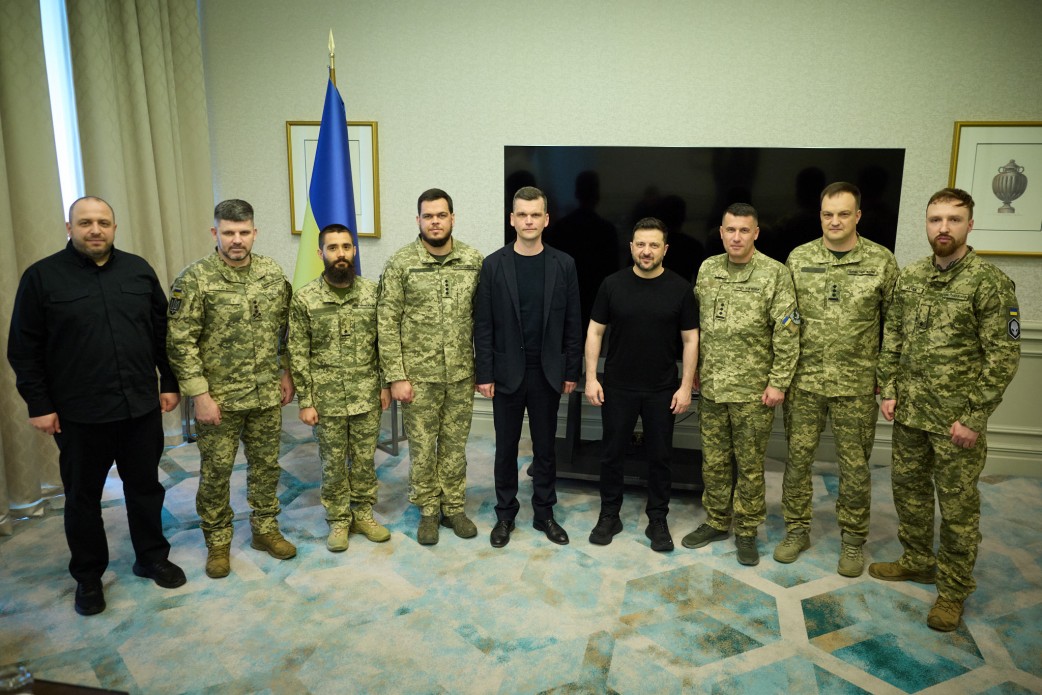
“Everyone in this region has already understood that simply having the most modern weapons is not enough. When you have weapons but lack real combat experience and understanding of how to integrate all components into a single defense system, you cannot effectively protect lives. Ukraine has practical experience using unique developments that have proven effective in real conditions. We also face challenges from Iranian ‘Shahed’ drones and similar Russian-made systems, and we constantly develop and implement rapid solutions that deliver immediate combat results. Ukrainian experts are now sharing this experience in the region, and it was important for the President to hear their results personally,” noted Andriy Hnatov.
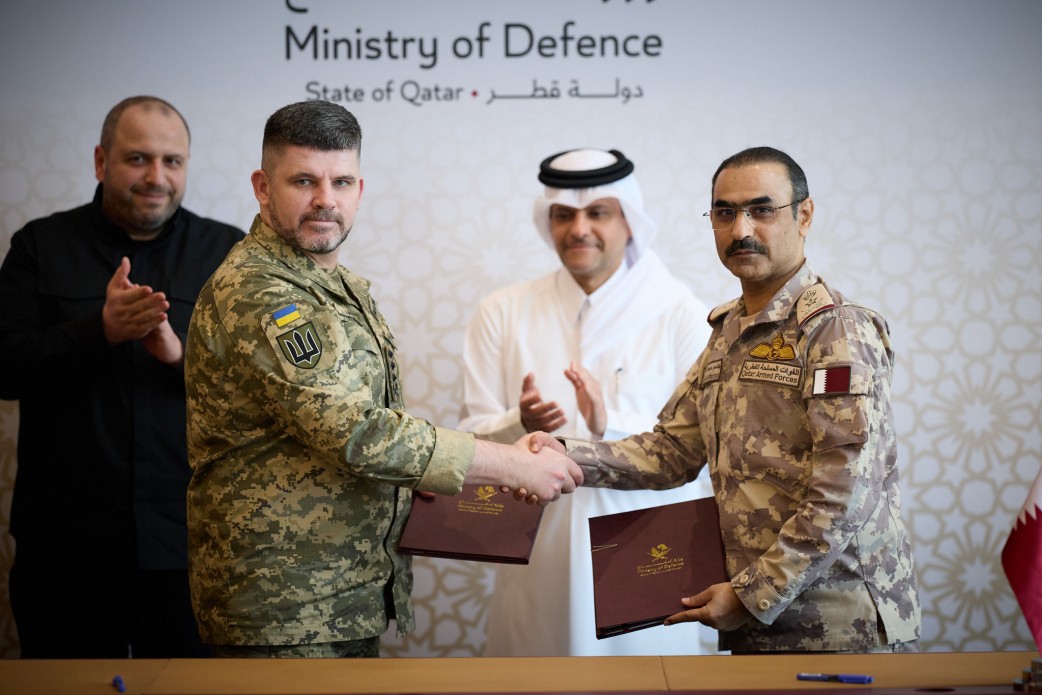
President Zelenskyy tasked Rustem Umerov to remain in the Middle East and the Gulf region to finalize agreements with partners.
“During the President’s visit, we signed important agreements in security and defense cooperation. I will continue working in the region to coordinate the implementation of these agreements. This involves the practical deployment of security solutions, including countering aerial threats, as well as further synchronizing work with partners at the level of military and technical teams,” Umerov concluded.