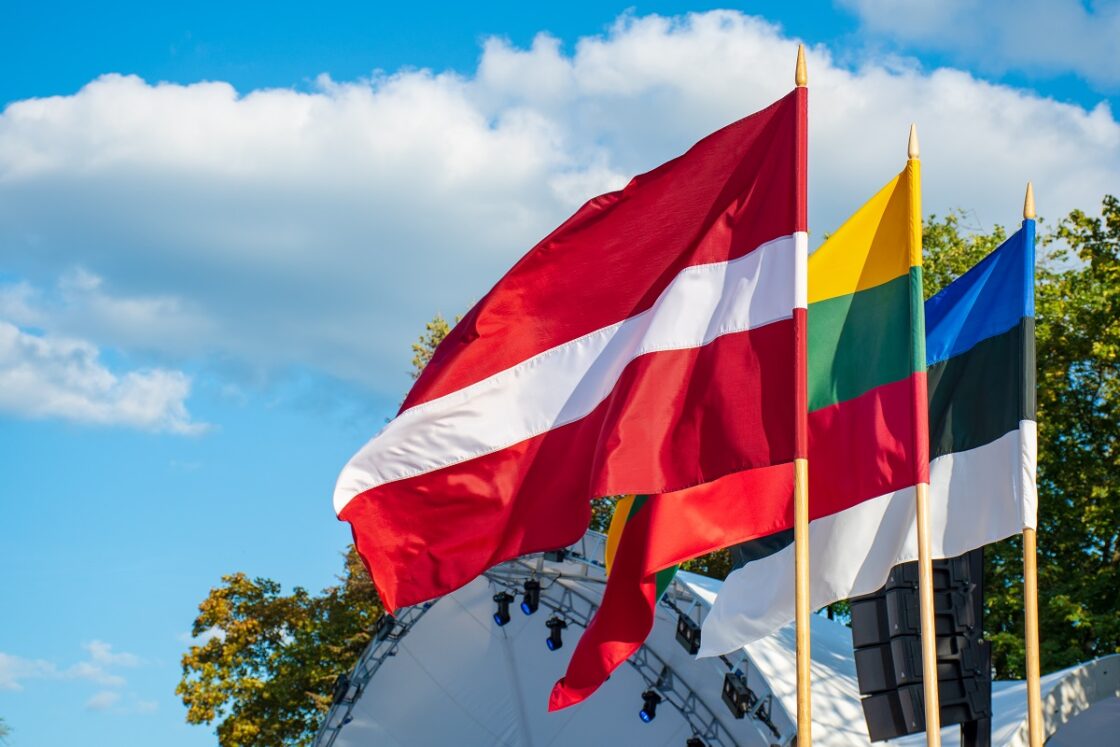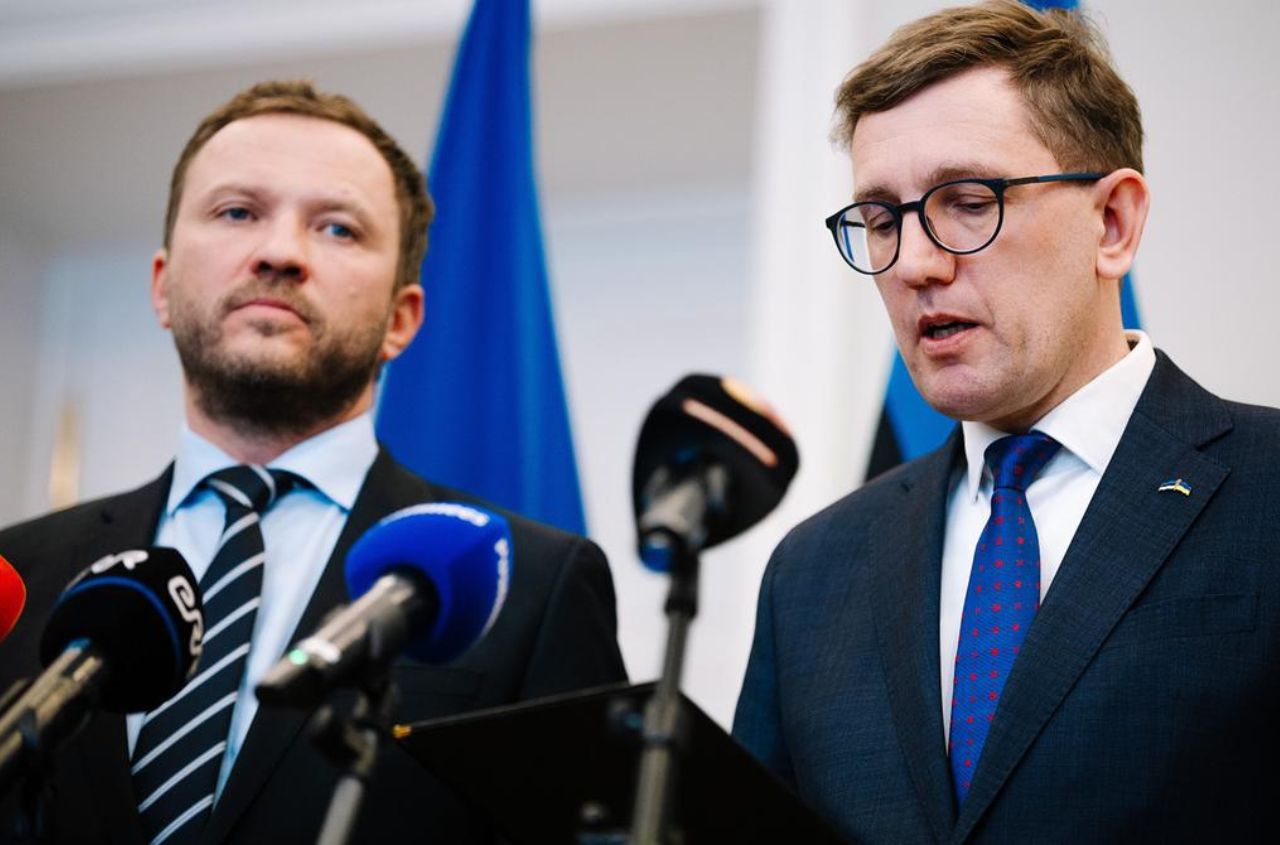


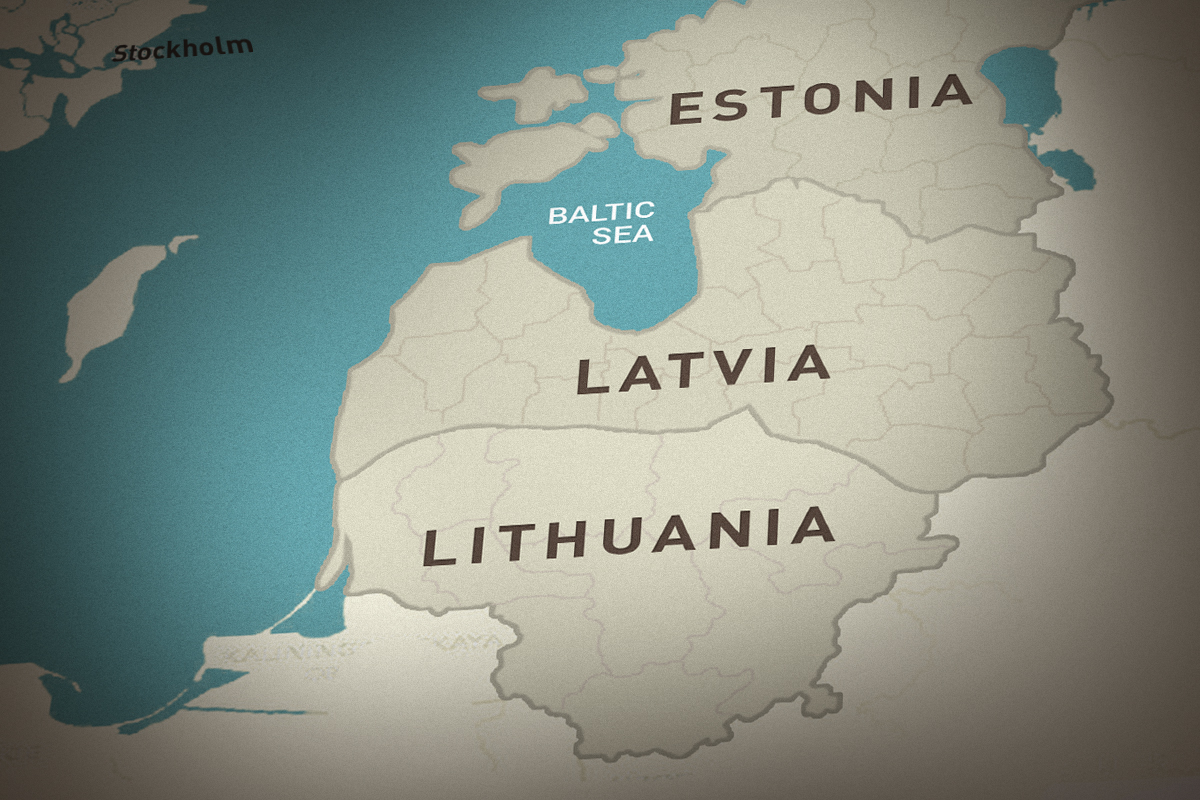

Russian propaganda is actively trying to challenge the legality and independence of the Baltic states by spreading videos and articles on social media that question the alleged “uncertain” sovereignty of Lithuania, Latvia, and Estonia.
Fact-checkers from the Detector of Lies project analyzed these materials and showed that they are based on crude manipulation. Pro-Russian authors deliberately distort concepts: instead of referring to the historical fact of the restoration of independence, they speak of an “illegal secession from the USSR,” misrepresenting international documents in order to justify the Soviet annexation, according to Delfi.
The main arguments of propagandists claim that the “Baltic republics violated Soviet legal procedures” and that the “Helsinki Final Act” supposedly permanently legitimized the borders of the USSR. Experts describe this as a clear attempt at information influence.
The authors of such publications rely on Soviet-era laws and distort international agreements in order to create an illusion of legal vulnerability of the Baltic states. They attempt to place internal Soviet legislation above the fundamental principle of international law—non-recognition of territorial acquisition by force.
In reality, the legitimacy of Lithuania, Latvia, and Estonia is based on the continuity of their statehood, which was unlawfully interrupted in 1940.
The incorporation of the Baltic states into the USSR in the summer of 1940 was the result of military occupation made possible by the secret protocols of the Molotov–Ribbentrop Pact. International law is clear: no legal right can arise from an unlawful act. For this reason, the United States and many other countries never recognized these territories as part of the Soviet Union.
According to the Welles Declaration, Washington maintained diplomatic relations with the independent governments of Estonia, Latvia, and Lithuania throughout the occupation, and their state assets abroad were preserved under their legitimate authorities.
Later, the Council of Europe also explicitly recognized the incorporation of the Baltic republics as an act of violence and occupation.
Based on this, in 1990–1991 the Baltic states did not “leave” the Soviet Union but restored their independence on the basis of legal continuity. Claims based on the Soviet law on secession of April 3, 1990 are considered incorrect, as that law applied only to republics that had voluntarily joined the USSR.
The Baltic states, however, were restoring sovereignty that had been taken by force, as reflected for example in Lithuania’s Act of March 11, 1990.
The weakness of the Kremlin’s position is also supported by internal Soviet documents. On December 24, 1989, the Congress of People’s Deputies of the USSR officially declared the secret protocols of 1939 legally void from the moment of their signing. If the protocols were illegal, then the 1940 annexation had no legal basis.
Furthermore, Russia’s own leadership recognized the sovereignty of its neighbors even before the collapse of the USSR. On January 13, 1991, Boris Yeltsin signed a declaration of mutual recognition of sovereignty with the Baltic states in Tallinn. In July of the same year, a detailed treaty between Lithuania and the RSFSR was signed, and in September the independence of the three republics was officially recognized by the State Council of the USSR.
As for the Helsinki Final Act, its use to justify annexation is described as a long-standing Soviet myth now echoed by Russia. The principle of inviolability of borders in the Act prohibited the use of force to change borders, but also explicitly allowed peaceful changes by mutual agreement and affirmed the right of peoples to self-determination.
Attempts to argue for the territorial integrity of the USSR while ignoring the prohibition of forcible annexation are described by experts as a distortion of international law used in Russian state media narratives.