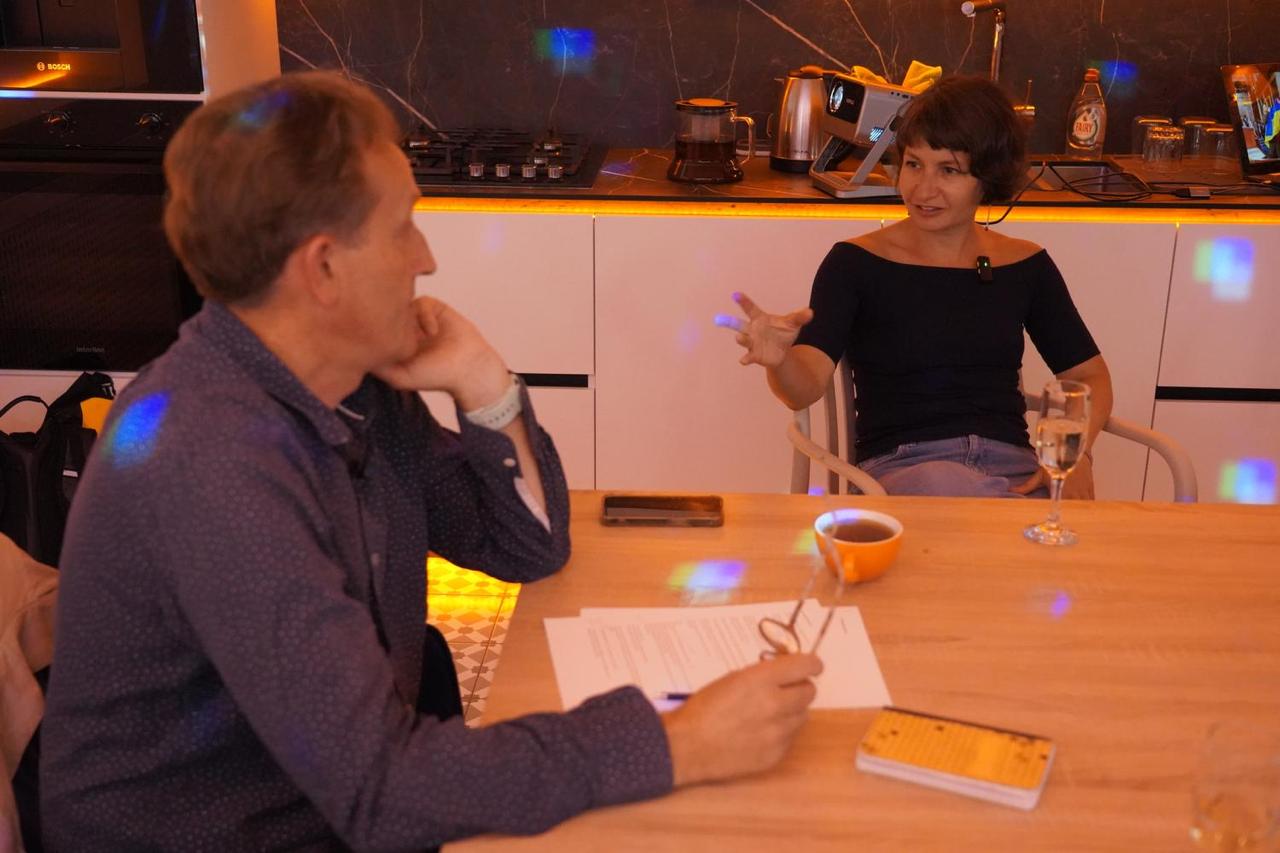


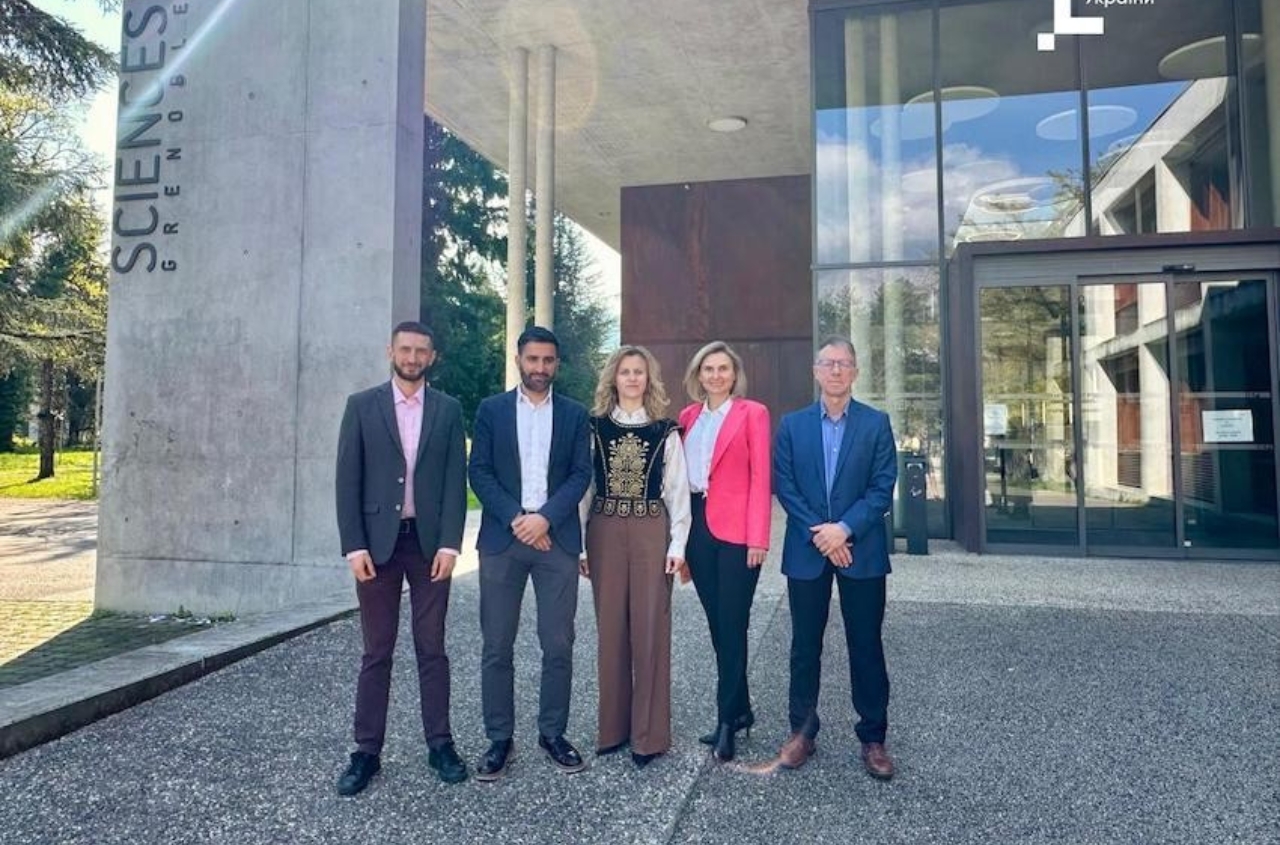
From March 24 to 31, Ukrainian Week took place in France — a series of academic and public events focused on the development of Ukrainian studies, historical memory, diplomacy, culture, and partnerships. It was initiated by the Global Coalition of Ukrainian Studies (GCUS) and the President of Ukraine’s Fund for Support of Education, Science, and Sports. Throughout the week, events, lectures, and historical discussions were held at the Grenoble Institute of Political Studies, the University of Lorraine, the Center for International Mobility, the Ukrainian Cultural Center in Paris, the National Institute of Oriental Languages and Civilizations, and the Sorbonne.
For decades, Russia used a network of its institutions to spread its narratives, funding Western “Russian studies” programmes where European students studied Ukrainian history and culture using Russian textbooks. Ukraine’s counter-strategy promotes the study of Ukrainian language, culture, and history without distortion.
“Academic cooperation helps the world see Ukraine not through чужі imperial stereotypes, but as an independent part of European civilization that has much to offer global scholarship. The truth about Ukraine, embedded in university programmes and academic research, is the most reliable protection against propaganda, one that will work for years to come,” said Olha Budnyk, advisor and authorized representative of the President of Ukraine for the President’s Fund for Support of Education, Science, and Sports.
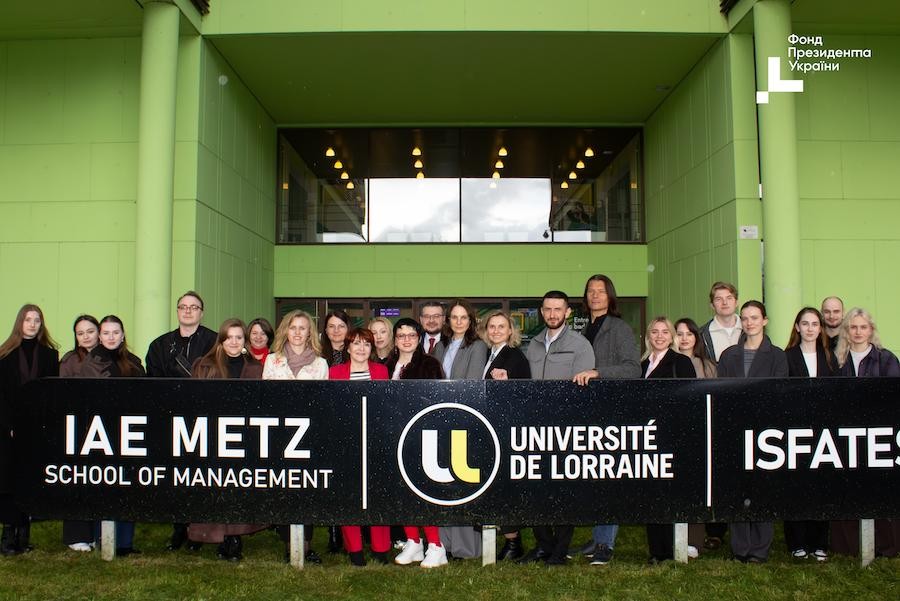
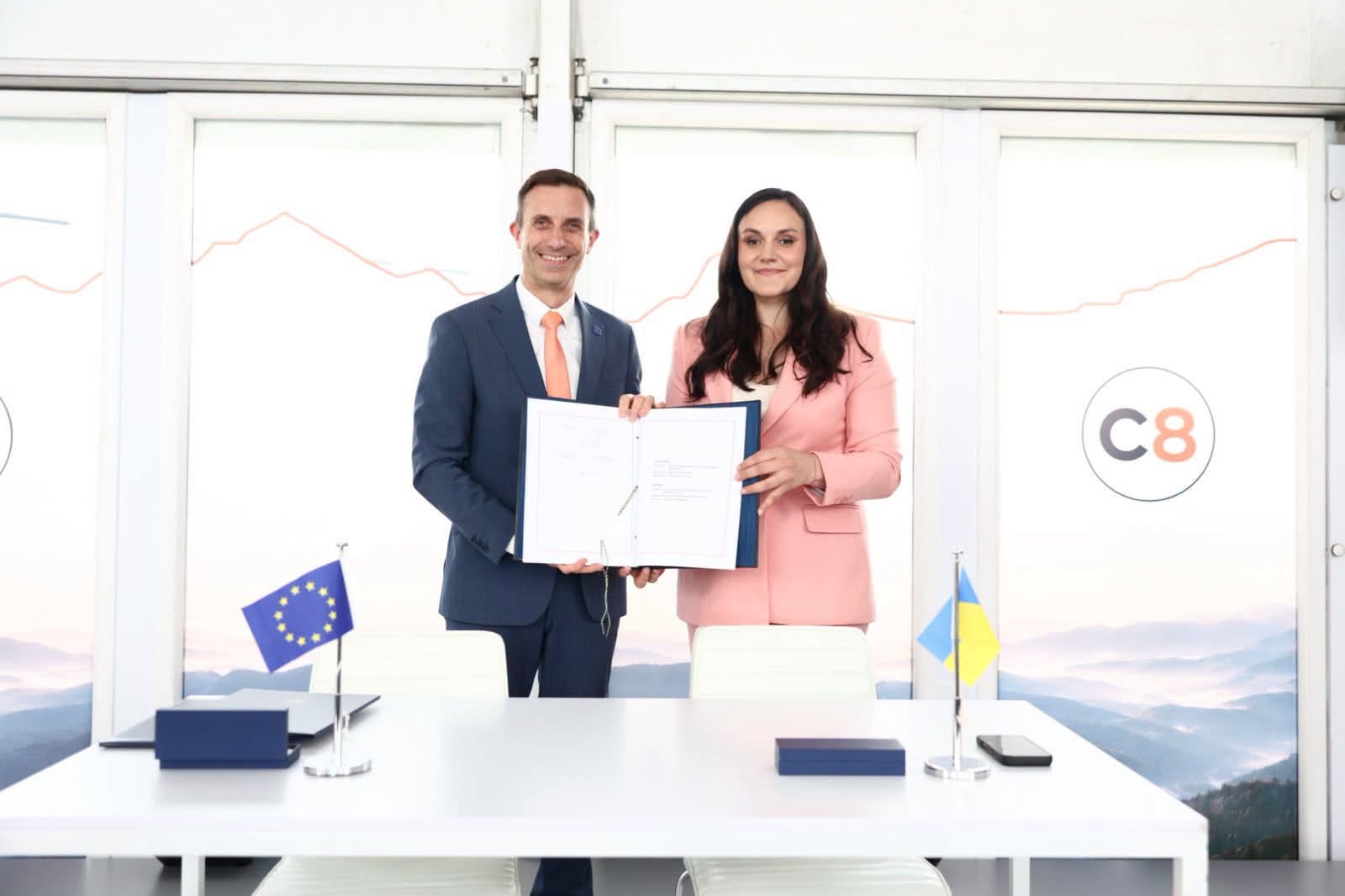
During Ukrainian Week, memorandums of cooperation were signed between GCUS and Lumière University Lyon and the University of Bordeaux. The partnerships include the exchange of academic data, the launch of joint courses, research projects, conferences, and public events. The director of the Grenoble Institute of Political Studies, Simon Persico, also signed an official letter of intent to cooperate with the Global Coalition of Ukrainian Studies. As a result, the total number of French universities participating in GCUS has grown to 16.
“I am grateful to all partners who understand the importance of developing Ukrainian studies in their universities. Today, France is a leader in the number of signed memorandums, which reflects growing interest in Ukraine and a willingness to study it more deeply. This means that even more students and researchers around the world will have the opportunity to engage with Ukraine directly — its language, history, and culture. At the same time, this is an effective response to years of Russian disinformation. This is precisely the goal of the Global Coalition of Ukrainian Studies — to build deep and reliable knowledge about Ukraine worldwide,” emphasized First Lady Olena Zelenska.
The Global Coalition of Ukrainian Studies is a state initiative operating under the patronage of the First Lady of Ukraine. GCUS brings together 74 participants from 26 countries, with another 130 foreign institutions expressing their intention to join.