

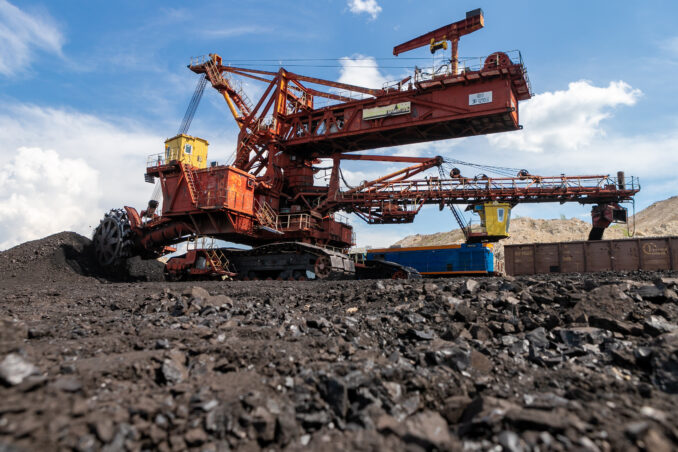

Losses in Russia’s coal industry in 2026 could reach $7.1 billion—41% higher than the previous year. This is happening amid a persistent toxic combination of factors: a high key interest rate set by the Russian central bank, depreciation pressure on the ruble, and chronically low export prices, leaving the sector with no room to maneuver.
As of March 2026, 62 Russian coal mining enterprises are in the “risk zone.” Of these, 20 have already halted production, and 15 have decided to suspend operations or fully liquidate. The industry’s total debt has exceeded $18.5 billion—an increase of $3.7 billion since July 2025 alone. The debt burden continues to grow while the means to service it are disappearing.
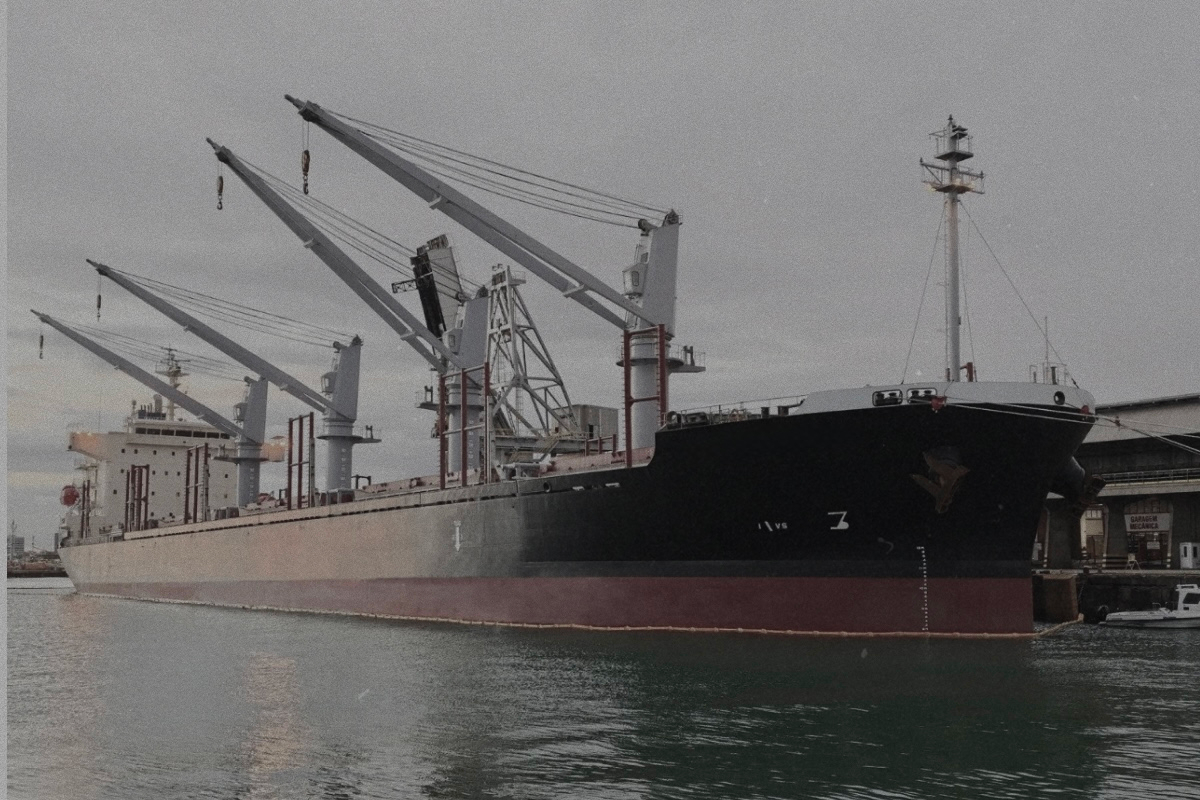
The causes are systemic and have no quick solutions. Domestic demand is declining. In Asian markets—the key destination after the loss of European markets—Russia is losing competition to Indonesia and Australia. Logistics costs are rising due to higher freight rates, while the Russian central bank’s tight monetary policy is further eroding the profitability of already loss-making enterprises.
Since 2022, prices for Russian coal have fallen by 35–50%, depending on the export port. The steepest declines have been recorded in the Far Eastern and Baltic directions—precisely the routes that were meant to compensate for the loss of Western markets. Production volumes have been steadily decreasing since 2022.
The industry has entered a phase of structural crisis from which there is no exit through simple price increases. Even partial market stabilization will not restore profitability—the accumulated debt burden is too large, costs are rising too rapidly, and lost markets are too irreversibly gone. In the medium term, Russia will either be forced to increase discounts on coal, effectively turning it into a loss-making export, or seek even less profitable markets. Both scenarios point to the same outcome: Russia’s coal industry is in decline with no realistic prospects for recovery.