

Will Central Asia seize the historic opportunity? As is known, the EU has imposed sanctions on Russian metal products. Who has captured this “lucrative” European segment?
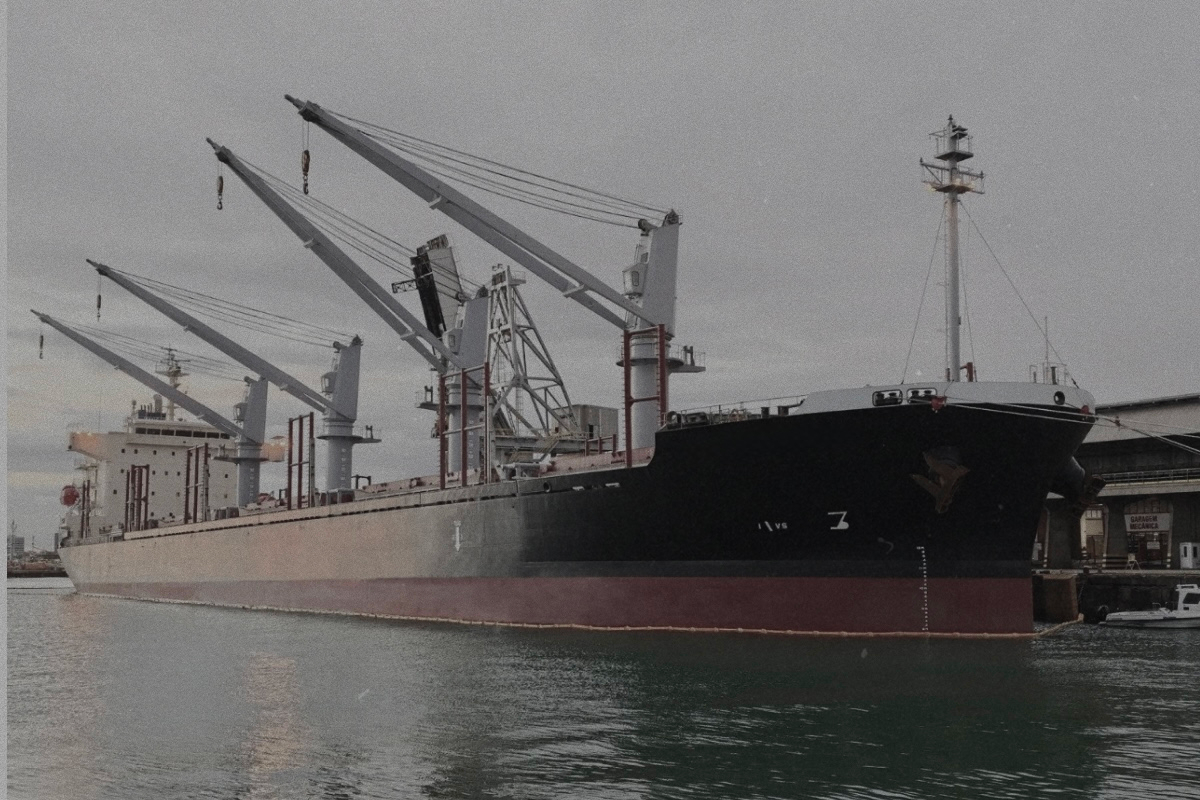
In January 2026, Russia still somehow exported €66 million worth of metal to the EU. In December last year, it was around $200 million. However, the share of Russian metal exports in the EU is minimal.
In January 2026, the EU imported $3 billion worth of ferrous metals (over 4 million tons). Unfortunately, Ukraine is not among the leaders in metal exports to the EU.
The “Russian segment” in the European market was captured (January 2026 data) by:
- Turkey – 823 thousand tons
- China – 520 thousand tons
- India – 412 thousand tons
- South Korea – 340 thousand tons
- Vietnam – 316 thousand tons
In other words, the European metal market has been taken over by Asia.
And what about Ukraine?
Flat-rolled product exports from Ukraine in January–February 2026 fell by 60%, and more than half of Ukraine’s metal market is now imported.
In January 2026, Ukraine supplied only 180 thousand tons of rolled metal to the EU. A severe blow to the Ukrainian metallurgical industry was dealt by the new European SWAM tax, which I wrote about recently. The metal intensity of the Ukrainian economy is also declining – domestic metal consumption dropped by 27% while imports increased by 52%. This also indicates a weak correlation between the growth of the defense industry and the overall economic dynamics. This is not surprising if we recall the president’s words about “10 defense enterprises from Ukraine operating abroad.” This means that these companies pay taxes abroad, create jobs there, and “move GDP” in foreign countries.
In January, Ukrainian metal enterprises produced 406 thousand tons of rolled metal (85% of January 2025 levels) and exported 300 thousand tons. Compared with January 2025, Ukrainian companies have lost not only part of their EU export segment but also part of the domestic market (27%). Exports went to the EU (65%), non-EU European countries (19%), and Africa (9.3%). Ukraine imports 42% of rolled metal from non-EU European countries, 30% from Asia, and 19% from the EU.
The reasons for the sharp decline in the global competitiveness of the Ukrainian metallurgical industry are clear:
- A sharp rise in energy prices
- The SWAM tax in the EU (here, the failure lies with our officials – Ukraine should have secured an exemption)
- Lack of correlation between the metallurgical industry and state programs in defense, construction, and reconstruction
Regarding the third point – this reflects a crisis in the economic development model during wartime, where defense factories with state orders are located abroad, few major protective structures are built, and there are limited secure industrial facilities.
Overall, Asia has gained the most from Russia’s war against Ukraine:
- Cheap energy resources from Russia
- The role of an anti-sanctions hub (for example, in Kyrgyzstan)
- Shift of global investment projects from Eastern Europe to Central Asia
- Geopolitical stability and “soft power” to attract foreign investment
- Capturing the EU market, which is lost by Russia due to sanctions and by Ukraine due to the war
Historically, Argentina had a similar start during World War I and II (through food exports). However, Argentina later squandered that capital.
What will happen with Central Asia remains to be seen: whether it will seize the opportunity or not. For now, everything points to this region becoming a cluster of dynamic development.
In terms of post-Soviet investment, Central Asia has long been in Ukraine’s shadow, which had a better industrial base, powerful nuclear energy, and a higher human capital index. We should also consider Ukraine’s access to the sea, which Central Asia lacks (the Caspian Sea does not count). But now, most of these advantages belong to the past.
Central Asia is building nuclear energy from scratch, constructing hundreds of new industrial facilities, developing logistics, and investing in education and science. Much of it is from the ground up. And the key factor is its role as a link between civilizations – a function as an inter-civilizational bridge and hub.
Relying on "soft power," emphasizing regional stability, and avoiding risky geopolitical ventures. In simple terms: less globalism and grandstanding, more regional focus, development, and stability.