

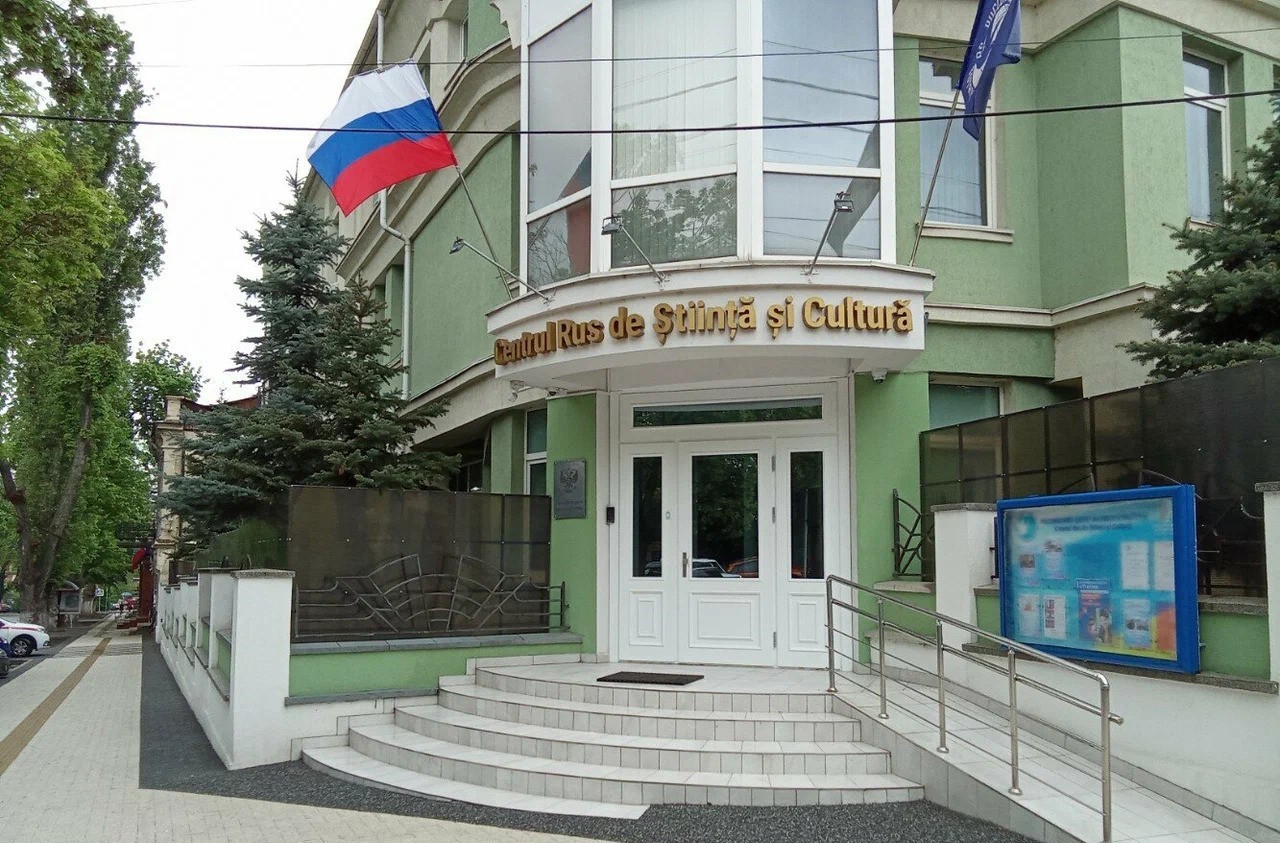

In Moldova, the Russian Center for Science and Culture, commonly known as the “Russian House,” has officially ceased operations after being shut down by the authorities due to serious suspicions of links to Russian intelligence networks.
On Saturday, July 4, 2026, the institution in Chișinău announced the complete termination of its activities, citing a decision by the Moldovan government. The information was reported by NewsMaker.
The Russian Embassy in Moldova also confirmed the closure of the “Russian House” as of July 4 and stated that part of its cultural and educational functions will now be transferred to the cultural department of the diplomatic mission itself. Russian diplomats emphasized that they will continue to prioritize strengthening traditional Russian–Moldovan ties, adding that “no restrictions or pressure measures can weaken the enormous interest in Russian culture, which has always served the cause of peace and mutual understanding between peoples.”
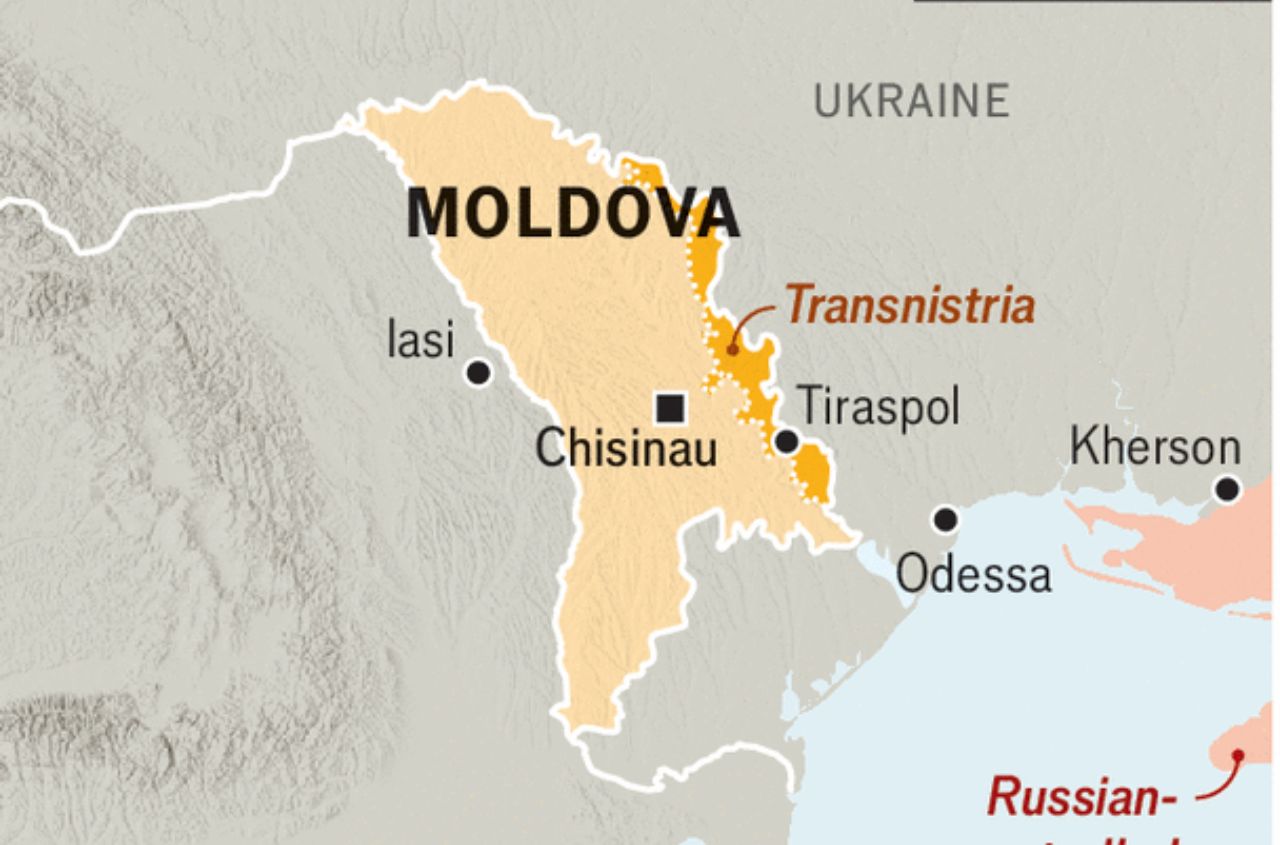
Against the backdrop of the center’s closure in Chișinău, tensions have escalated around Transnistria. The head of foreign affairs of the unrecognized PMR (Transnistria), Vitaly Ignatiev, immediately stated that Tiraspol intends to open its own “Russian center” in the Transnistrian region. According to him, the move is intended to help the region counter what he described as attempts to limit Russia’s presence.
However, Moldova’s Reintegration Bureau quickly responded, stating that Transnistrian representatives have no legal authority to make such decisions. Deputy Prime Minister for Reintegration, Valeriu Chiveri, explained that opening such a facility in Transnistria without an official bilateral agreement would not contribute to cooperation between Russia and Moldova. He noted that such a center would require an interstate treaty, as was the case when the original institution in Chișinău was established.
Moldovan officials also explained the reasons behind the decision to shut down the center. Culture Minister Cristian Jardan stated that the “Russian House” had been actively involved in recruiting young people to study in the Russian Federation. He warned that there is a significant risk that Moldovan students going there could be conscripted into the Russian army and sent to fight in Ukraine instead of studying.
Parliament Speaker Igor Grosu called the attempt to open a new “Russian center” in Transnistria a clear provocation by Russia. Speaking to journalists, he added that such moves are also linked to preparations for elections to the Russian State Duma scheduled for September of this year.