

In our war against the Russian forces, a turning point is approaching. But not the one everyone is thinking about. The real turning point is taking place inside Russia. The situation there is approaching the point of no return. The window of opportunity for ending the war on terms that are minimally favorable for Putin will close this autumn.
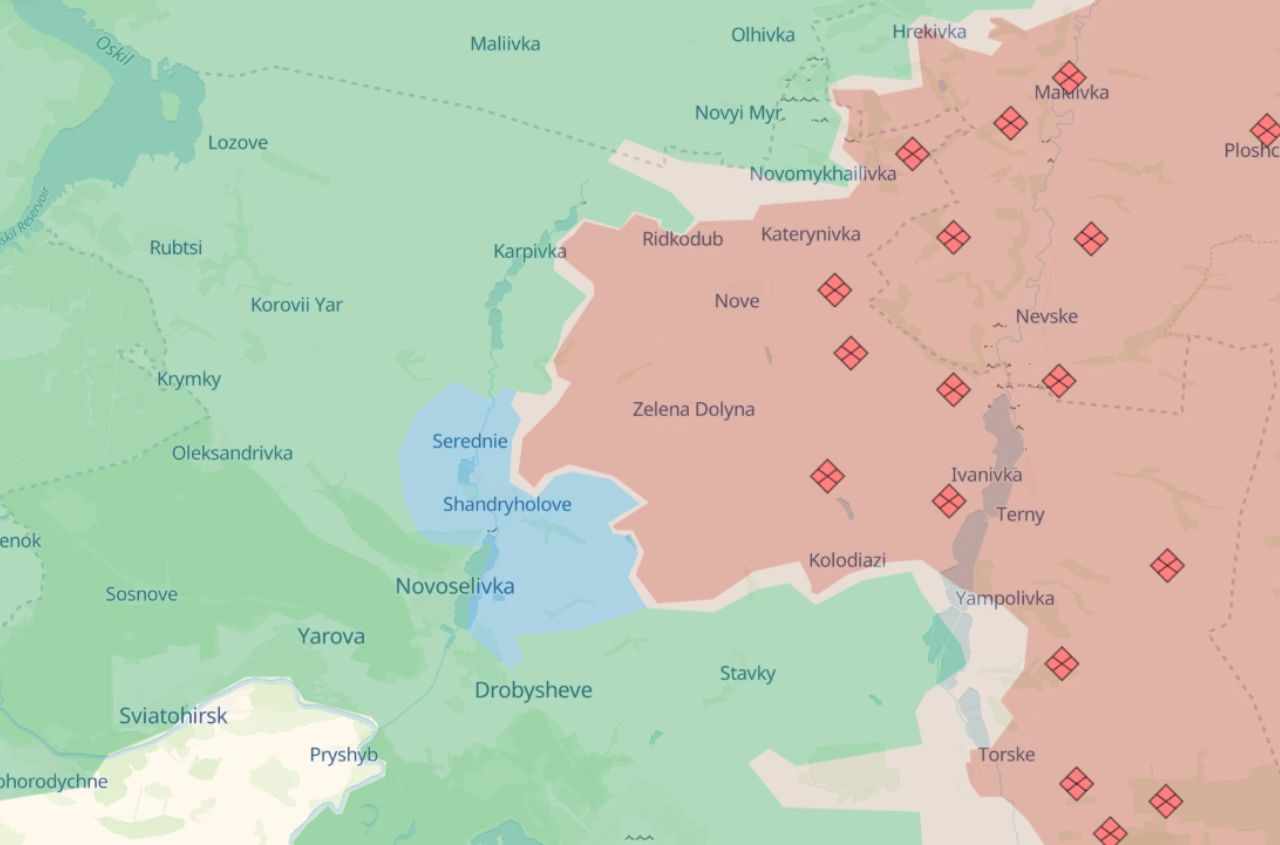
A ceasefire along the current front line is the only realistic outcome Putin can hope for. Unfortunately, it must be acknowledged that this would not look like an obvious defeat. Yes, it would be a personal defeat for him, but it would give him a chance to retain control of the situation and pull out of a potential tailspin. Freezing the war along the current front line would leave significant territories under Putin's control, including the land corridor to Crimea and the Zaporizhzhia Nuclear Power Plant, the largest in Europe. Such a halt would not mean the end of the war, nor would it allow Putin to permanently legitimize the occupied territories. However, it would give him the opportunity to keep his economy afloat, most likely regain access to global energy markets, and rebuild both the military and the economy.
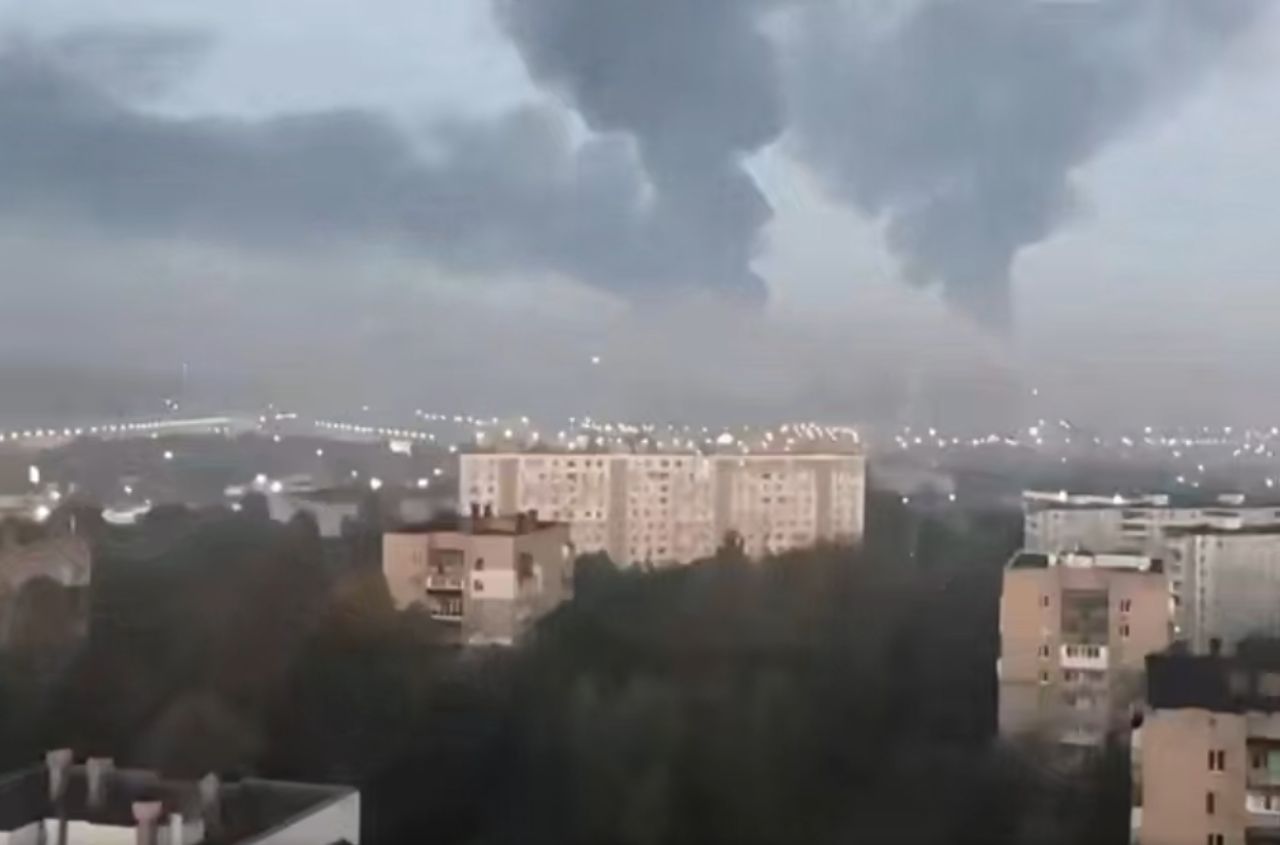
Continuing the war until a so-called victorious end is the second, and worse, option, because it is already obvious that such a victory will never come. Our strikes on oil refineries continue, and all indications suggest there will be more. While many of us may take satisfaction in seeing ordinary Russians now standing in long lines at gas stations, that is not the main point. Fuel shortages strike directly at the economy. Agriculture, transportation, product distribution, and many other sectors will suffer. In other words, on top of the already negative trends of economic decline and falling revenues, a fuel crisis will make the situation even worse. Prolonging the war will further drain a budget that is already bursting at the seams, and figures such as Gref are now openly saying that the war must be brought to an end.
The outlook for economic recovery is even bleaker. If Putin continues dragging out the war, his return to global markets will come only after those markets have been been reshaped. India, for example, which used to buy 40% of Russia's oil exports, is now signing large-scale contracts for Iranian oil. The longer Putin remains at war, the smaller Russia's share of the global oil market will become.
Finally, it will no longer be possible for him to wage the war while ordinary Russians feel none of its consequences. They already have few arguments in favor of continuing the war, and now they have even more reasons to oppose it. No, they are unlikely to revolt. Russia does not work that way. Revolutions in Russia always begin from the top. Public discontent leads someone within the ruling elite to decide to channel that anger against the tsar. That is why prolonging the war only accelerates the emergence of such a figure. After all, against the backdrop of setbacks at the front in 2023, Prigozhin emerged. And I believe the shadow of a new Prigozhin is already moving across Russia.
By autumn, Putin will have crossed the point of no return. He now faces a choice: his personal defeat or the defeat of the country.