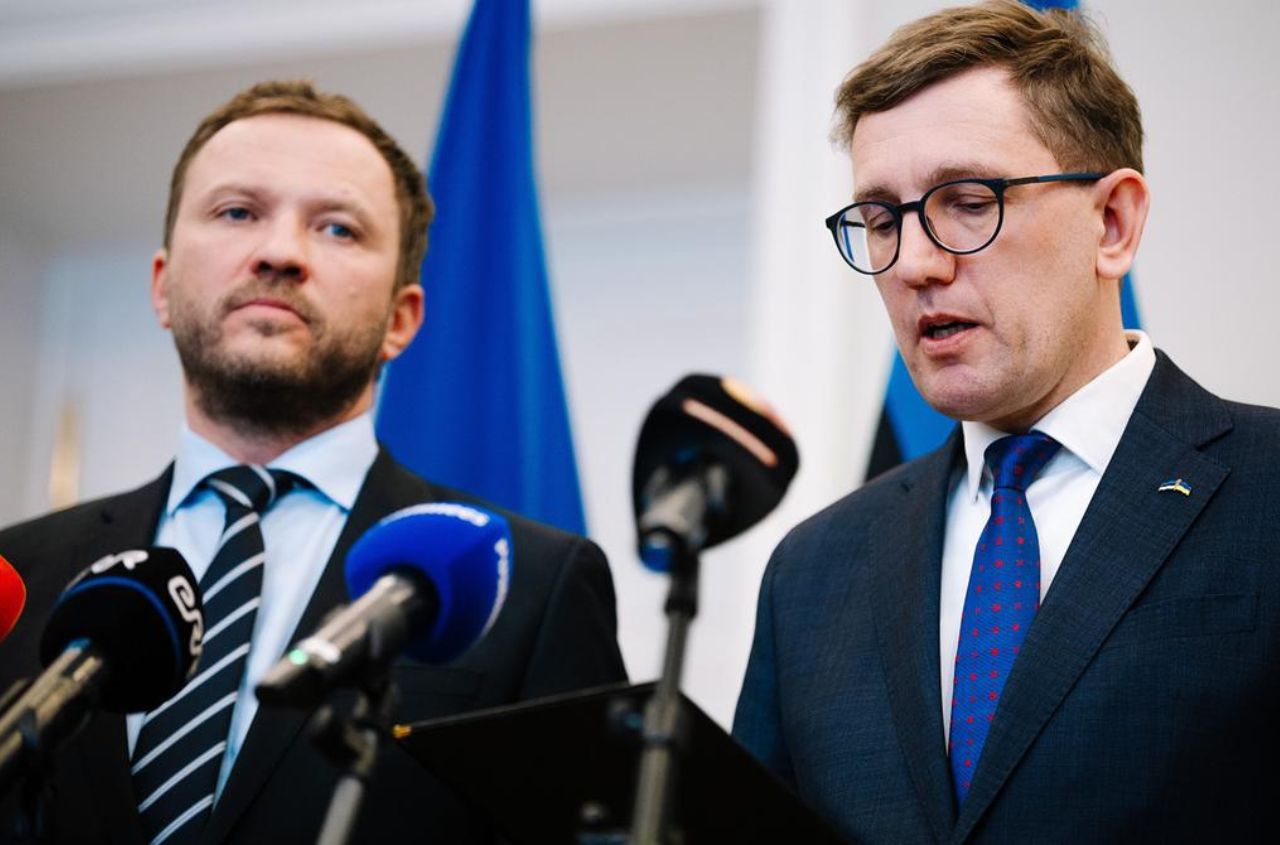


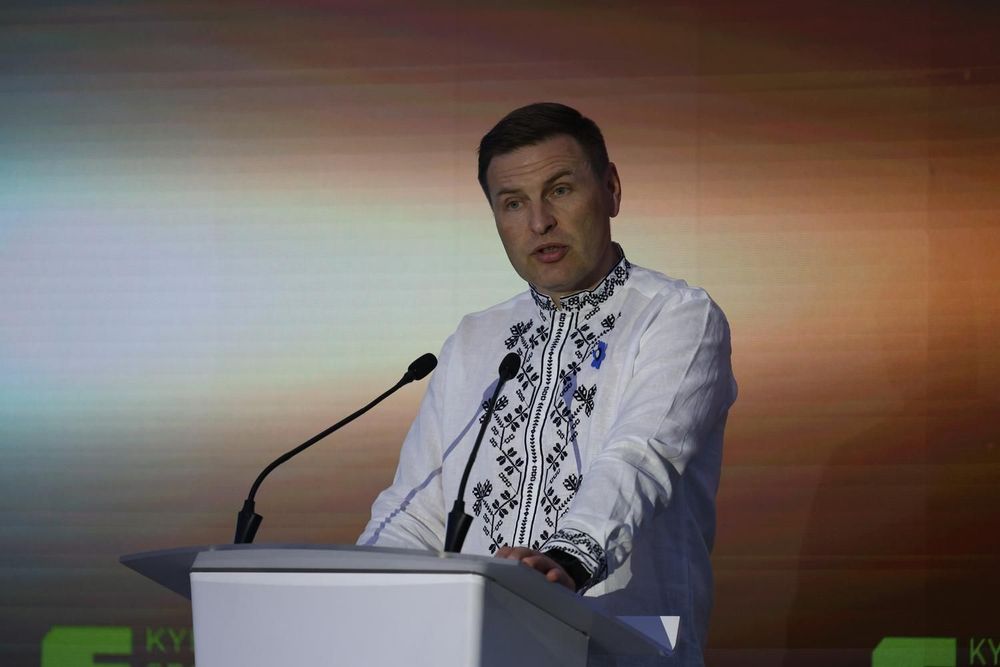

Hanno Pevkur, Estonia’s defence minister, has called on European countries to abandon what he described as lingering “illusions” that Russia could become a democratic and reliable partner, warning instead that Moscow is preparing for a prolonged confrontation.
Speaking at the Kyiv Security Forum, Pevkur said Russia shows no signs of demobilisation and is instead gearing up for long-term conflict.
“Europe must finally leave behind the illusions it once had about Russia becoming a democratic and trustworthy partner, and see the world as it is, not as it wishes it to be,” he said.
He also stressed the importance of maintaining strong transatlantic ties, expressing hope that the United States would remain a consistent partner in NATO and European security.
“Europe needs the United States, and the United States needs a stronger Europe,” Pevkur said, adding that strengthening NATO would enhance security on both sides of the Atlantic.
The Estonian minister underlined that supporting Ukraine remains a shared responsibility among international partners. He said continued assistance is essential not only for Ukraine’s self-defence but also for achieving victory.
Pevkur noted that Estonia has committed to providing Ukraine with military aid amounting to at least 0.25% of its GDP annually, and has already exceeded that level. He added that Tallinn is likely to surpass the target again this year.
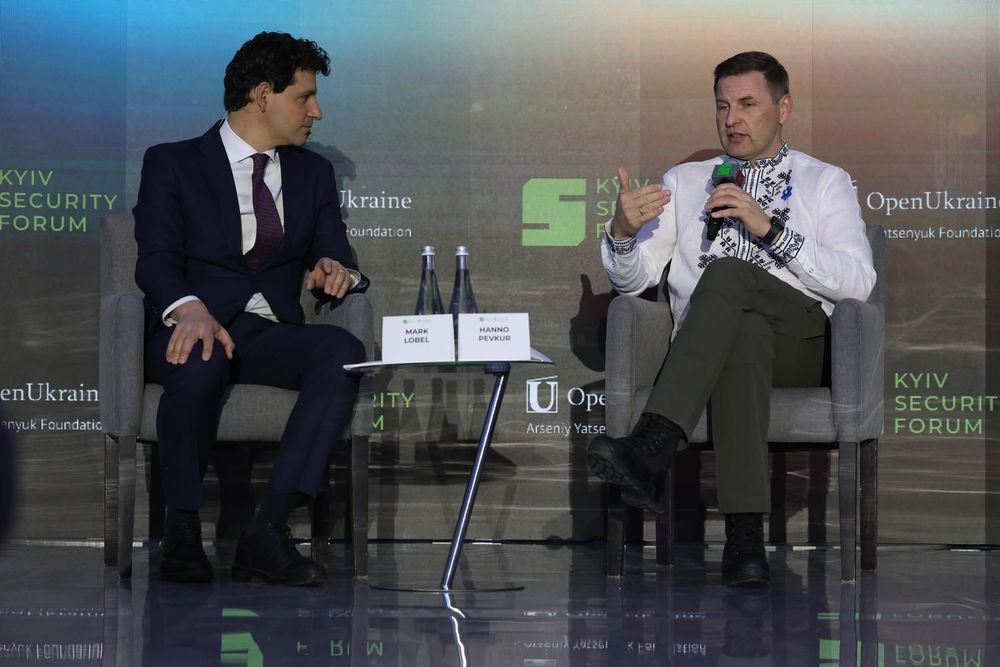
He also highlighted a recent €12 million support package delivered under the Prioritized Ukraine Requirements List (PURL), which helped ensure the continued supply of critical equipment, including from the United States.
At the same time, Pevkur expressed concern that too few countries are contributing at a similar level.
“Too few are doing a lot,” he said, adding that Estonia continues to encourage allies to match its level of support.
According to Pevkur, the strongest security guarantee for the region is a militarily strong and independent Ukraine. He reiterated Estonia’s position that Ukraine belongs in both the European Union and NATO, and warned against repeating past security arrangements such as the Budapest Memorandum, which he said failed to ensure long-term stability.