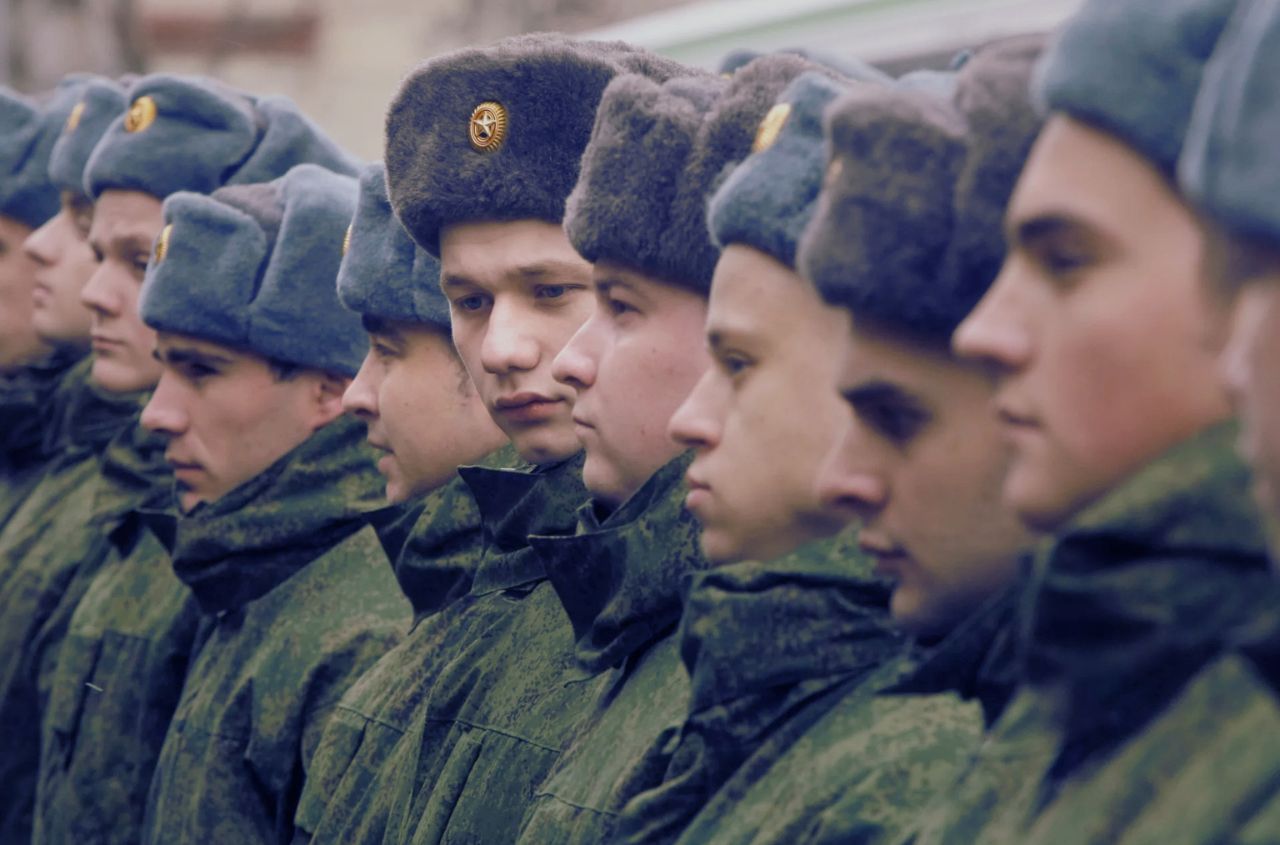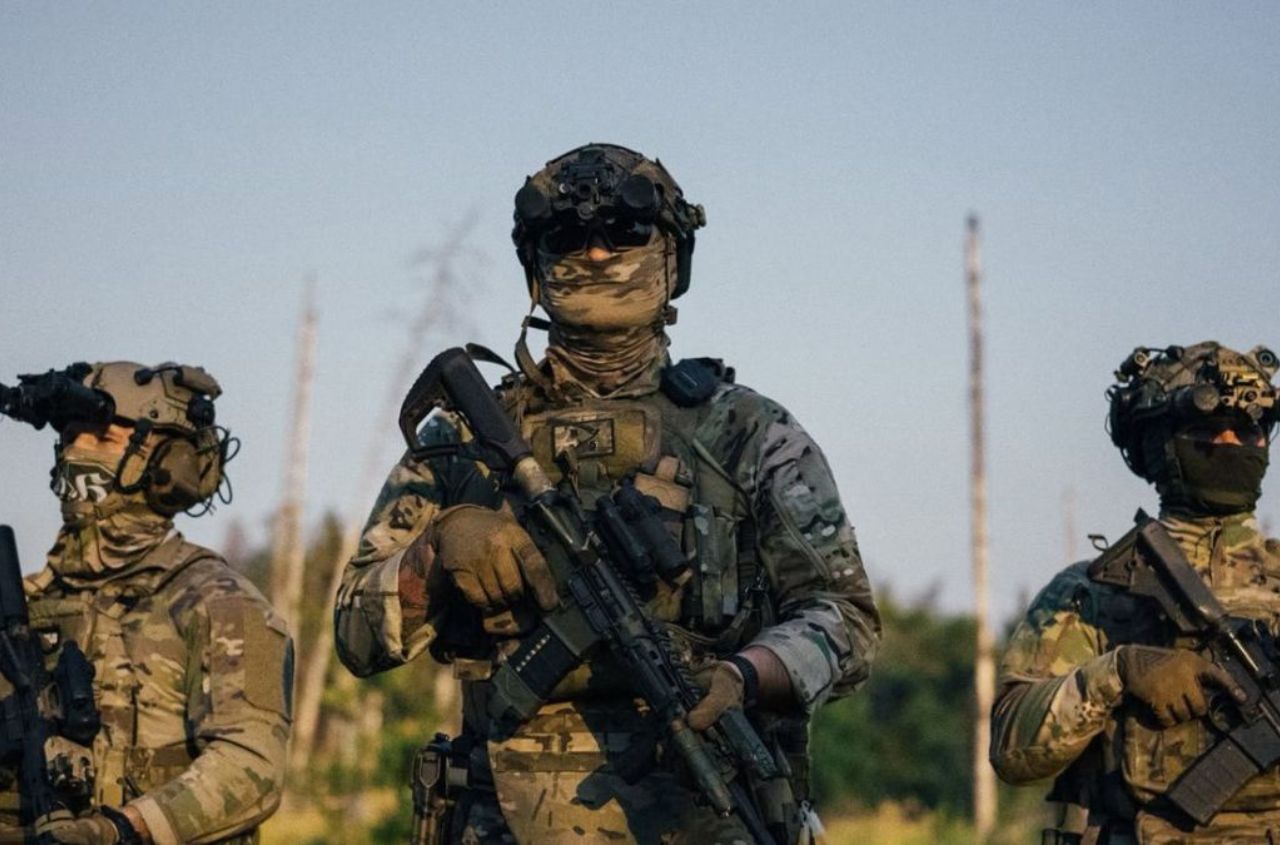


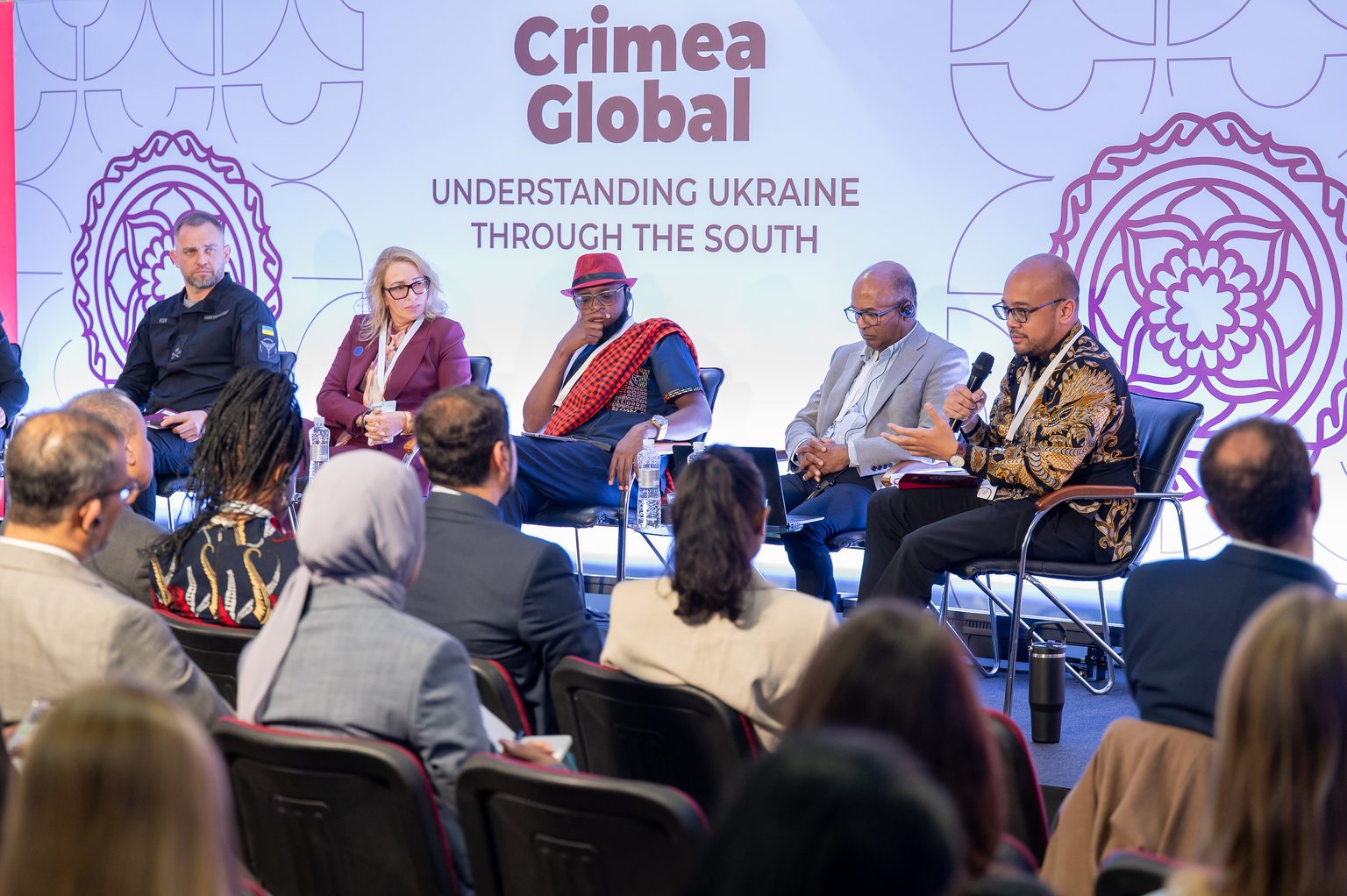
Russia's Ministry of Defence has signed contracts with nearly 46,000 foreign nationals from 151 countries since the beginning of the full-scale invasion of Ukraine, according to figures presented by Ukrainian officials at the international Crimea Global conference in Kyiv.
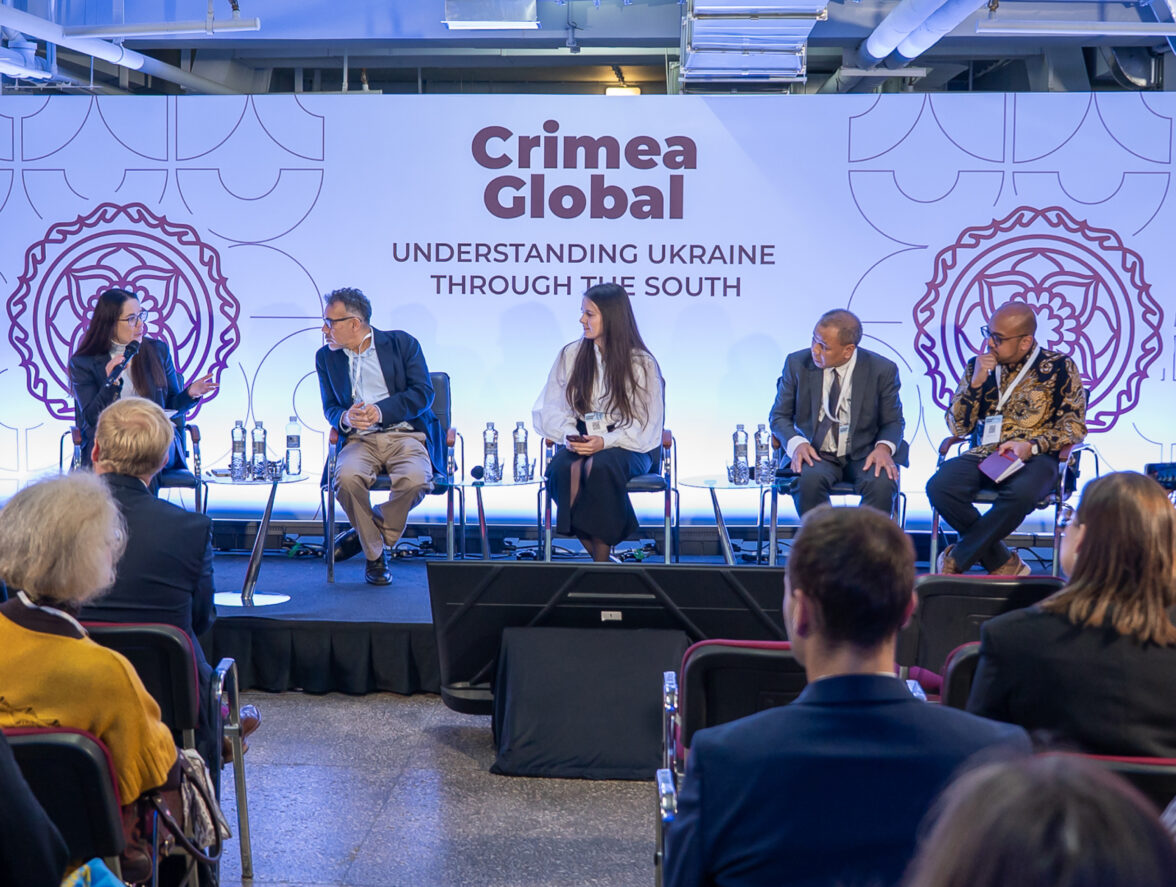
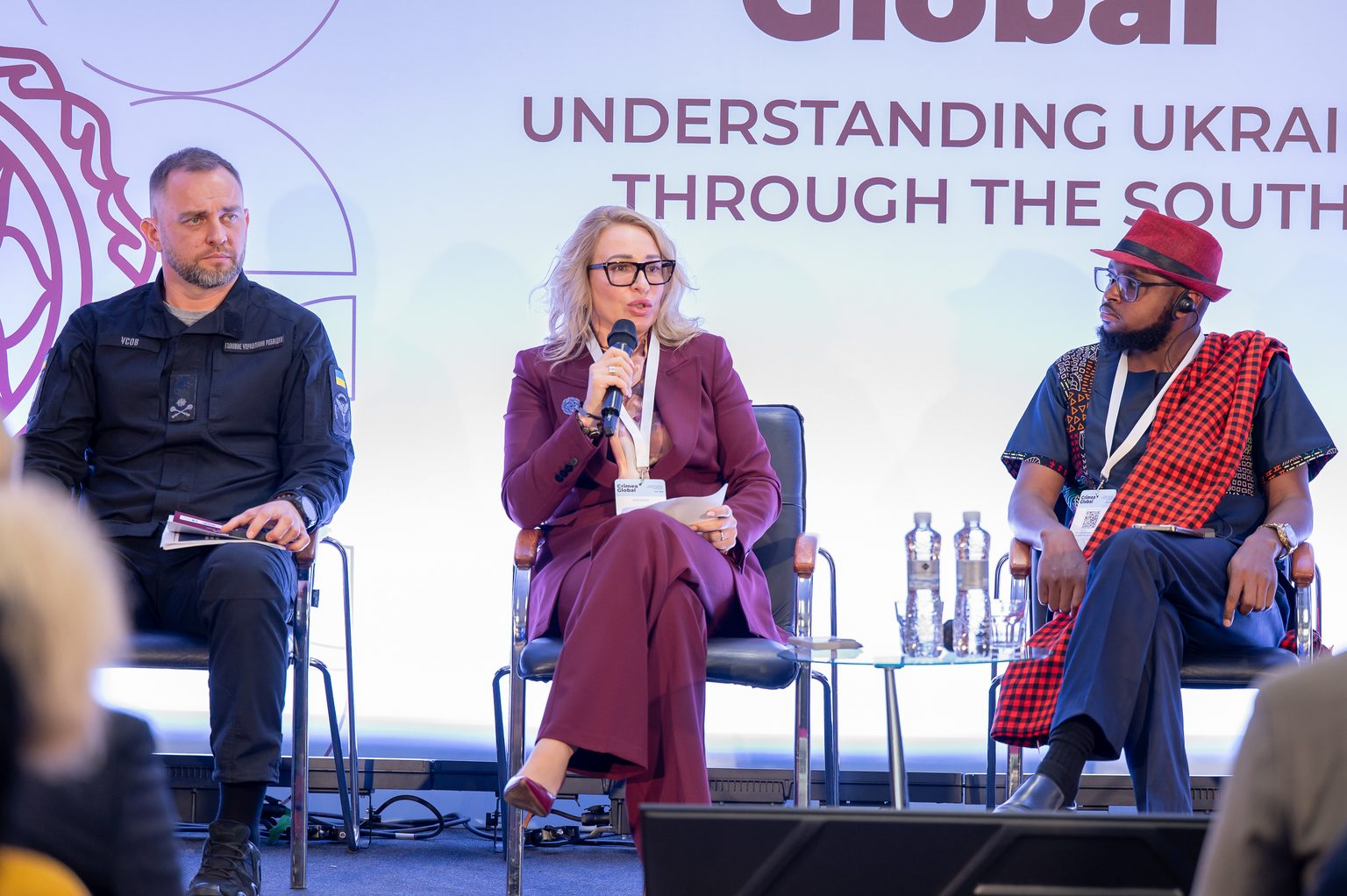
The scale and methods of Russia's overseas military recruitment were examined during a discussion bringing together Ukrainian government representatives, investigative journalists and researchers from Africa, Asia, Europe and the Americas.
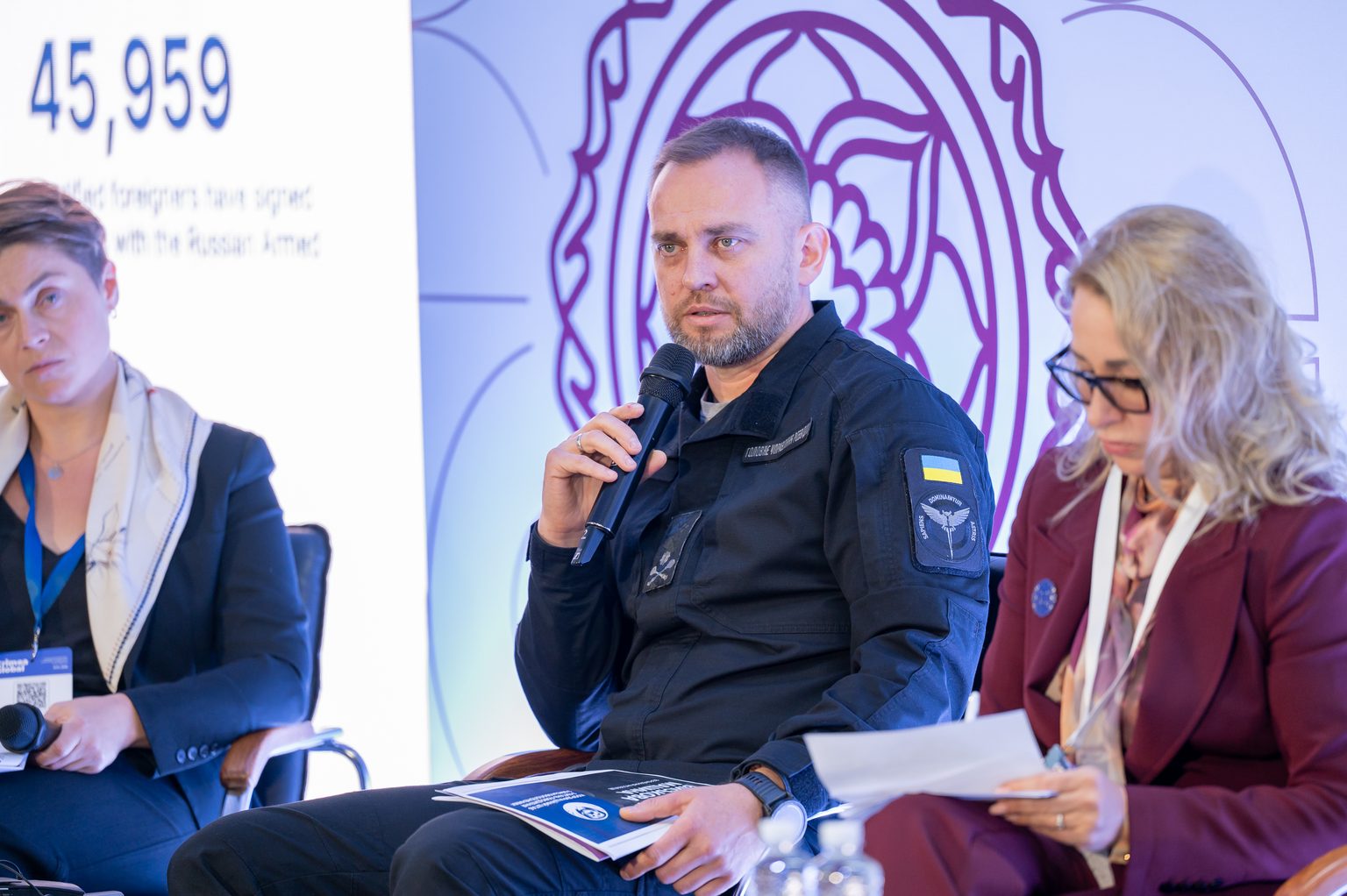
Brigadier General Dmytro Usov, Secretary of Ukraine's Coordination Headquarters for the Treatment of Prisoners of War, said 45,959 foreigners had been recruited into the Russian armed forces as of October 2026.
The annual figures show a sharp increase in recruitment, from just 94 contracts in 2022 to 4,067 in 2023, 8,877 in 2024 and 16,085 in 2025.
For 2026, Russia reportedly set a recruitment target of 18,500 foreigners. Ukrainian authorities have already identified 16,168 contracts signed this year, while the signing dates of another 668 remain under investigation.
Usov attributed the growing reliance on foreign personnel partly to Russia's military losses and efforts to reduce the domestic social and financial consequences of the war.
Recruitment expands into Africa, Latin America and Southeast Asia
While earlier investigations focused heavily on Cuba and several Asian countries, Ukrainian officials say Russian recruitment networks have increasingly turned towards Africa and Latin America.
Economic hardship, limited access to reliable information and inadequate government oversight have created opportunities for recruiters operating through intermediaries, employment agencies and online platforms.
Kenyan journalist Paul King'ori Wangechi described how prospective recruits are offered apparently legitimate employment in Russia, including positions as drivers, security guards, cooks and domestic workers.
Some are promised significantly higher salaries than they could earn at home, only to discover that their contracts involve military service.
Wangechi also raised concerns about discrepancies between official recruitment figures and information collected by families searching for missing relatives.
Liubov Abravitova, a senior official responsible for African affairs at Ukraine's Foreign Ministry, said recruitment networks exploit economic vulnerabilities while promoting misleading narratives about the war.
According to Abravitova, some recruits are encouraged to believe they are joining a struggle against Western countries rather than participating in Russia's invasion of Ukraine.
She said Ukraine is working with local media, religious organisations and civil society groups to warn potential recruits about the risks.
Not all foreign recruits were deceived
Information gathered from foreign prisoners of war presents a more complicated picture.
According to Usov, Ukrainian forces have captured nationals of 59 countries since the full-scale invasion began. The largest groups include citizens of Uzbekistan, Tajikistan, Belarus, Colombia, Kazakhstan, Azerbaijan and Kyrgyzstan.
In a survey of foreign prisoners, 49.2% said they knew before signing their contracts that they would be fighting against Ukraine. Another 28% said they had not known, while 14.8% were uncertain and 13.8% reported receiving different information. Respondents could select more than one answer.
Almost 47% cited the possibility of obtaining Russian citizenship as a motivation for enlistment.
The findings complicate efforts to distinguish between voluntary military recruits, individuals deceived by employment schemes and potential victims of human trafficking.
Indonesia and Sri Lanka face difficulties tracking recruits
Radityo Dharmaputra, a researcher at Indonesia's Universitas Airlangga, said the number of Indonesians recruited into Russian military service had reached 283, representing a substantial increase since 2022.
He argued that the issue receives insufficient public attention in Indonesia, despite the financial incentives encouraging some citizens to enlist.
Dharmaputra suggested that first-hand accounts from Indonesians captured in Ukraine could be more effective in raising awareness than official government warnings alone.
Sri Lankan investigative journalist Saroj Pathirana of the Organized Crime and Corruption Reporting Project questioned whether official figures accurately reflect the number of Sri Lankan nationals serving in Russian forces.
He warned that changes in recruitment methods, including granting Russian citizenship to foreign recruits, could make their participation increasingly difficult to trace.
Questions over Cuba's role in Russian recruitment
Erich de la Fuente, Professor of International Relations at Florida International University, suggested that the number of Cuban nationals recruited into Russian military service could reach tens of thousands.
He argued that Cuba's longstanding military relationship with Moscow raises questions about the extent of the Cuban authorities' knowledge of recruitment activities.
De la Fuente also suggested that Cuban intermediaries may be involved in recruiting Spanish-speaking nationals from other Latin American countries.
These estimates and allegations were presented by the researcher and have not been independently verified.
Diplomatic efforts produce results, but recruitment continues
Despite the expansion of Russia's recruitment networks, Ukrainian officials reported progress in reducing enlistment from several countries.
Usov identified Nepal, Sri Lanka, Cuba, China, Ghana, Nigeria and Egypt among the countries where diplomatic engagement and cooperation with local authorities had helped reduce recruitment, in some cases reportedly bringing it to a halt.
However, researchers cautioned that falling official figures do not necessarily mean recruitment networks have disappeared, particularly when recruits acquire Russian citizenship or are processed through less visible channels.
Participants identified public awareness campaigns, investigative journalism, stronger oversight of overseas employment agencies and direct cooperation between governments as important measures for limiting recruitment.
The discussion also highlighted the need to address the legal status of foreigners who enter Russian military service under different circumstances, particularly those who may have been deceived or coerced.
As Russia continues seeking military personnel abroad, Ukrainian officials and international researchers warned that recruitment is becoming an increasingly transnational issue, affecting not only the war in Ukraine but also the security and welfare of communities far beyond Europe.
For more information about the outcomes of previous Crimea Global conferences and the latest updates, visit the official conference website: https://www.crimea-global.com/
Organisers: Mission of the President of Ukraine in the Autonomous Republic of Crimea / Office of the Crimea Platform, the Human Rights Centre ZMINA, the Media Initiative for Human Rights.
Partners: Ministry of Foreign Affairs of Ukraine, Ukrainian Institute, Transatlantic Dialogue Center.
The event was organised with the support of: International Renaissance Foundation, Askold and Dir Fund, administered by ISAR Ednannia with funding from Norway and Sweden, Hanns Seidel Foundation, Forum 2000 Foundation, and the Czech organisation People in Need as part of the SOS Ukraine initiative.