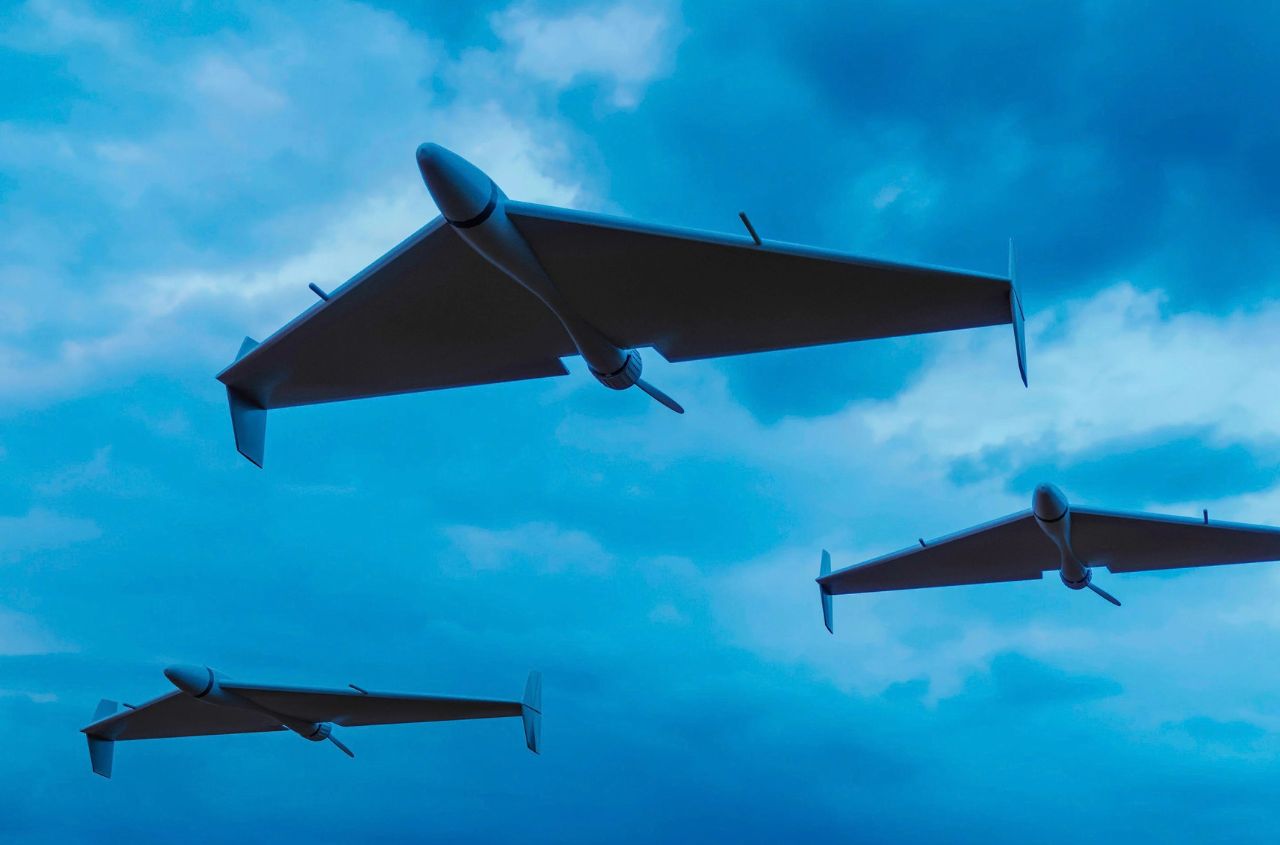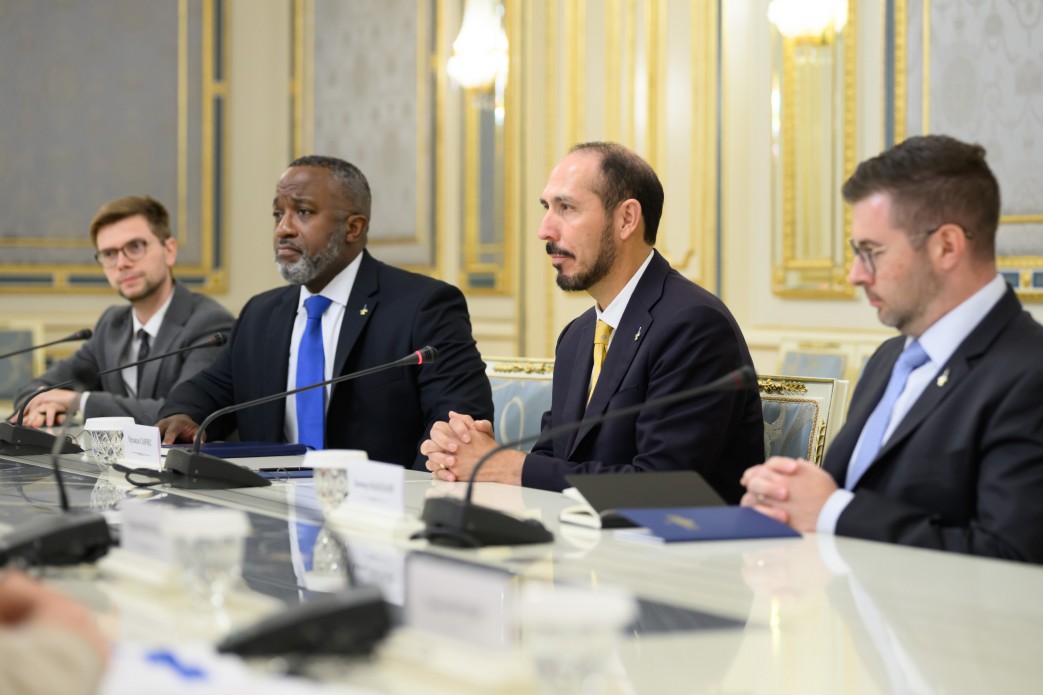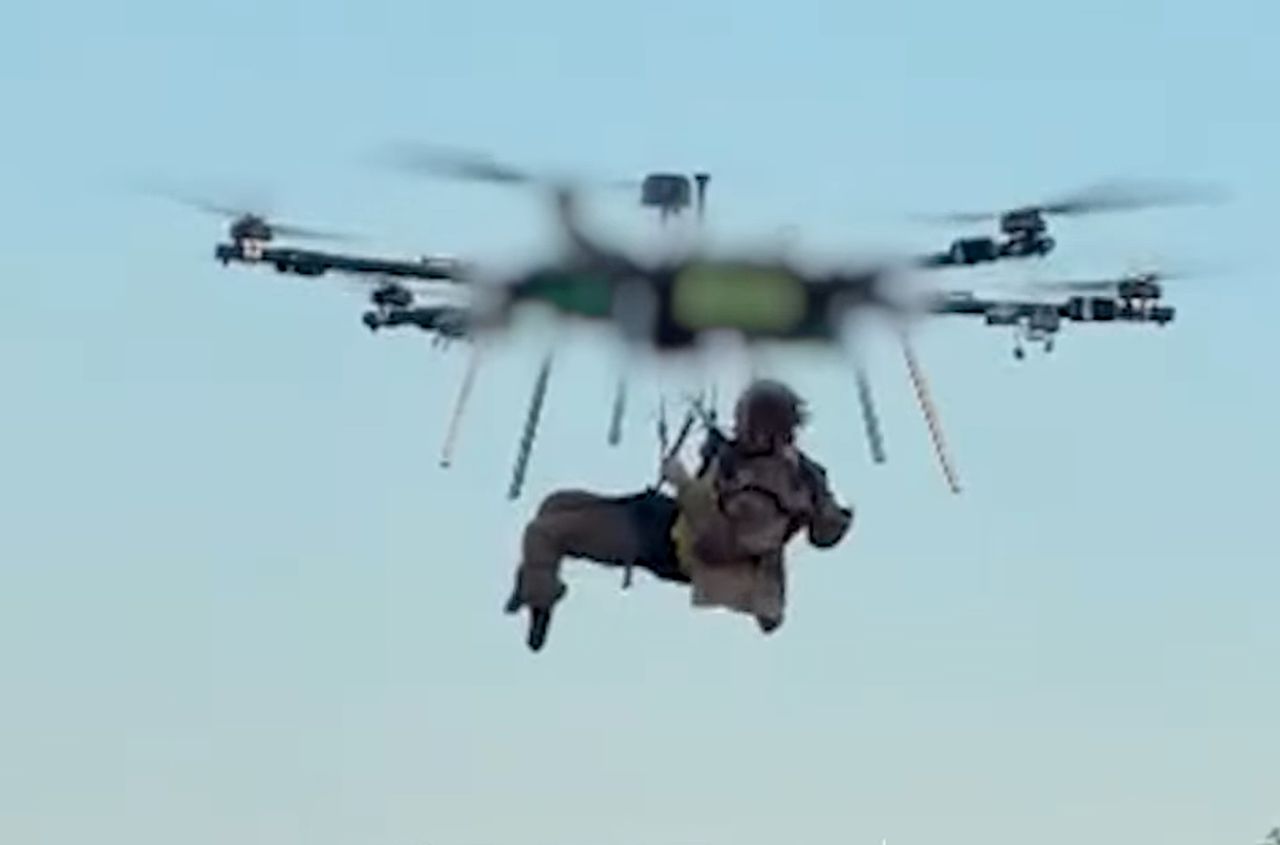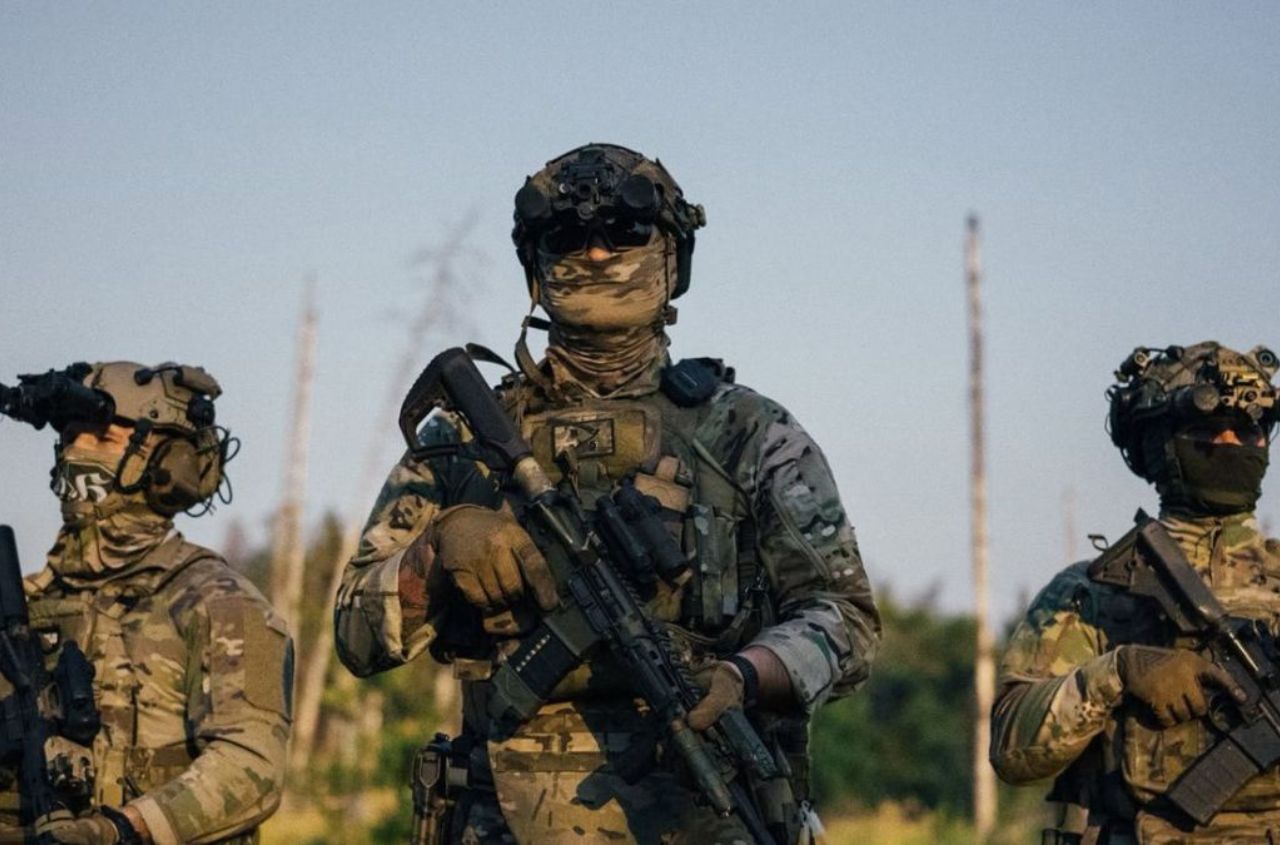


Ukraine’s experience in drone warfare, infrastructure protection and military innovation could become the foundation for closer cooperation with countries across Latin America, Asia and the Middle East, according to international experts gathered at the Crimea Global conference.
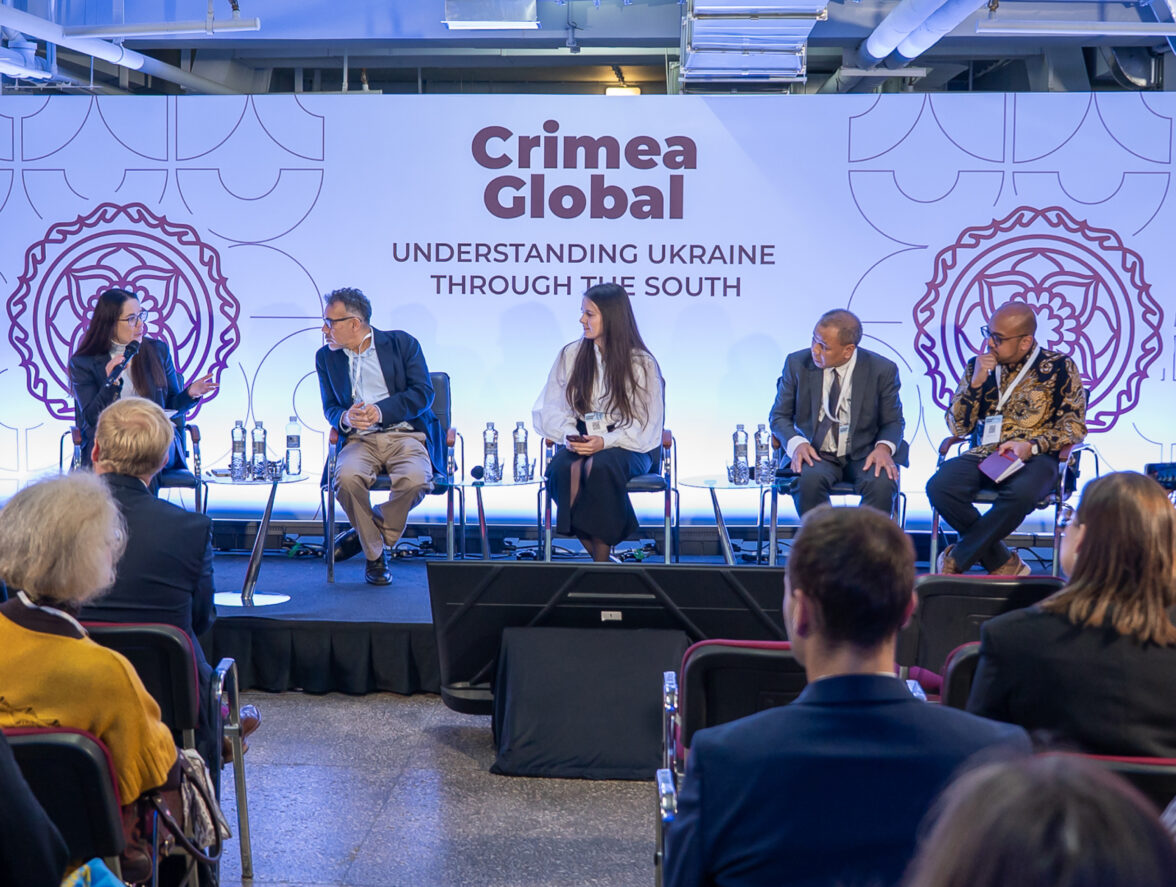
The opportunities for turning Ukraine’s wartime knowledge into practical international partnerships were discussed during a session titled “Know-How à la Kyiv: Ukraine as a Provider of Security and Resilience Expertise”, moderated by Hanna Shelest, Security Studies Programme Director at the Foreign Policy Council Ukrainian Prism.
The discussion brought together experts from Mexico, Chile, Indonesia, Myanmar, Oman and Ukraine, reflecting growing interest in Ukrainian technologies and the country's ability to adapt to rapidly changing security threats.
From battlefield innovation to civilian security
For Latin American countries, Ukraine’s experience has applications extending well beyond conventional military operations.
Juan Pablo Toro, Senior Research Fellow at Chilean think tank AthenaLab, identified maritime security, organised crime and the restoration of essential infrastructure as areas where cooperation could deliver practical benefits.
He argued that Ukraine’s rapid development of defence technologies and its ability to maintain critical services under attack could offer valuable lessons for governments dealing with security emergencies and natural disasters.
Angel Jaramillo Torres of El Colegio de México approached the issue from an international law perspective, emphasising Ukraine’s right to defend its sovereignty and the importance of international institutions.
He also highlighted the difficulties Ukraine faces in communicating its position in countries where Russian narratives remain influential. Effective engagement, he argued, requires an understanding of local political circumstances rather than relying on a single international communications strategy.
Indonesia and Myanmar: technology, sovereignty and political influence
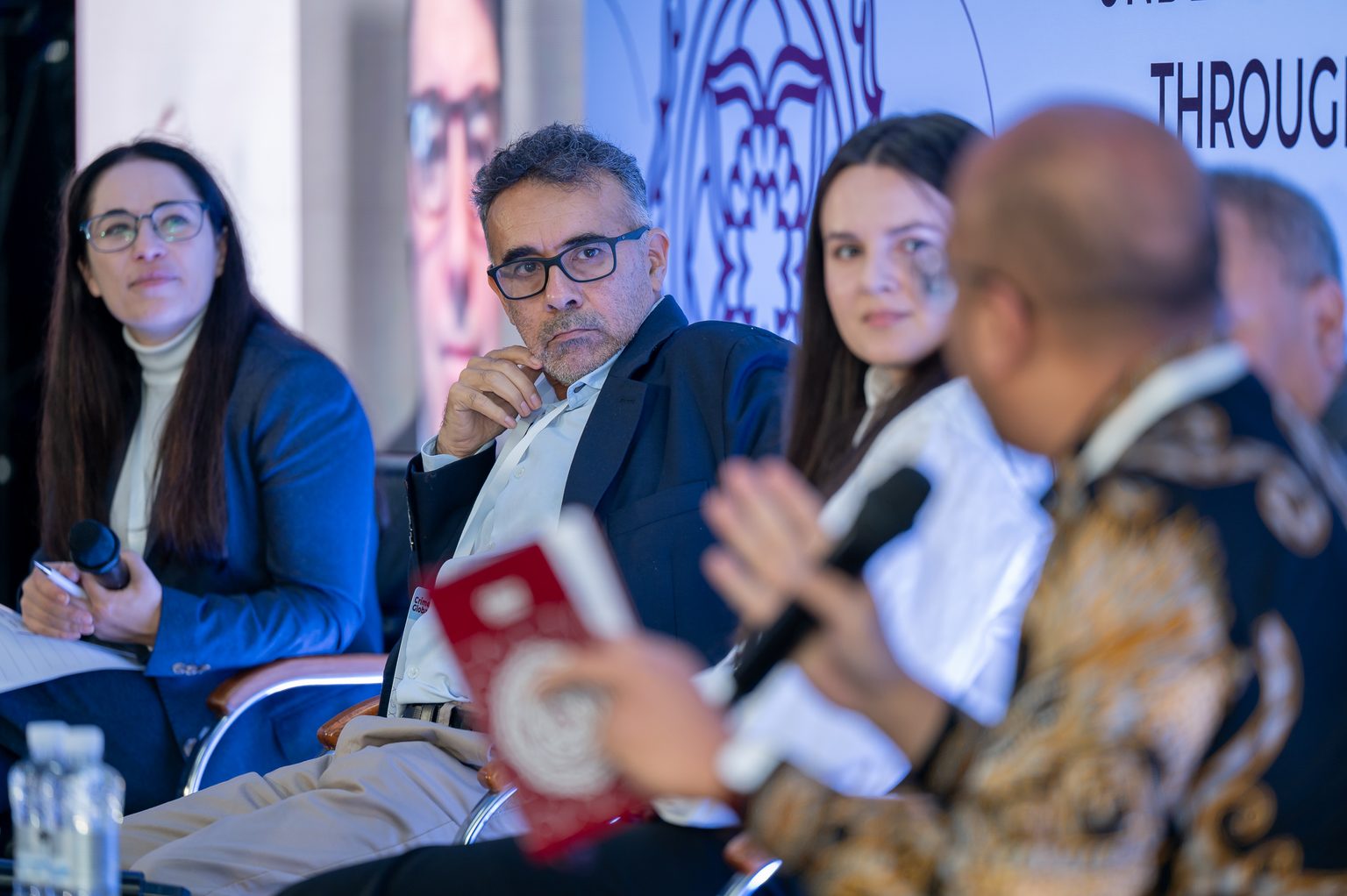
Radityo Dharmaputra of Indonesia’s Universitas Airlangga described Ukraine as an example of how a country can develop military capabilities rapidly despite facing a larger adversary.
He pointed to Ukrainian advances in drones and artificial intelligence as particularly relevant to countries navigating renewed competition between major powers.
For Indonesia, he suggested beginning with limited, practical cooperation before developing broader partnerships. Cultural connections, including those involving Ukraine’s Crimean Tatar community, could also help strengthen relations.
Myanmar journalist Soe Myint, Managing Director and Editor-in-Chief of Mizzima, focused on the political consequences of Russian influence in Southeast Asia.
He drew parallels between Ukraine’s resistance to Russian aggression and Myanmar’s struggle for democracy, while highlighting Moscow’s military relationship with Myanmar’s ruling junta.
According to Myint, military-industrial cooperation between Russia and Myanmar includes weapons production and supplies connected to Russia’s war against Ukraine.
He called for greater coordination between countries and movements confronting authoritarian rule, arguing that their security challenges should not be treated in isolation.
Gulf countries see opportunities in drone defence and infrastructure protection
For countries in the Middle East, the most immediate lessons from Ukraine concern the protection of cities, energy facilities, ports and commercial shipping against drone and missile attacks.
Yousuf Al Bulushi, Chairman of the Muscat Policy Council in Oman, pointed to vulnerabilities shared by Ukraine and Gulf states.
He suggested that cooperation could combine Ukrainian security expertise with the Gulf region’s diplomatic and mediation capabilities.
However, he cautioned that partnerships would have limited value unless they produced concrete exchanges of technology, experience and operational knowledge rather than simply new agreements and conferences.
Ukraine warns against copying technology without building the necessary systems
Liudmyla Redutova, Head of Legal and Government Relations at Technological Forces of Ukraine, explained that the country's defence innovation did not begin with the full-scale invasion in 2022 but developed through years of warfare following Russia’s occupation of Crimea in 2014.
She stressed that individual weapons or technological solutions cannot simply be transferred without the wider systems needed to develop, maintain and deploy them effectively.
Ukraine could help international partners build such capabilities, she said, but cooperation would also require safeguards against the unauthorised reproduction or transfer of sensitive technologies.
Redutova emphasised that Ukraine’s expertise had been acquired at an enormous human and economic cost.
The discussion also addressed the persistence of pro-Russian attitudes in parts of the Global South, with participants arguing that historical relationships, political interests and information campaigns must be considered when developing new partnerships.
A central conclusion emerged: Ukraine has an opportunity to move beyond its position as a recipient of international security assistance and become a provider of expertise, particularly in drone technology, infrastructure resilience, digital innovation and crisis response.
Turning that opportunity into lasting relationships, however, will depend on practical cooperation adapted to the needs of individual countries.