

Representatives of international financial institutions, donor organizations, humanitarian demining operators, business, and the Government of Ukraine discussed how to integrate demining into reconstruction programs, expand the circle of investors, and launch financial mechanisms capable of accelerating the return of land to safe use — as this is where economic recovery begins.
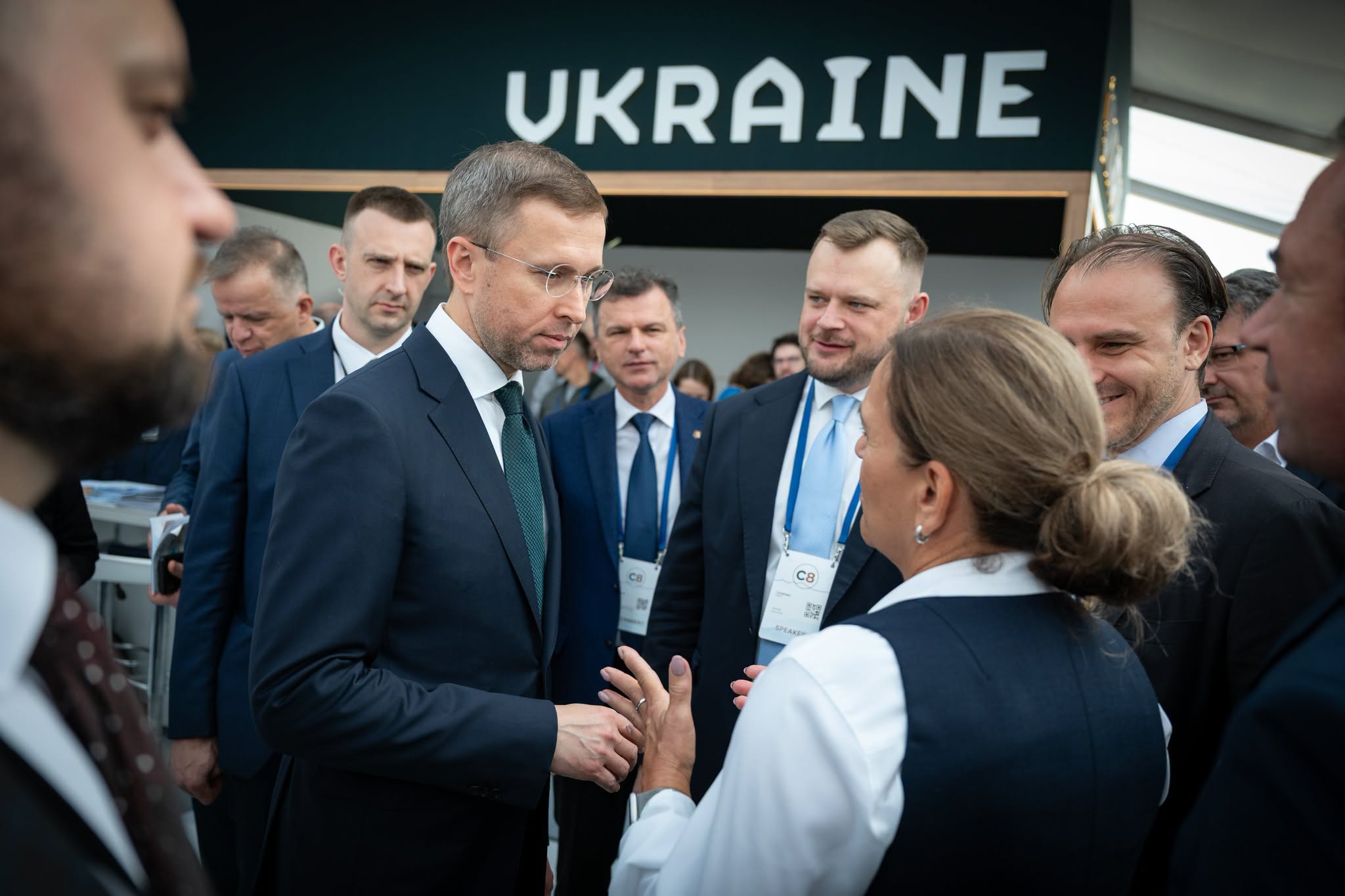
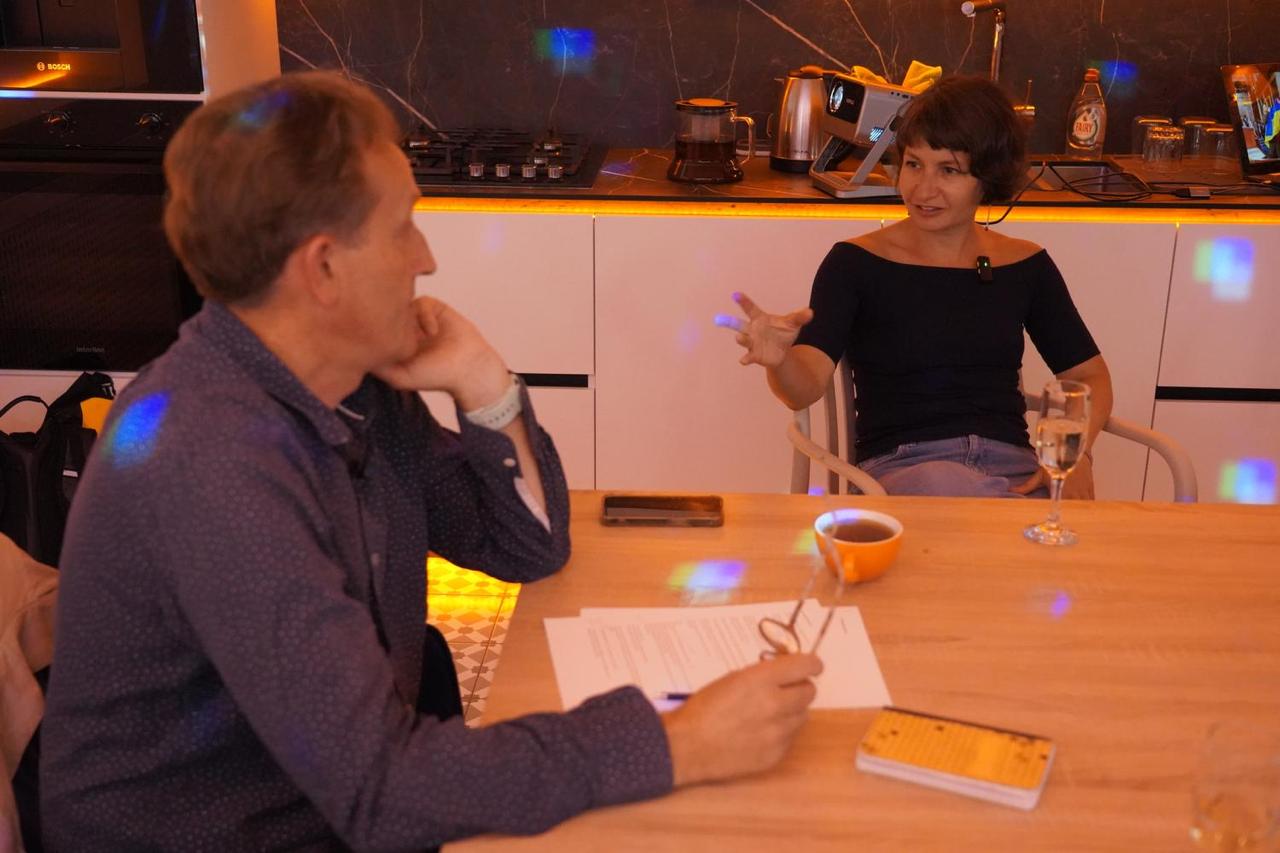
The topic formed the basis of a closed international discussion titled “Safe Ground, New Markets: Clearing the Way for Ukraine’s Recovery,” organized by the Minderoo Foundation and The HALO Trust within the Ukraine Recovery Conference 2026.
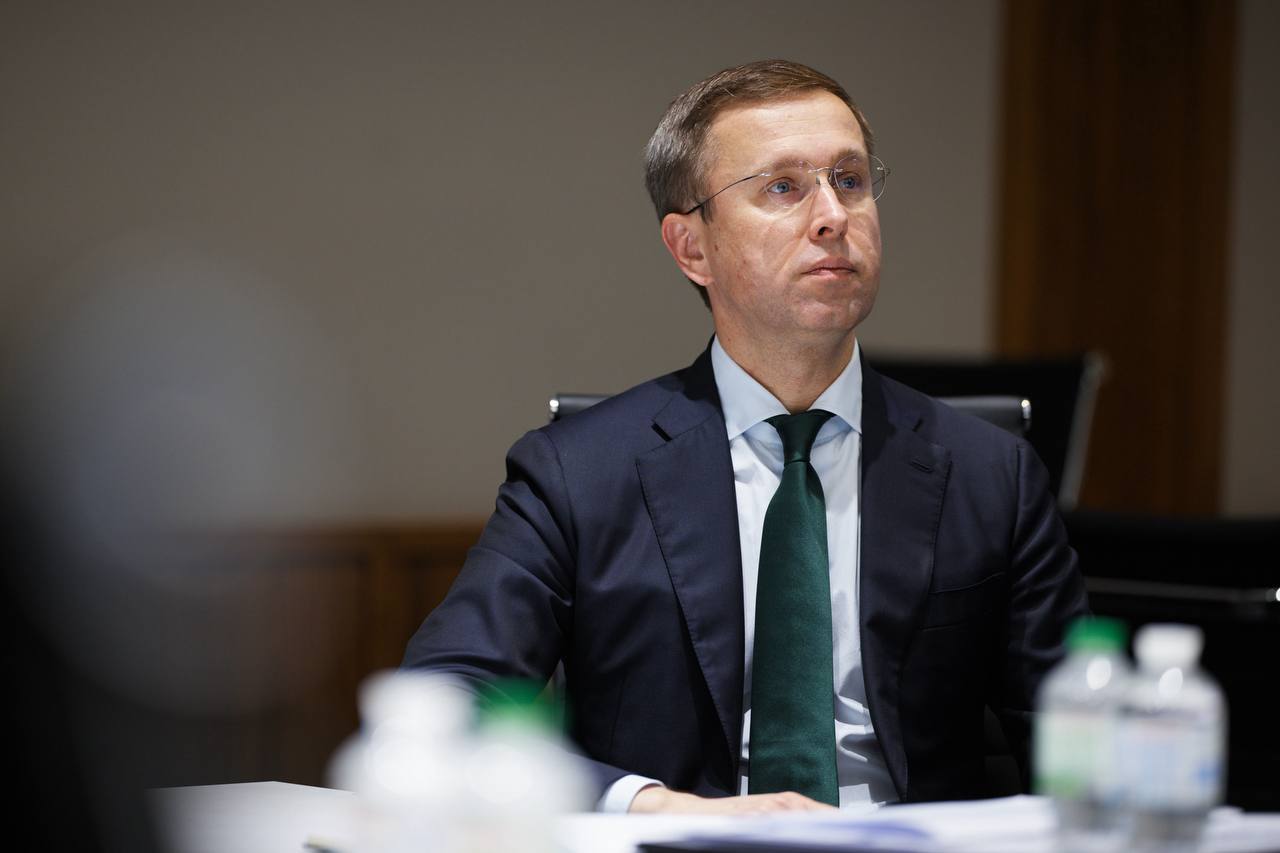
Opening the discussion, Deputy Minister of Economy, Environment and Agriculture of Ukraine Ihor Bezkaravainyi stressed: “Every investment decision begins with the question: is this place safe enough for investment? Given this, it is logical and necessary to integrate humanitarian demining into reconstruction planning from the very beginning. If the territory is not cleared, no recovery project can start. In Ukraine, we are building a humanitarian demining market, developing competition, testing new financial models, and creating conditions for private capital to operate in this sector.”
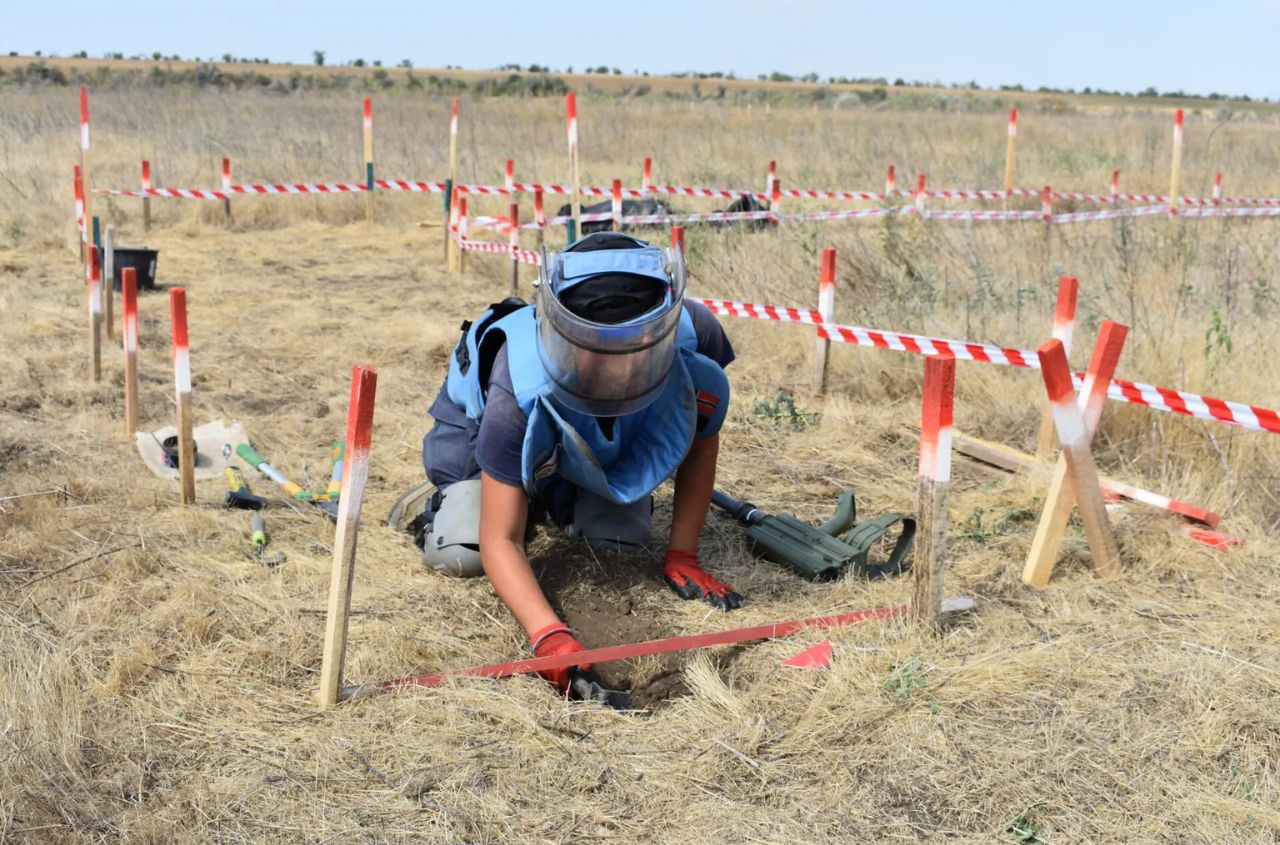
Ukraine is already applying such a systemic approach. More than 133,000 km² of territory remains potentially contaminated with explosive devices, so the state is focusing on clearing areas whose recovery brings the greatest economic effect. For this purpose, a prioritization system is being implemented, and under the state compensation program for demining costs for farmers, more than 16,000 hectares of agricultural land have already been returned.
During the discussion, participants emphasized that scaling humanitarian demining requires a change in financing approaches, integrating it as the first stage in investment projects, community development mechanisms, and economic recovery programs — rather than simply increasing donor support.
They also highlighted barriers that limit capital inflow into the sector, including ongoing hostilities, the risk of re-contamination, the need to provide investors with predictable post-clearance development prospects, and competition with other humanitarian priorities.
At the same time, participants agreed that humanitarian demining unlocks opportunities for investment in agriculture, infrastructure, production, and community development. Therefore, the sector must become an integral part of Ukraine’s recovery programs, with increased involvement of international financial institutions, private capital, and philanthropic organizations.
HALO Trust Head of Partnerships Bruce Edwards emphasized that humanitarian demining should be viewed as the first stage of the investment cycle, not as a standalone humanitarian project.
“Demining is only part of the task, but a fundamental one. Recovery and investment can only follow after land is cleared, giving investors confidence in future prospects,” he said.
The discussion also addressed the development of new financial mechanisms, including front-loading and outcome-based financing, which could accelerate land clearance and make investment in the sector more predictable.
Summing up the discussion, participants agreed to continue working on practical financing models for humanitarian demining and expanding partnerships between government, donors, financial institutions, operators, and business. One of the platforms for further work will be the international UMAC conference, which will take place in Brussels in November.