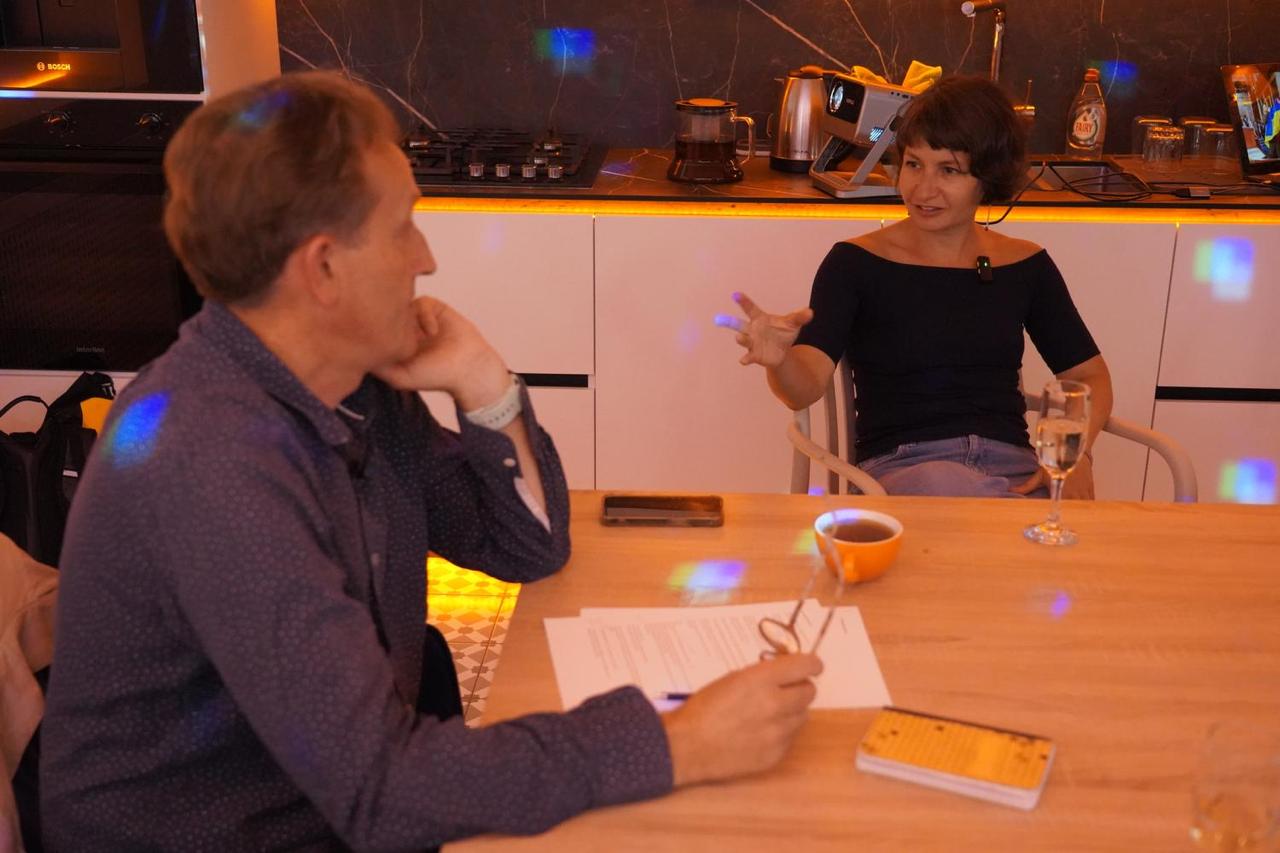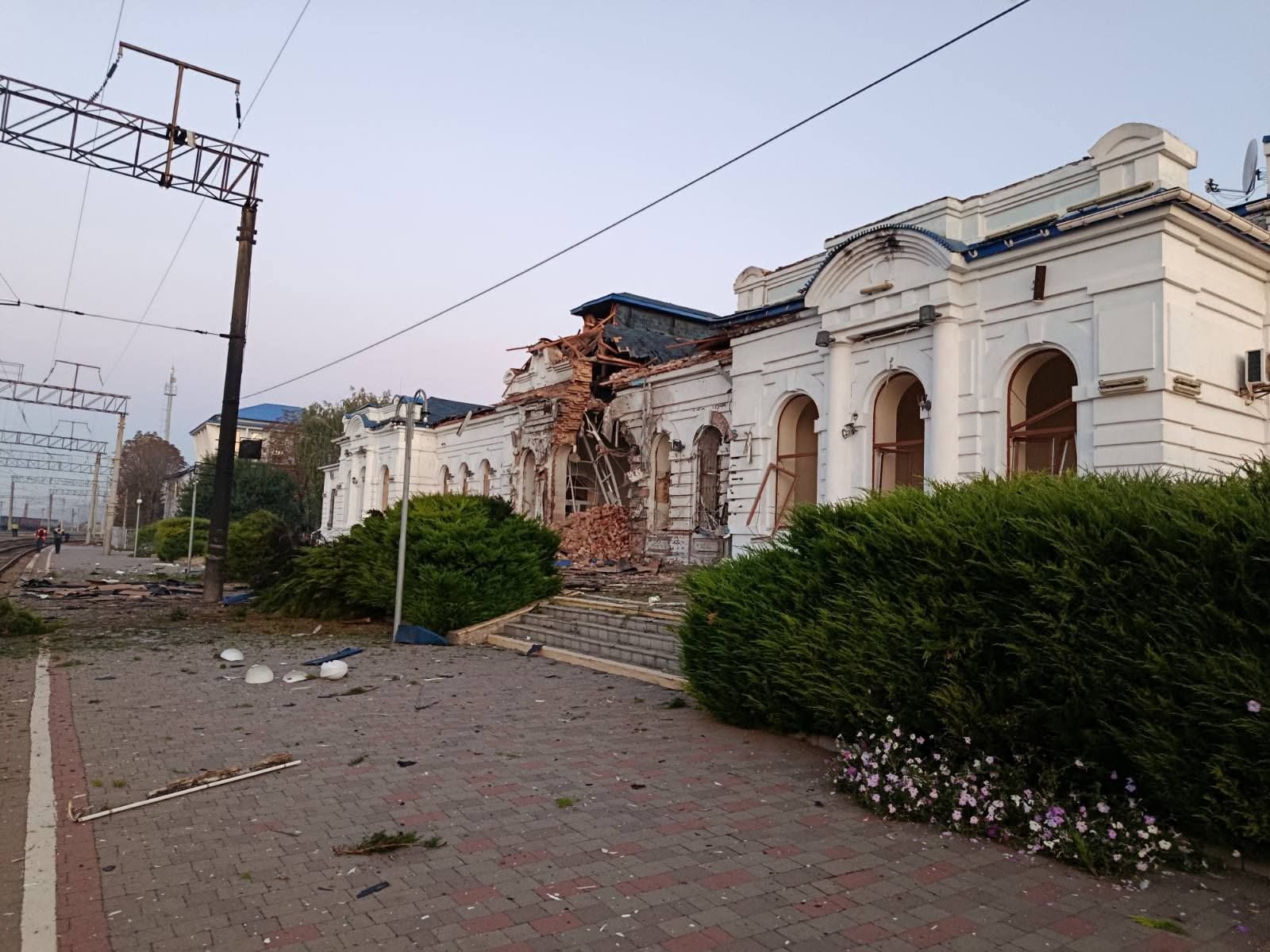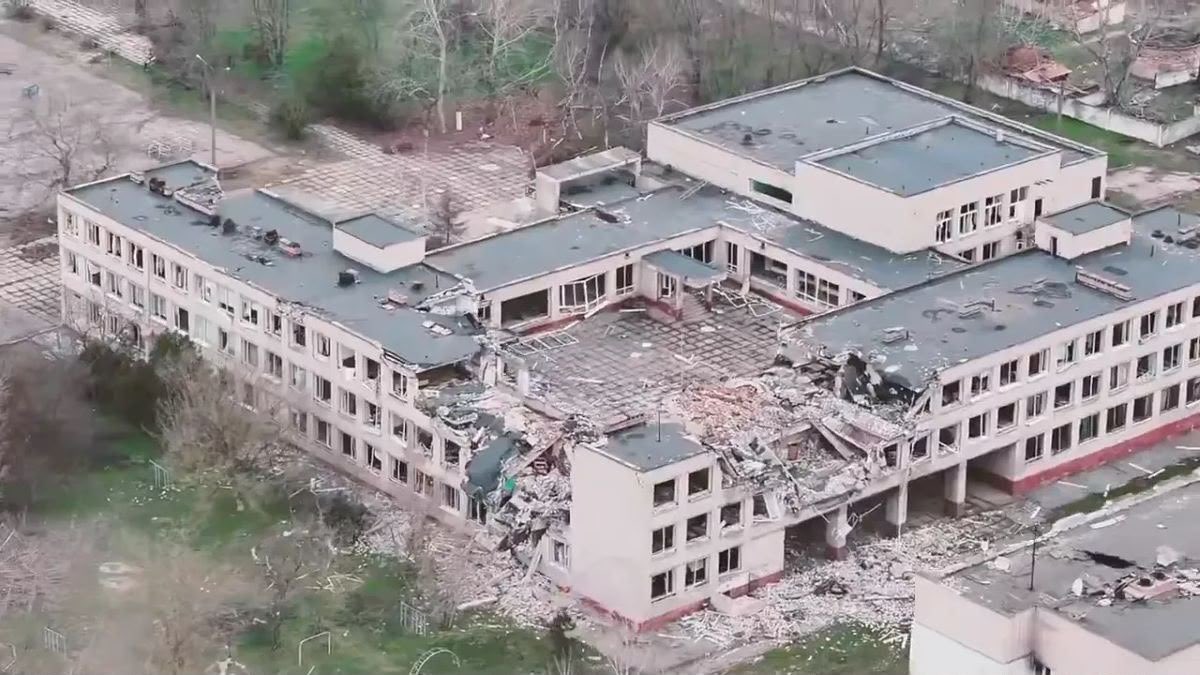




The Odesa – UNESCO City of Literature Office continues to build bridges between UNESCO Cities of Literature and Odessa, fostering dialogue, exchange, and shared literary experience across cultures.
The latest installment focuses on Okayama, Japan, and introduces Ms. Rie Muranaka — a Japanese children’s writer and curator of the collaboration project with the MISONO Kodomo-no-Ie children’s home, where she works closely with children’s creative writing practices through the yomuhumu initiative.
In Okayama, literature is understood as something that extends beyond the page. It becomes a space for listening, healing, and shared attention. Within this approach, a collaborative initiative was launched three years ago between the city administration, welfare institutions, and academic partners: the yomuhumu project.
At the MISONO Kodomo-no-Ie children’s home, children who cannot live with their families due to difficult circumstances are invited to engage with stories and to express their inner world through language. Writing poetry is one of the ways they explore their feelings, imagination, and sense of self.
The poems presented in this project were written by elementary school children living at the home. Imagining places they have never seen, they transform simple impressions into poetic images that are at once fragile and striking. Each poem holds a moment of perception — a voice, a rhythm, a glimpse of thought — that feels both fleeting and deeply present. Even in their simplicity, these texts reflect the wholeness of a child’s inner world and the sincerity of their gaze.
The project does not aim to teach children how to write “good” poetry in a formal sense. Instead, it creates a space where words can be discovered as a form of support — where expression becomes a way of understanding oneself and connecting with others.
Tsugumi — a 5th-grade student
Me-as-a-Cat
What animal would I want to become?
A cat. Not a tough alley cat—
a stray cat.
If I became a stray cat,
I’d walk around in the daytime.
I’d walk through the park
with my stray-cat friends.
Me-as-a-Cat
I’d walk at the front of the line.
If a mouse came,
I’d be the first to chase it,
tail sticking straight up,
running like the wind.
The prey we catch—
I’d eat it right away.
We’d all share it together.
The weather is sunny.
As for tomorrow,
I don’t care.
I am a stray cat.
Commentary by Rie Muranaka (the coordinator of the project):
This poem was written by Tsugumi, a fifth grader. She has a gentle, easygoing presence, and while she sometimes hesitates with words, she speaks with honesty when she does choose them. Her long-standing love of cats appears naturally in this poem.
She does not imagine herself as a “tough alley cat,” but as a stray cat—one that moves freely and lightly through the world. In her lines, she walks at the front of the group, chases a mouse with her tail straight up, and shares whatever the cats catch. Her stray cat is independent yet never alone; she places herself among companions and takes the lead without claiming authority.
The sudden line, “The weather is sunny,” shifts the poem into a clear, open mood.
It feels like the moment when a child imagines a world free from worry, guided only by sunlight and motion. When she added, “As for tomorrow, I don’t care,” she looked briefly at my face, perhaps noticing my pause. But the line did not carry defiance. It felt more like a decision to stay in the present—to let the imagined freedom of her stray-cat self belong to “now,” not to any future she must define.
After she read the line aloud, we looked at each other and laughed. Her poem holds that moment of shared ease: a child choosing a world where she can walk lightly, with others beside her, just for today.
The project was created by the Odesa UNESCO City of Literature and being implemented with funds raised by Reykjavík Bókmenntaborg UNESCO as part of the readings initiated by Milano City of Literature “Not Just Words” (Reading for Odessa) on February 24, 2024.