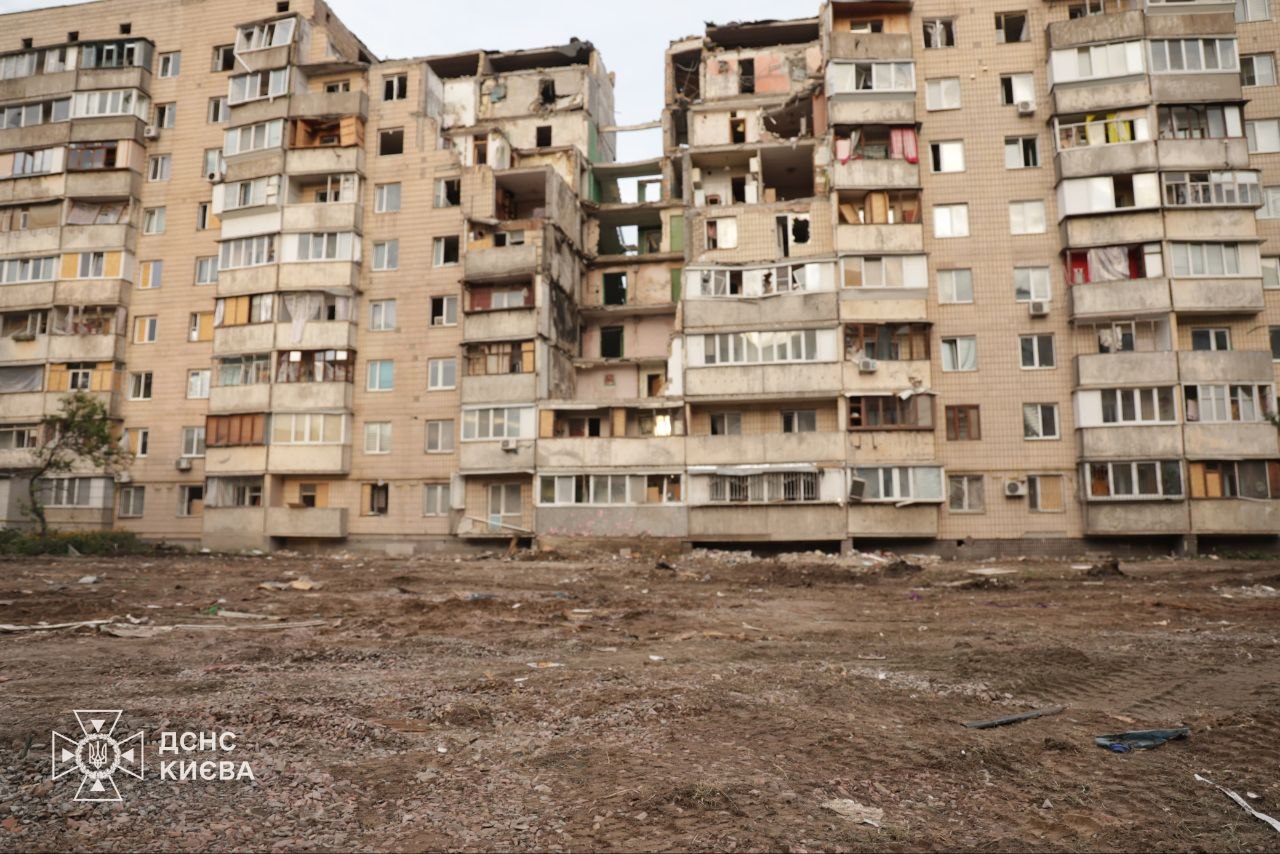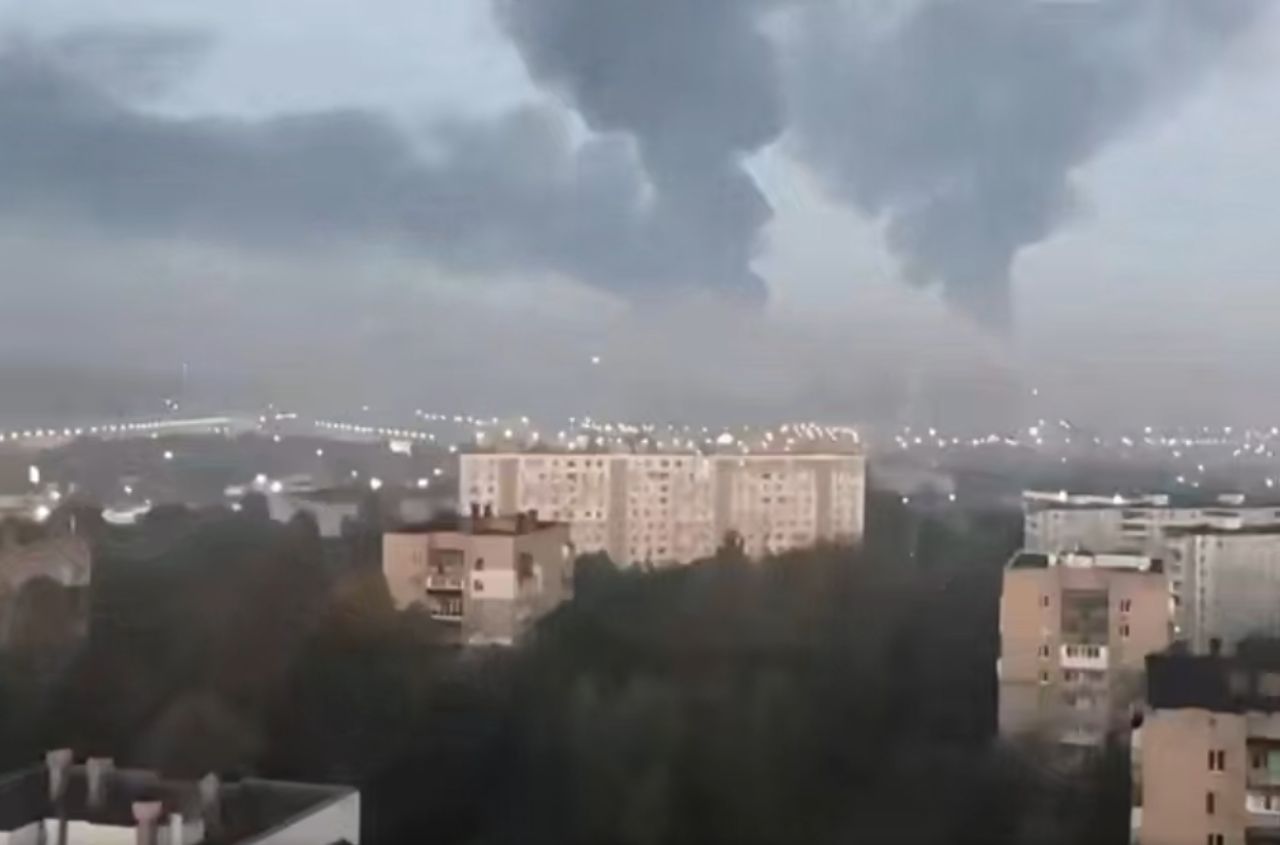


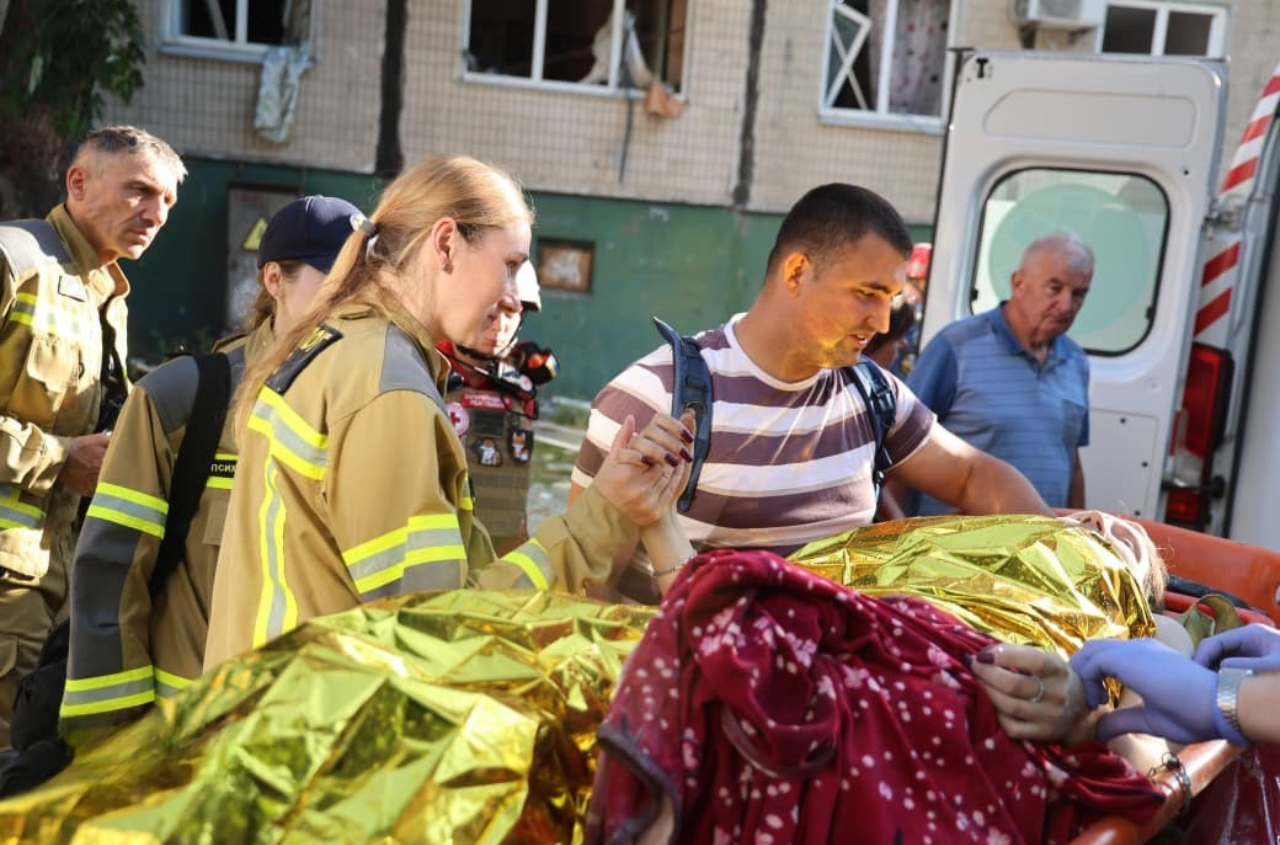

Since the start of the full-scale invasion, Russia has carried out more than 167,000 attacks on civilian facilities in Ukraine.
This was stated by Artem Bondarenko, Chief of Staff of the Anti-Terrorist Center at the Security Service of Ukraine, during his address at the 95th plenary meeting of the UN General Assembly.
"Ukraine’s experience demonstrates that Russia systematically uses terrorist methods as an instrument of state policy. Since February 2022, Ukraine has recorded more than 167,000 attacks on civilian facilities. Particularly telling examples of Russian terror were the winter attacks on Ukraine’s energy infrastructure. Their aim was to deprive millions of people of electricity, heating, water, and other basic means of survival amid extremely low temperatures," Bondarenko said.
He also emphasized that, in addition to strikes on civilian infrastructure, Russia is acting in other areas as well. In particular, it continues to carry out cyberattacks and recruit Ukrainian citizens to carry out terrorist attacks and acts of sabotage.
"Ukraine is systematically countering attempts by Russian forces to recruit Ukrainians for sabotage and terrorist acts through online platforms. In most such cases, Russian special services attempt to exploit vulnerable groups of the population and minors," added the Chief of Staff of the SSU Anti-Terrorist Center.
He also drew particular attention to the issue of nuclear safety, as Russia regularly creates threats to the functioning of nuclear facilities in Ukraine. These threats include military operations near nuclear power plants, strikes on radioactive waste storage facilities, and attacks on energy infrastructure connected to nuclear facilities.
"The occupation and militarization of the Zaporizhzhia Nuclear Power Plant, combined with Russia’s deployment of nuclear weapons in Belarus, have created an unprecedented situation of nuclear pressure and intimidation that poses a threat to the entire European continent. Ukraine is convinced that effective counterterrorism efforts amid armed conflicts require stronger international coordination, protection of critical infrastructure, and accountability for those responsible for attacks on civilians," Bondarenko concluded.