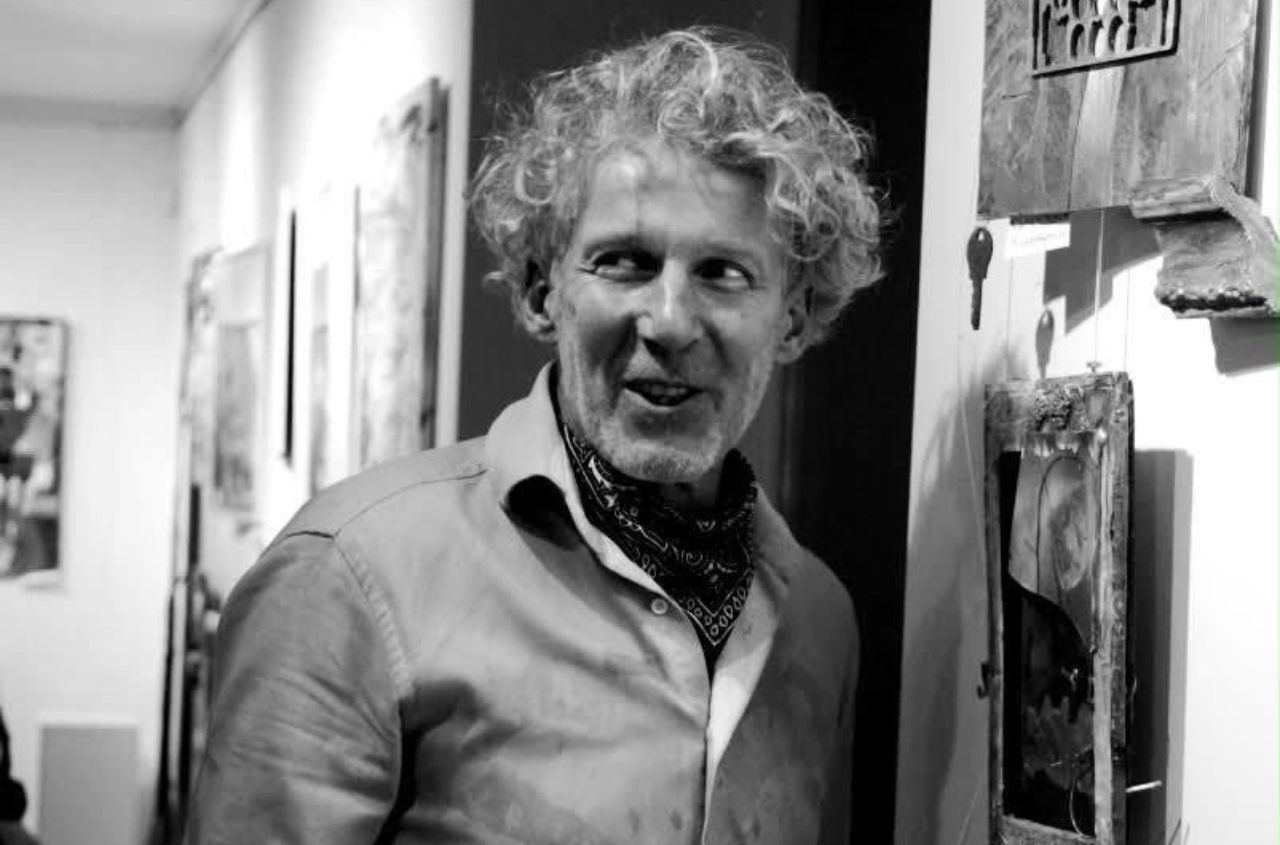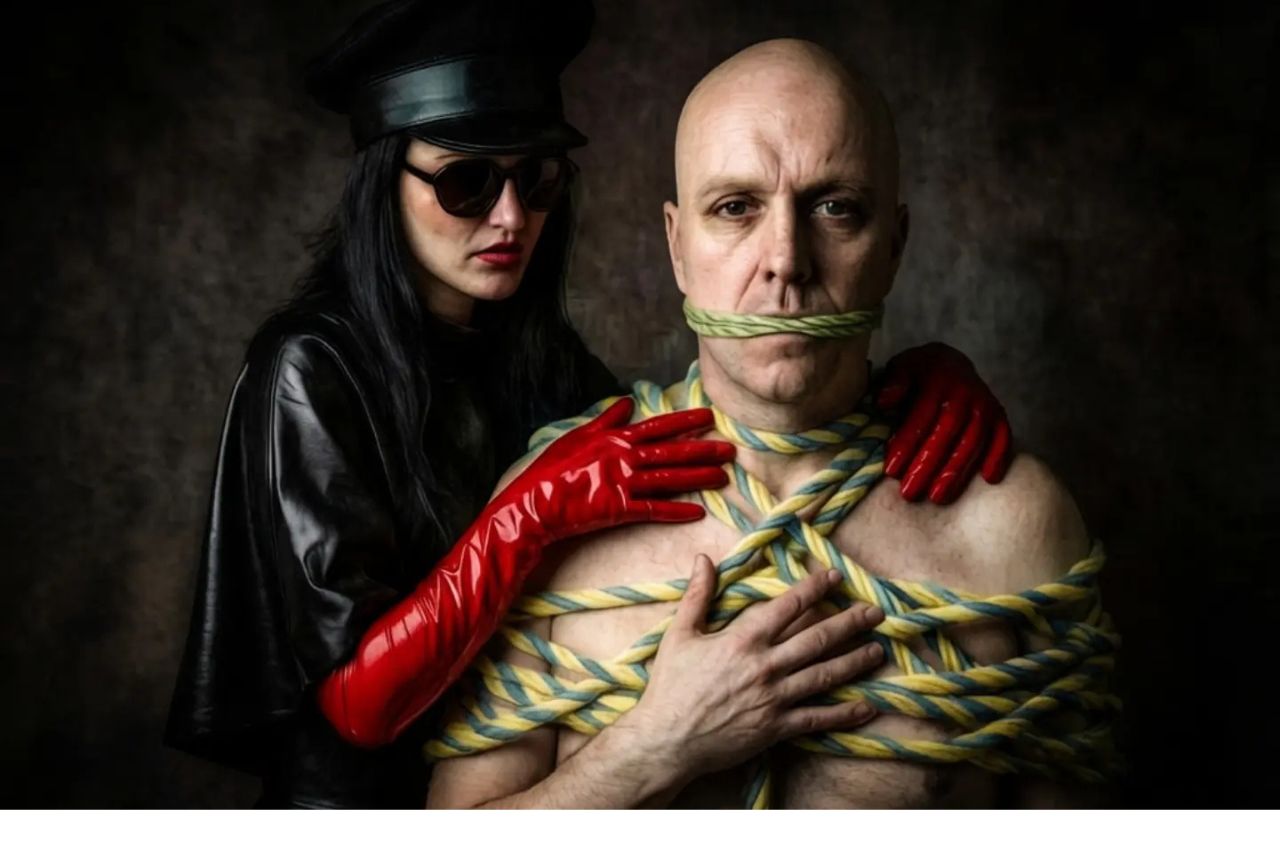


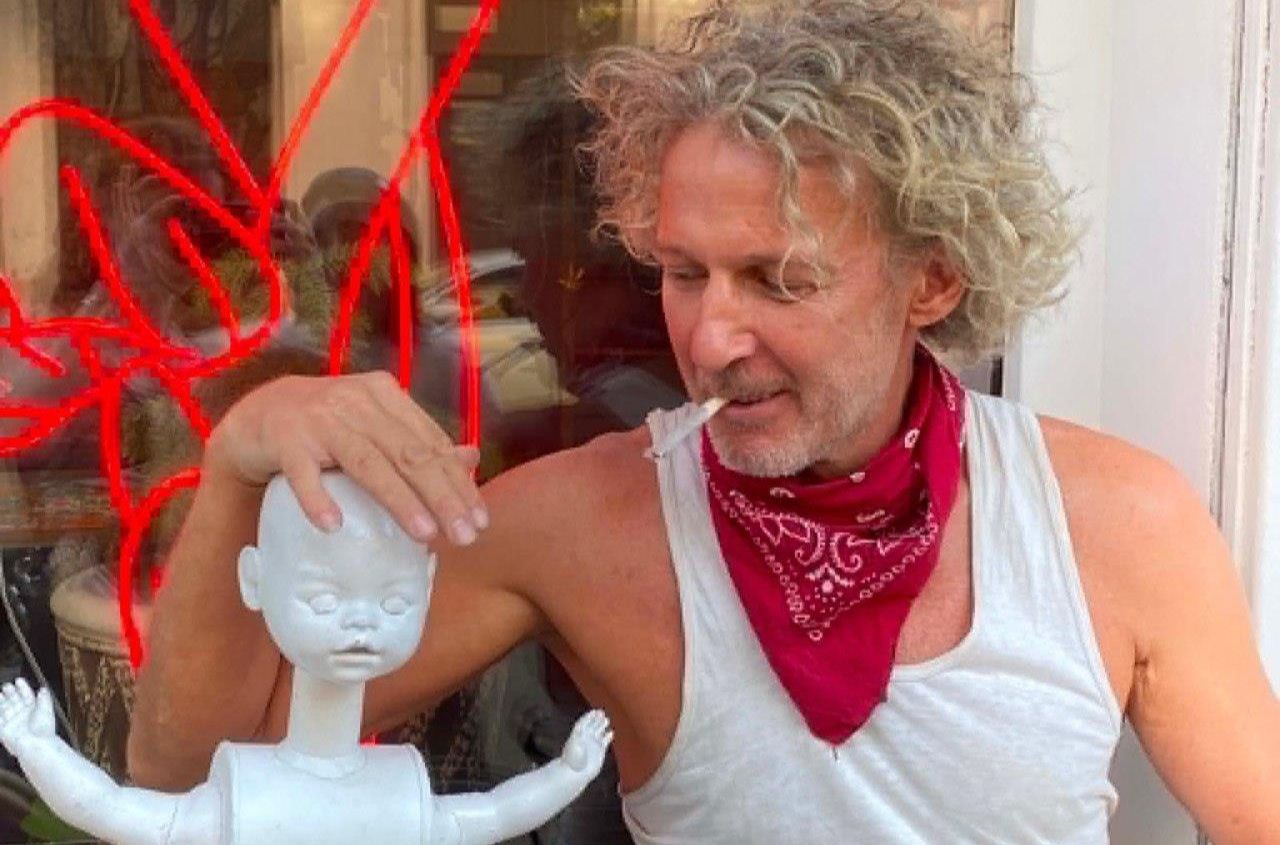

Main image: Konstantin Malakhovsky
The fifty-eighth interview through images by Andrey Sheptunov
Contemporary art speaks to the viewer in a language that requires not so much translation as complete aesthetic immersion. In the dynamic context of the Ukrainian art scene, creators are continuously searching for forms capable of capturing the pulse of time and the most complex internal transformations.
This is a space where the boldness of experiment is valued no less than the mastery of execution, and the artist's willingness to be vulnerable becomes the main key to the viewer's perception.
Konstantin Malakhovsky's practice is exactly this kind of multi-layered and utterly honest process. His works go far beyond simple decorative visuality, turning into dense semantic dialogues captured on canvas, cardboard, and plywood. The author freely manipulates materials, clashing oil, acrylic, ink, original photographic art, and coarse burlap in a single artwork to crystallize his intended idea as precisely as possible.
For exhibition projects that shape the current cultural landscape, such authors are of particular interest.
And although Konstantin has a serious academic background behind him—from the theatrical and artistic department of the Odessa State Art College (OGKhU) to the Avni Institute of Art and Design (Machon Avni) in Israel—his mature work is completely devoid of academic stiffness.
Having mastered the classical foundation, the artist boldly stepped beyond its boundaries: now every technical method works exclusively to reveal the concept, and not to demonstrate memorized rules. He is not afraid of radical transitions and non-standard formats, constantly exploring the limits of his own authorial language.
Carefully studying his visual series, the viewer encounters a wide philosophical and emotional range: from aching nostalgia to complex reflections on the hidden fears of modern society.
However, any texts, even the most detailed ones, have their limitations—ultimately, art always speaks for itself. That is why a visual interview format was chosen to introduce the author's work, in which the journalist's words step back, giving the leading role to the artworks.
This is a way to see the world directly through the artist's eyes, where unnecessary verbal metaphors are replaced by the tangible specifics of form and color.
Below is this unusual dialogue. Instead of the usual lengthy answers, Konstantin Malakhovsky's paintings themselves respond to our questions, revealing the true essence of his creative universe.
1. Which of your works would you choose for the first presentation of your art to someone who has never heard of you before?
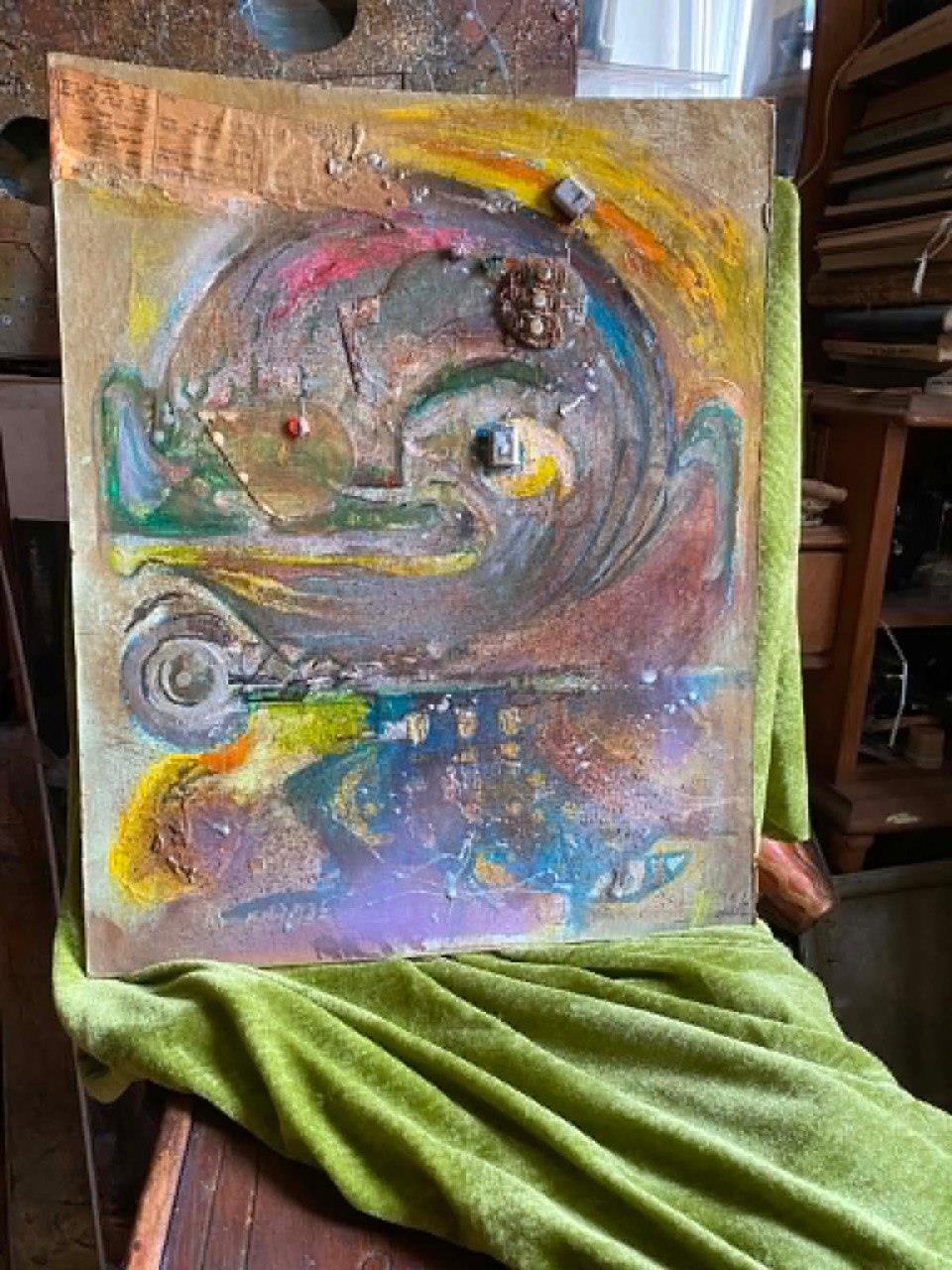
2. Which of your creations best reflects the feeling of sudden nostalgia?
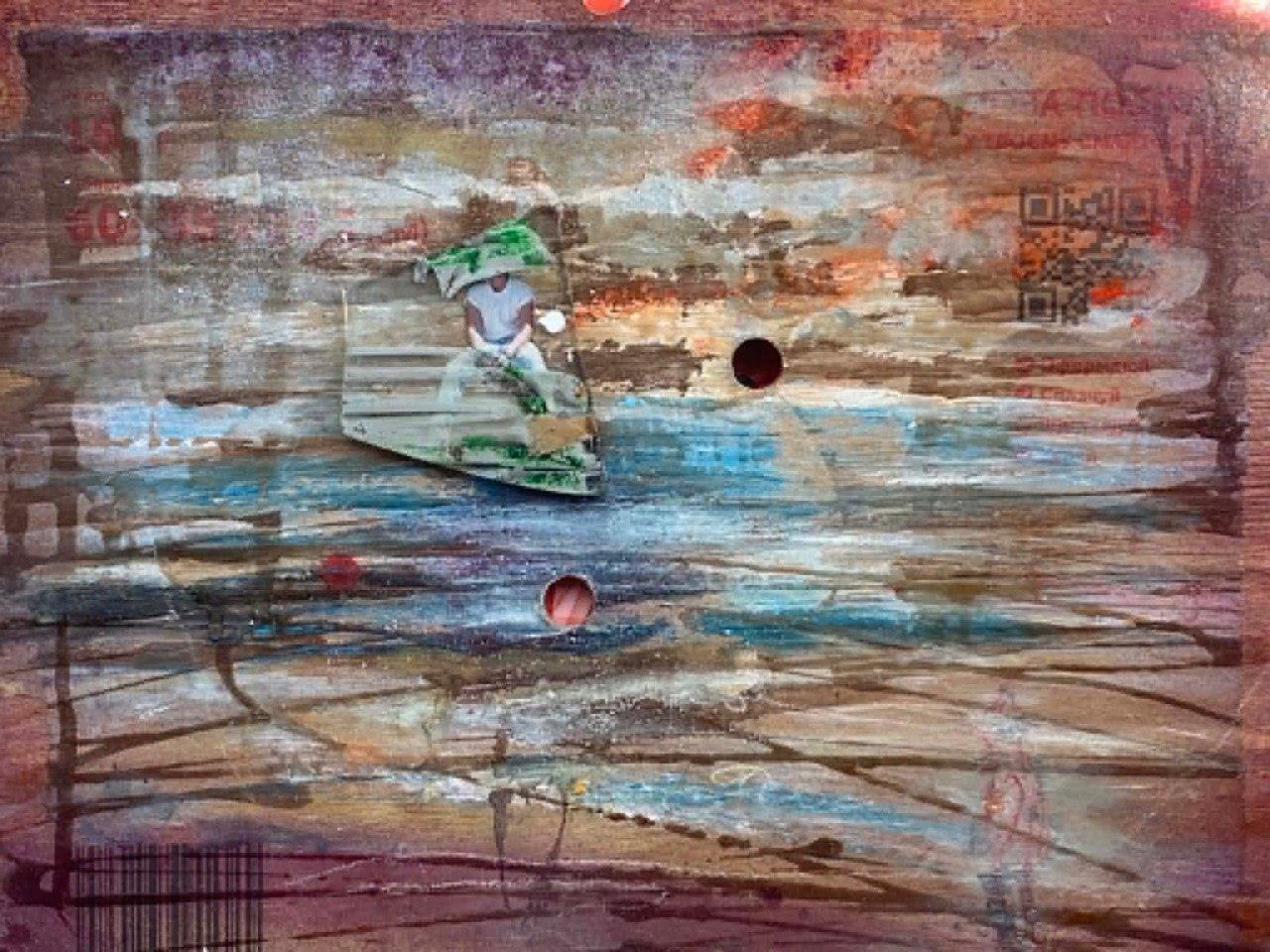
3. Which of your artworks hides a secret that no viewer has yet guessed?
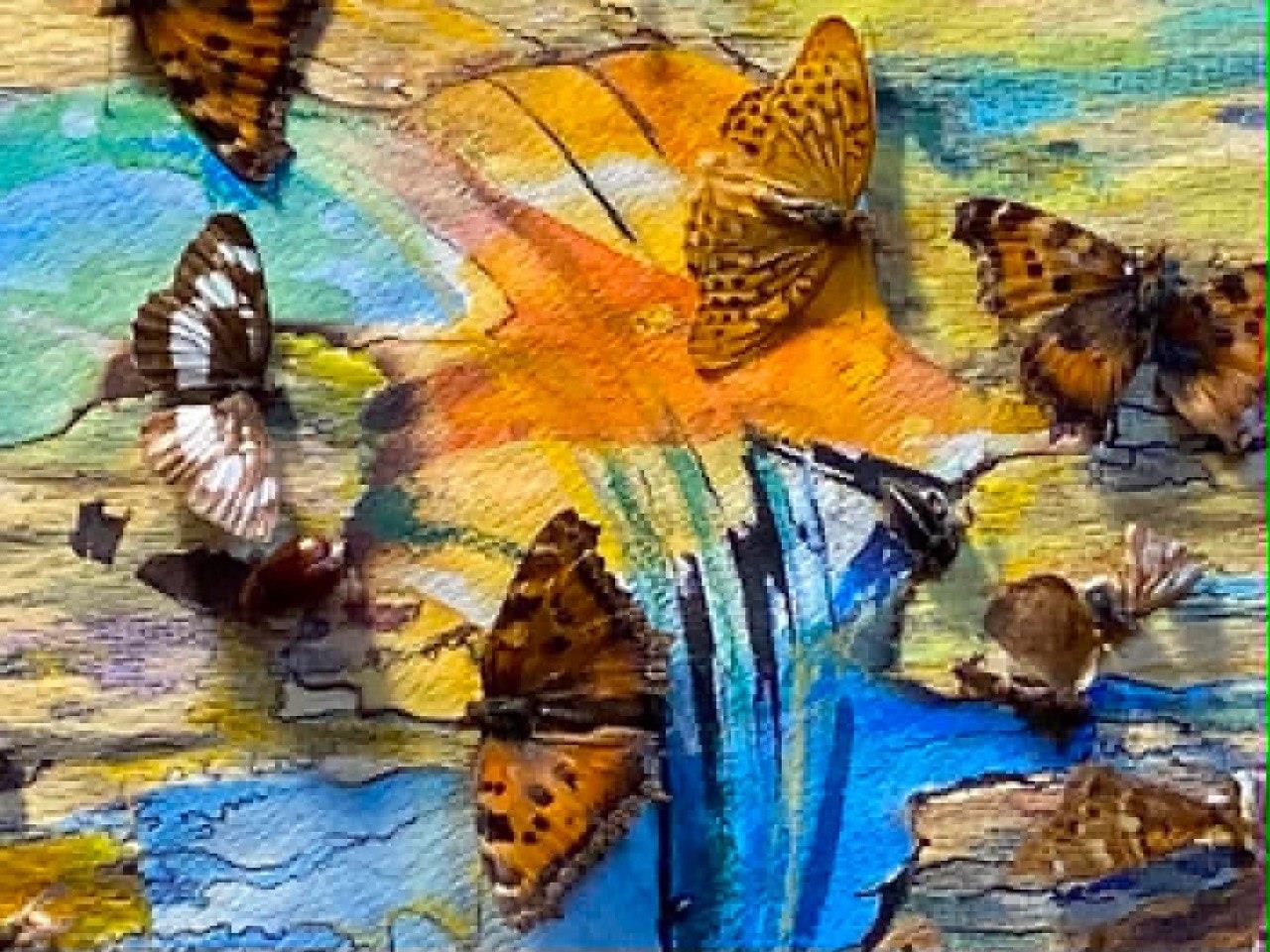
4. Show us an artwork that you would describe as your personal "dialogue with the past."
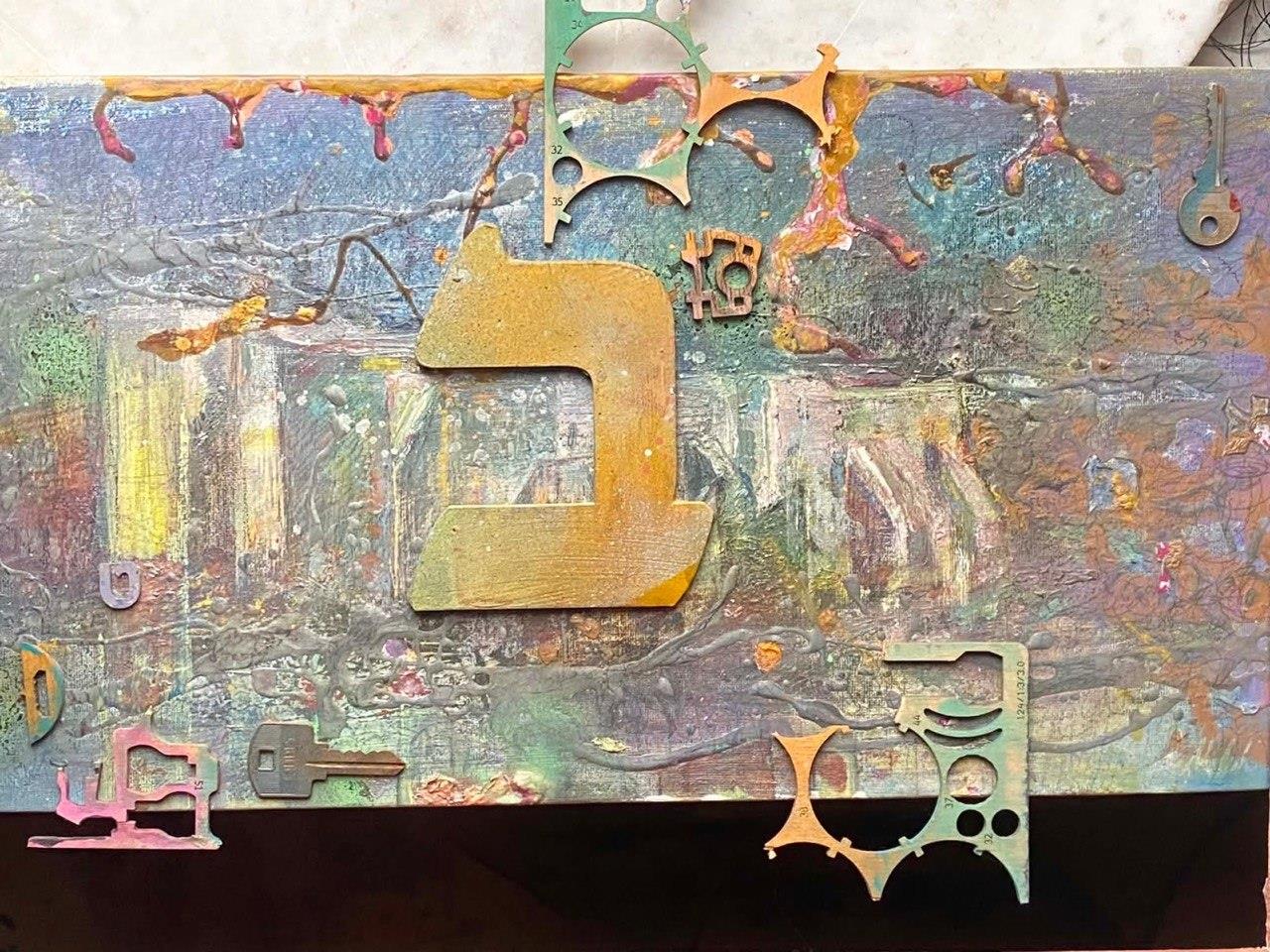
5. Which work would you call your personal manifesto?
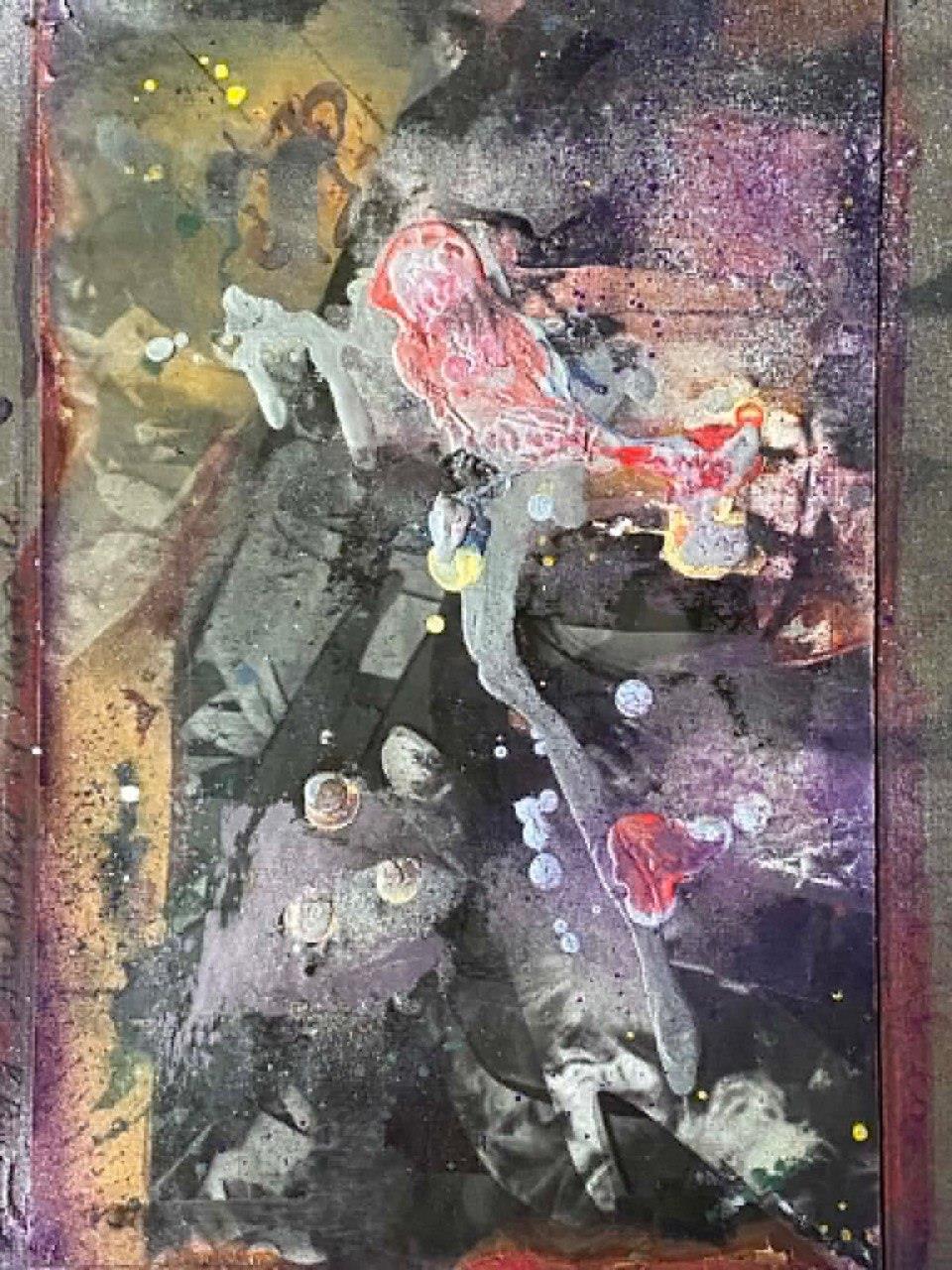
6. Which painting best demonstrates your work with new techniques or non-standard formats?
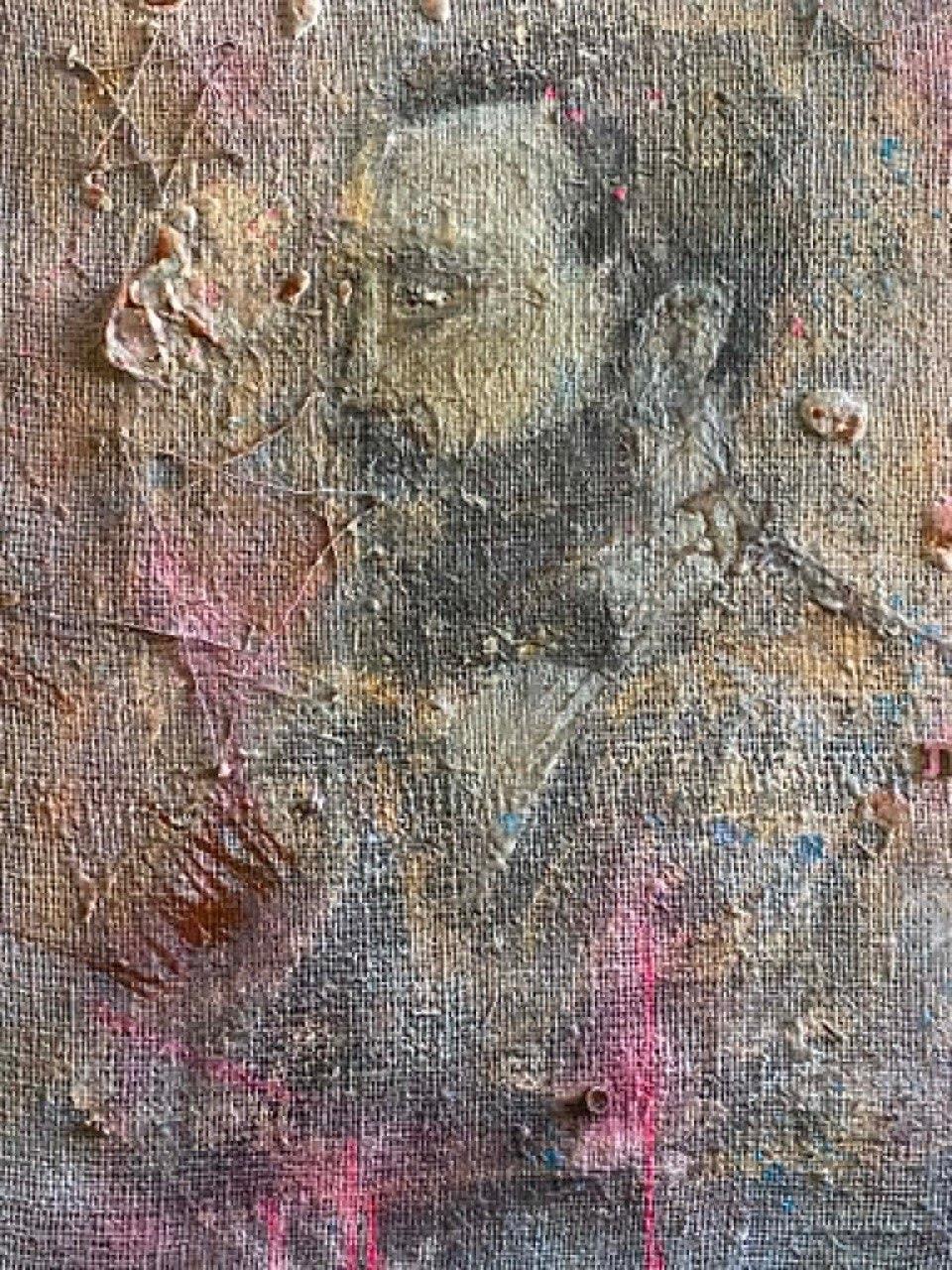
7. Which canvas would you choose as the cover for an unwritten book about your creative path?
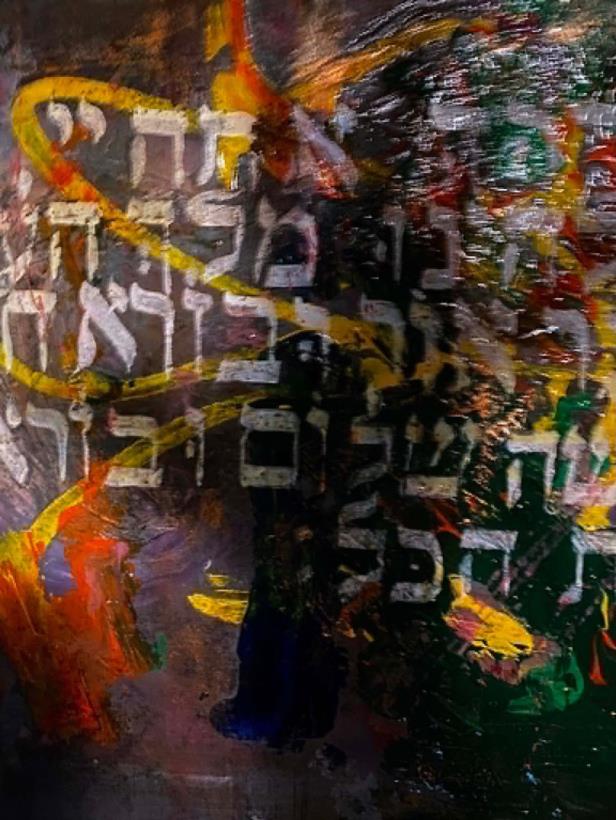
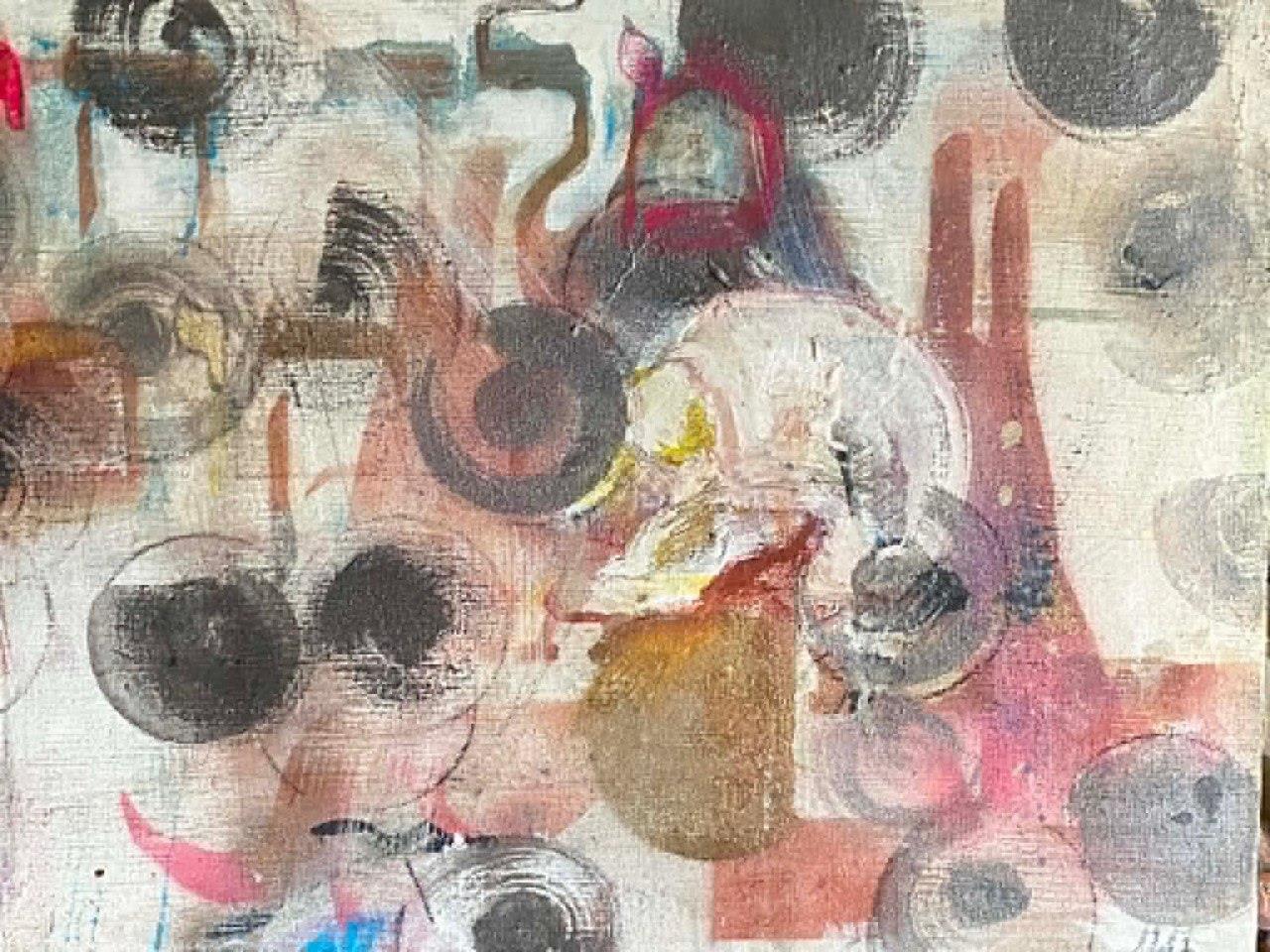
8. Show a work that captures the moment right after a strong storm, literal or metaphorical.
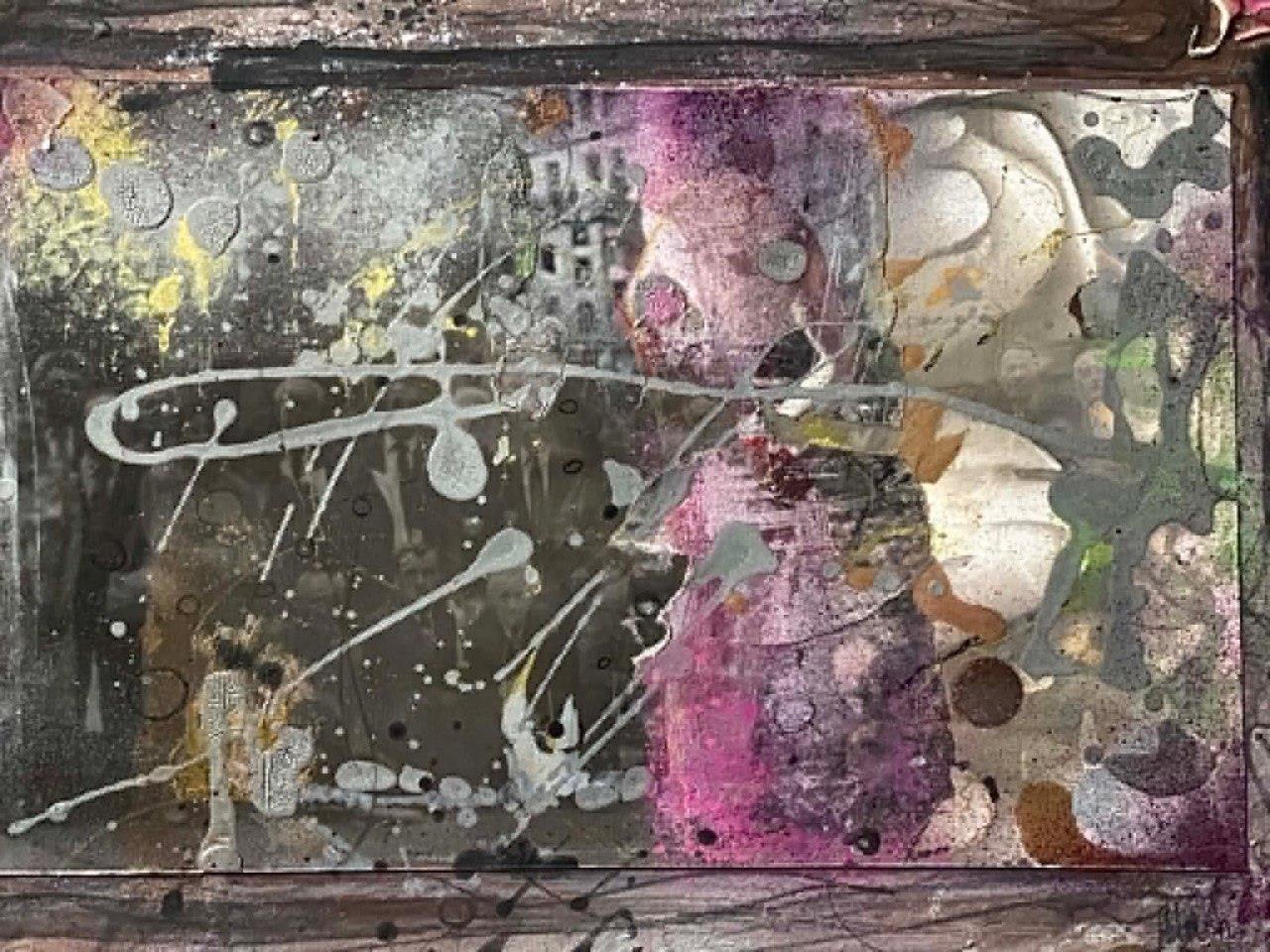
9. Which work acts as a mirror reflecting the hidden fears of modern society?
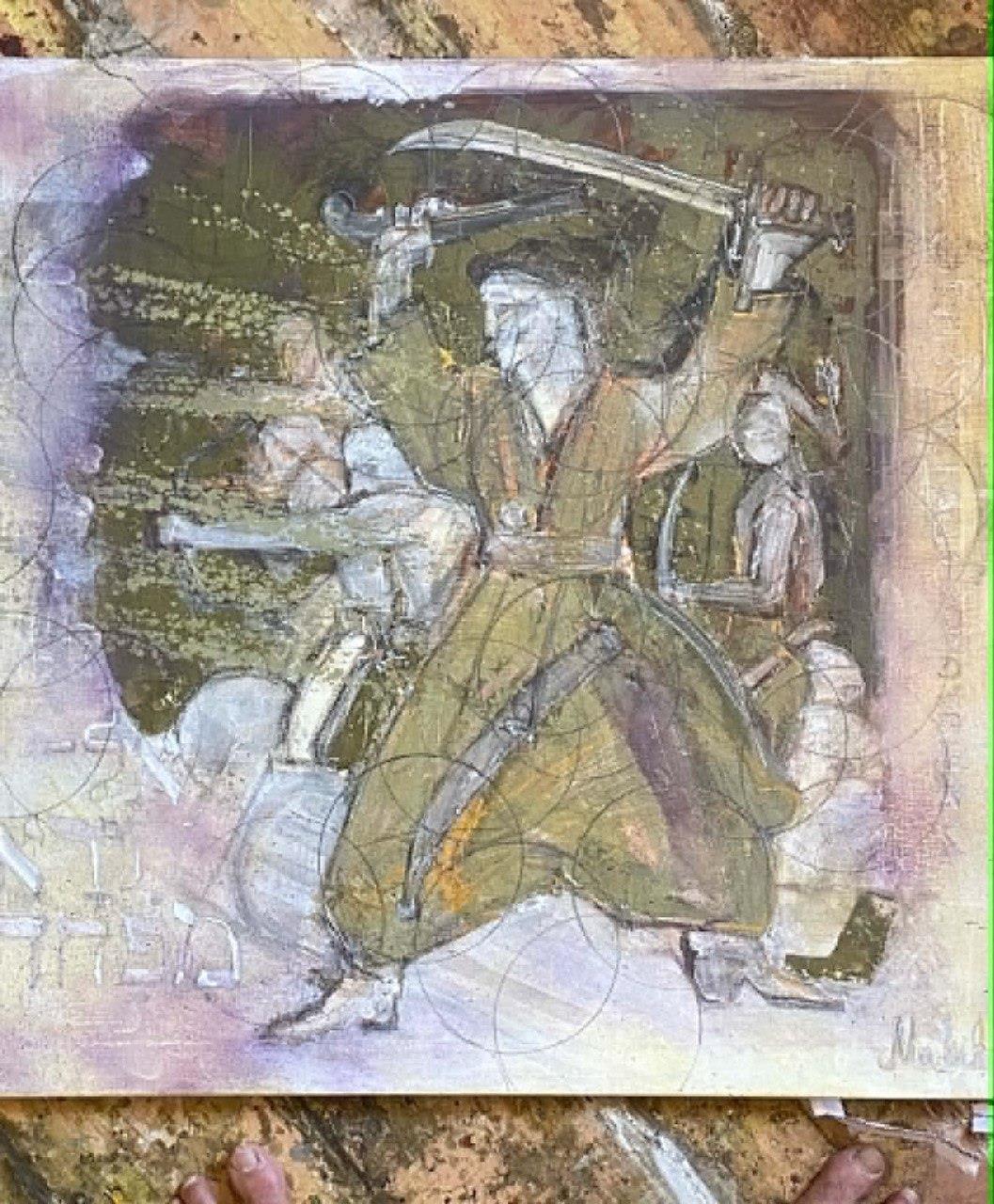
10. Show us the work that you were most reluctant to sell or exhibit for the longest time due to its special personal value.
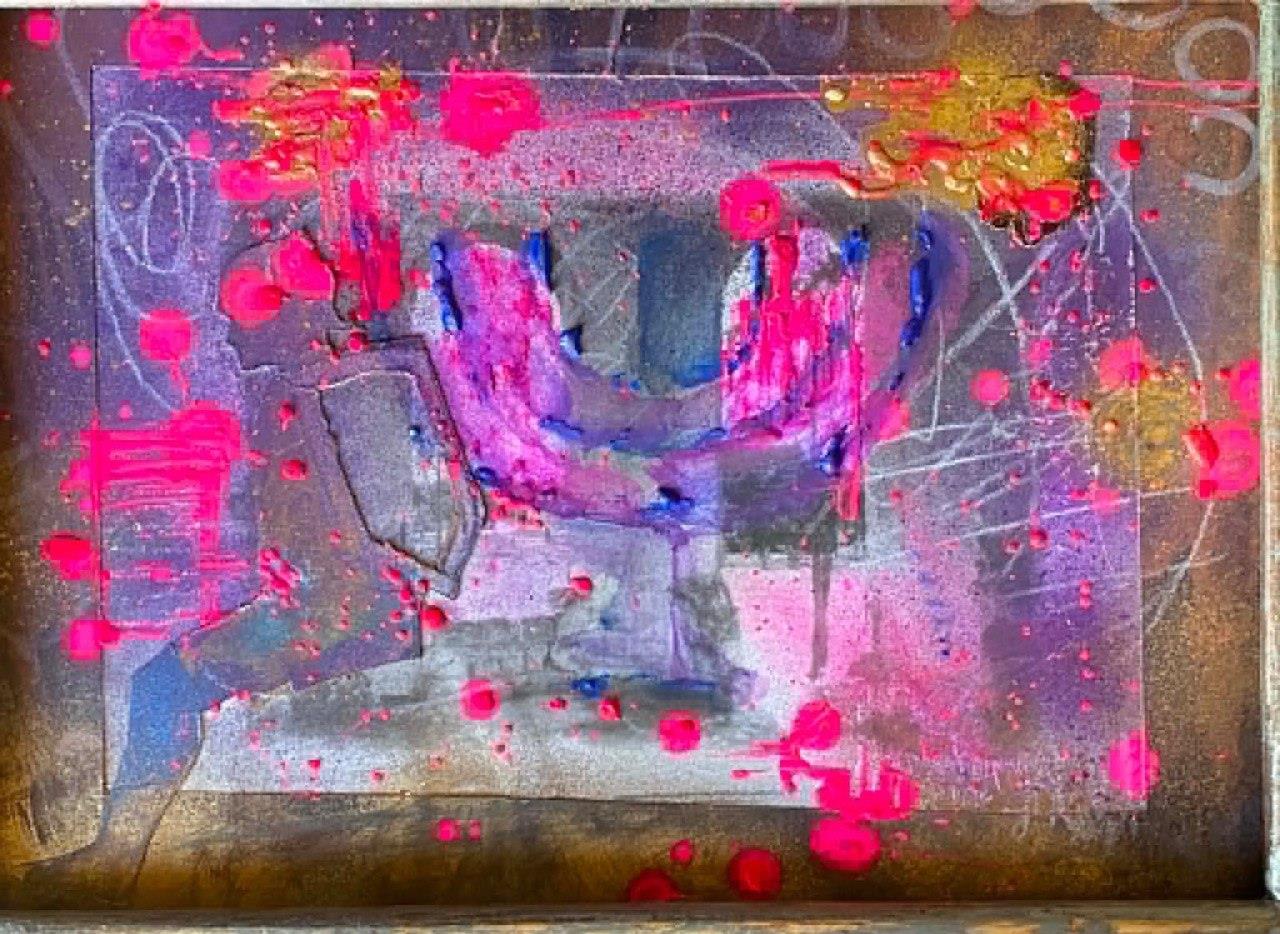
11. Show us the work that you consider your boldest and most successful experiment.
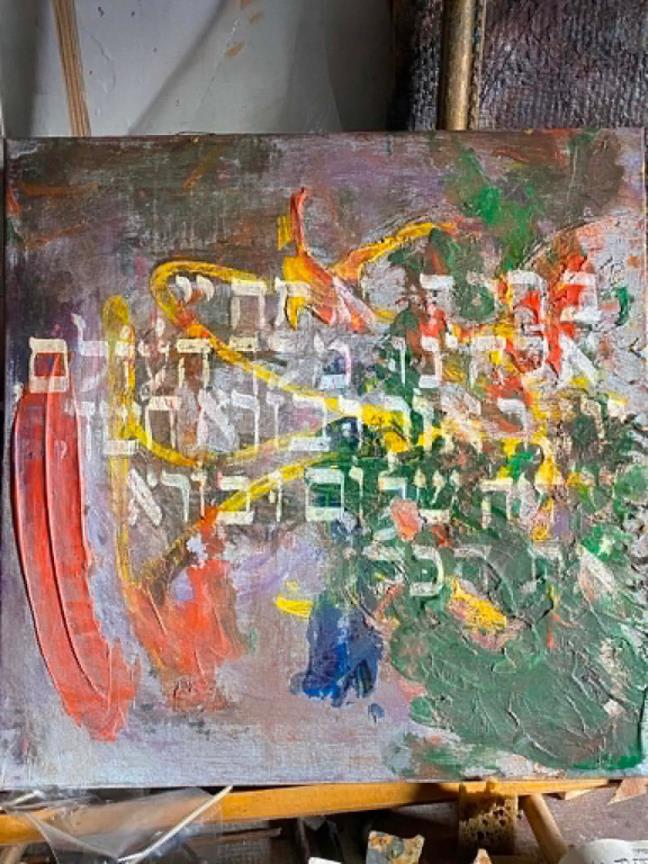
12. Which canvas would you call the absolute quintessence of your current creative series?
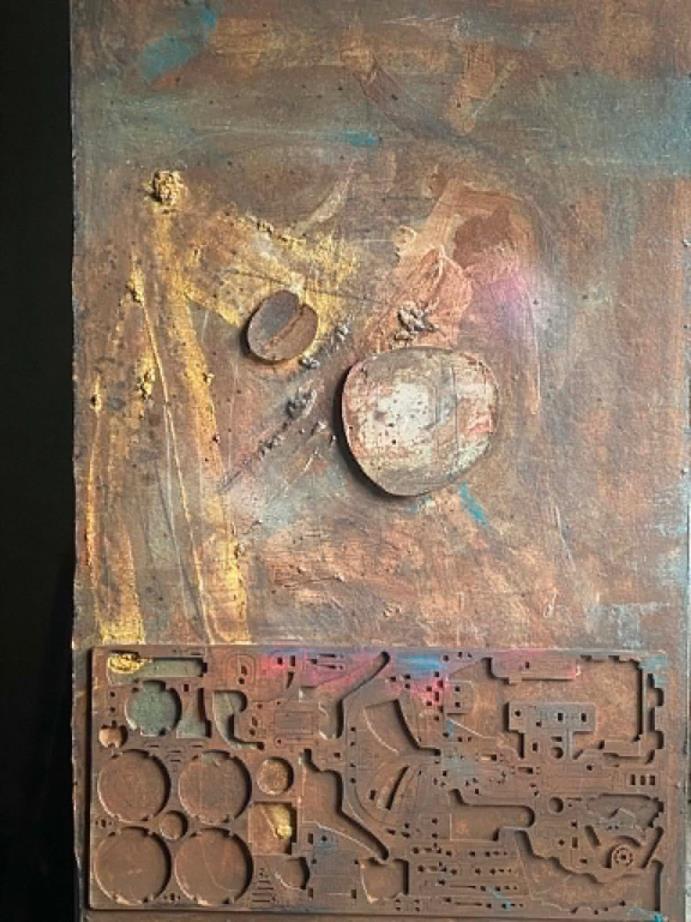
This visual dialogue is just a brief cross-section of Konstantin Malakhovsky's multifaceted work, but it allows one to grasp the main thing: his art does not tolerate statics. Each presented artwork, be it a complex painted portrait on plywood or concise photographic art, opens a portal to the artist's deeply personal world for the viewer.
The format of answers without words clearly proved that to convey complex philosophical concepts and emotional states, honest texture, color, and form are sometimes enough.
Malakhovsky's creative search continues uninterrupted. His readiness for radical experiments with mixed media and materials indicates that the author is far from the usual framework and is constantly expanding the boundaries of his own visual language.
In the context of the contemporary art scene, such uncompromisingness and sincerity are valuable markers that attract the attention of the public, which seeks a live nerve and genuine, unfeigned emotion in art.
To continue the immersion into the author's universe, to follow the development of his creative series and the process of creating new paintings, it is worth turning directly to the primary source.
You can see a more complete collection of works, be the first to know about future exhibitions, and support the artist on his personal page: https://www.facebook.com/kosta.malahovskij/