

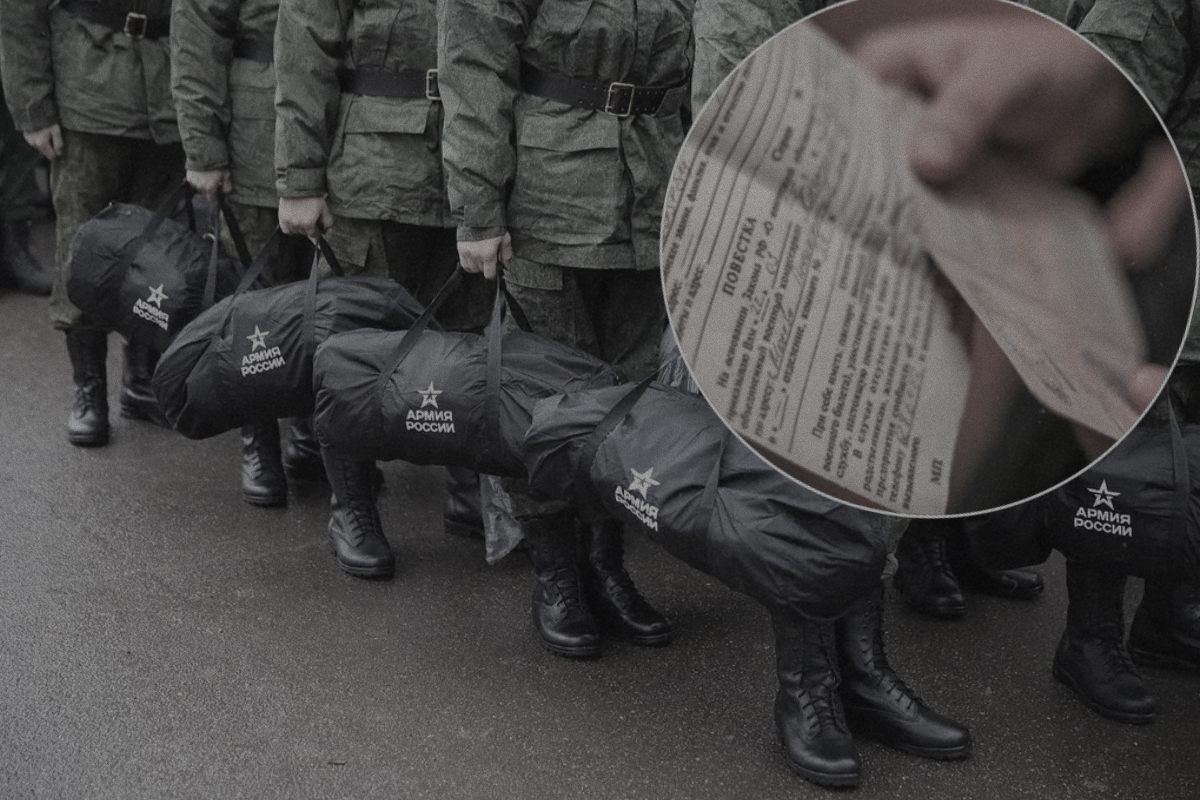
The pace of recruitment into Russia's contract military service is slowing, while a growing number of indicators suggest the Kremlin is increasing its mobilization preparedness.
According to Dmitry Medvedev, deputy chairman of Russia's Security Council, around 200,000 people signed contracts with the Russian Defense Ministry between January and June 2026, while another 16,000 joined volunteer formations. During the same period a year earlier, the figures exceeded 210,000 and 18,000, respectively.
Even official statistics indicate a 5–11% decline in recruitment, while German researcher Janis Kluge estimates that the actual slowdown reached around 20% during the spring.
At the same time, the number of job vacancies related to military registration has risen sharply across Russia. By the end of July, more than 2,500 such vacancies had been posted on the HeadHunter recruitment platform, with nearly one-third appearing during the previous week alone.
Employers are recruiting in Moscow, St. Petersburg, Samara, Nizhny Novgorod, Belgorod, Kazan, Ufa, Krasnodar, Rostov-on-Don, Yekaterinburg, and Khabarovsk. Among the organizations advertising such positions are Roscosmos, Russian Post, and Rostelecom.
Meanwhile, Moscow Region Governor Andrey Vorobyov has expanded the authority of the regional headquarters responsible for mobilization and martial law planning. Separately, reports indicate that Russia's Labor Ministry has advised regional authorities to prepare migrant workers in advance to replace employees who could be drafted into military service.
Public concern also appears to be increasing. In July, Yandex recorded approximately 1.2 million searches related to mobilization. Within one week, the share of Russians describing the public mood as anxious reportedly rose from 53% to 57%.
Demand for rental housing in Armenia has also surpassed levels seen in February 2022, suggesting renewed concern among some Russians about the possibility of mobilization.
Despite these developments, there are currently no clear signs that Russia is preparing for a large-scale call-up of reservists. Procurement of medical supplies and military equipment remains broadly in line with last year's levels.
Analysts believe the Kremlin is unlikely to announce a new wave of mobilization before the parliamentary elections. Instead, it is expected to address personnel shortages through higher financial incentives, increased pressure on employers, and the redistribution of troops between military units.