

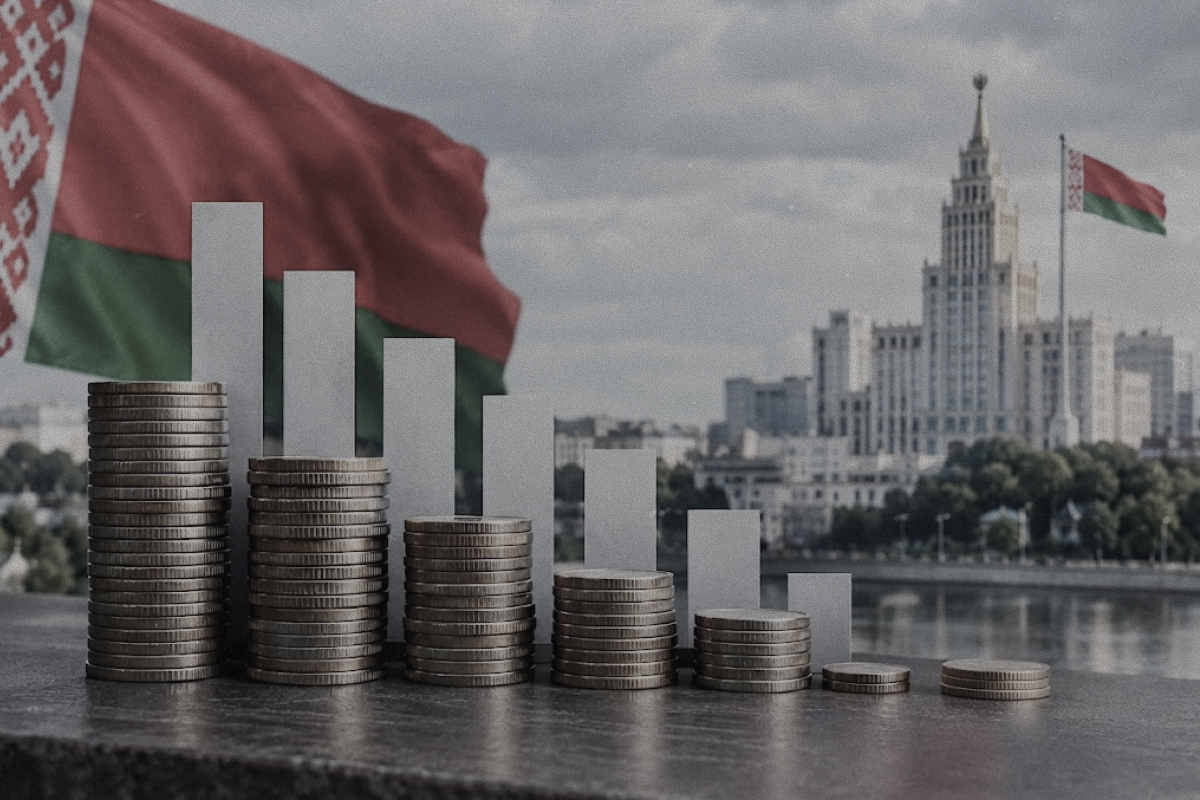
According to an analysis by the Belarusian project Macro.by, Belarusian GDP growth slowed almost eightfold in August, from 5.4% in July to 0.7%. Since the beginning of the year, the growth rate has declined from 2.1% to 1.9%.
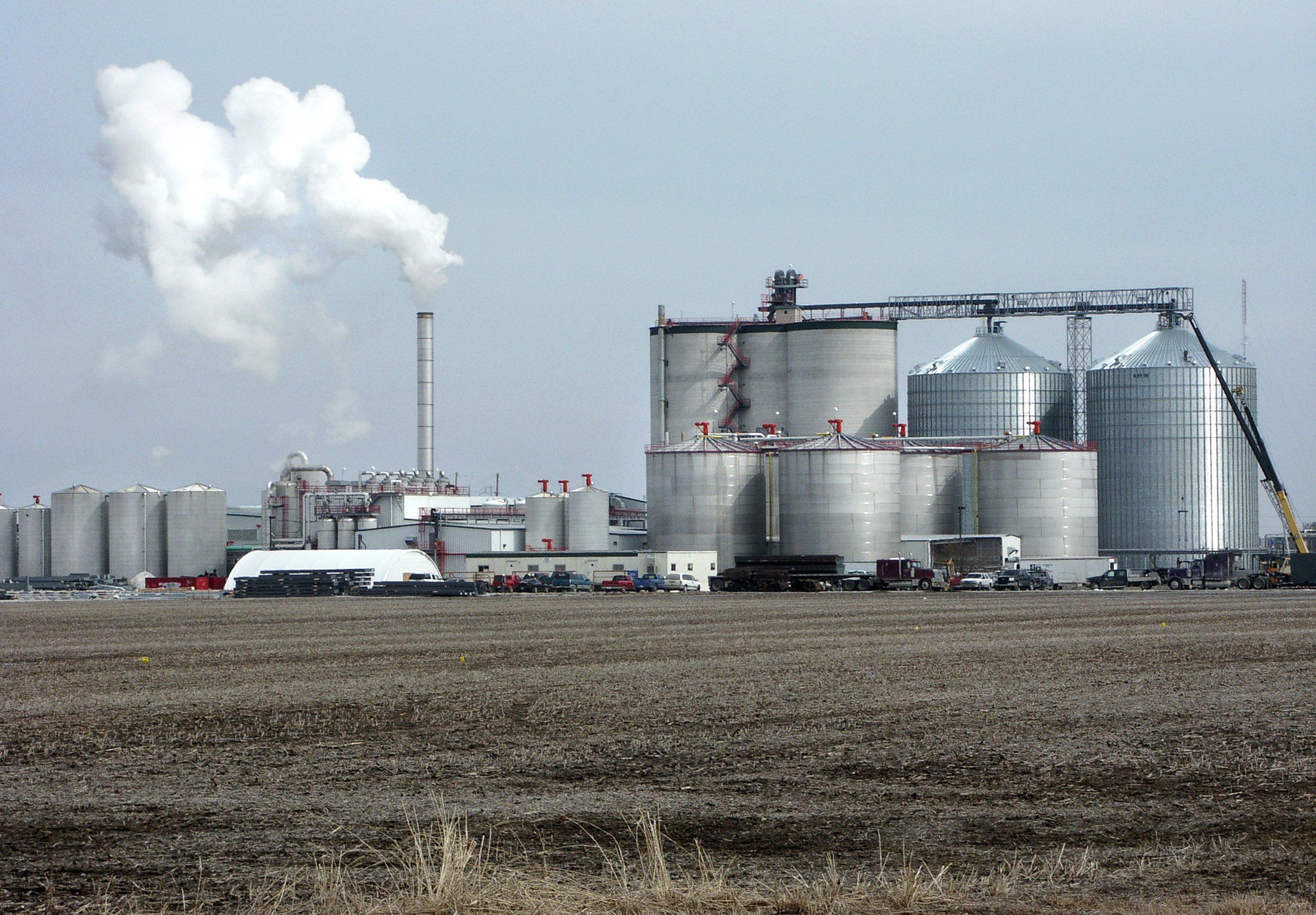
This was largely due to fluctuations in agriculture caused by uneven harvesting rates. In July, agriculture contributed 2.3 percentage points to GDP growth, while in August it reduced growth by 0.6 percentage points. The grain and rapeseed harvest in August was almost 24% lower than a year earlier.
Industry also lost momentum. After growing by 4.9% in July, industrial output increased by only 1.2% in August. Production in light industry fell by almost 8%. Manufacturing output declined in Minsk and in the Minsk, Mogilev and Vitebsk regions.
Manufacturing industries are being affected by weaker investment demand in Russia and logistics problems on the Russian market. This significantly limits opportunities for Belarusian companies focused on the Russian market.
Domestic consumption continues to grow for now, supported by budgetary and quasi-budgetary injections as well as lower interest rates. Domestic trade turnover increased by 8.4%.
Macro.by estimates that, in the absence of major external shocks, Belarusian GDP could grow by 2–2.5% in 2026. At the same time, broad money supply is likely to increase by more than 20%. This will make it more difficult to bring down inflation, which is forecast at 5–6% in 2026 and 6–7% in 2027.
This means that even growth of 2–2.5% would require further injections of money into the economy. This would support demand while maintaining high inflationary pressure. With weaker external demand and problems in industry, this raises questions about the quality of such growth and whether it can be sustained without continued state intervention.