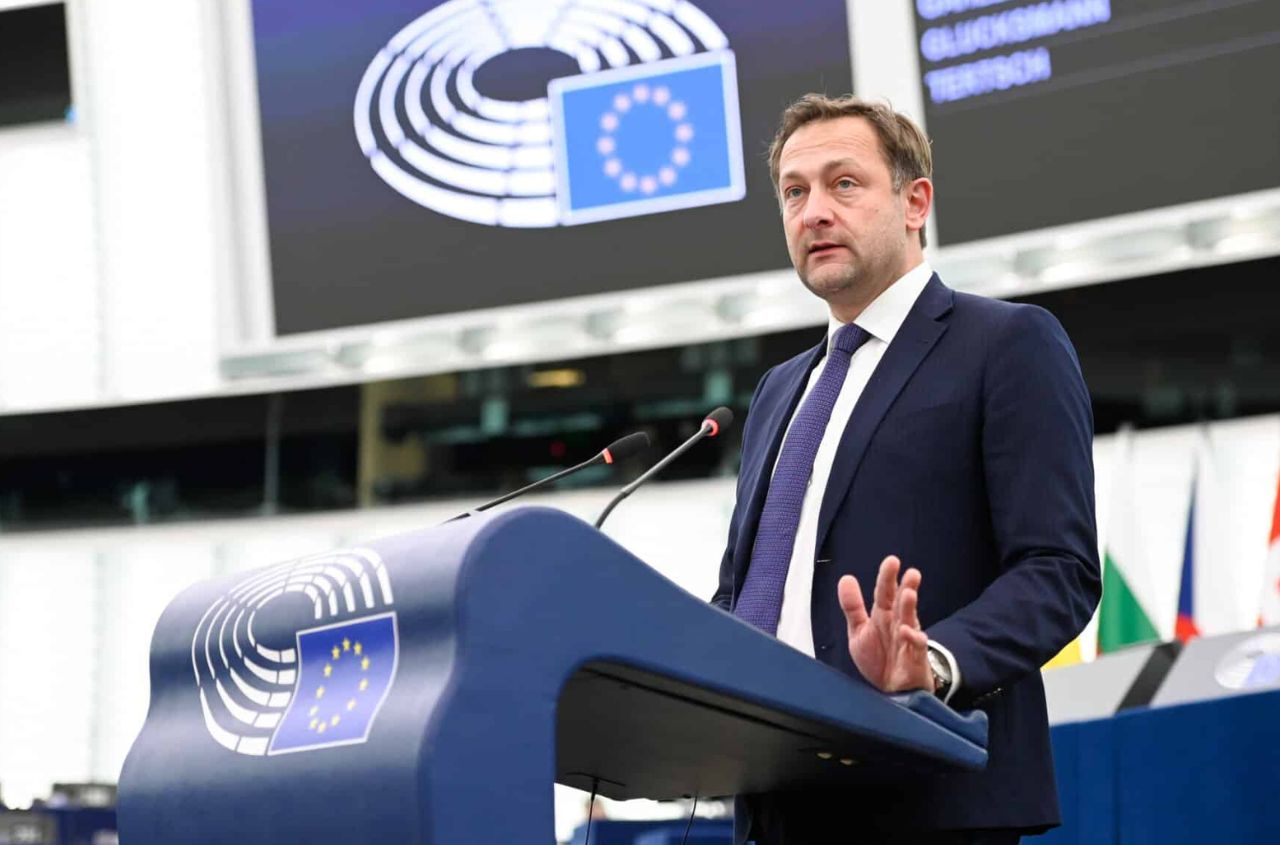


The Council of the European Union has decided to extend individual restrictive measures against individuals and entities responsible for Russia's destabilising activities abroad for another year, until October 9, 2027. The decision was announced on the Council of the EU's official website.
The extension comes in response to Russia's continued and intensifying hybrid activities, including information manipulation and interference targeting the European Union, its member states and partners.
The sanctions regime currently covers 80 individuals and 20 entities.
All those listed are subject to asset freezes, while EU citizens and companies are prohibited from making funds or economic resources available to them. Individuals are also subject to travel bans, preventing them from entering or transiting through EU territory.
The legal framework for restrictive measures in response to Russia's destabilising activities was established on October 8, 2024. It allows the EU to impose sanctions on individuals and entities involved in actions and policies of the Russian government that undermine the EU's fundamental values, security, stability, independence and territorial integrity, as well as destabilising operations against third countries and international organisations.
The European Union stressed that it would continue using the full range of available instruments to prevent, deter and respond to hostile hybrid activities by Russia and its proxies.
On October 7, ahead of the Council's decision, EU member states' ambassadors (Coreper) reportedly agreed on the largest expansion of sanctions listings against Russia to date.
According to diplomatic sources, the new measures cover 1,569 individuals and entities, including 743 individuals and 826 companies linked to Russia's military-industrial complex, as well as 77 individuals involved in illegitimate elections to the Russian State Duma in the occupied territories of Ukraine.
The expansion is part of the sanctions agenda announced by EU foreign policy chief Kaja Kallas and is expected to receive formal approval at the EU Foreign Affairs Council meeting on October 12.