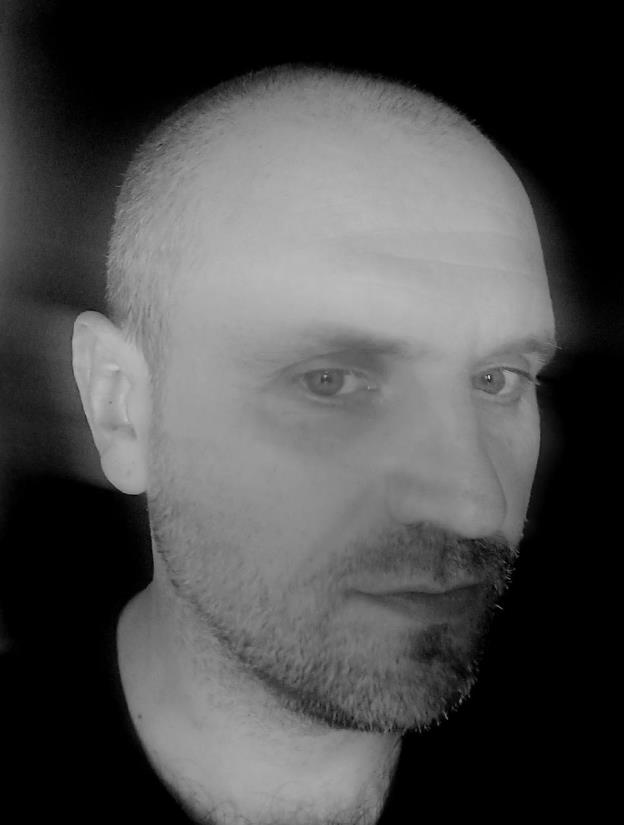

Main image: Yaroslav Voitsekhivskyi (Instagram page)
The fifty-ninth interview by Andrey Sheptunov
The Odessa art scene has always been celebrated for its distinctive voice and nonconformism, yet modern realities demand more than just aesthetic exploration from an artist—they require unyielding sincerity and an active civic stance. Within this complex, pulsing environment, a new generation of creators is taking shape, for whom art has become an extension of personal struggle, a testament to a historic turning point, and a medium of direct dialogue with society.
Yaroslav Voitsekhivskyi is one of the most prominent, uncompromising, and distinctive voices of the contemporary Odessa underground. His artistic path is far from academic detachment: balancing his job as a chef with a relentless passion for painting, he creates art in rare spare hours, seizing time between kitchen shifts and proving that a genuine creative drive knows no everyday barriers.
Yaroslav’s artistic signature is built at the intersection of expressive easel painting, graphics, and street art aesthetics. His canvases and drawings are distinguished by visual density, bold palettes, and raw emotional tension. He tackles large-scale formats and intricate metaphorical narratives where personal experiences intertwine with global trials of the era, and sacred imagery stands alongside biting anti-war satire.
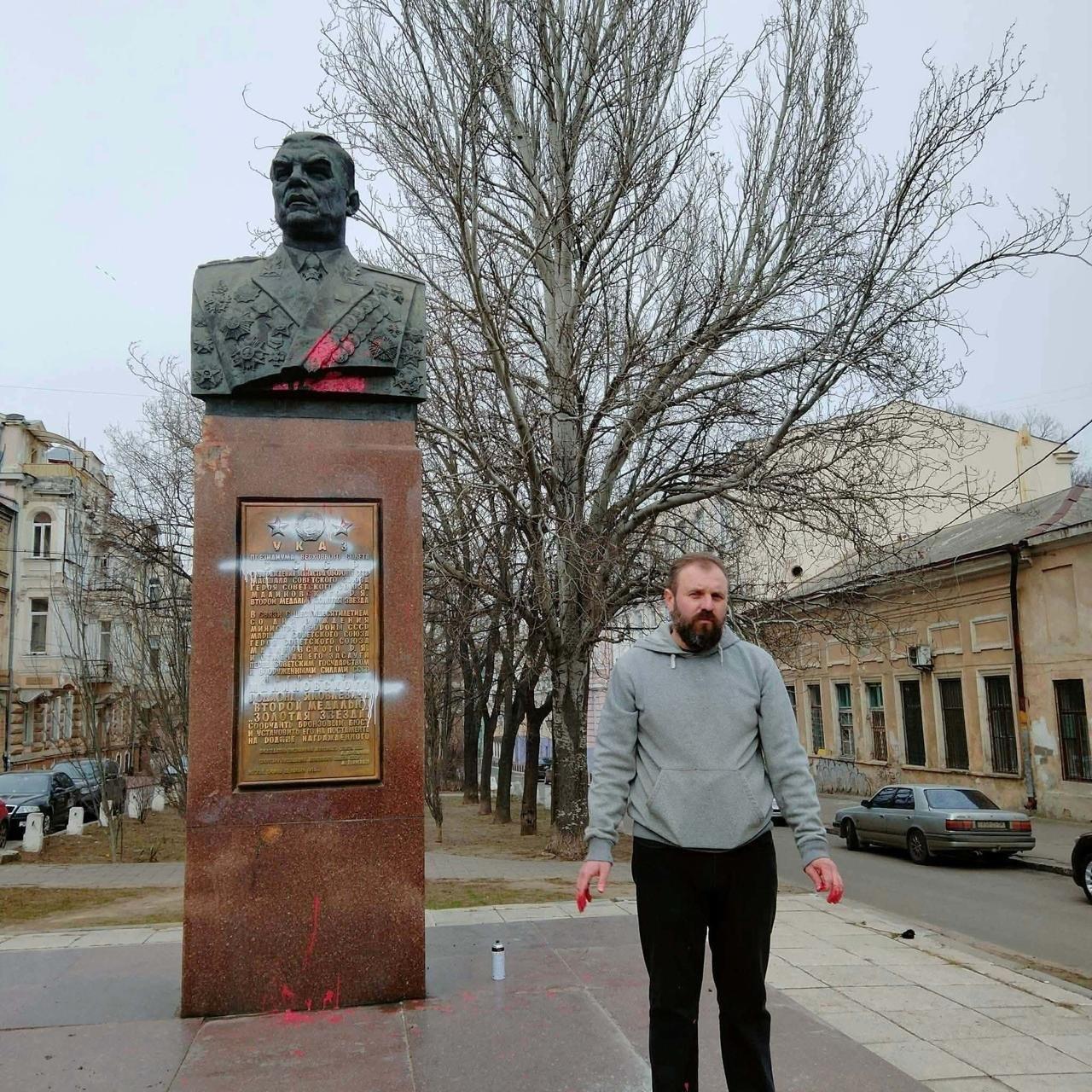
Performance and street art occupy a special place in Voitsekhivskyi’s practice, turning paint into a vehicle for direct action. His radical urban interventions are not mere provocations, but deliberate deconstructions of imperial narratives and a call to rethink the city's cultural memory. By throwing paint over symbols of the past or marking them in public spaces, Yaroslav shifts the museum discourse into the realm of street protest, compelling society to react here and now.
At the same time, the artist remains an integral part of the local art community that nurtures independence and squatter freedom. His presence is felt in unique grassroots hubs like "ArtDvorovik" in Ottonovskyi Lane, home to spontaneous studios, alternative exhibitions, and a vibrant artistic environment unconstrained by commercial rules.
From the first days of the full-scale invasion, Yaroslav's work became an artistic journal of resistance. Ranging from concise ink-marker drawings on paper to monumental projects such as six-meter works dedicated to the defenders of Mariupol, his art captures the spirit of our times, the pain of loss, and an steadfast belief in victory, responding not only to events across Ukraine but also to the tragedy of terror worldwide.
The core pillar of Voitsekhivskyi’s practice is absolute creative autonomy. Working beyond institutional dictates and curatorial templates, he finds in art a means of personal catharsis and a platform for uncompromising gestures. Each of his works challenges circumstances, demonstrating internal discipline and a readiness to speak truth through canvas and paint.
In our special visual interview, Yaroslav Voitsekhivskyi responds to questions not only with words, but through his artworks, revealing the stories behind his key canvases, graphic pieces, and performances:
1. Show us a work where street protest energy and easel painting converge in a single impulse.
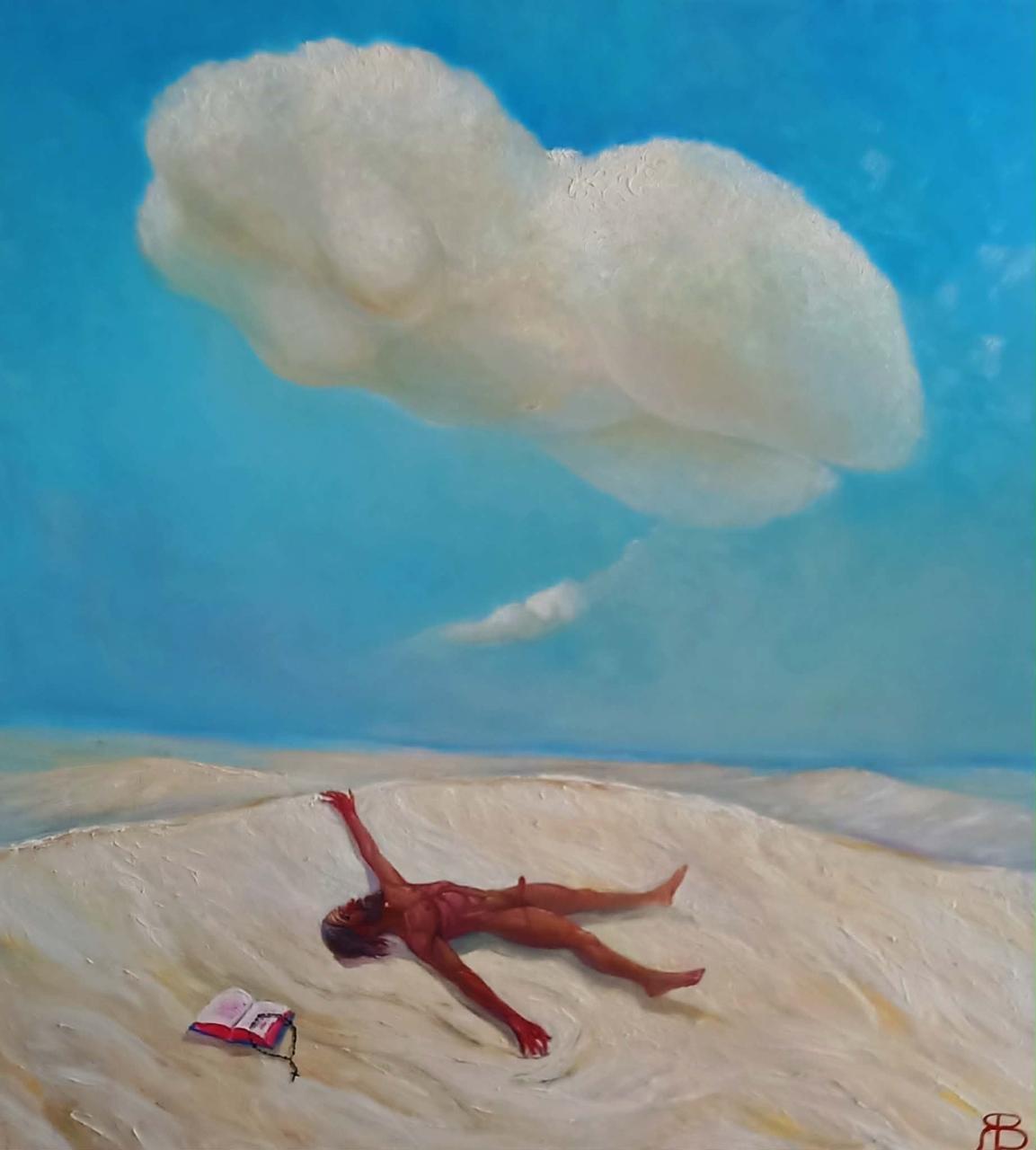
2. Which of your paintings captures that exact state when a canvas is painted during rare free hours between kitchen shifts?
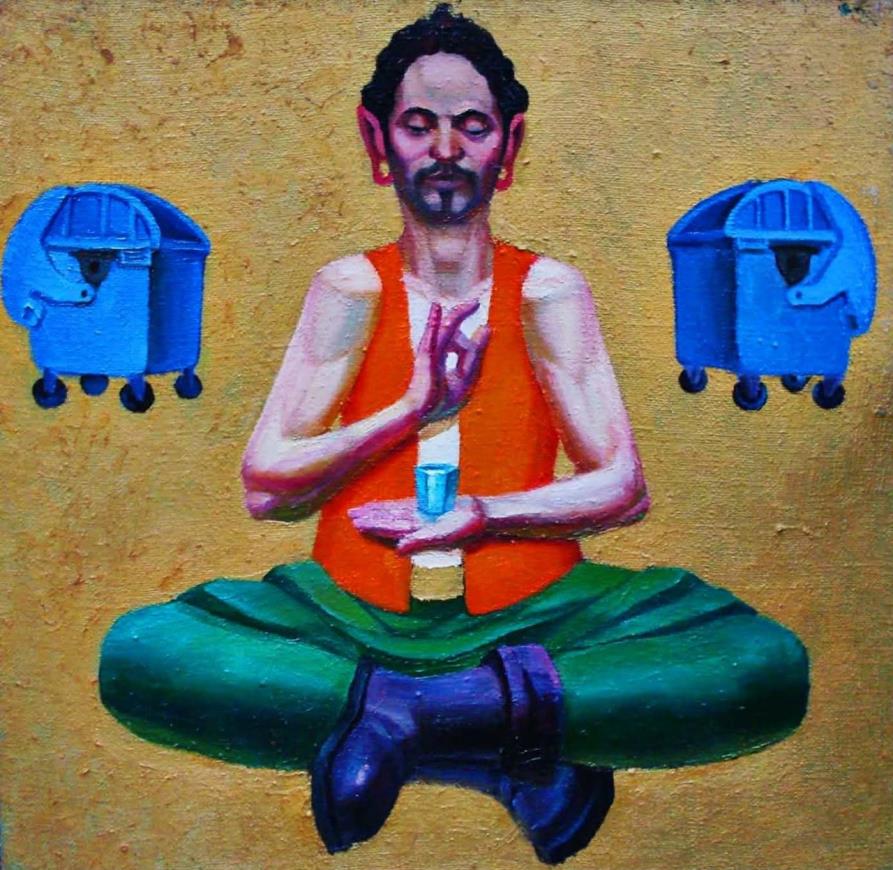
3. Which work best reflects the spirit of the Odesa underground and spontaneous independent spaces?
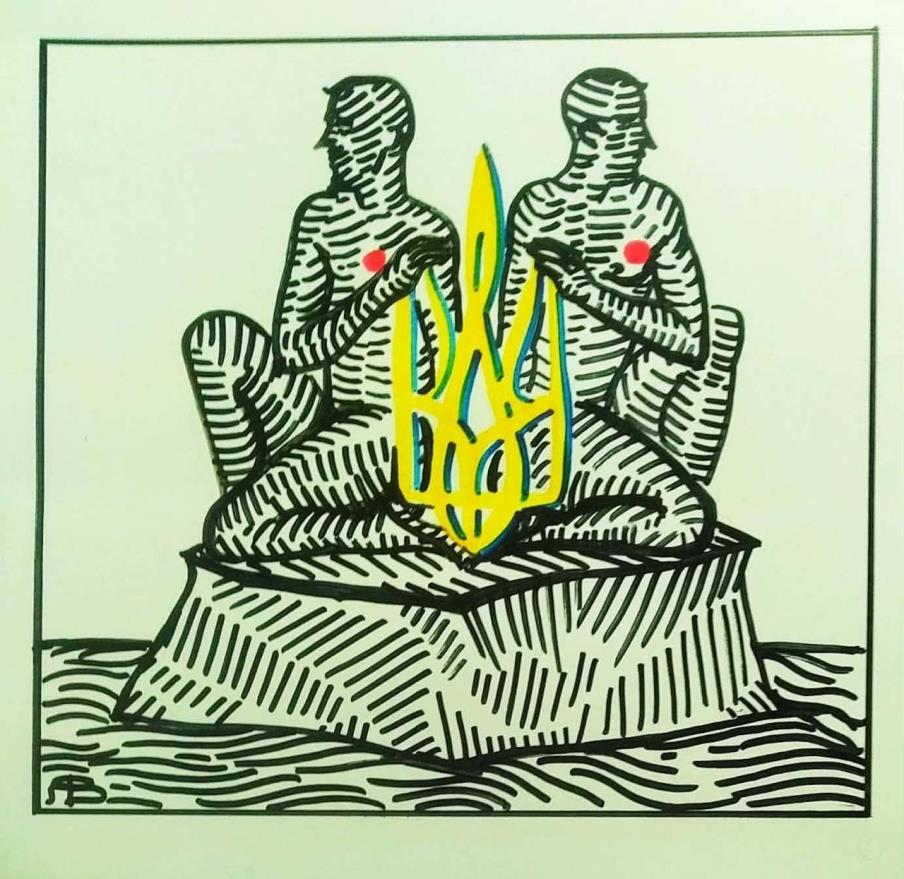
4. Show a painting that captures the initial shock of the start of the full-scale war.
5. Which of your works most uncompromisingly captures the historical rupture and the purging of alien symbols from the urban space?
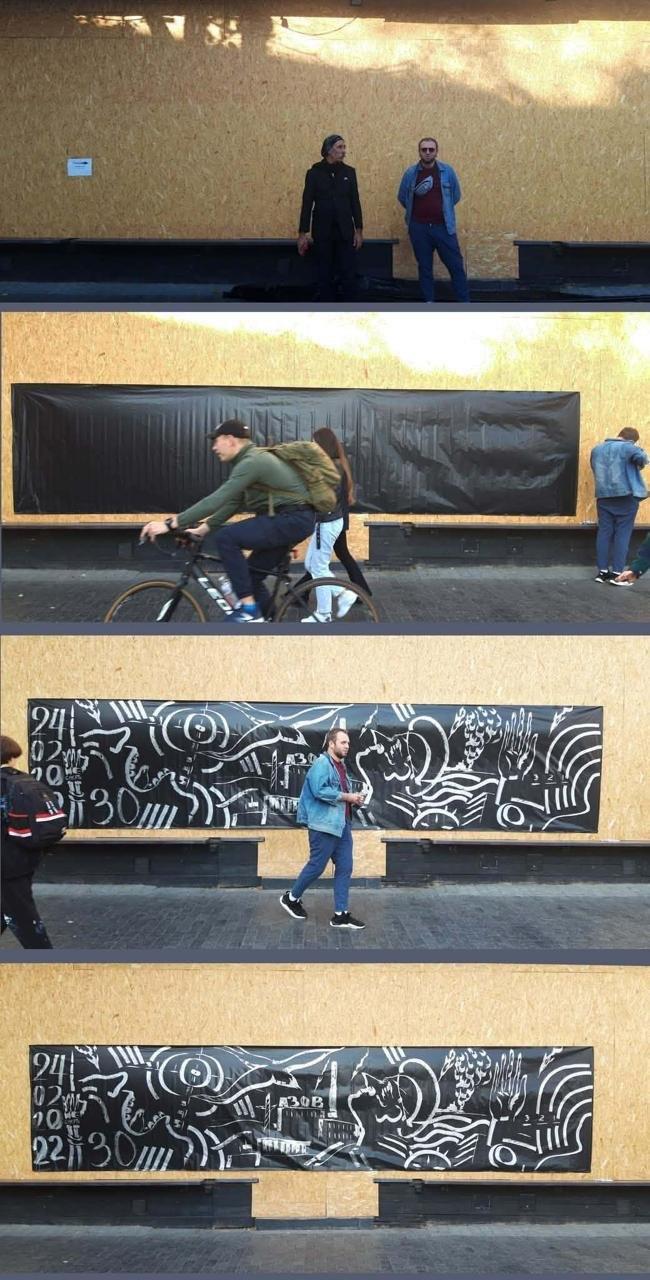
6. Share a work where you managed to convey solidarity with people enduring the tragedy of terror thousands of kilometers away from Odessa.
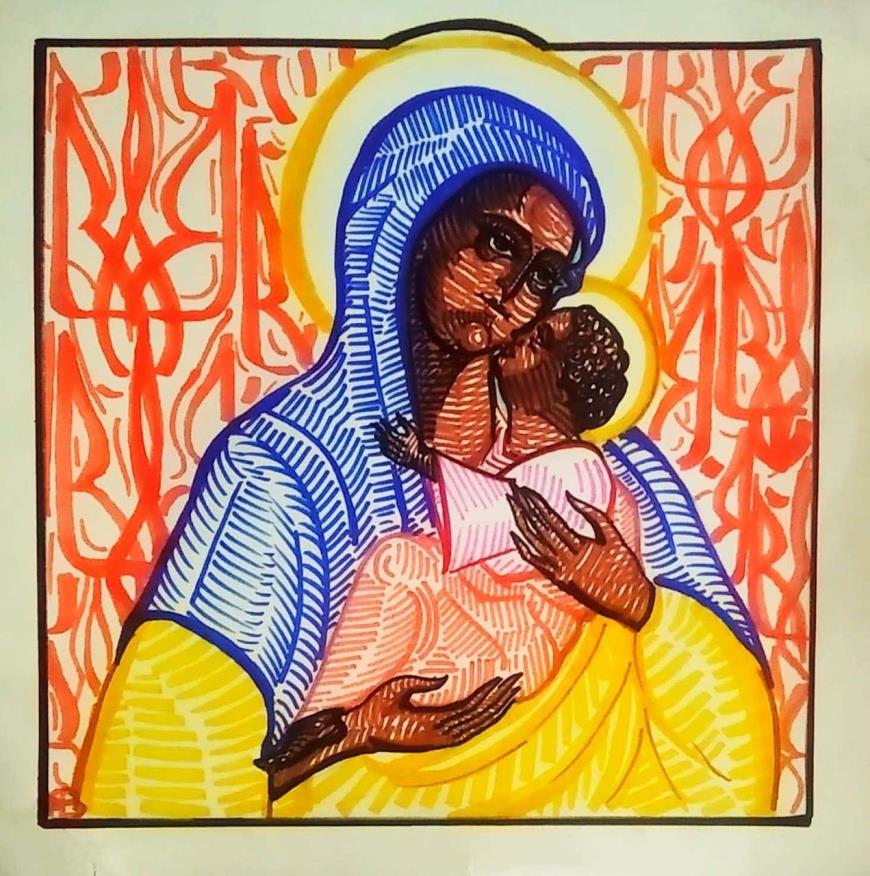
7. Which of your paintings contains your most fierce and direct civic gesture?
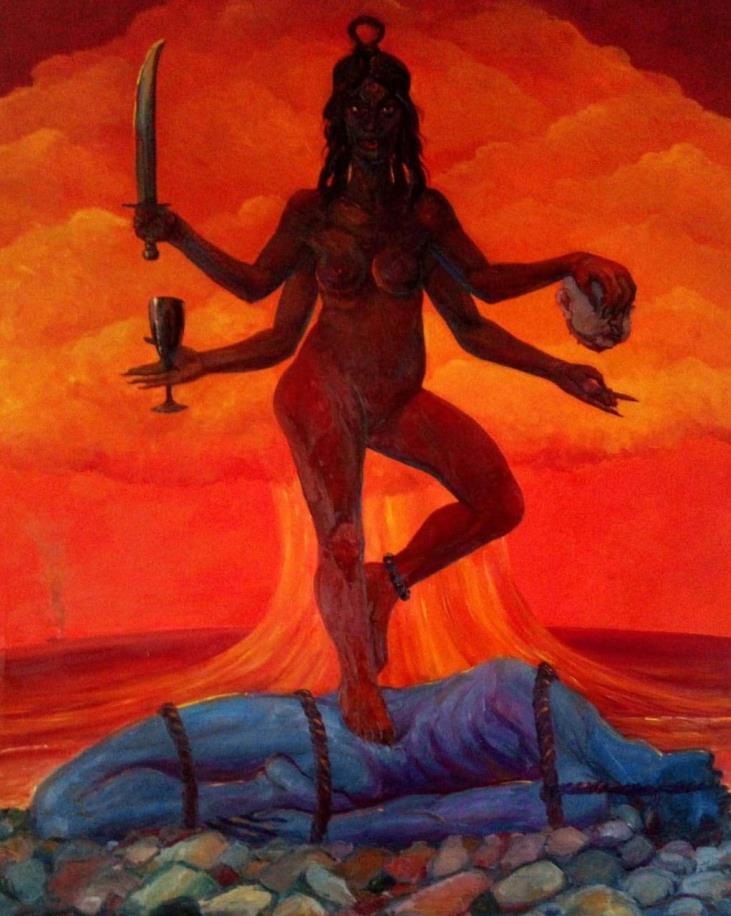
8. Which of your works served as your strongest response to imperial myths woven into the fabric of your native city?
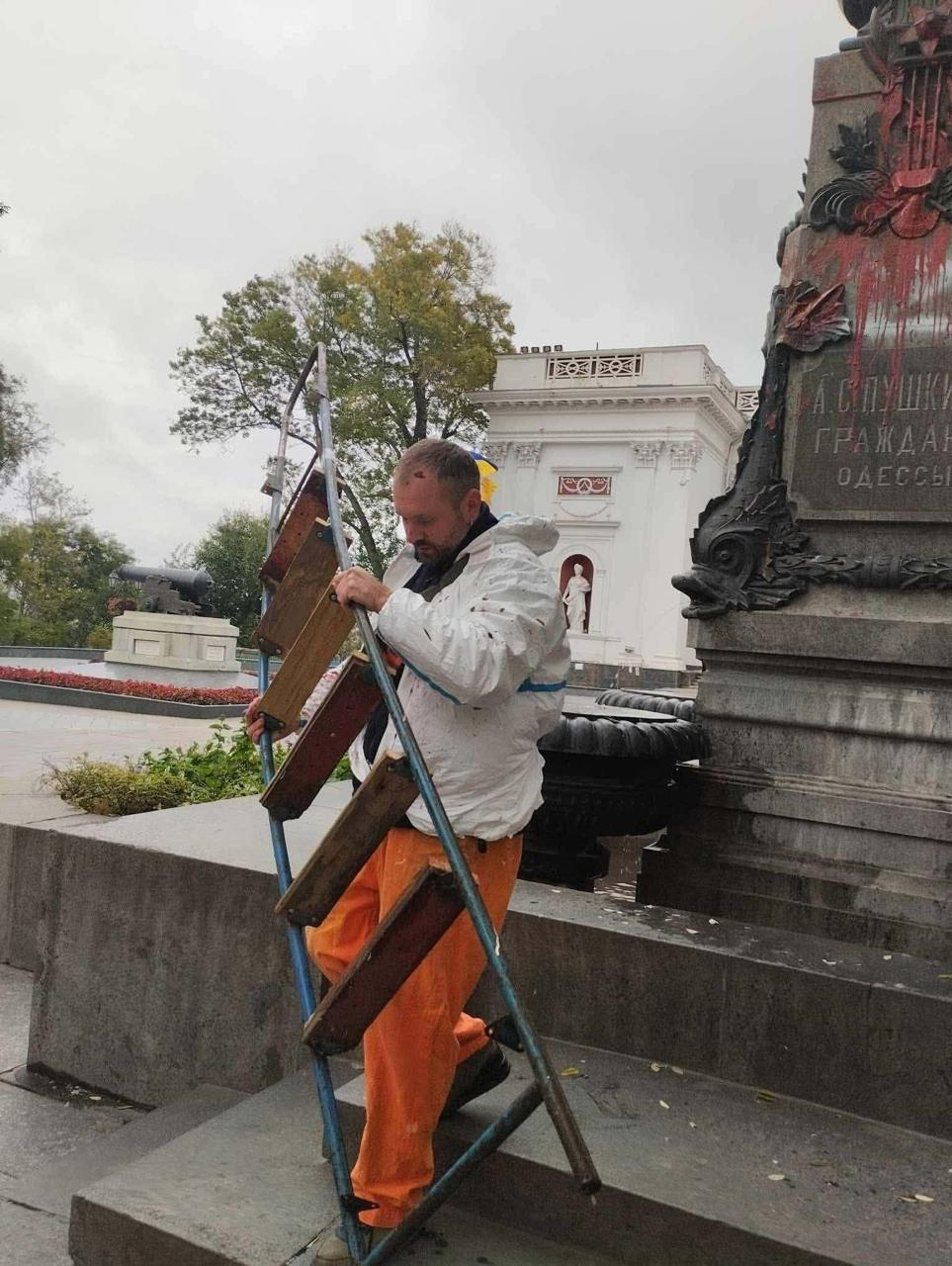
9. Which painting serves as an absolute manifesto of creative freedom without regard for curatorial frameworks and rules?
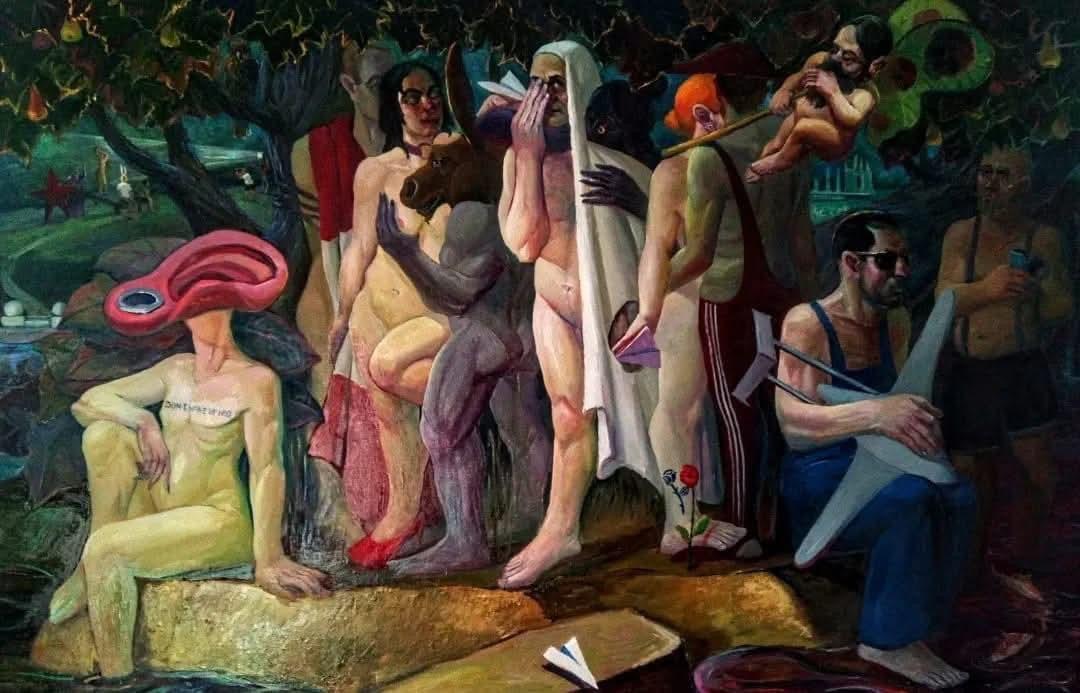
10. Which of your works most accurately conveys the atmosphere and spirit of Odesa courtyards, squats, and alternative galleries?
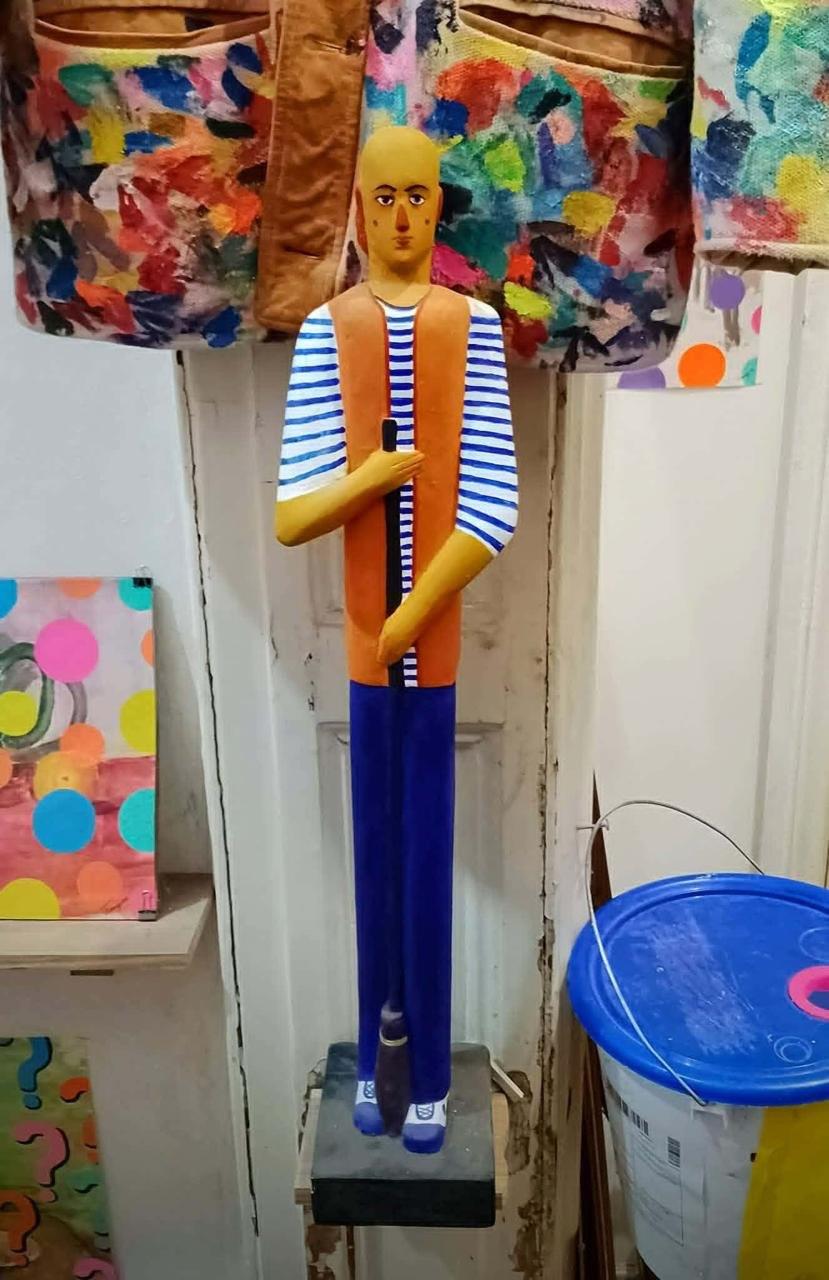
11. Share a canvas that required the ultimate push out of your comfort zone — both as a person and as an artist.
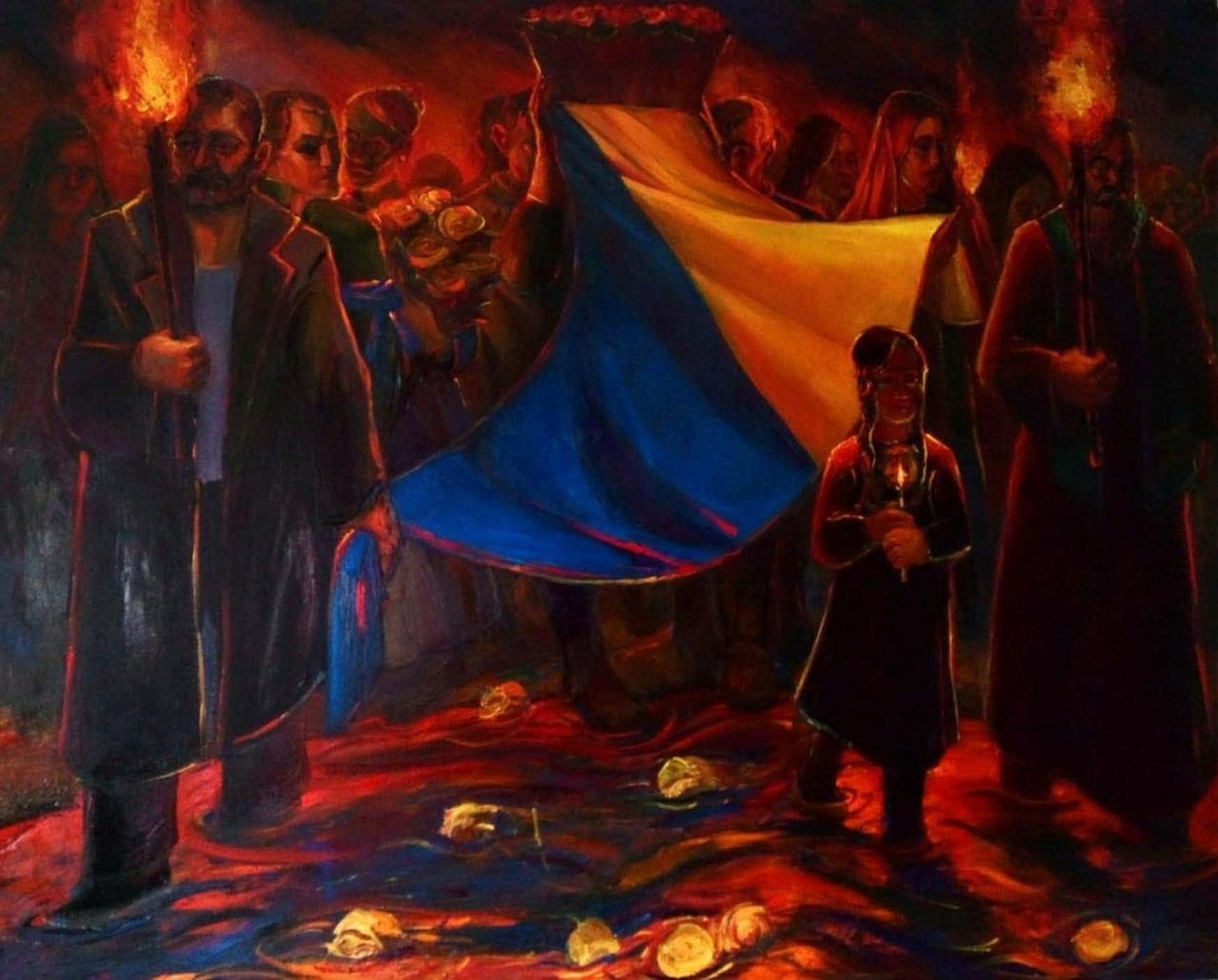
12. Which work best formulates your artistic credo: to create here, now, and against all odds?
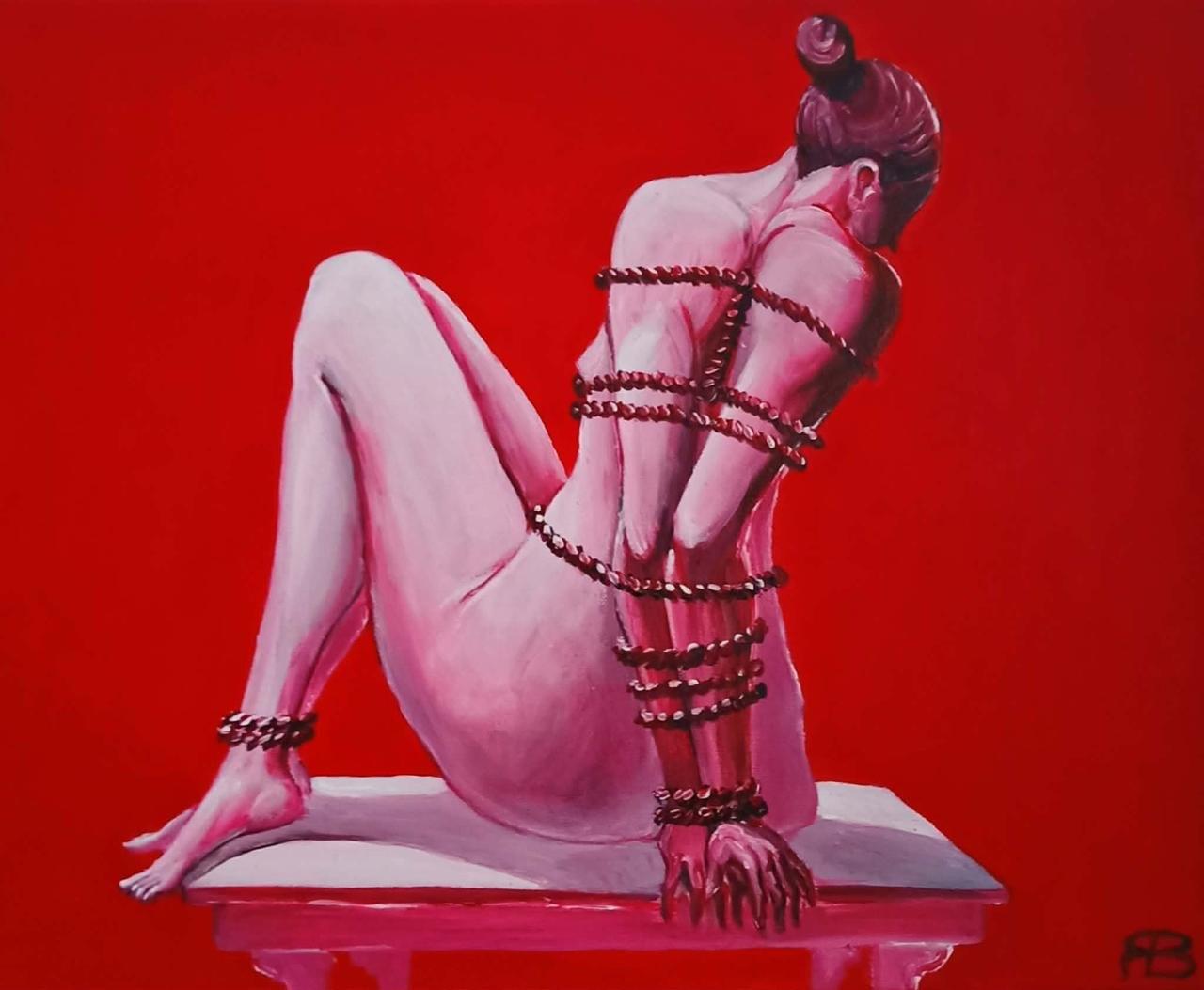
The work of Yaroslav Voitsekhivskyi stands as clear proof that genuine art does not require sterile conditions or institutional validation to make a powerful, uncompromising impact. Balancing an exhausting work routine with an unstoppable urge to create, he transforms every canvas and street gesture into an affirmation of personal and national freedom. His practice dissolves the boundaries between the studio, the cityscape, and the personal journal: paint becomes direct action, and protest evolves into visual aesthetics.
Remaining dedicated to the spirit of the Odesa underground and alternative spaces like "ArtDvorovik", Yaroslav continues to document tectonic historical shifts through profoundly honest, emotionally charged imagery. Whether through monumental anti-war canvases, graphic chronicles of resistance, or resonant street performances, his art unswervingly captures the pulse of the era, defying imperial myths and global indifference.
Voitsekhivskyi’s story serves as a reminder that being an artist today means having the courage to speak aloud, creating despite exhaustion and adversity, and forging a new visual memory for his hometown. You can follow the artist's upcoming projects, his "Desert of Desire" series, and recent public interventions on his personal Facebook page.