

By Vadym Skibitsky for RBC Ukraine
According to estimates by the Main Intelligence Directorate, in terms of the number of Kh-101, Kalibr, and Kh-32 cruise missiles launched, July ranked second only to February. In February, Russia launched 157 such missiles against Ukraine, compared with 153 in July.
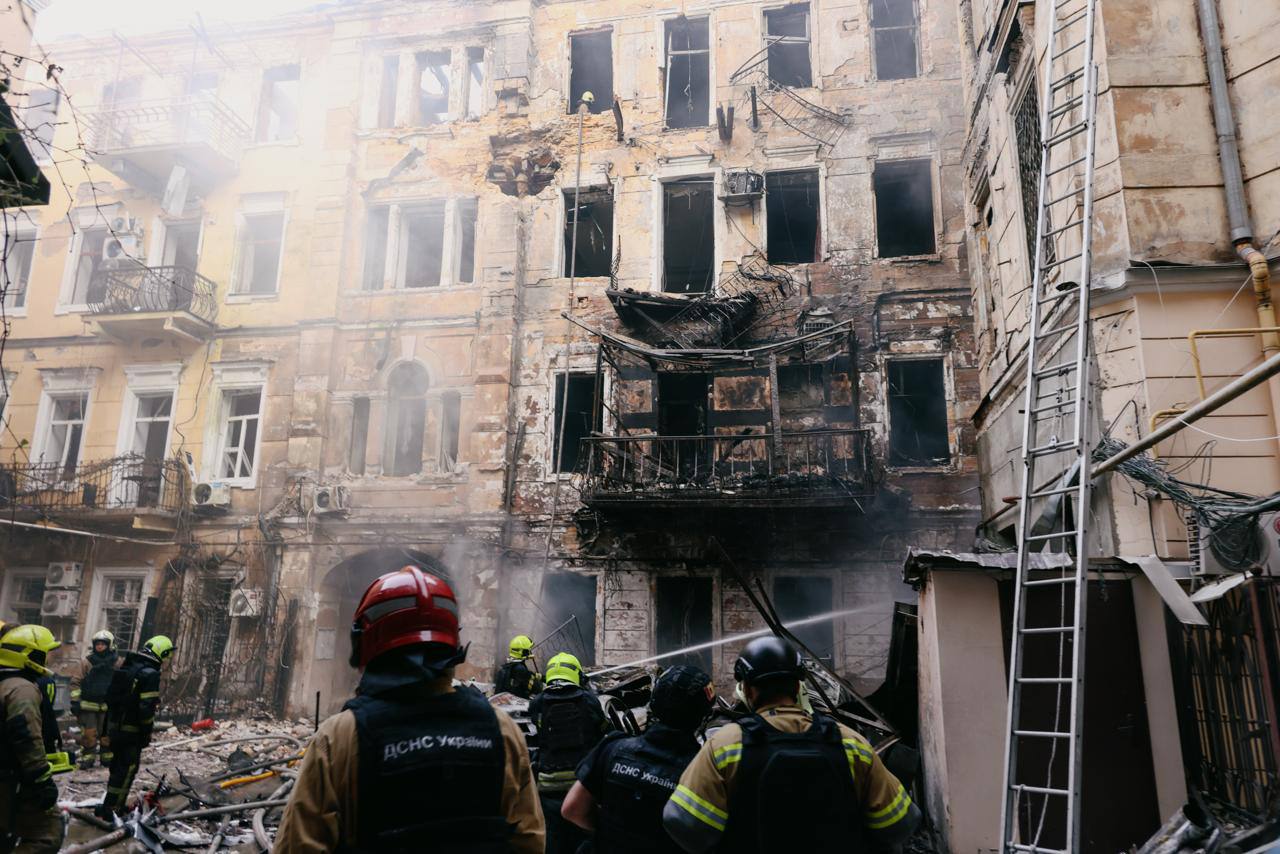
As for ballistic and hypersonic missiles—9M723 missiles from the Iskander-M system, 48N6DM missiles from the S-400 system, and Zircon missiles—the enemy launched 198 of them in July. This was the highest monthly figure this year.
What is behind this?
First and foremost, they had been preparing for it. According to military intelligence, the use of missile weapons by the Russians began increasing as early as April. They launched 61 ballistic missiles in April, 107 in May, and 134 in June. Remember when they used to carry out attacks once every ten days? Then it became once a week. Now they are even more frequent. Everything depends on the amount of weaponry they produce.
The second important indicator, for which Defence Intelligence has documentary evidence, concerns the enemy's production plans and their actual implementation. For example, regarding systems such as the Zircon and Oniks missiles (originally designed as anti-ship missiles but, after modernization, now used against ground targets), as of August 3 the enemy had already fulfilled its annual production plan set under the state defense procurement program.
In the first seven months of this year, Russia produced 33 Zircon missiles as of August 3. The same applies to the Oniks missile: by August 3, it had already produced 60 units. Overall, for its main types of missile weapons, Russia is currently fulfilling its monthly production plans at 110–120%. According to Ukraine's Main Intelligence Directorate, Russia fulfilled 140% of its July production plan for Kh-101 missiles, 111% for Kalibr cruise missiles, and 200% for Kh-35 cruise missiles.
The production target for Kh-101 missiles in August is 72 units. The target for July was the same, but Russia produced 87 missiles. As for the 3M14 Kalibr missile, the August target is 26 units. The July target was also 26, but 29 were produced.
In other words, Moscow is placing particular emphasis on producing certain types of strike weapons and reallocating resources toward them. We have observed this trend since approximately the second quarter of this year. It is logical: if certain types of missiles are successfully reaching their targets, they increase their production. They are also prioritizing the production of weapons for which they have the necessary components. At the same time, however, they are making less use of the aviation component of their strikes. The Russians are experiencing technical problems with both cruise missiles and the aircraft themselves—not all missiles launch successfully. To compensate, they are deploying reserve aircraft.
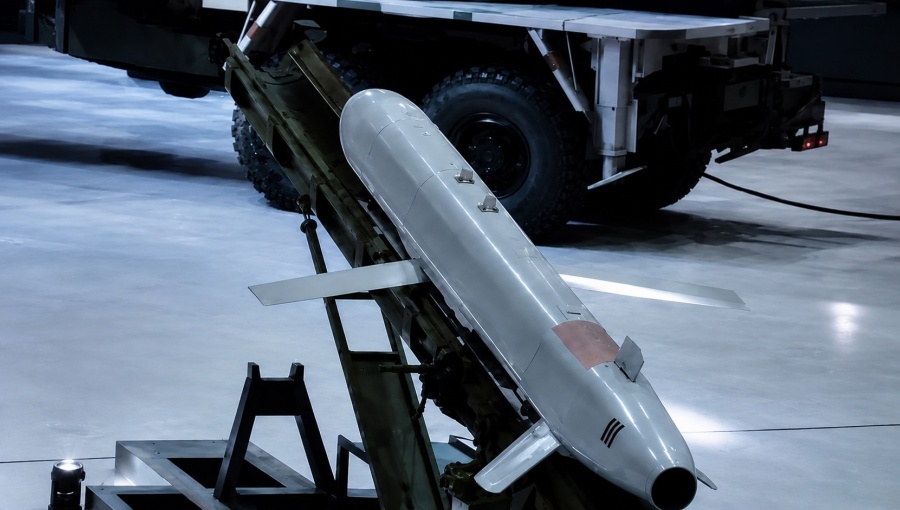
Among the new weapons introduced this year are the Banderol and Dan-T loitering munitions, which are launched from helicopters. Russia is now working on adapting them for launch from fixed-wing aircraft. It has also introduced the Zircon missile and a modernized version of the Oniks missile, which previously could strike only maritime targets because its targeting system could not distinguish ground targets. The upgraded version also has greater range and a larger warhead.
Another example is Russia's defense industry's planned production of attack drones for August this year. The target is 11,000 units, including Geran-1, Geran-2, Geran-3, Geran-4, Geran-5, Garpiya, Gerbera, Gerbera-Kamikaze, and Gerbera Seeker drones. In July, Russia slightly reduced the intensity of drone strikes and lowered production as it reconfigured manufacturing to focus on the turbojet-powered Geran-4 and Geran-5. During one of the recent attacks, turbojet drones accounted for 50% of all drones used. This means Ukraine now requires different interceptors capable of matching their speed or short-range air defense systems.
Defence Intelligence Agency had previously reported that Russia is capable of carrying out three to four combined attacks each month involving various types of missiles alongside unmanned aerial vehicles. Kyiv, as well as Zaporizhzhia, Dnipro, and Kharkiv, are centers of Ukraine's defense-industrial complex.
The enemy sees these sectors as a serious threat and is conducting intensive intelligence efforts in two key areas of Ukraine's defense industry. The first is Ukraine's ballistic missile program, as Russia is trying to prevent it from reaching serial production. The second is everything related to unmanned aerial vehicles and FPV drones. Ukraine's medium-range and deep-strike operations are producing tangible results against Russia's oil refining industry, logistics network, and even Wildberries. This, in turn, has a significant impact on Russia's banking system, its small and medium-sized businesses, and Moscow's ability to continue waging war.