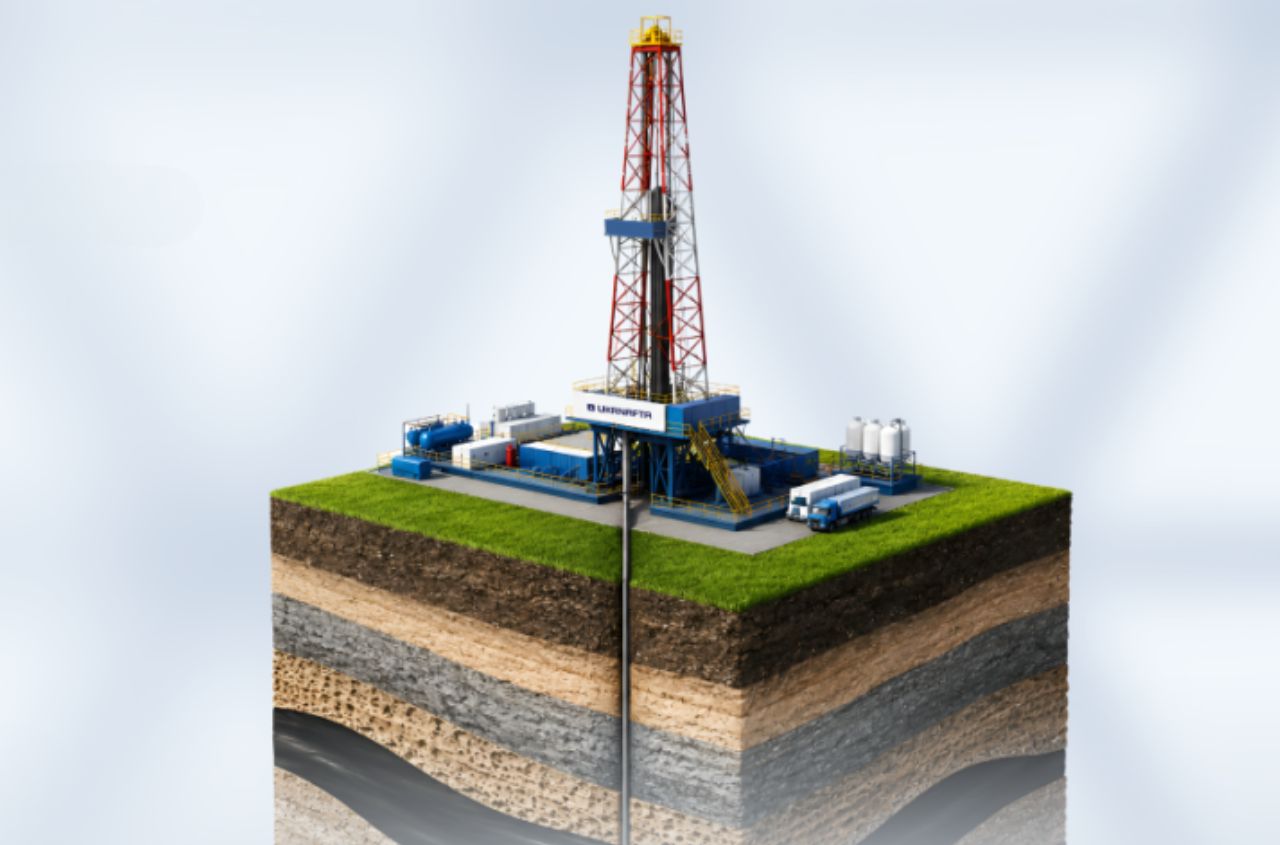

Ukrnafta is identifying new productive zones at mature oil fields, drilling high-output wells, and planning new drilling based on the results of 3D seismic surveys.
“During 2024–2025, we completed 3D seismic surveys covering more than 1,210 square kilometers across nine fields and two exploration areas. This already represents around 20% of all the company’s special permits. These studies allow us to gain a much better understanding of the geological structure of the subsurface and, accordingly, plan new drilling with greater accuracy,” said Ukrnafta CEO Bohdan Kukura.
The company explained that 3D seismic surveys are one of the key tools for improving the efficiency of new drilling. The data enable Ukrnafta to identify promising areas, reduce geological risks, and operate in locations where drilling had previously been considered too complex or insufficiently justified.
“This is especially important for mature fields. Even at deposits that have been in production for decades, modern geophysical technologies help identify new reservoirs and refine estimates of resource potential,” the company said.
One example is a field where a comprehensive 3D seismic survey identified a promising new target area. A well drilled there confirmed the forecast for productive reservoirs, with an initial production rate of 132 tonnes of oil per day. The results have formed the basis for a further drilling program. Five additional wells have already been designed for the field, with their locations, depths and trajectories optimized.
“It is important that seismic survey results begin delivering value immediately by increasing the likelihood of successful drilling,” Ukrnafta said. Even at the design stage, the data help optimize the placement of future wells, select the best trajectories through productive formations, and improve the chances of drilling success.