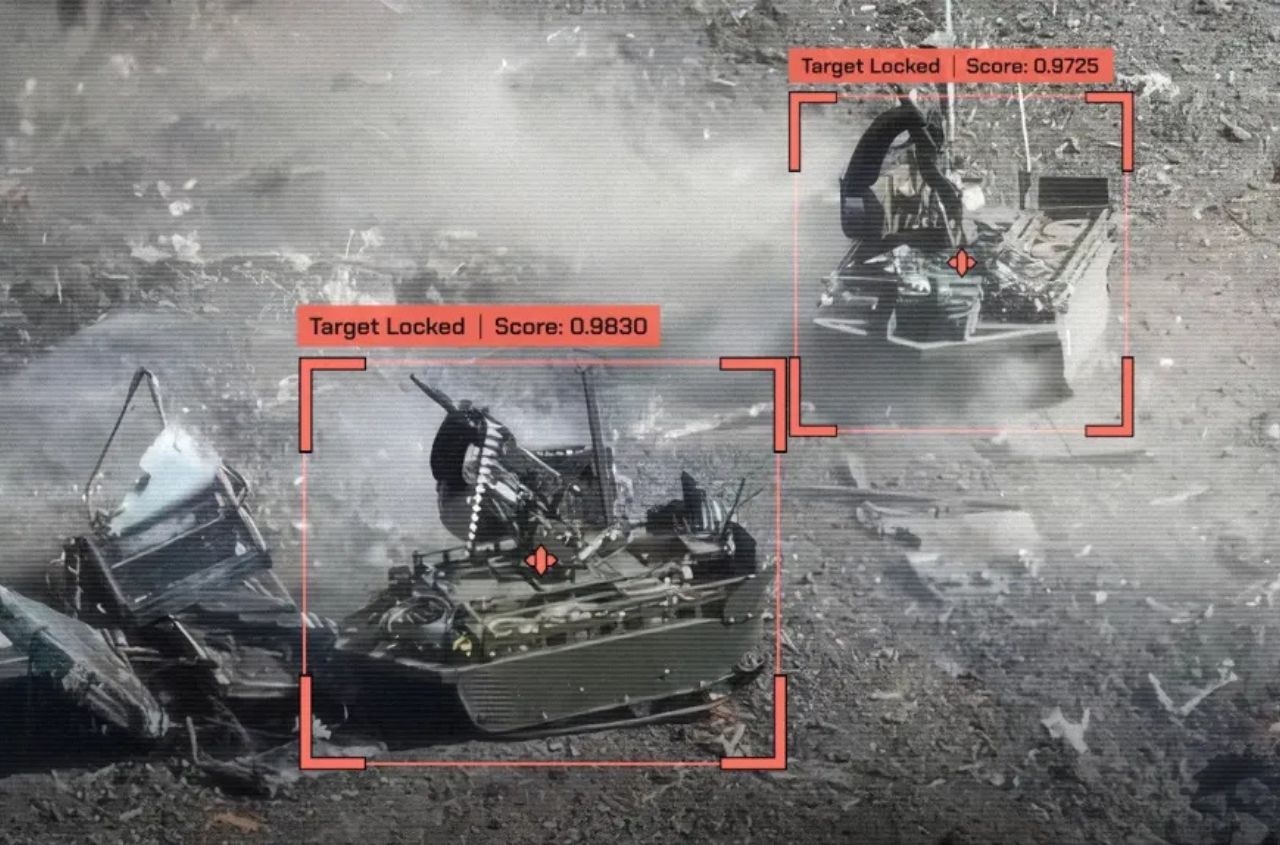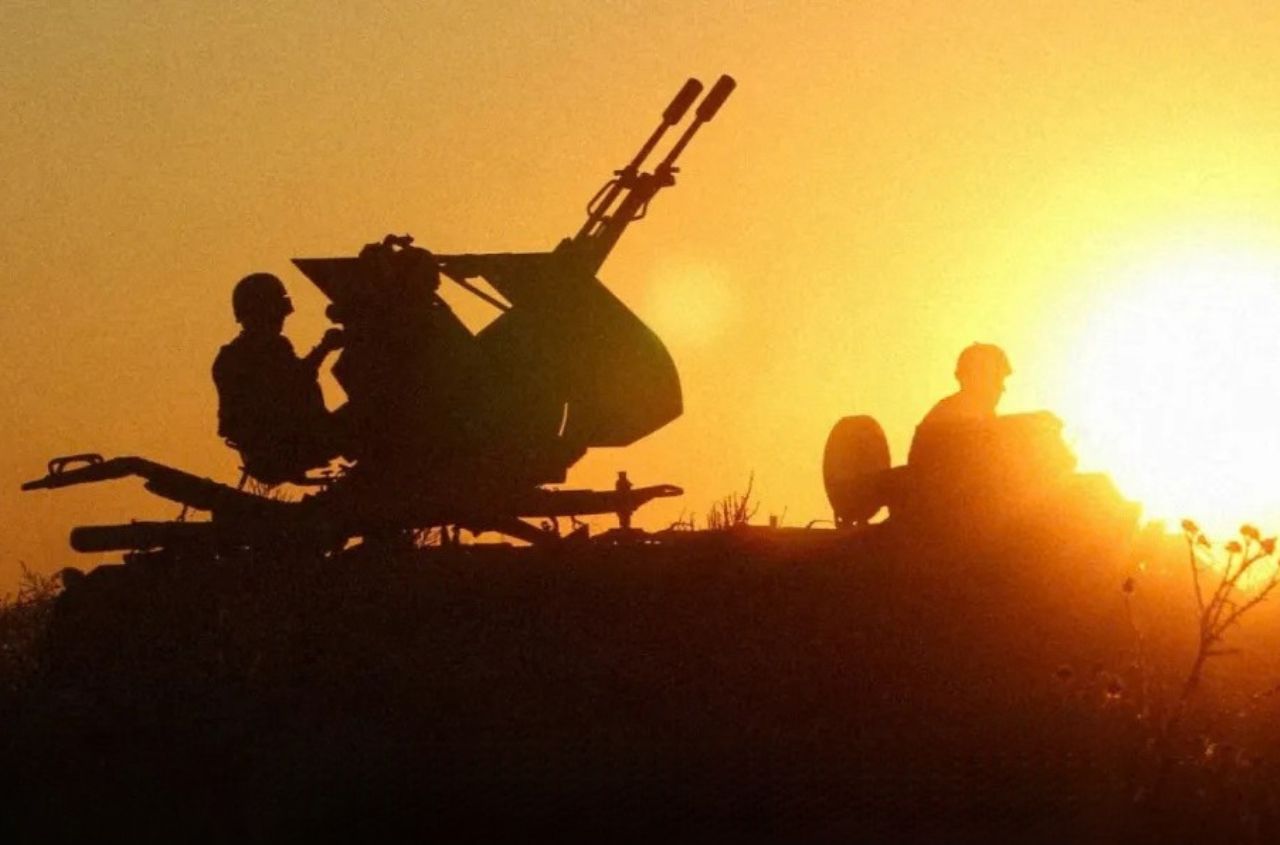


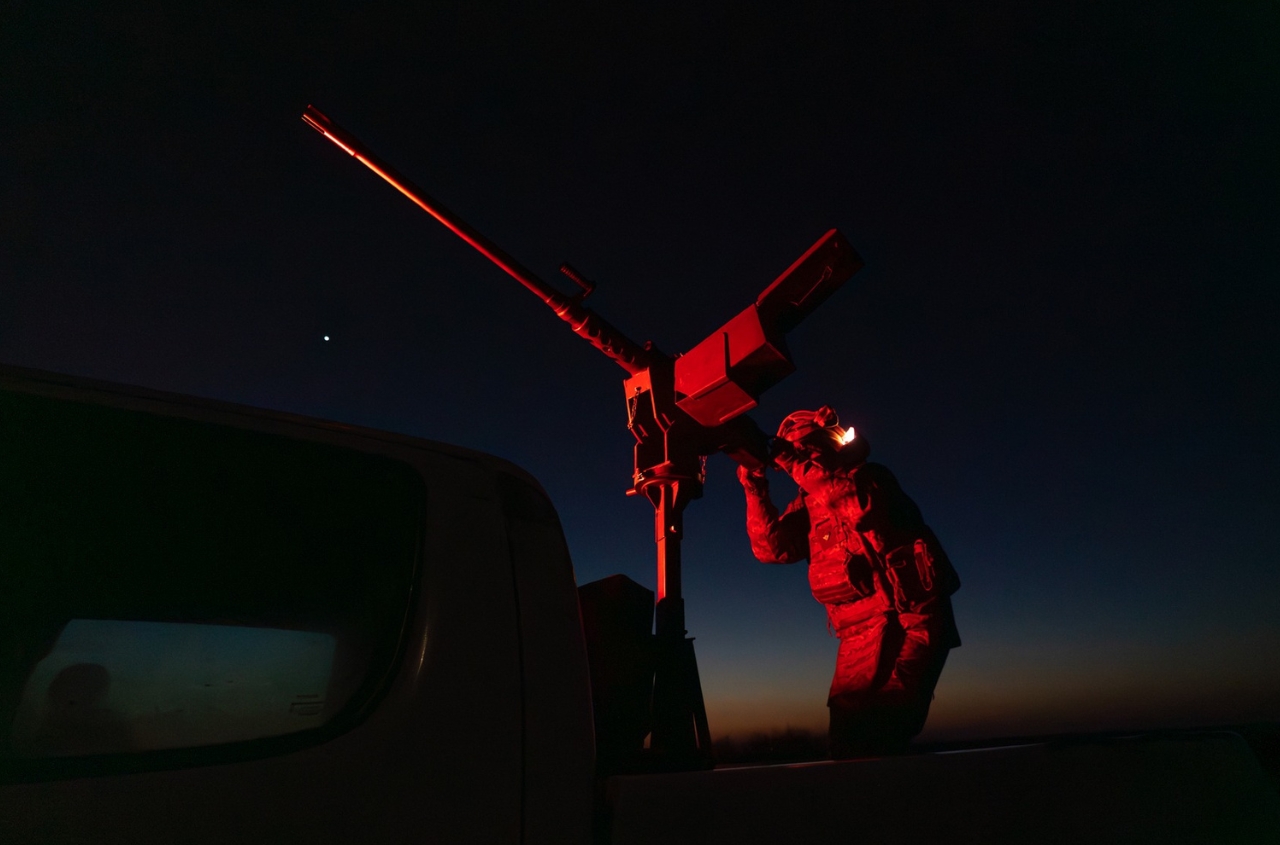

On March 24, Ukraine repelled the largest daytime air attack since the start of the full-scale war. Despite the record number of weapons used, air defense forces successfully countered the strike, destroying over 94% of the incoming targets.
The attack was preceded by a combined aerial assault involving ballistic missiles, cruise missiles, and strike drones. In total, 999 drones were launched over the course of the day, including Shahed, Geran, and Gerbera types.
In Kyiv region alone, around 250 drones were deployed. Just a year ago, such a number would have been used for a large-scale attack across the entire country. Yesterday, they were completely destroyed within a single region. No aerial targets were recorded over Kyiv—except for a flock of birds.
Russia employs different types of weapons at varying altitudes and speeds in an attempt to overwhelm Ukraine’s air defense system.
In response, Ukraine is developing a layered defense based on a systematic approach. All available resources are involved in repelling attacks: Air Force units, interceptor drones, mobile fire groups, tactical aviation, and helicopters. Ukraine is conducting large-scale, комплексні air operations with no global equivalents.
The results are already visible in major cities, which have traditionally been primary targets. Aware of its decreasing effectiveness, the enemy is shifting its focus to strikes on civilian infrastructure in western regions of Ukraine.
The Ministry of Defense of Ukraine is already working on creating a new layer of air defense aimed at preventing attacks on peaceful cities in the west of the country.
The enemy understands these developments, which is why during the March 24 strike it used all available resources.
Air defense forces continue to carry out highly complex tasks day and night, demonstrating increasing effectiveness.