


Russia officially withdrew from the European Convention for the Prevention of Torture on 1 November. As a result, the European Committee for the Prevention of Torture (CPT) will no longer be able to inspect places of detention in the country.
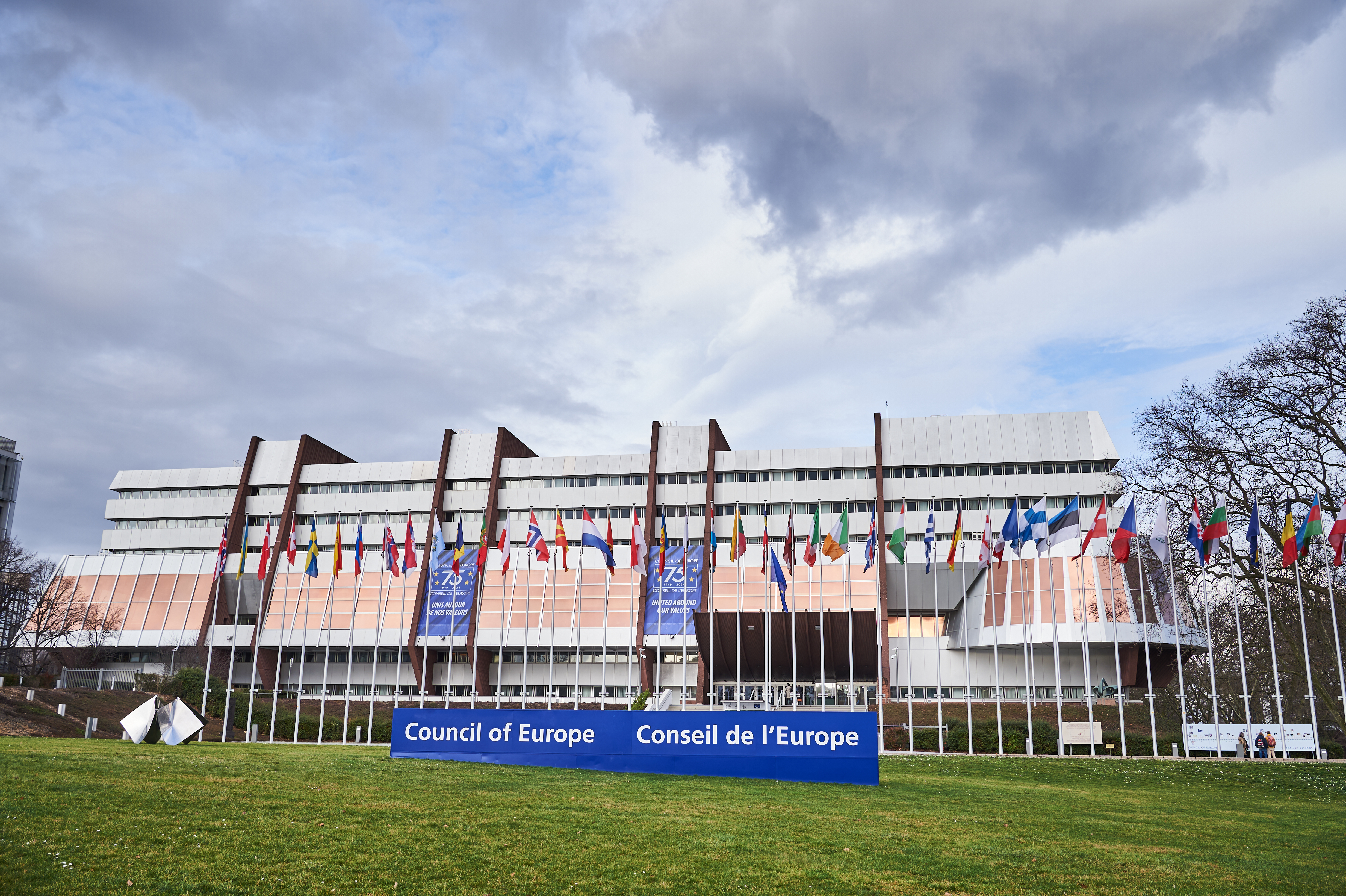
This was reported on the Council of Europe's website.
"The withdrawal of the Russian Federation marks the end of the CPT's monitoring mandate in the country. It also means the termination of any independent monitoring of places of detention within the Russian Federation," said the Committee's President, Alan Mitchell.
He also emphasised that the Convention's preventive approach remains essential and that independent monitoring of detention facilities is a fundamental safeguard against torture and ill-treatment.
The CPT recalled that, since Russia launched its full-scale invasion of Ukraine in February 2022, it has received numerous reports of alleged torture and ill-treatment by Russian officials in detention facilities, both in Russian-controlled Ukrainian territories and within Russia itself.
"Due to the lack of cooperation from the Russian authorities, the CPT was unable to carry out a visit to the Russian Federation to examine the situation independently," the statement said.
The Committee contrasted Russia's position with Ukraine's continued cooperation. Ukraine still allows CPT delegations to visit any place of detention on its territory at times determined by the Committee. Ukraine also ensures the automatic publication of the Committee's reports.
Russian authorities notified the Council of Europe of their decision to denounce the Convention on 30 October 2025. Russia had been a party to the Convention since 1998.
Between 1998 and 2021, the CPT conducted 30 visits to Russia, inspecting more than 450 places of detention.
However, Russia was the only state party with a declared policy of withholding consent for the publication of the Committee's reports and the authorities' responses. As a result, Russia authorised the publication of only four reports.
Among the documents that remain unpublished are reports on ten visits to Chechnya and the North Caucasus between 2000 and 2017.