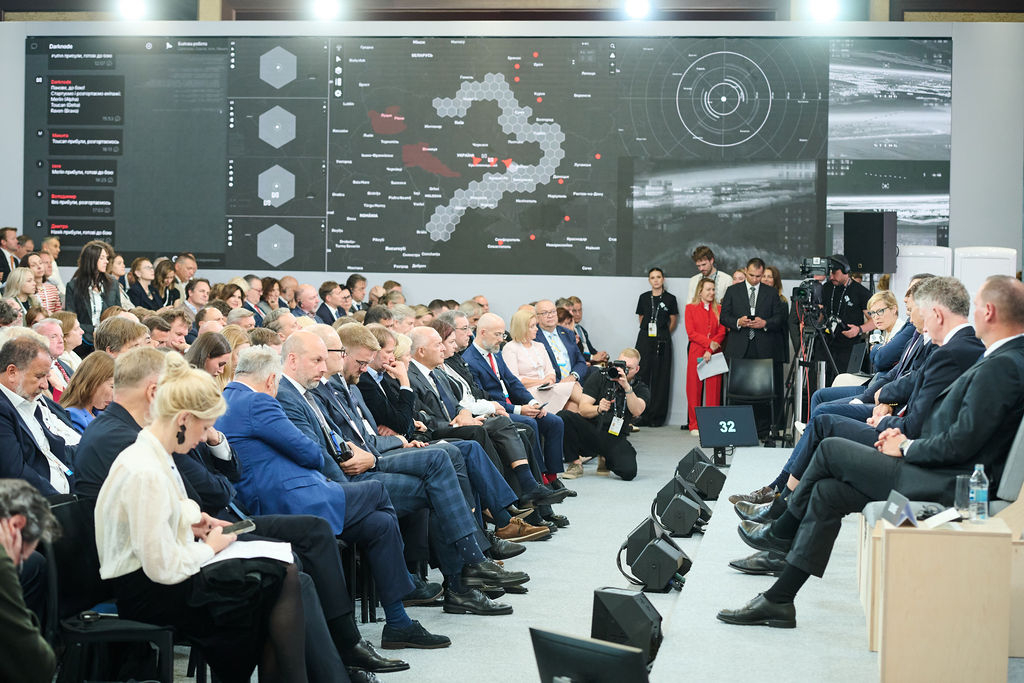


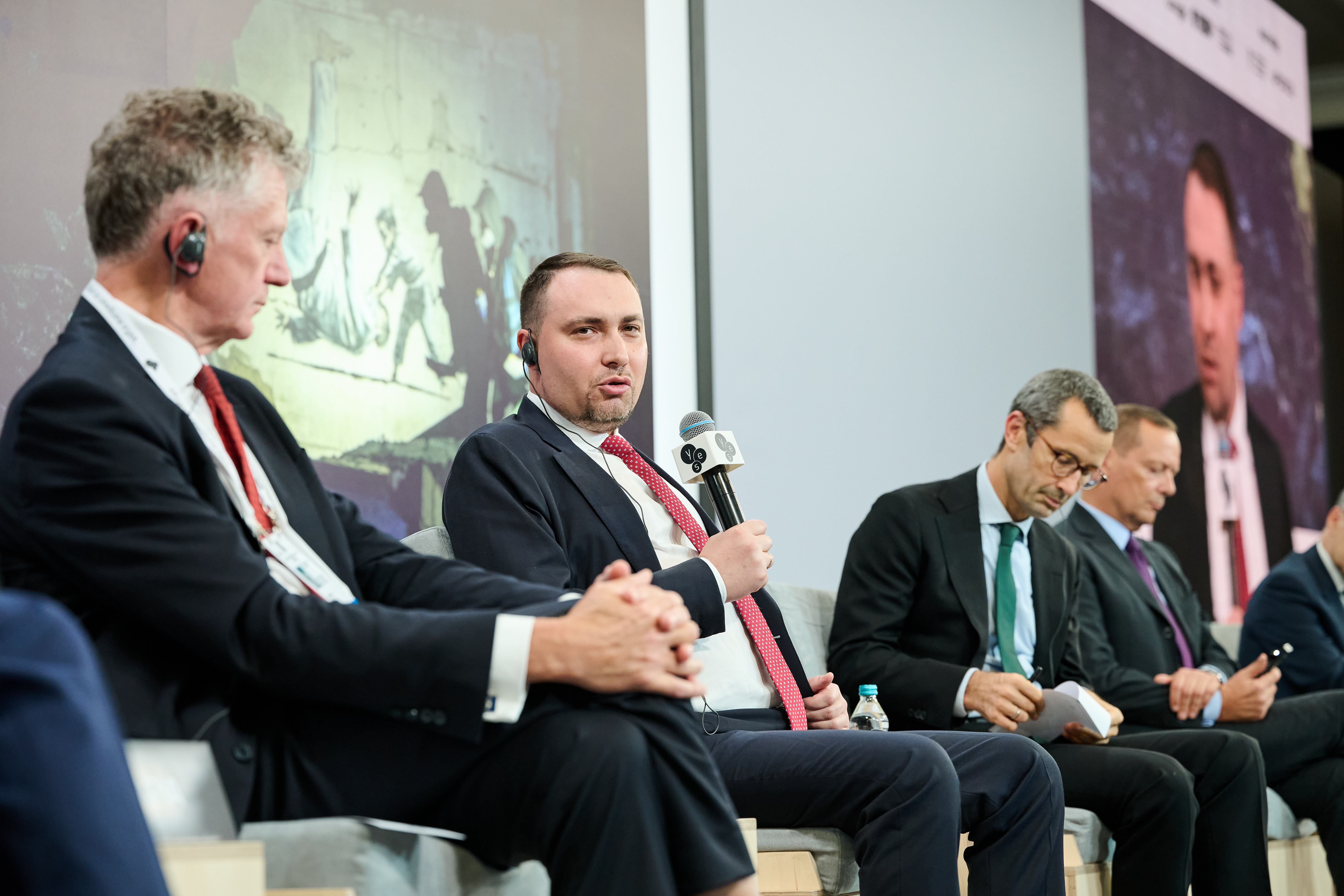
The 22nd Annual Meeting of the Yalta European Strategy (YES) “Peace Through Strength NOW!” was held in Kyiv. 700 leading politicians, diplomats, businessmen, servicemen of the armed forces of Ukraine, veterans, civil activists, and experts from 28 countries took part in the conference organised by the Victor Pinchuk Foundation.
Fareed Zakaria introduced the panel “Is There a Window for Negotiations Now?” by posing a number of questions to the European speakers.
“At this point, looking at it from the outside. It feels to me like (Europe) picked a side. You want your side to win. Isn't it best to just do what it would take to let your side win? Because the alternative is that if it loses, that's bad for you.”
Jonathan Powell, National Security Advisor to the Prime Minister of the United Kingdom, shared his expertise based on the experience of many successful negotiations - from Northern Ireland to Hong Kong.
“There is a concept called BATNA, which is ‘best alternatives to negotiated agreements’. What we're essentially trying to do is make Putin's alternatives to negotiated agreement worse, and the attraction of an agreement better. And the opposite for Ukraine. War tends to feel endless when you're trapped in it. You think it's never going to end, and then it does. The good news is there's light at the end of the tunnel, and the bad news is that there's no tunnel. What we're essentially trying to do here is build a tunnel. Unless there is a process, unless there's a tunnel, we will not be getting to peace.”
Fabrizio Saggio, Diplomatic Advisor and National Security Advisor to the Prime Minister of Italy, focused on the theme of European institutional unity. “This panel shows how Europe is united, and I believe that Europe must continue to be united. Europe should be more aware of its role in this peace process.
“You were asking about the addition of Ukraine to NATO. But I think it's even more important that Ukraine is part of the EU, and as my German colleagues already said, there was a proposal from the Chancellor in September to start to think of a different way to do this. We need to basically create something robust enough to guarantee that Russia will not attack Ukraine again,” said Emmanuel Bonne, Diplomatic Advisor to the President, National and Security Advisor, Office of the President of the French Republic, “and that Europe and Russia have enough visibility on both sides to coexist and normalise our relationship. It's incredibly ambitious and challenging. This war has changed Ukraine, certainly, and changed Europe as well. It’s difficult to say, but maybe for the better – in the sense that we have a much more accurate sense of what we need to do together and the necessities that we share. We have to change the order of priorities that we normally have in the Union.”
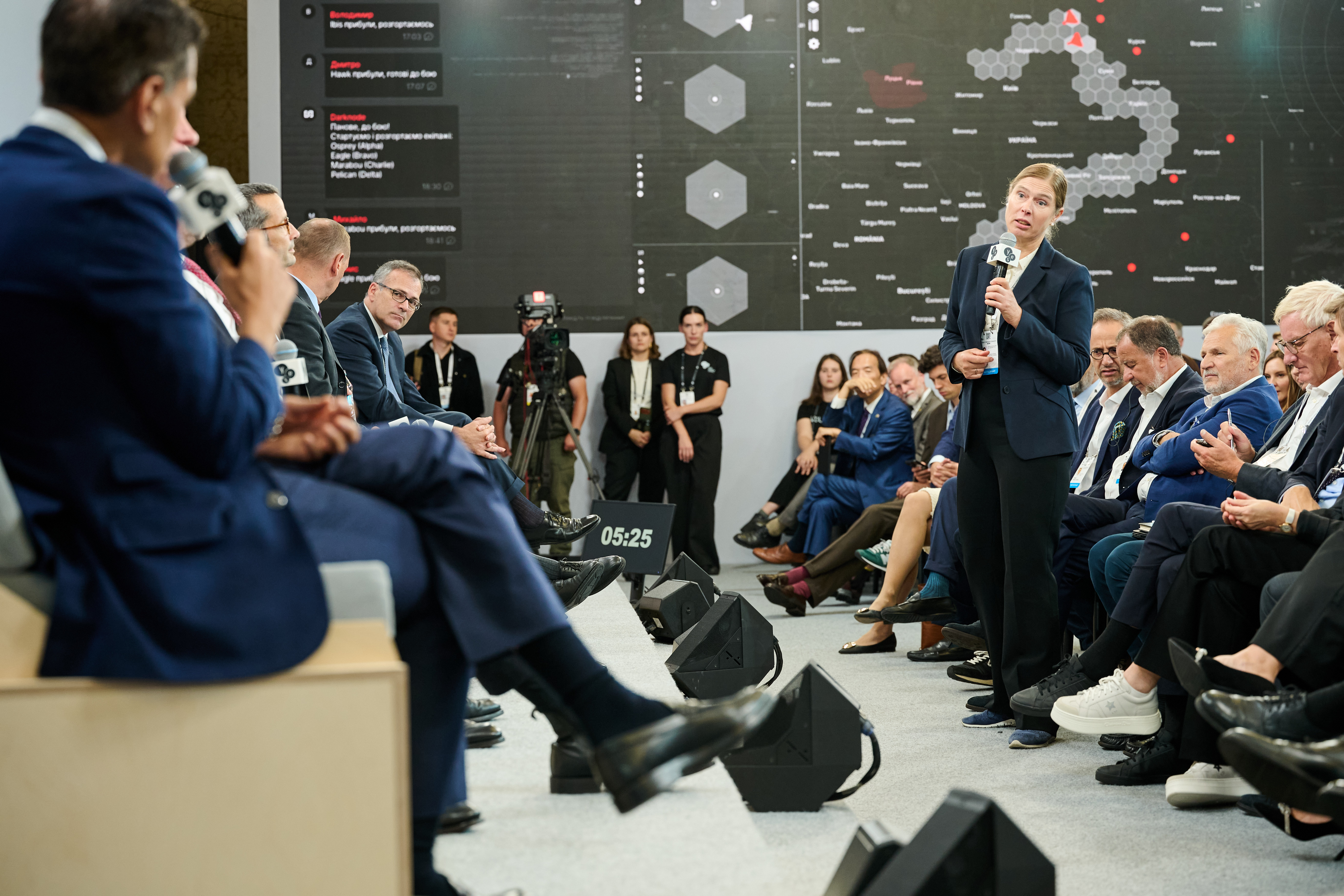
Günter Sautter, Political and Security Advisor to the Chancellor of the Federal Republic of Germany, joined a spirited debate about the contributions of Ukraine’s European partners. “Restraints have been lifted… Our course is clear and totally unequivocal. We are standing with Ukraine here, and we are standing together with our European partners in this endeavour.
“We find it crucial that Russia, Moscow, understands this support is not half-hearted, and it will not go away, and it will continue for as long as is necessary. Historically, this is not the first time we find ourselves confronted with expansionist, imperial behaviour from Russia. If you look back in history, those who tried to withstand it with good teamwork did much better than those who, for whichever reasons, were not able to do that.”
Head of the Office of the President of Ukraine Kyrylo Budanov believes that the impact of Ukraine’s long-range sanctions became clearly evident as early as the spring and should not be underestimated, as the Russian Federation is already feeling the consequences of these actions.
“First, there has been a sharp deterioration in the position of VTB Bank, which is, so to speak, one of the leading banks in the Russian Federation. Second, there has been a decline — a sharp decline, I would even say a collapse — in the value of Gazprom, which just 20 years ago was valued at around $270 billion. Today, according to various estimates, that figure has fallen to $30 billion. So the impact is significant. At the same time, the Russian Federation still retains the capacity to continue military operations. This is what we all must understand,” he said.
The Head of the Office of the President of Ukraine is convinced that military operations and strikes against Russian targets should strengthen Ukraine’s position while creating additional pressure on Russia and pushing it toward serious negotiations.
“Everything depends on the situation on the battlefield. And everything on top of that — I mean long-range strikes and other similar actions — is aimed at pushing the Russian Federation toward serious negotiations. It strengthens our position and weakens theirs. Eventually, it will have results,” General Budanov noted.
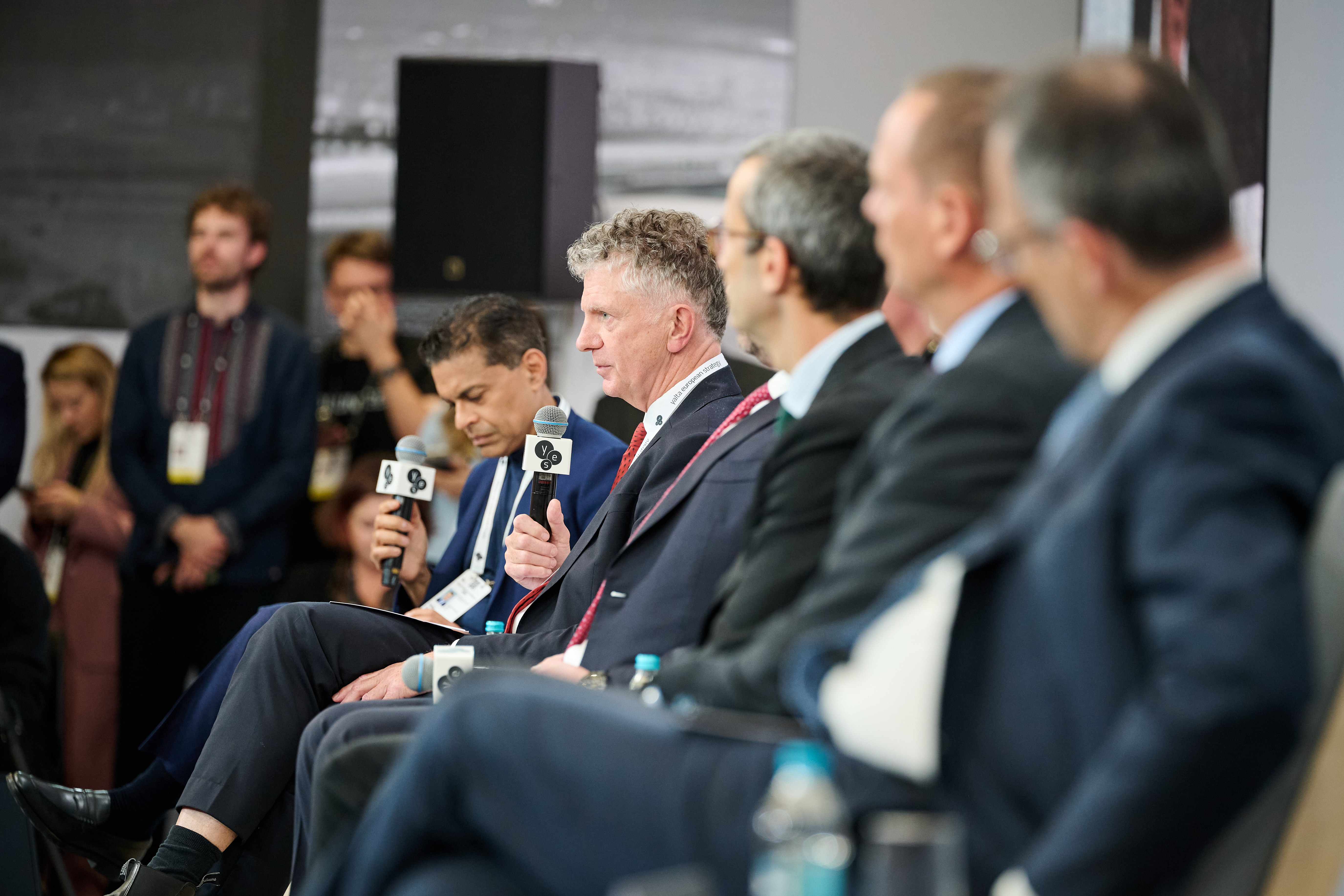
Kyrylo Budanov called on partners to intensify sanctions pressure on Russia and stressed that unity among Ukraine, Europe and the United States is the key prerequisite for countering aggression.
“I urge everyone not to ease the sanctions regime, so that the Russians cannot continue financing the Russian war machine. This is precisely what they have been doing and will continue to do. So let us believe in America, believe in Europe and, most importantly, believe in Ukraine. Together we are strong. If we are united, no one can do anything against us. But if we start pulling in different directions, like the swan, the crawfish and the pike, the outcome will be clear in advance,” the Head of the Office of the President of Ukraine said.
He also noted that Ukraine is ready to play an active role in shaping a new European security architecture and called for deeper cooperation, joint operations and unity with European partners.
“Ukraine is certainly ready to participate — to participate actively — in this [creation of a new European architecture]. Ukraine is proposing this openly, not behind closed doors, but completely openly, starting with the ‘Drone Deals’ that everyone is already familiar with. This is what we can do now, you have to understand that, and extending to proposals for deeper integration of our efforts, cooperation, operations and, ultimately, the unity I have already spoken about and will say again, and which the President of Ukraine speaks about constantly: ‘We are part of Europe.’ Whether someone likes it or not, that is the reality. And we must stand together,” Head of the Office of the President of Ukraine Kyrylo Budanov concluded.