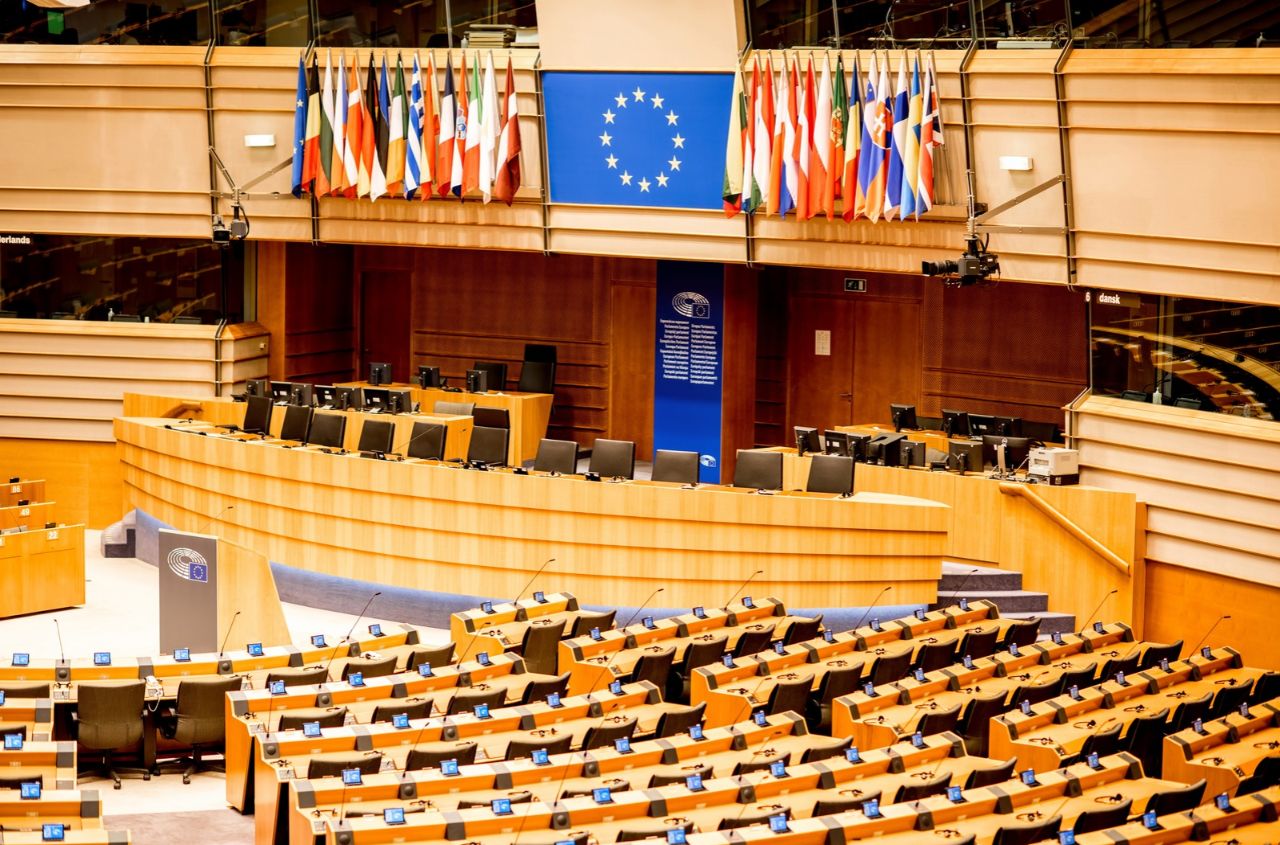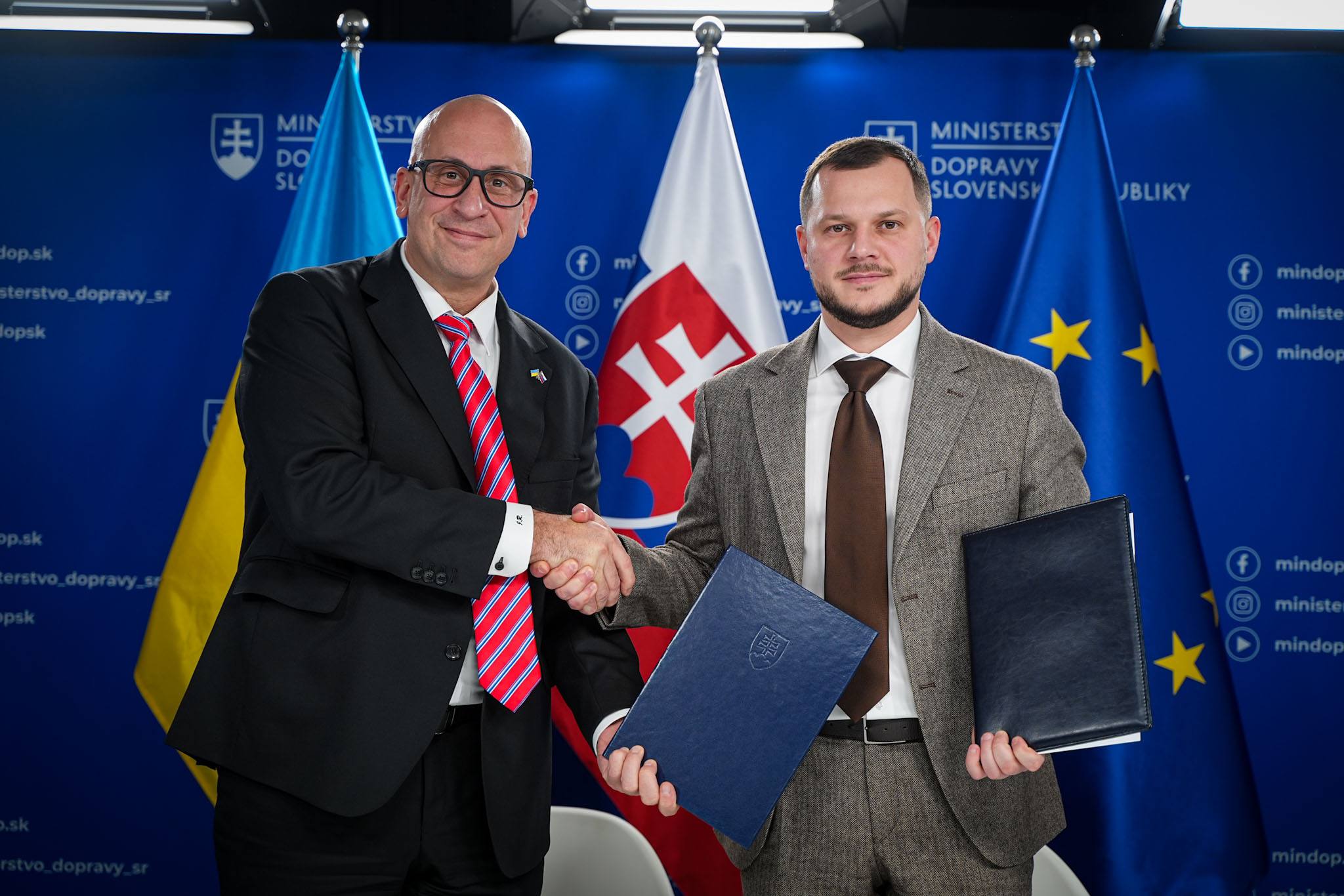


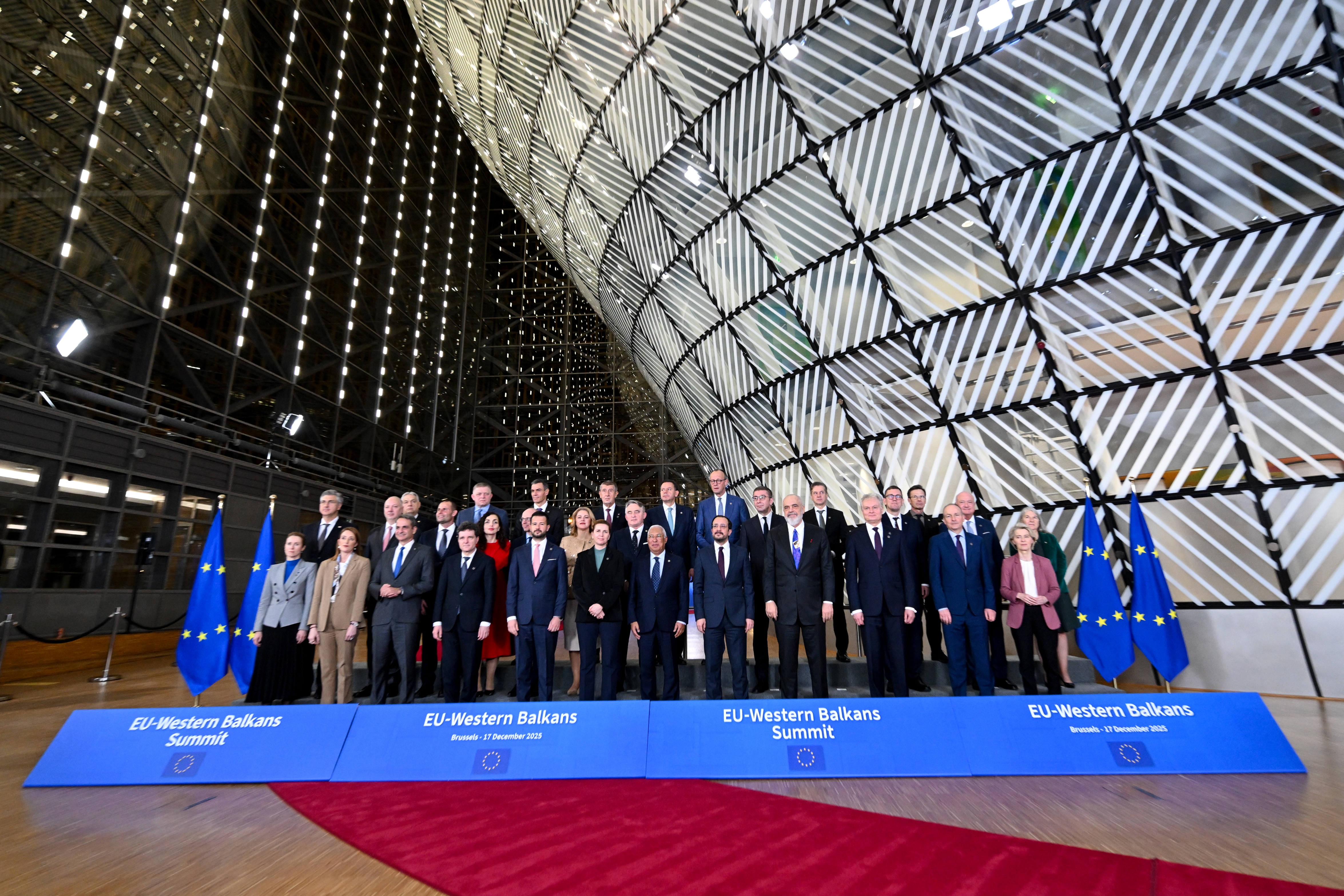
At a summit in the Belgian capital, European Union leaders, in consultation with their Western Balkan partners, adopted the Brussels Declaration, reaffirming their unwavering support for Ukraine in the face of Russian aggression.
The document emphasises the importance of deepening cooperation in European security and defence resilience.
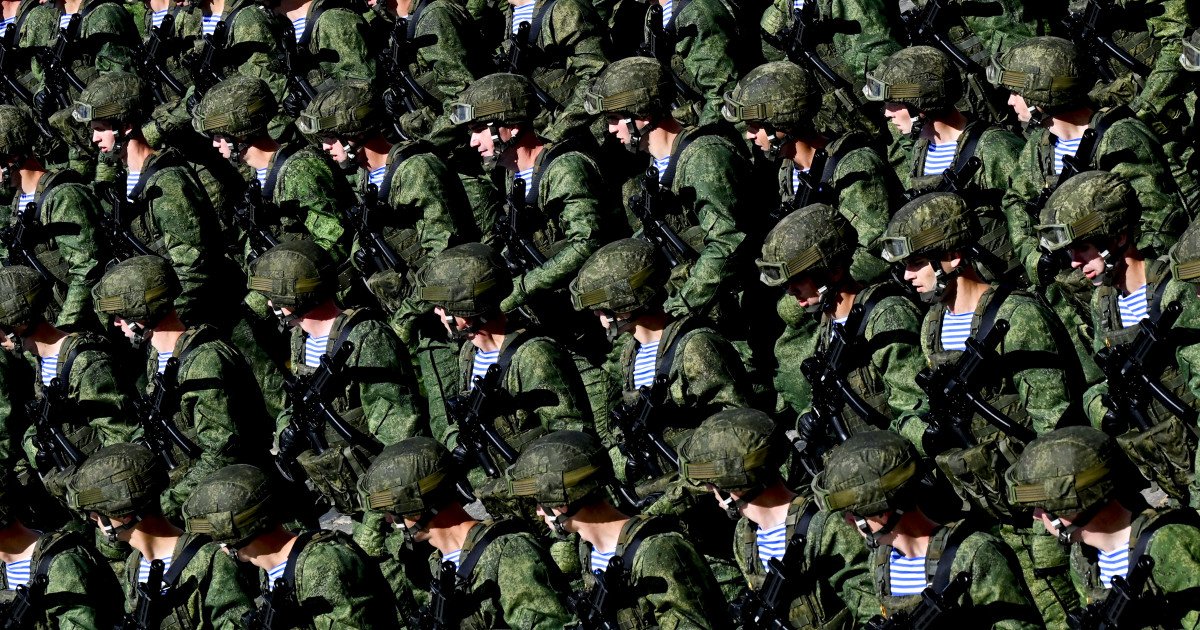
According to the declaration, the European Union remains committed to supporting a comprehensive, just and lasting peace in Ukraine based on the principles of the UN Charter and international law, underpinned by credible and effective security guarantees for Ukraine.
The EU will continue to provide comprehensive assistance to Ukraine and its people in defending their sovereignty and territorial integrity, in coordination with like-minded partners, and welcomes the support of Western Balkan partners for these efforts.
The declaration notes that the increasingly volatile geopolitical situation, driven by Russia’s war of aggression against Ukraine, conflicts in the Middle East and growing global competition, underscores the need for closer ties between the EU and the Western Balkans.
Among the declaration’s key provisions on foreign policy coordination, particular emphasis is placed on the principles of European security. Participants welcomed the principles adopted at the European Political Community meeting on November 12 and stressed the importance of continued investment in multilateralism and respect for international law.
Alignment of Western Balkan partners with the EU’s Common Foreign and Security Policy (CFSP), particularly the implementation and enforcement of restrictive measures and efforts to prevent their circumvention, was identified as an important expression of their strategic choice. The declaration commended those partners already fully aligned with the CFSP and called on the others to follow suit.
The parties emphasised their mutual interest in strengthening security and defence cooperation, particularly through the European Peace Facility and the EU’s Common Security and Defence Policy missions and operations. They also agreed to strengthen resilience against cyber and other hybrid threats, including foreign information manipulation and interference.
Furthermore, the EU stated that it would support the diversification of energy sources and supply routes to enhance energy security and reduce dependencies, as well as the development of transport connections, including the Eastern Mediterranean Corridor and the strategically important Corridor VIII, linking the Adriatic and Black Seas.
The document also states that the Western Balkan partners aligned themselves with the declaration, while Serbia did not participate in its agreement.