

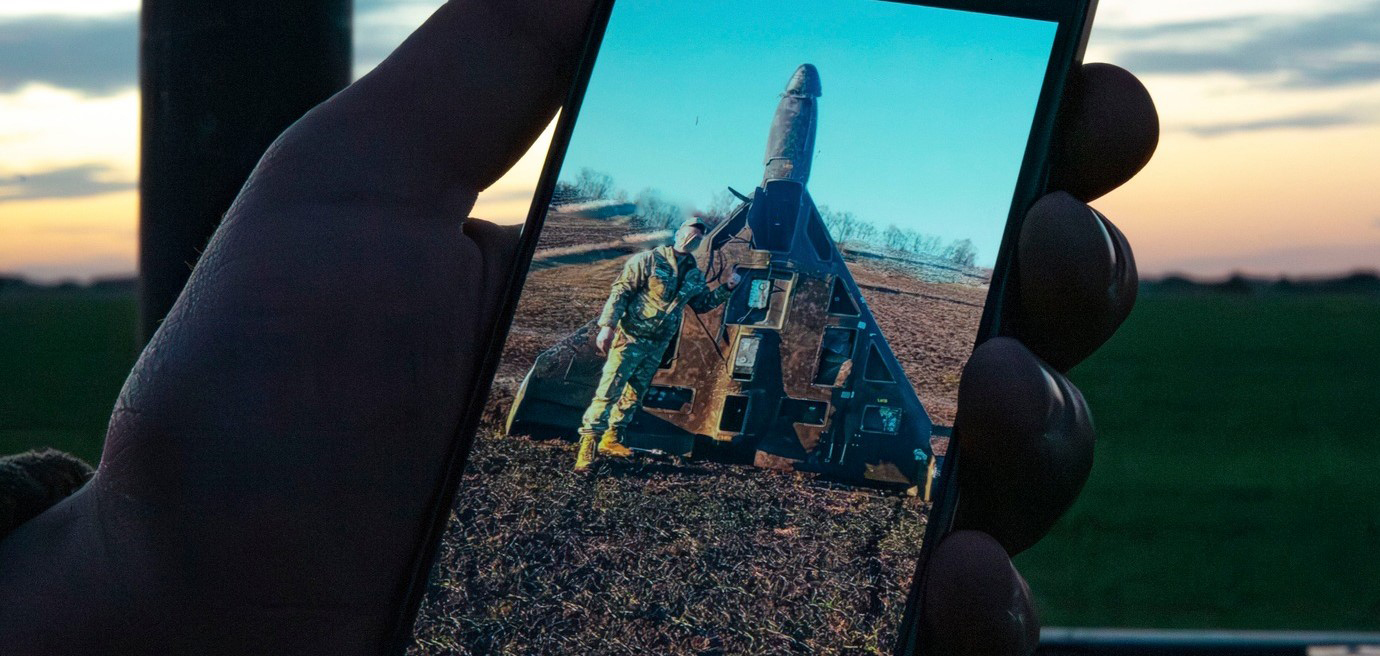

Russia is testing new ways of using drones almost daily, equipping Shahed-type UAVs with additional systems that allow them to perform multiple functions, including reconnaissance, strikes and communications relay operations, Ukrainian Air Force spokesperson Yurii Ihnat said during a television broadcast.
"Almost every day, we receive information about new technologies the enemy is using. Some may be significant developments, while others are simply tests of equipment installed on a drone. Essentially, the same Shahed has become a platform for various payloads. It can be used as a reconnaissance aircraft, an attack drone, a communications relay, or all three at once. The more expensive equipment it carries, the higher its overall cost may be," Ihnat explained.
According to him, Russia is also modernising its Geran-5 drones, which are capable of flying at even higher speeds. Ukraine therefore needs to expand its capabilities to counter these evolving threats.
Ihnat emphasised that Ukrainian air defences are already achieving strong results, with the interception rate for Russian drones approaching 90%. However, the remaining drones continue to reach their targets, causing substantial damage and threatening civilian lives.
"Intercepting 100% of them is virtually impossible across such a vast territory," the spokesperson said.
With Ukraine facing shortages of missiles for Patriot and other air defence systems, the country is increasingly relying on electronic warfare and short-range air defence capabilities to counter Russian drones.
"Electronic warfare systems are performing extremely well today. We also rely on short-range air defences, which are helping to shoot down drones, from mobile fire groups to anti-aircraft gun crews and other systems," Ihnat said.
He stressed the need to scale up existing Ukrainian technologies and solutions developed by international partners to improve interception capabilities, particularly against jet-powered drones.
Russian drones reaching western Ukraine may use satellite navigation or alternative guidance systems, including communications networks that allow operators to control the aircraft in real time.
"As you can see, drones and missiles often reach not only the Zakarpattia region but also the territory of neighbouring countries, including NATO members. Different navigation methods are used. These may include satellite navigation, but the enemy can also employ other guidance systems, including mesh networks that allow operators to control drones in real time from the territory of the aggressor state," Ihnat explained.
He added that Ukrainian specialists are working on ways to minimise the risks associated with this method of drone control.