

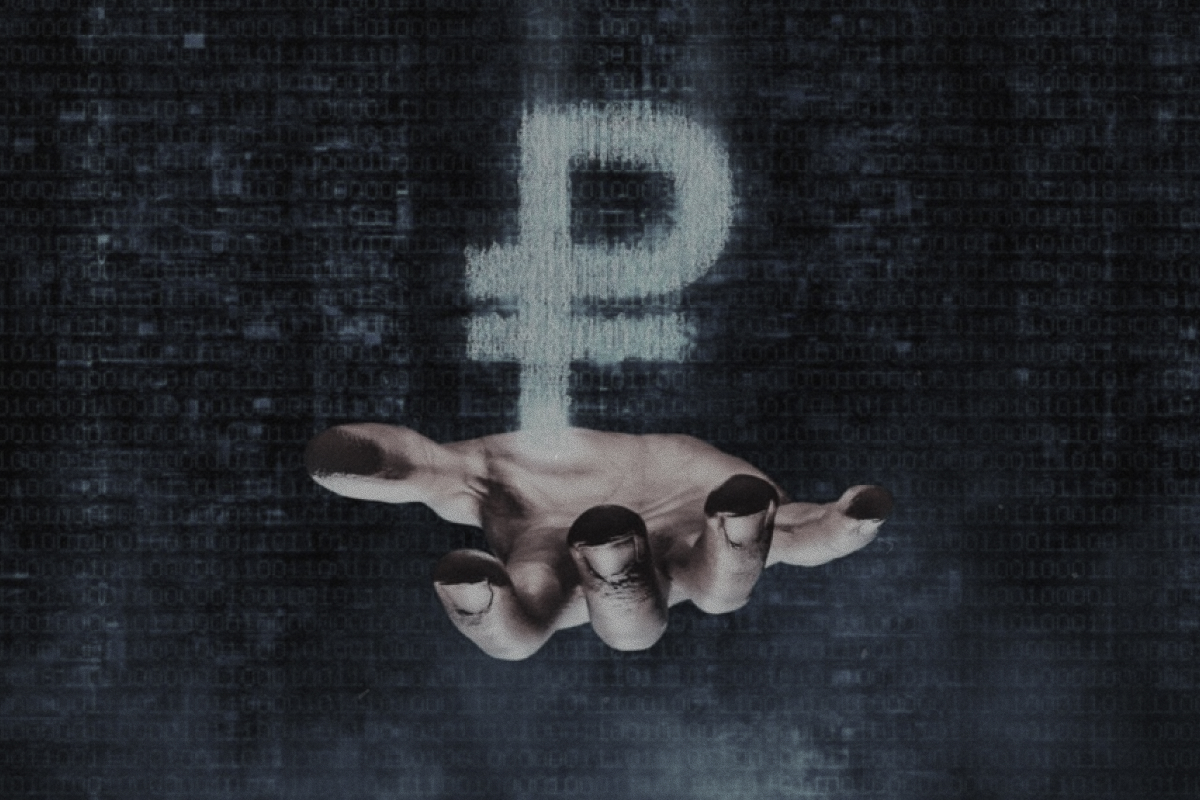

Presented as a convenient and secure alternative to cash and bank cards, the digital ruble has officially been introduced in Russia and is being promoted to citizens as a personal electronic wallet offering the highest level of protection from the central bank. However, behind the attractive packaging of this “third form of money” lies an unprecedented instrument of comprehensive financial control. The government is gradually imposing the new currency on businesses and ordinary Russians, creating the illusion of voluntary choice, while the real purpose of the initiative is the complete integration of financial transactions with state surveillance systems.
The main threat to privacy will emerge on July 1, 2027, when Russia’s Federal Tax Service is due to gain access not only to transaction amounts and recipients but also to the full technical footprint of each transaction. Statements will record IP addresses, device MAC addresses, telephone numbers and SIM card identifiers. This turns the digital ruble into one of the most transparent means of payment in modern history, with every transaction linked to a specific device and geolocation. Even traditional bank cards and cash offered significantly more room for privacy than Russia’s new state-controlled digital currency.
Despite assurances that the changes will affect only offenders and schemes involving the artificial fragmentation of businesses, all citizens will effectively come under scrutiny. The state is depriving Russians of financial privacy, gaining the ability to compare declared income with actual transfers and the technical characteristics of the devices used to make them in real time.
Ultimately, the “voluntary” use of the digital ruble is turning into yet another trap. Russian society is being conditioned to accept that the state knows virtually everything about its citizens: not only how much money they spend and to whom they transfer it, but also which smartphone, network and SIM card they use to do so. This represents a qualitatively new level of state intrusion into private life, further eroding what remains of civil liberties in the financial sphere.