

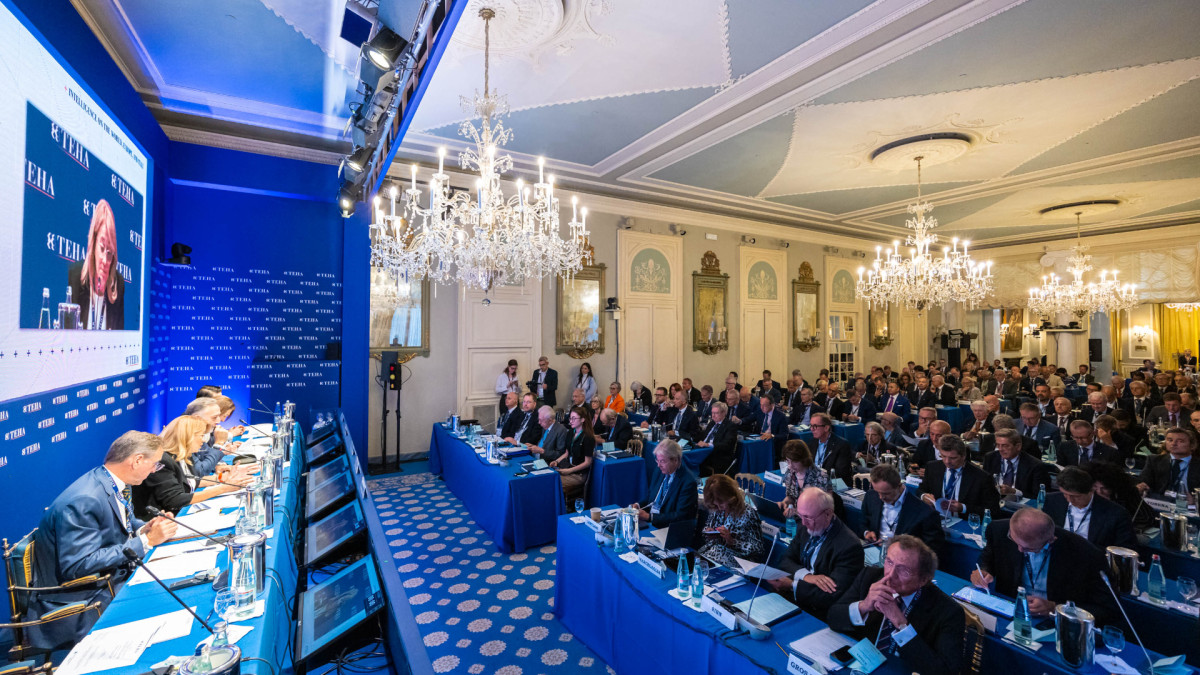
The 52nd Ambrosetti International Economic Forum, organised by The European House – Ambrosetti think tank, was held in Cernobbio, in Italy’s province of Como. This year’s theme was “Today’s and Tomorrow’s Scenarios for Competitive Strategies.” Participants discussed geopolitical, economic, technological and social changes and their impact on governments and businesses.
Held annually since 1975, the forum is one of the key platforms for informal dialogue between European policymakers, international organisations, businesses, the financial sector and the expert community.
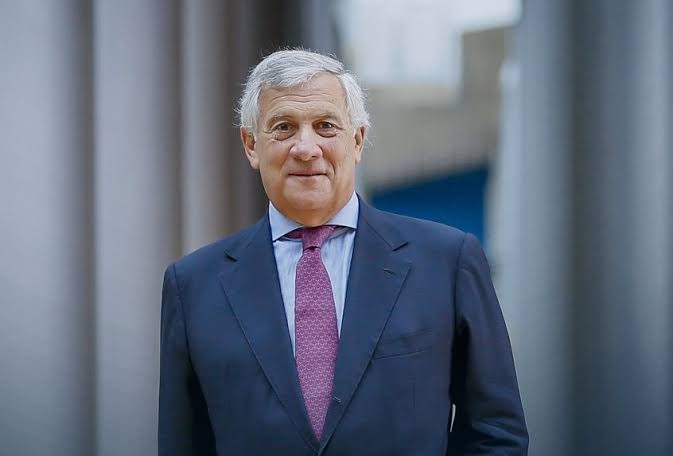
Participants included Italian Deputy Prime Minister and Foreign Minister Antonio Tajani, European Council President António Costa, Croatian Prime Minister Andrej Plenković, Albanian Prime Minister Edi Rama, Portuguese Foreign Minister Paulo Rangel, Turkish Deputy Foreign Minister Zeki Levent Gümrükçü, US Senators John Barrasso and Kirsten Gillibrand, and US Permanent Representative to NATO Matthew Whitaker.
The forum opened with a written address by Italian President Sergio Mattarella focusing on the crisis of the international order. He said the world is going through a period of transition in which the previous system of balances is weakening while new rules have yet to take shape. Under these conditions, competition for resources, power politics and attempts by individual states to ensure their own security at the expense of others are intensifying.
During a discussion on Europe’s challenges, Italian Foreign Minister Antonio Tajani stressed the importance of preserving the transatlantic partnership. According to him, Europe and the United States remain interdependent in the face of economic competition with China, competition for raw materials and the need to strengthen their presence in Africa. Speaking about Russia, Tajani pointed to Moscow’s increasingly aggressive actions against Western countries. He also highlighted the growing threat of hybrid warfare and did not rule out attempts to interfere in electoral processes in EU countries.
European Council President António Costa said the future accession of Ukraine, Moldova and the Western Balkan countries could strengthen the European Union. In his view, enlargement could reinforce the EU’s role as a geopolitical actor capable of influencing issues of peace, security and economic development.