


Problems with the Negotiations
The negotiation track will be launched with the aim of delaying sanctions against Russia. So we should not expect anything good to come from it. But there are two other factors that are unfavourable for us.
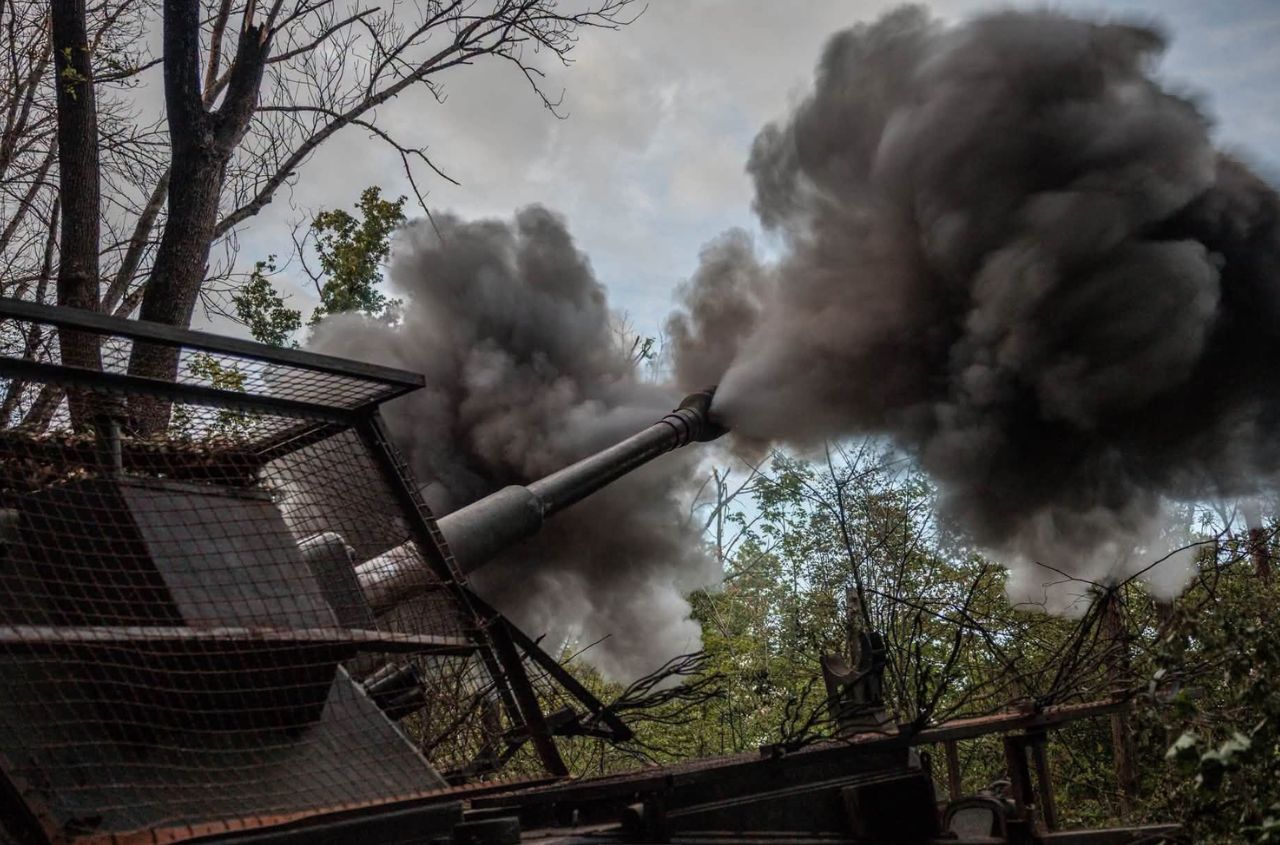
1. The negotiations have begun at a moment when Russian forces have once again found a way to gain temporary dominance. The terror currently being inflicted on Kyiv creates the impression that Russia has the upper hand in the war. Had the negotiations begun in the summer, when it was we who were inflicting serious damage, we would have entered them from a position of strength.
Clearly, this advantage is temporary, and we will respond in the near future. But right now, it is Russian forces that are negotiating from a position of strength.
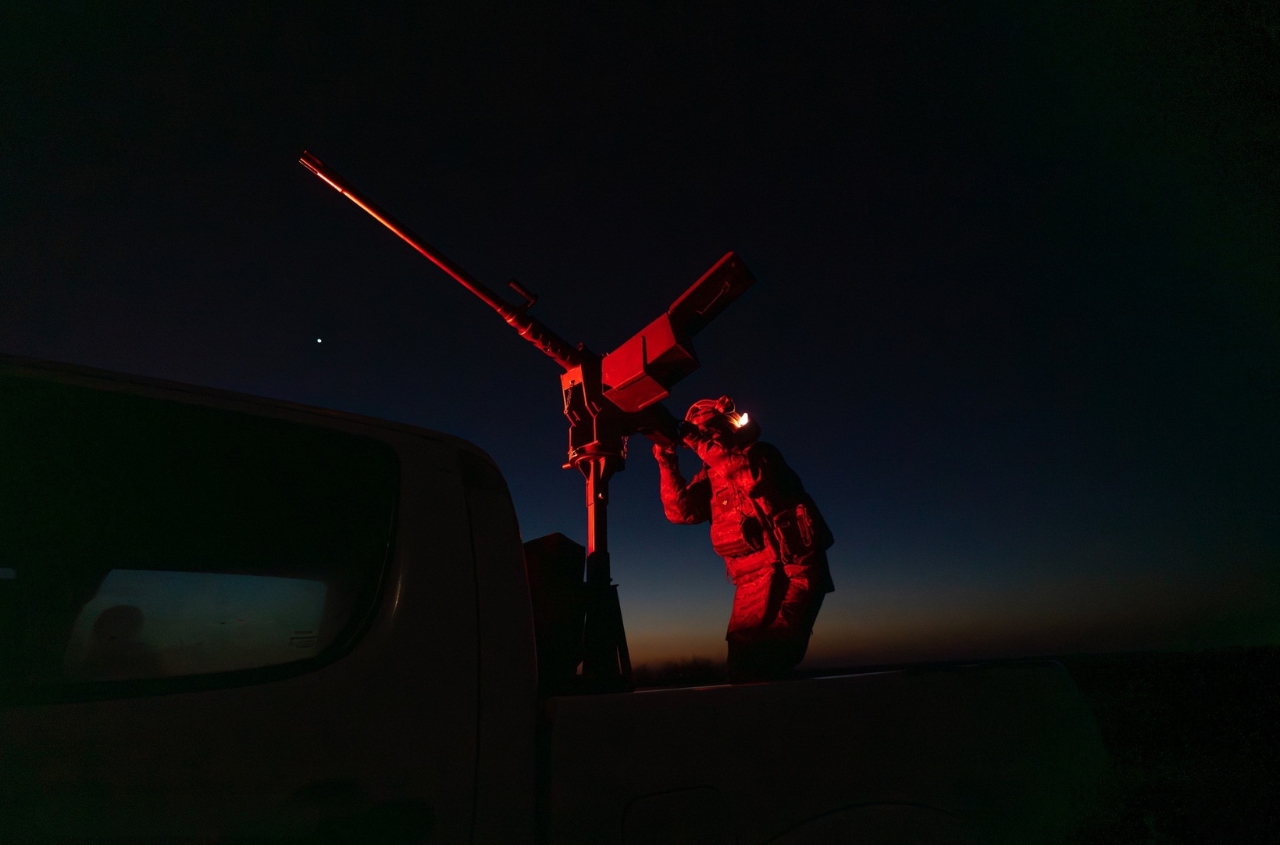
2. The negotiations are beginning as winter approaches. This also weakens our position, as winter is a point of vulnerability for us. Kyiv will be the main target of Russian strikes, and attacks on the energy system will further strengthen Russia’s negotiating position.
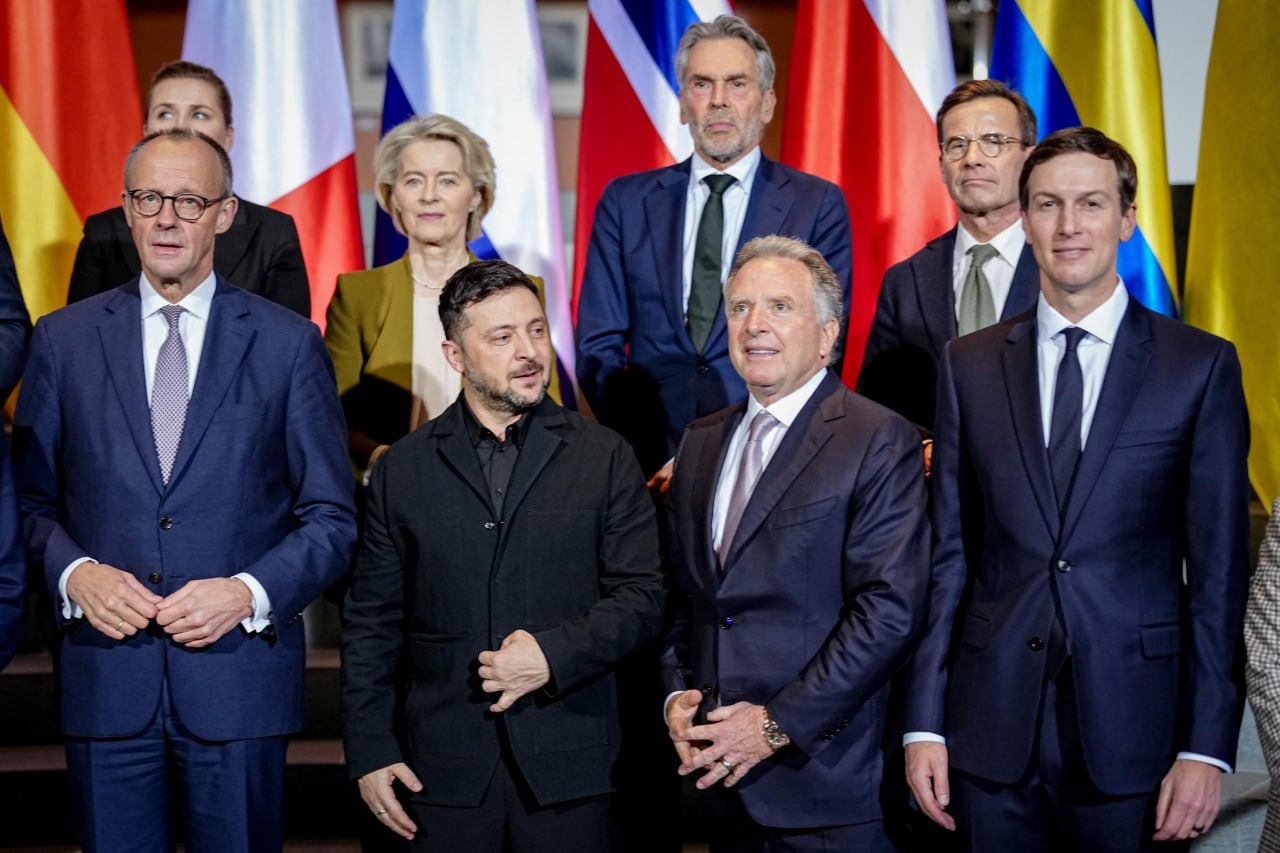
Thus, negotiations at this particular moment are extremely disadvantageous for us. At the same time, we cannot refuse to participate. Trump is desperately looking for some kind of success ahead of the congressional elections. Since things are going badly with Iran, he may have thought there could be some progress here instead. Under these circumstances, he may return to his familiar tactic of putting pressure on us in an attempt to secure concessions. We have been through this many times before.
So for now, we should not expect anything from the negotiations.
The only thing that could make negotiations real is hundreds of Ukrainian missiles and thousands of Ukrainian drones striking Russia.