

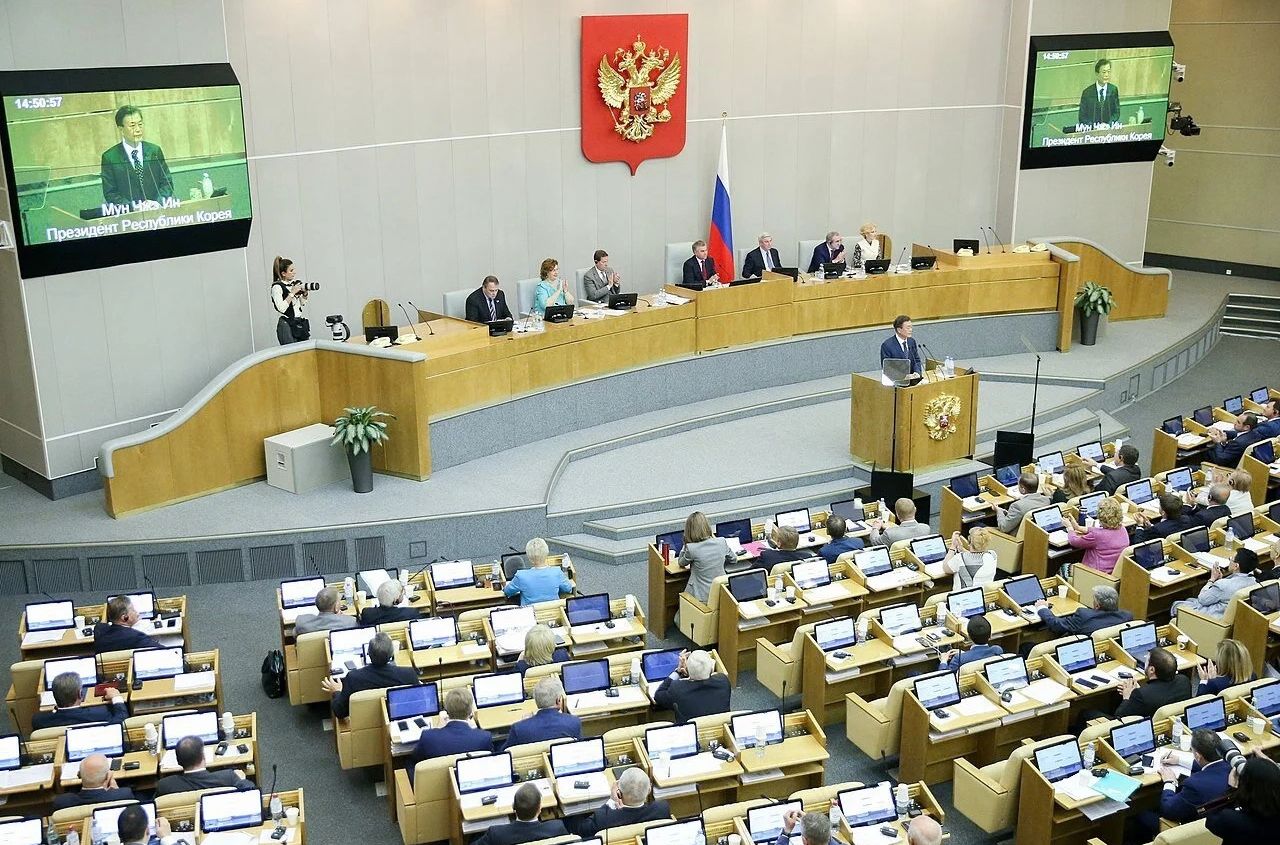

Today, elections to the Russian parliament will come to an end. Overall, this will be an entirely uneventful affair, demonstrating that Putin remains firmly in control of the country.
But these elections will also highlight Ukraine’s failure in the “cognitive war.” It is a fashionable term that has recently become widely used at various forums for what was previously known as information and psychological operations. The absence of any influence whatsoever on the Russian elections shows that our “cognitive efforts” amount to zero.
Meanwhile, Russia’s cognitive warfare is actively bearing fruit in Europe. The triumph of Germany’s AfD in Saxony-Anhalt is becoming its first step towards gaining power. Yes, this is the same pro-Russian party that advocates restoring trade with Russia, ending military aid to Ukraine and a whole range of other outrageous policies. What once seemed like a doomed project has, after years of operating with Russian money, grown into a fully fledged mainstream political party that could gain power in the EU’s largest economy.
And next door, the number-one candidate in the polls for the French presidential election is Putin’s friend Marine Le Pen. She beats every other candidate in both the first and second rounds. The programme is much the same: Russia is a friend; Ukraine and the EU can go to hell. There is hardly any point even mentioning the likes of Fico or Hungary’s Orbán.
Against this backdrop, “Agent Mendel” bursts onto the cognitive warfare scene. Another Russian operation — and, it must be admitted, a fairly successful one. It is successful for the simple reason that we are doing nothing to counter such operations. Many people naively believe that they will have no real impact. In reality, it is the same story as with the AfD: everyone thought it had no chance, but add a little Russian money and suddenly everyone is wondering what to do about those chances.
This is what cognitive warfare looks like — something Ukraine stopped caring about long ago because, apparently, the main thing is to destroy more Russian troops and equipment on the battlefield.
For that matter, an excellent example of “cognitive warfare” was demonstrated during the First World War, when Germany financed revolutionary activities in the Russian Empire. In fact, it was largely thanks to this funding that the Bolsheviks were able to develop their newspaper Pravda and seize power in 1917. And they certainly delivered for the Germans, signing the Treaty of Brest-Litovsk.
Yet in the fifth year of the war, we have failed to organise or support anything capable of strengthening revolutionary sentiment in Russia — a country that has already suffered 1.5 million killed and wounded without any visible success in the war. And we have failed not because we cannot do it, but because “we don’t give a damn.”
Putin remains in power. The war continues.