

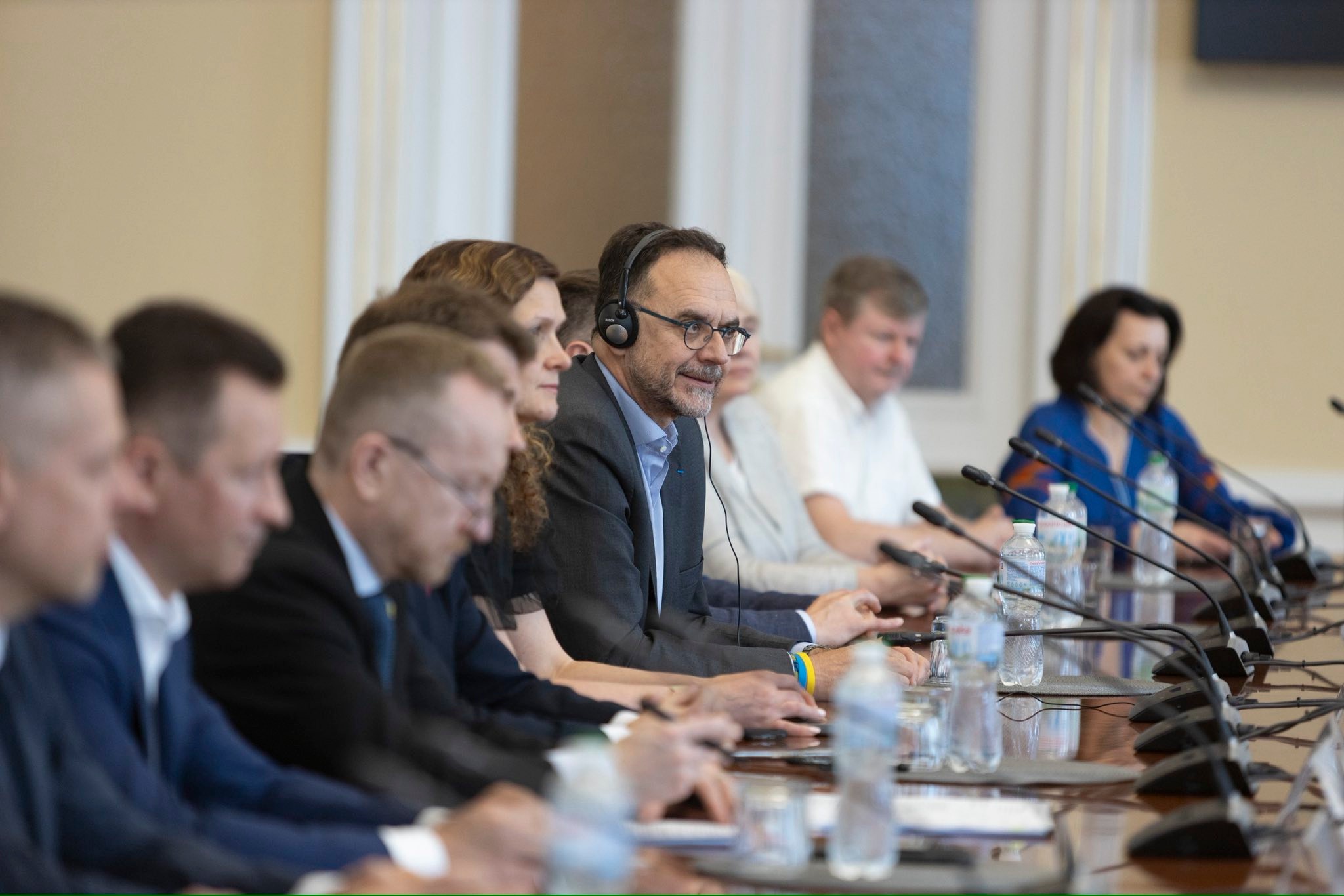
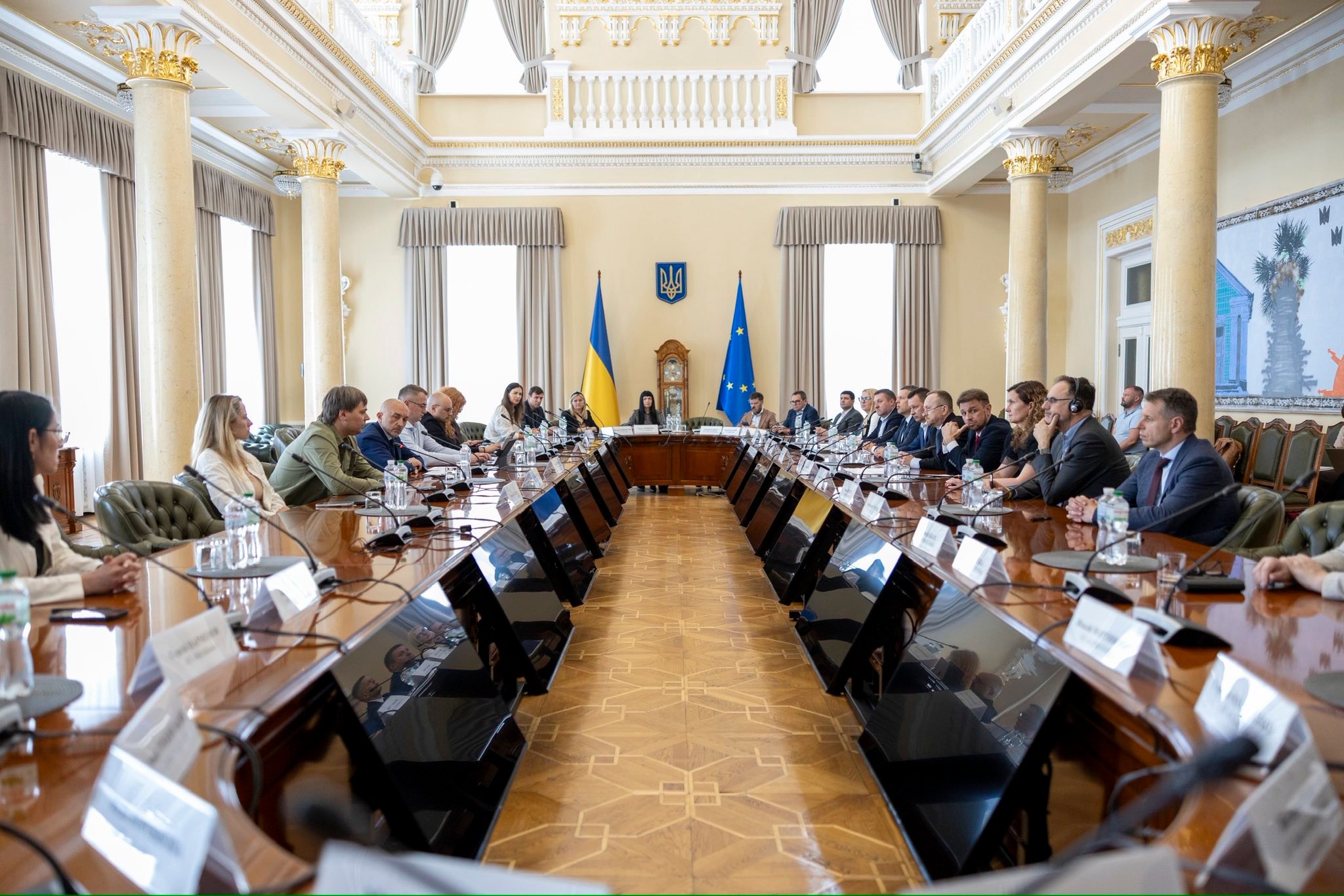
At the initiative of the National Bank of Ukraine, the country’s largest banks signed a Memorandum aimed at expanding access to financing for defense-industrial complex enterprises. The document was signed during a meeting at the National Bank by 23 banks of various ownership structures, representing more than 75% of the banking system’s net assets.
The Memorandum establishes a structured practical framework with segmented participation models for different banks and borrowers, and is intended to expand financing for defense-industrial production.
By signing the document, participating banks acknowledge the priority of financing the defense sector within their strategies, risk appetites, product lines, business structures, and internal processes.
The Memorandum outlines four participation models for banks:
- consortium or syndicated financing for large-scale projects;
- direct financing for manufacturers of weapons, ammunition, and military equipment;
- financing for dual-use goods;
- financing for small and medium-sized defense businesses under open contracts.
Under the Memorandum, banks aim to apply a balanced and flexible pricing approach to ensure financing conditions remain accessible for defense enterprises.
They also intend to partially move away from requiring “hard collateral,” allowing loans to be secured by financed assets or inventory, property rights to accounts receivable, guarantees from the state, international financial organizations or export credit agencies, insurance, or guarantees from owners or affiliated companies.
At the same time, the Memorandum includes expectations for actions by government agencies, enterprises, and institutions, including the National Bank, the Ministry of Defense of Ukraine, the Ministry of Finance, the Defense Procurement Agency, the Export Credit Agency, the National Development Institution, and others. Implementing these steps is expected to accelerate the scaling up of bank financing for the defense industry.
“We are ready to fulfill the expected steps from the National Bank and are already doing so: participating in the standardization of documents for consortium lending, providing necessary clarifications, and calibrating our regulatory requirements, particularly regarding credit risk assessment,” commented NBU Governor Andriy Pyshnyy. “Financing for the defense industry is growing dynamically. According to survey data, the increase in loans and guarantees provided to the sector in 2025 exceeded UAH 60 billion. And this is only the beginning.”
Deputy Defense Minister Vasyl Shkurakov also joined the meeting.
“For us, financing the defense-industrial complex is not only about resources. It is about the efficiency, transparency, and predictability of the entire defense production system. The state, banks, and defense enterprises must work as partners with one common goal — to ensure the timely supply of the Armed Forces of Ukraine, wisely share risks, and turn every contract, every hryvnia, and every technological development into real defense capability for Ukraine,” he said.
The preparation of the Memorandum was coordinated by the National Association of Banks of Ukraine and the Association of Ukrainian Banks.
“The Memorandum creates a new practical framework for financing the defense industry. Banks define support for this sector as one of their strategic priorities and establish concrete mechanisms to expand defense enterprises’ access to financing — from large consortium projects to small and medium-sized businesses, manufacturers of unmanned systems, and dual-use products,” said Serhiy Naumov. “This is not a declarative document, but a highly practical one that provides banks with a clear architecture for financing the defense industry and defines separate financing segments that banks can join depending on their competencies, access to information, and internal procedures. This opens the door for a much wider range of banks, including those with foreign capital, to participate.”
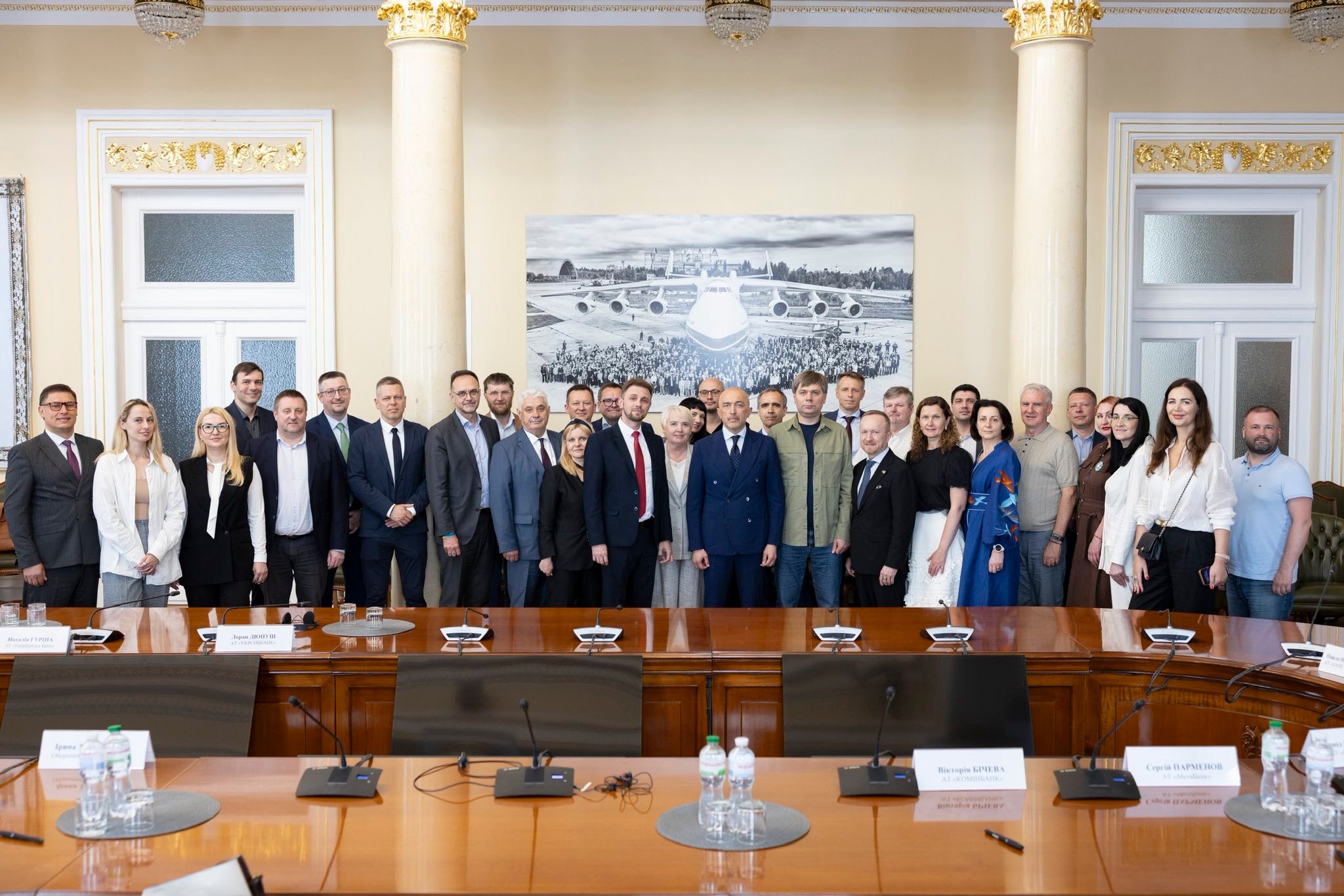
“The signing of this Memorandum is the banking system’s response to the challenges of wartime. We have joined forces so that defense-industrial enterprises — from major arms manufacturers to small businesses within supply chains — have real access to financing. From now on, we will monitor the implementation of these commitments on a quarterly basis to ensure every agreement becomes a concrete support instrument for enterprises strengthening the country’s defense capability,” said Andriy Dubas.