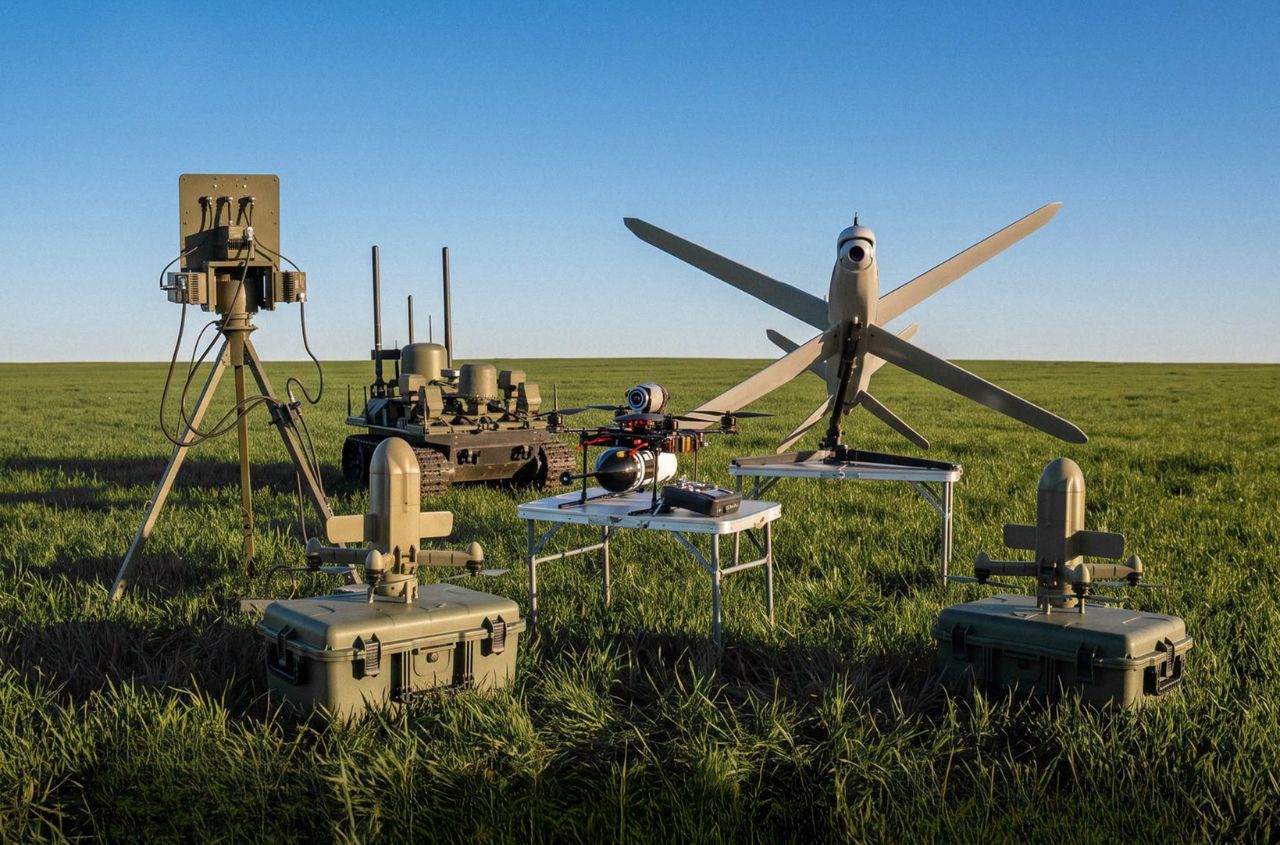



Ukraine’s Defence Forces continued their systematic campaign in August 2026 to strike Russia’s operational rear and military-economic capabilities using middle-strike weapons.
Last month, Ukrainian forces struck:
- 17 air defence systems;
- 6 bridges;
- more than 20 warehouses;
- more than 30 command posts.
On the instructions of the President, Ukraine’s Ministry of Defence, the General Staff of the Armed Forces of Ukraine and units of the Defence Forces are systematically working to strengthen strikes against Russian forces at operational depth.
Every destroyed radar, air defence or electronic warfare system opens the way for strikes deeper into the Russian rear. Destroyed bridges disrupt logistics, while strikes on warehouses and command posts reduce the combat readiness of Russian units.
The Ministry of Defence detailed the Russian military facilities targeted by Ukraine’s Defence Forces using middle-strike weapons last month.
Targeting Russian air defences
To enable Ukrainian strike systems to operate more effectively, Ukraine continued targeting Russian air defences in August.
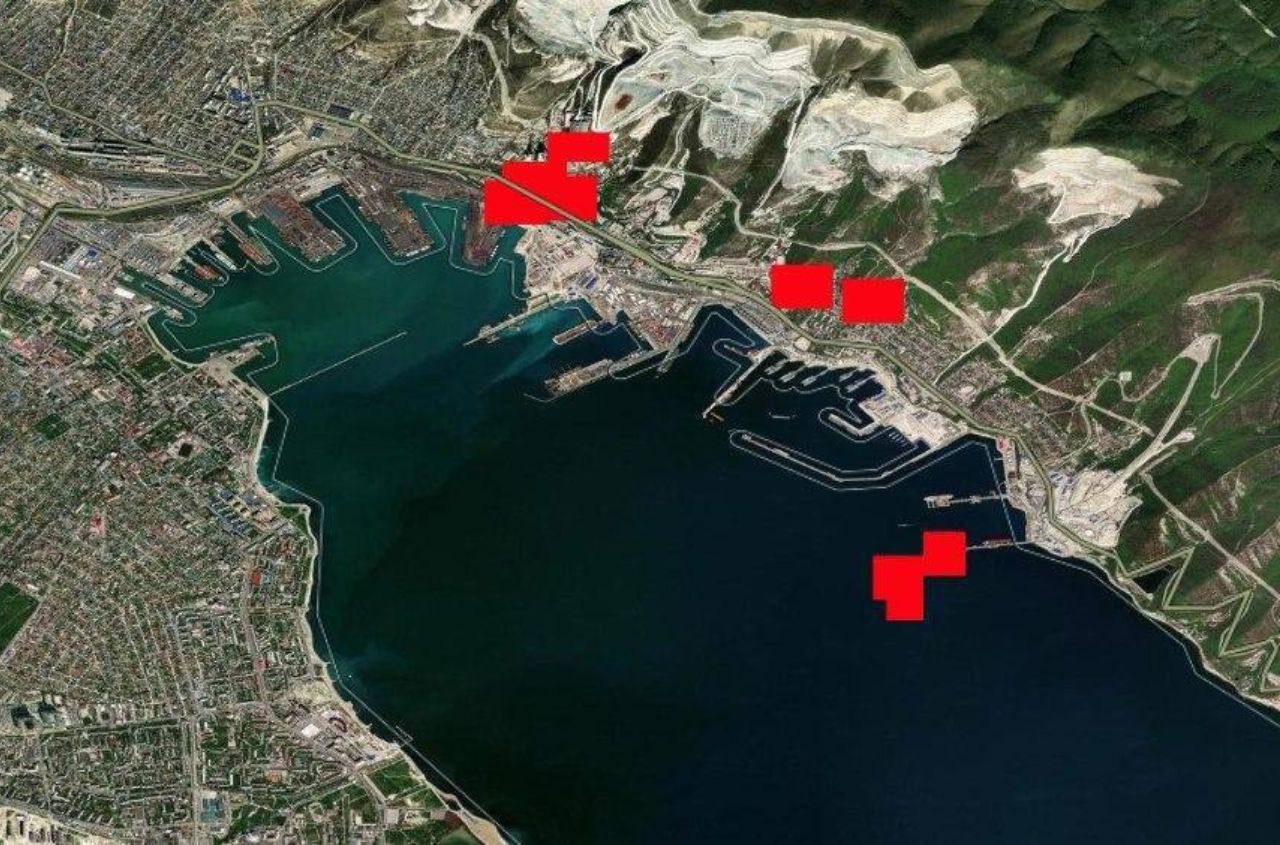
Positions of S-400 Triumf air defence systems in Gelendzhik and Russia’s Bryansk region were struck, along with Pantsir systems in Yeysk, Tor systems in Russia’s Rostov region, a Buk-M3 in the Luhansk region and a Strela-10 in Kreminna.
A number of radar stations were also destroyed, including a long-range Nebo-U radar in Sevastopol, a Nebo-SV radar, Kasta and Podlyot radar stations, as well as electronic warfare systems, including a Peresvet-M system in Luhansk.
Disrupting Russian logistics and supplies
Ukraine’s Defence Forces continued systematically targeting Russian logistics routes.
Railway bridges across the Syvash near Chonhar and bridges near Vladyslavivka and Svitlodolynske were struck, as were road bridges across the Seym River in Russia’s Kursk region and the Molochna River in the Zaporizhzhia region. A crossing over the Mokri Yaly River in the Donetsk region was also targeted.
In addition to infrastructure, Ukraine’s Defence Forces struck more than 20 logistics and ammunition depots, as well as repair bases in temporarily occupied territories and Russia’s border regions.
Targeting drone infrastructure and command posts
In August, Ukrainian forces continued systematically identifying and striking Russian facilities associated with the operation of unmanned systems and unmanned maritime vessels.
A base for unmanned maritime vessels in Chornomorske was struck. More than 30 strikes were also carried out against command posts, storage facilities and launch sites for strike UAVs, including in the Bryansk and Donetsk regions and Crimea.
A number of ground-based relay stations used to control Geran/Gerbera strike UAVs were put out of operation, reducing Russian forces’ ability to coordinate drone attacks.
Middle-strike weapons were also used to target Russian military command posts, including primary and backup command posts in the city of Donetsk, an FSB unit in Shchaslyvtseve and a UAV training centre in Luhansk.
The systematic use of middle-strike weapons enables Ukraine to steadily reduce Russia’s military capabilities and disrupt the resilience of its military command-and-control system.