


The Ukrainian Scientific Center of Ecology of the Sea, under the Ministry of Economy and Environment, has conducted a preliminary assessment of the environmental risks associated with the sinking of the dry cargo vessel GOLDEN LEO in the Black Sea near the coast of Odessa. No confirmed signs of an oil spill have been detected, but the vessel remains a potential source of pollution.
Additional surveys and field studies are required for a final assessment of the situation. In particular, satellite monitoring should continue, the sunken vessel should undergo an instrumental inspection, and samples of water, bottom sediments and marine biota should be collected. Only after obtaining these data will it be possible to objectively assess the level of environmental risk and determine measures to contain any potential pollution.
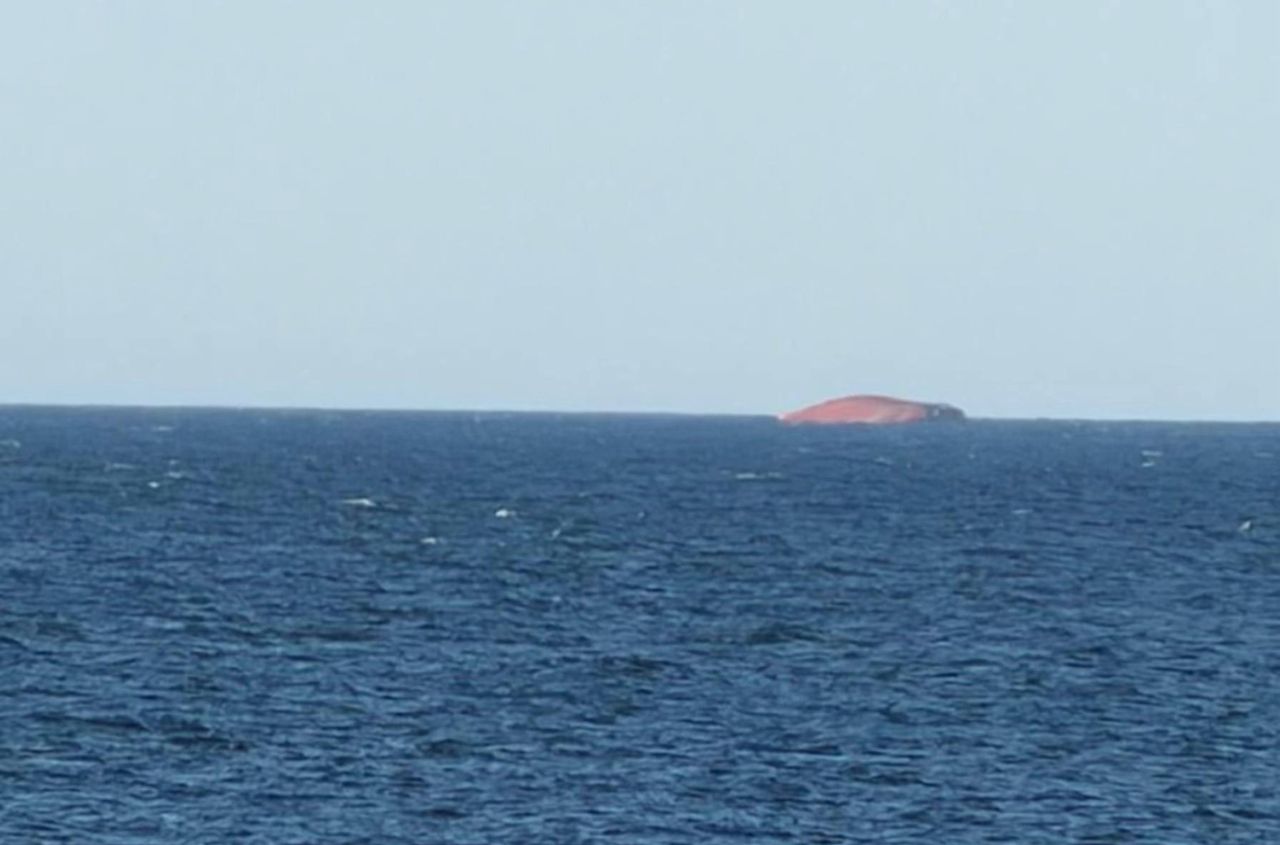
On July 19, 2026, the GOLDEN LEO, which was carrying corn, was struck by a missile while sailing through the maritime corridor from the port of Chornomorsk. Following a fire, the vessel became unseaworthy. On July 26, it capsized and sank in Odessa Bay at a depth of approximately 22–24 meters. Its cargo remained in the holds at the time of the sinking.
Based on available satellite imagery, specialists from the Ukrainian Scientific Center of Ecology of the Sea carried out scenario modelling of how pollution could potentially spread in the event of an oil leak. Analysis of the satellite data found no reliable evidence of an oil slick. However, the absence of such signs does not eliminate the need for continued monitoring.
The modelling does not confirm that pollution has occurred; it only indicates the possible directions in which oil products could spread if they entered the sea. Under one of the projected scenarios, potential pollution could spread primarily within the coastal waters of Odessa Bay.
If the vessel’s fuel tanks lose their integrity, a fuel leak could have a negative impact on marine ecosystems. Fish, fish eggs and larvae, plankton, bivalve molluscs and waterbirds are among the most vulnerable. There are also potential risks to recreational use of the coastline.
Experts are also paying particular attention to the possibility of the corn cargo entering the water, which under certain conditions could lead to localized oxygen depletion.
“The full-scale war is creating new environmental risks for Ukraine, including risks to marine ecosystems. Our task is to promptly assess potential threats, even when they have not yet been confirmed, and take all necessary measures to prevent them. The situation in Odessa Bay requires continuous monitoring and interagency coordination. Only factual data will allow us to objectively assess the environmental consequences and determine further action,” said Iryna Ovcharenko, Deputy Minister of Economy and Environment of Ukraine.