

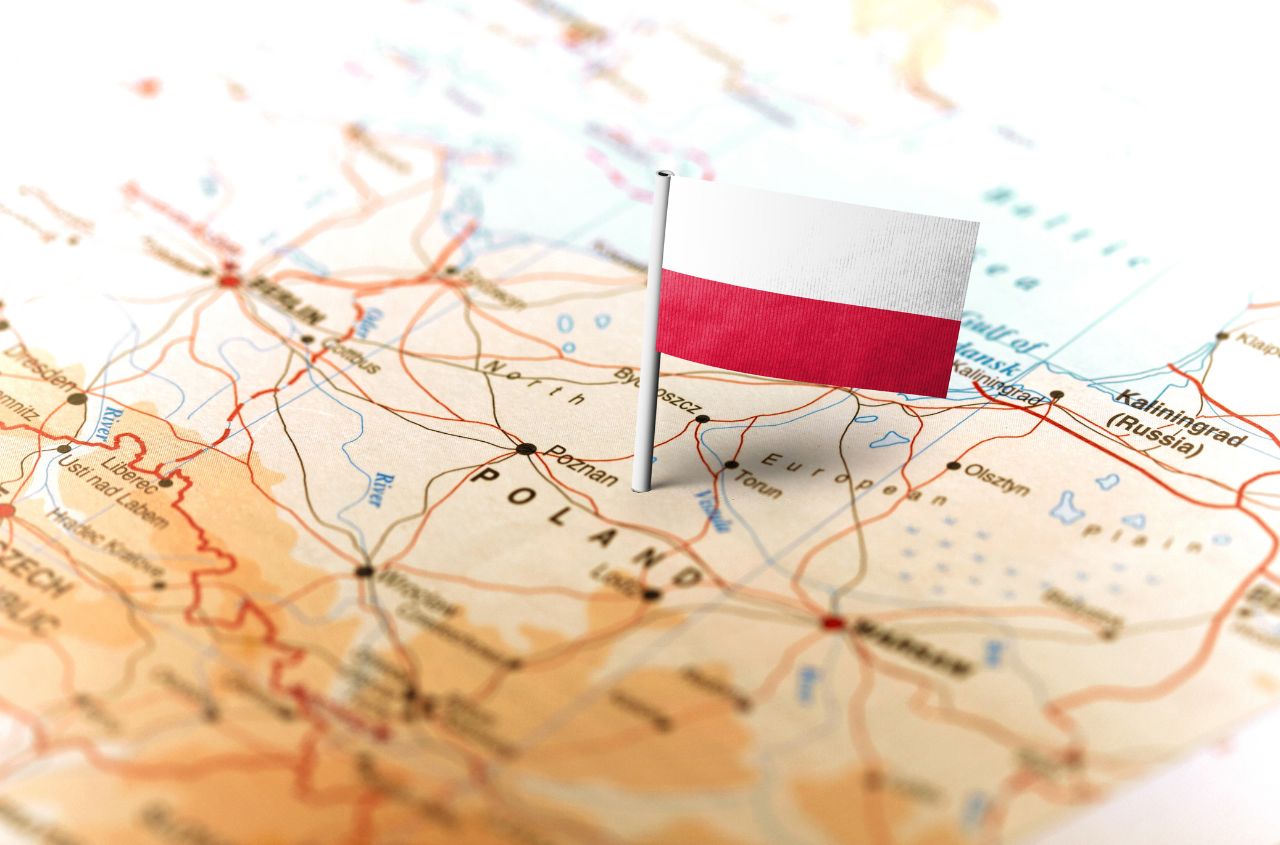

Warsaw has proposed that European Union countries move beyond individual expulsions towards systematically countering the Russian intelligence threat by restricting Russian diplomats’ movements to the countries where they are accredited, thereby depriving the Kremlin’s intelligence services of a key operational platform, according to the Robert Lansing Institute (RLI).
Following a meeting of the Weimar Triangle, Polish Foreign Minister Radosław Sikorski said that around 40% of the approximately 2,000 Russian diplomats accredited in the EU are in fact working for Russian intelligence services. Against the backdrop of a sharp increase in hybrid threats, Warsaw has put forward an initiative that goes far beyond another round of diplomatic expulsions.
Poland proposes depriving Moscow’s intelligence services of one of their main advantages — the ability to use the EU’s transnational diplomatic network as a protected platform for conducting intelligence and sabotage operations.
Following the mass expulsions of 2022, Moscow shifted to a decentralised intelligence model, increasingly relying on remotely recruited “disposable agents”, criminal networks and proxy structures. Diplomatic cover, however, has not lost its importance, instead becoming a protected command and logistics hub.
An intelligence officer operating under diplomatic immunity can facilitate intelligence gathering, financial logistics, secure communications with Moscow, coordination of operatives and the creation of backup command channels. In practice, Moscow’s intelligence services can use diplomatic infrastructure as an intermediary between their headquarters and locally recruited agents tasked with carrying out specific operations.
The Polish proposal targets these intermediate links. Its key element is restricting Russian diplomats’ freedom of movement exclusively to the territory of the country in which they are accredited.
At present, their status allows them to travel freely throughout the Schengen Area, enabling them to use neighbouring countries to meet agents, transfer resources and support operations. For example, a Russian diplomatic mission in one country could be used to support a sabotage operation in another EU state.
Warsaw’s argument is supported by 2026 data from Germany’s Federal Criminal Police Office, which recorded a surge in sabotage incidents, suspicious drone launches and flights over critical and defence infrastructure.
Poland’s proposed measure would effectively turn each EU country from part of an open Schengen space into a separate controlled perimeter for Russian diplomats. This would address the EU’s “weak link” problem, sharply increase Moscow’s operational costs and force its intelligence services to rely on less secure, riskier and more vulnerable communication channels.