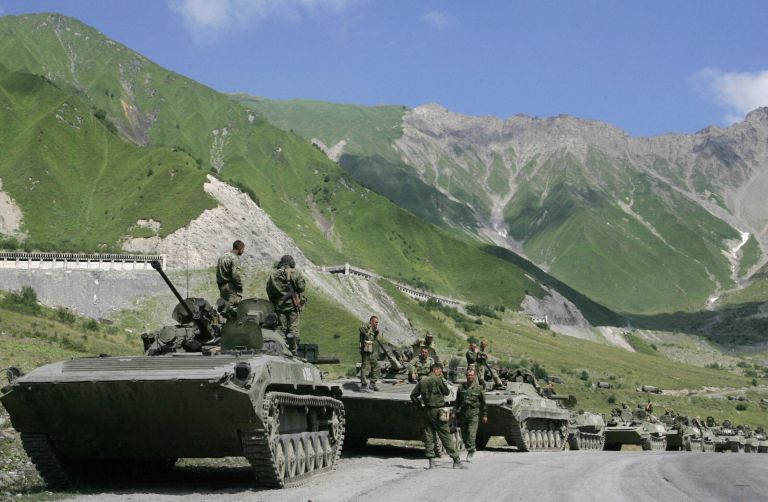


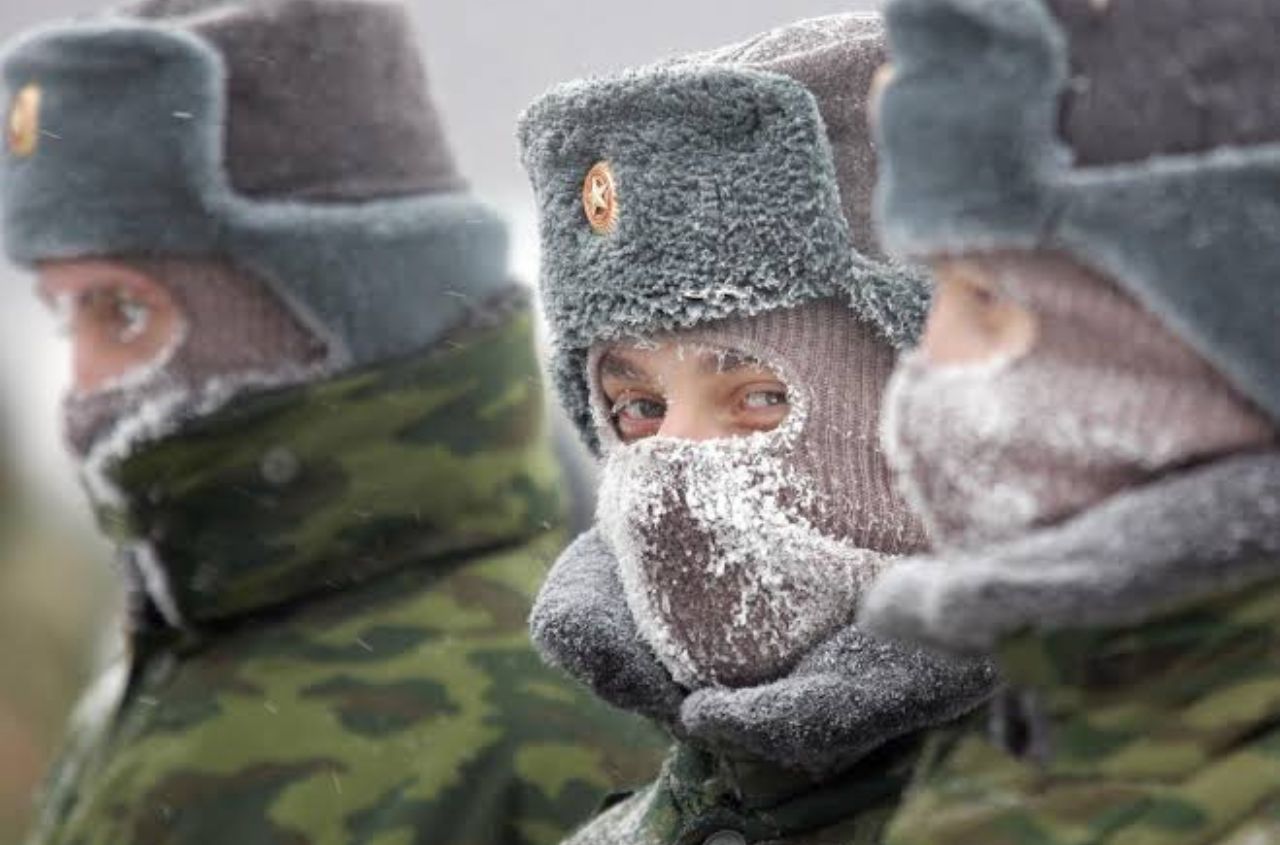

Main image: Russian soldiers wear face-masks standing at the parade-ground at their military unit outside Moscow, 20 January 2006. ALEXANDER NEMENOV/AFP — GETTY IMAGES
There is an obvious sense of urgency among the Russians in the Donetsk region. This contrasts quite sharply with what some soldiers are reporting from certain sectors north of the Donetsk region. In other words, one thing stands out clearly: the Russians are in a hurry specifically in the Donbas.
And that is hardly surprising. The main military efforts and political narratives revolve around capturing the Donetsk region. I continue to believe that this is not about being able to “sell” the capture of the Donetsk region as a victory. Rather, the hope is that, after achieving this, Russian forces will be able to break into more open operational terrain around Barvinkove and the Samara River basin. This is precisely why Putin is prepared to sacrifice an unlimited number of soldiers in an effort to finally capture the Kramatorsk agglomeration and what remains of the Pokrovsk agglomeration.
Can they do this without mobilization? I remain of the view that there will be mobilization in Russia.
I see two schools of thought among people who systematically analyze the situation.
Among those who focus primarily on economic and demographic indicators, many tend to believe that if the recruitment rate for contract soldiers stabilizes, the Kremlin will not resort to mass mobilization.
There is a certain weakness in this approach because it involves a degree of generalization. If it is true that Russian “recruiters” are already resorting to coercive methods, then the distinction between recruitment into contract service and conventional mobilization involving direct state coercion is already becoming increasingly blurred.
Those who focus more on the military dimension, however, tend to believe that Russia will carry out mobilization.
Mass mobilization has one significant advantage: it makes it possible to quickly replace losses in units already fighting, fill personnel shortages in units being formed, and bring newly formed units up to strength. In the longer term, this could increase Russia’s ability to intensify pressure on Ukrainian defenses along existing operational axes or open new ones.
The Russian system has had enough time to address the shortcomings that previously prevented it from integrating large numbers of new personnel into the army within a short period.
Whether this would indicate that the Russians are becoming nervous because the war of attrition is working both ways, or whether there are other reasons, is a question requiring deeper analysis.
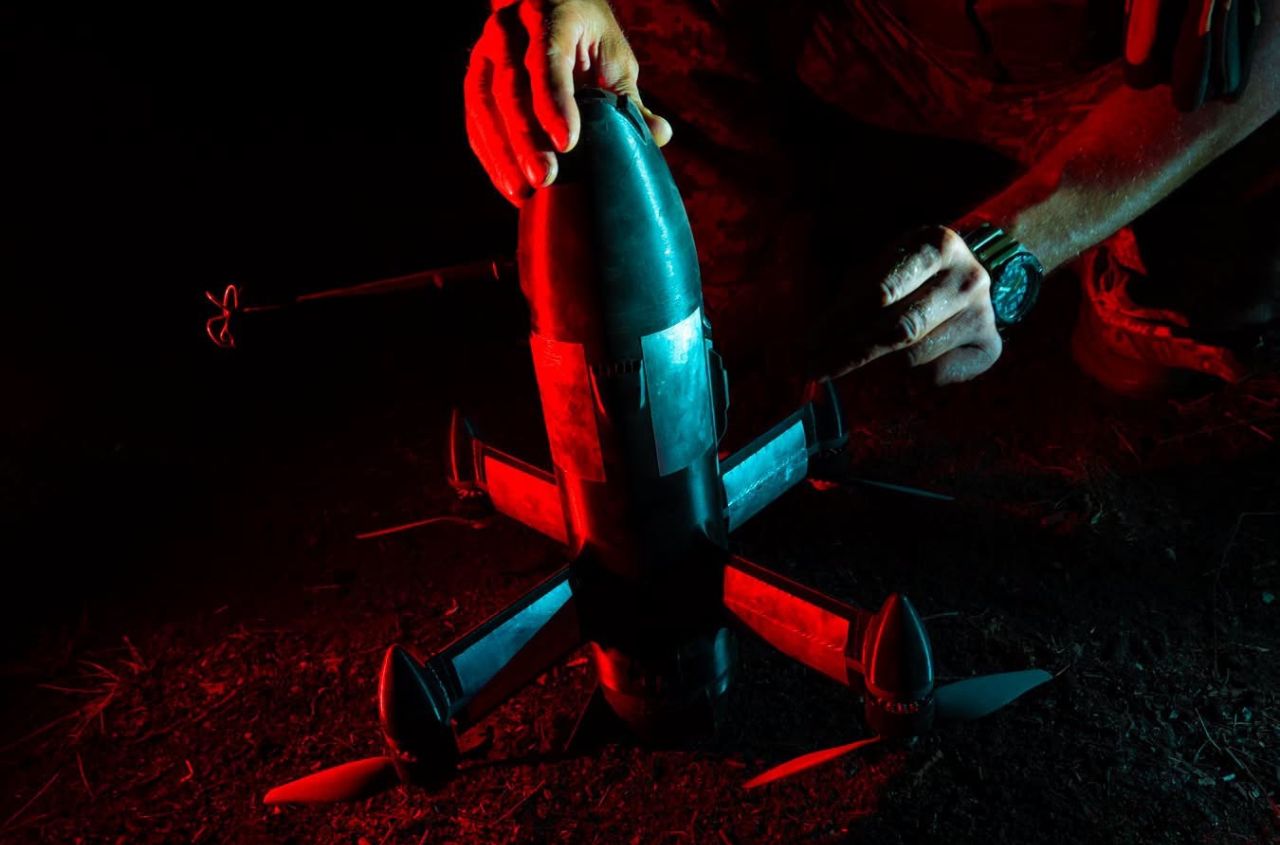
I have warned before that we should not become euphoric over our successes in conducting strikes at operational or strategic depth. Things will still be difficult for us. But perhaps these strikes are precisely what is pushing the Russians to hurry.
They are adapting and finding ways to defend themselves against our strikes, but there is no panacea, and the strikes continue. Perhaps without them, the war-of-attrition strategy would simply have continued in the same form. But the Russians are also taking hits, and some of them are extremely painful. So they have reason to believe that, wherever possible, they should accelerate their efforts — in the Donbas or elsewhere.
I have discussed the particular nature of the fighting and terrain in the Donbas many times, so I will not repeat it here.
I therefore continue to believe that, in one form or another, there will be mobilization in Russia, and that the Russians will try to turn it into another major push, hoping that they can finally break us — hoping that we are exhausted and sufficiently demoralized at different levels of society.