

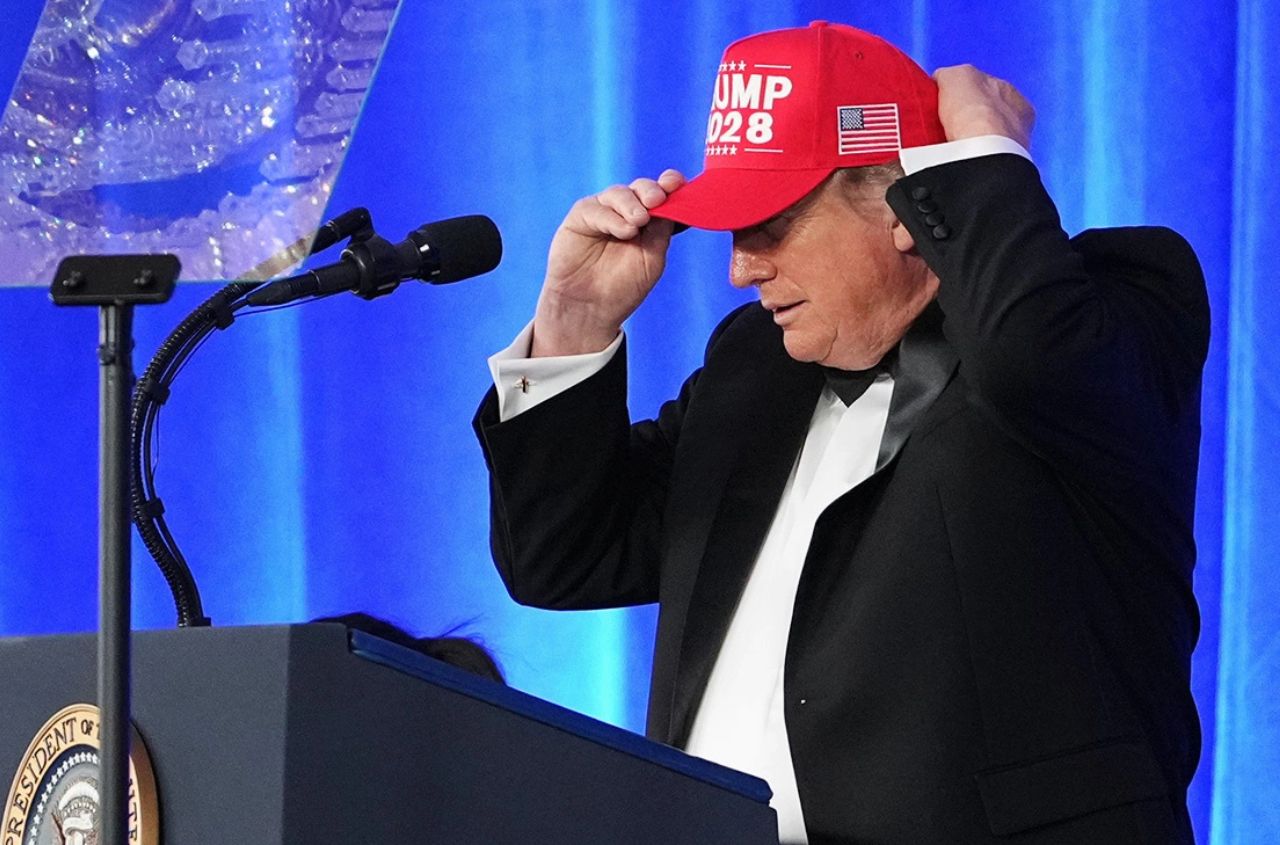

An energy ceasefire between Ukraine and Russia has already been agreed. At least, that is what US President Donald Trump confidently announced last night. However, it seems that, as usual, he may be getting slightly ahead of himself with the good news.
I have no doubt that negotiations took place and may even have produced some positive results. But this may not yet be the finish line.
“Ukraine has agreed not to strike Russian energy facilities. Russia has agreed to do the same,” Trump said.
How serious is this? Possibly very serious. Possibly — but not certainly, because Trump’s announcements have more than once ultimately come to nothing. Donald Trump has a tendency to rush his announcements and present what he wants to happen as something that has already been achieved.
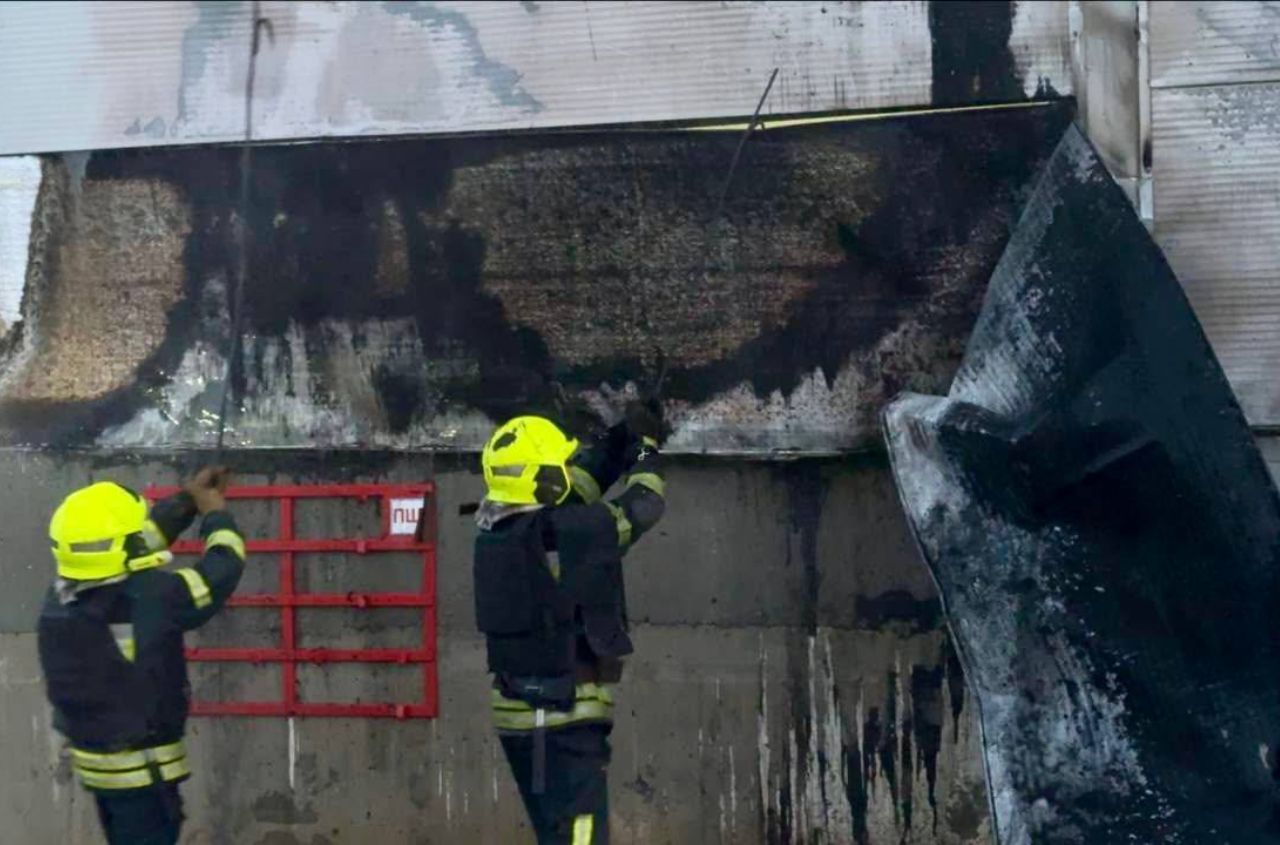
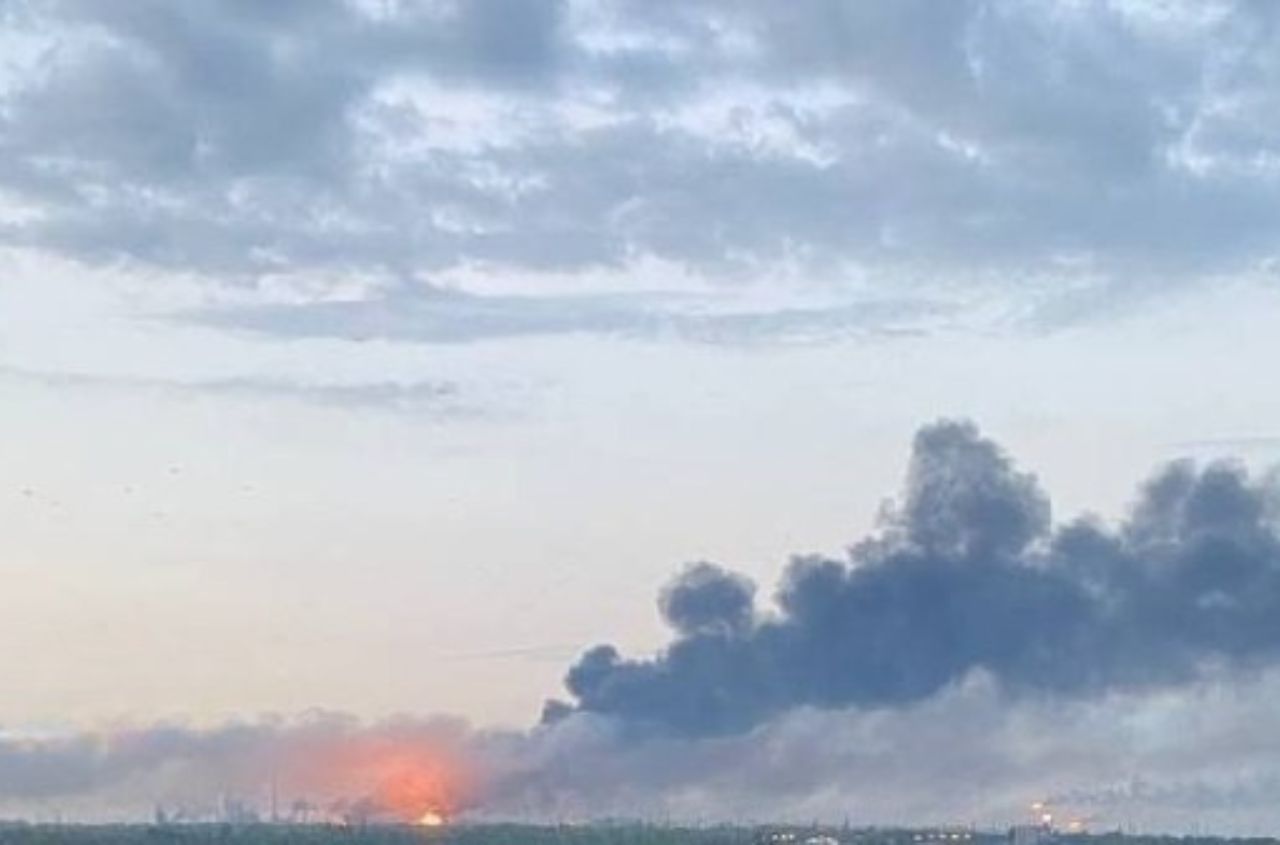
On the one hand, Russia is suffering considerably from Ukrainian strikes on its oil refineries. And experience shows that it is unable to protect them. Queues at petrol stations in St Petersburg or Novorossiysk are evidence of this. A recent strike knocked out the Kirishinefteorgsintez refinery, Russia’s second-largest refinery, which supplied fuel to the entire north-west of the country. Add to that — or rather subtract — the Yaroslavl refinery, the Samara refinery and the massive Omsk refinery.
The Kremlin would be delighted to stop these attacks. And that is precisely why Ukraine is so interested in continuing to hit Russia’s oil industry. It is a highly vulnerable point in the Russian economy.
On the other hand, the situation with strikes on Ukraine’s energy sector is essentially the same. Russia is systematically targeting our energy infrastructure and preparing to freeze Ukraine and leave the country in darkness this winter. So, realistically, we are interested in stopping these attacks, while the Kremlin very much wants to continue them.
Peskov recently made this clear to journalists, describing Ukraine’s energy sector as the Achilles’ heel of our resistance.
Obviously, each side wants to continue carrying out strikes while no longer being struck itself. But such an arrangement can only work on the basis of reciprocity.
At the moment, however, neither Ukraine nor Russia has unequivocally confirmed Trump’s statement.
The Kremlin reacted positively to the US President’s call for Ukrainian strikes to stop.
“Of course, any call on the Kyiv regime to stop strikes on peaceful economic infrastructure can only be welcomed,” Peskov said.
At the same time, the Kremlin spokesman refused to answer whether Russia itself would refrain from striking Ukrainian economic infrastructure if Kyiv agreed to Trump’s proposal.
Ukrainian President Volodymyr Zelensky confirmed that Ukraine is prepared to reach such an agreement. The question is one of guarantees.
“If our partners are ready to ensure that Russia genuinely refrains from striking our electricity system, other energy facilities, critical infrastructure and the movement of food supplies, then we are, of course, ready to ensure a corresponding cessation of our strikes,” the President said.
So where does that leave us? Has Trump actually managed to persuade both sides to make these concessions, or does he merely think that he has?
We will find out in practice over the coming days or weeks. For now, Zelensky is already raising the question of guarantees. Russia is simply not a country known for keeping its word. On the contrary, it has built a reputation for breaking agreements — something Ukrainians know all too well.
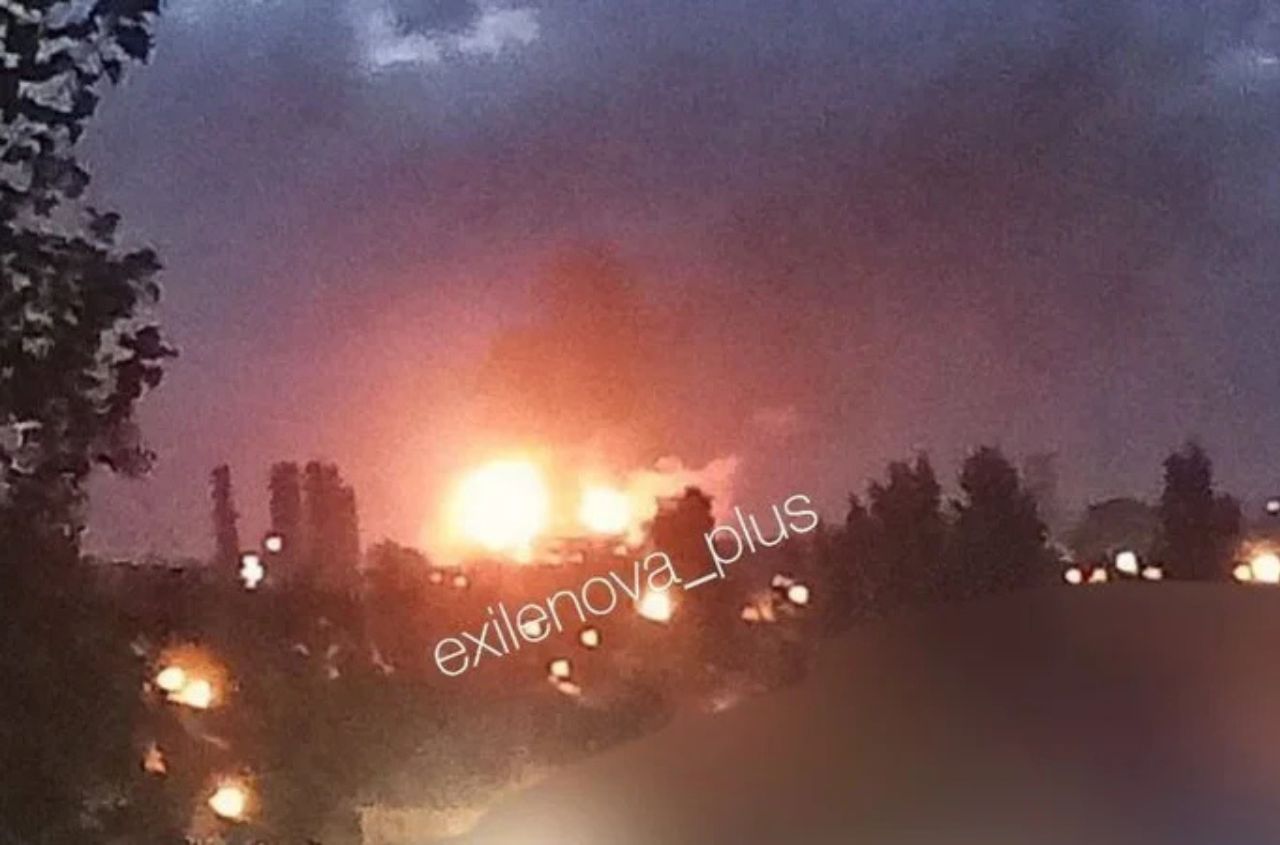
Which is why Ukrainian drones struck the Syzran oil refinery overnight, providing Russia with a rather vivid demonstration of the disadvantages of having no ceasefire in place.