


Russia is planning (through a separate law) to create a “Super TAD” (Territory of Advanced Development) that will include the territories of the Far Eastern Federal District, with some Arctic territories also included.
The concept of TADs (Territories of Advanced Development) and the later-created TOSERs (Territories of Advanced Socio-Economic Development) is not new. They are essentially a form of free economic zone, where investors receive various incentives depending on the location: tax benefits (up to full exemption from corporate profit tax), customs privileges (a zero import duty rate for equipment, and in some cases a “customs warehouse” regime), and even migration benefits (simplified procedures for attracting foreign specialists).
Although TADs and TOSERs are often considered synonyms, in practice TADs were created earlier and offered a broader package of incentives for investors. TOSERs, mainly located in northern regions, have a more “hybrid” format — they are largely managed with significant participation from the regional authorities where they are established.
Why is this important?
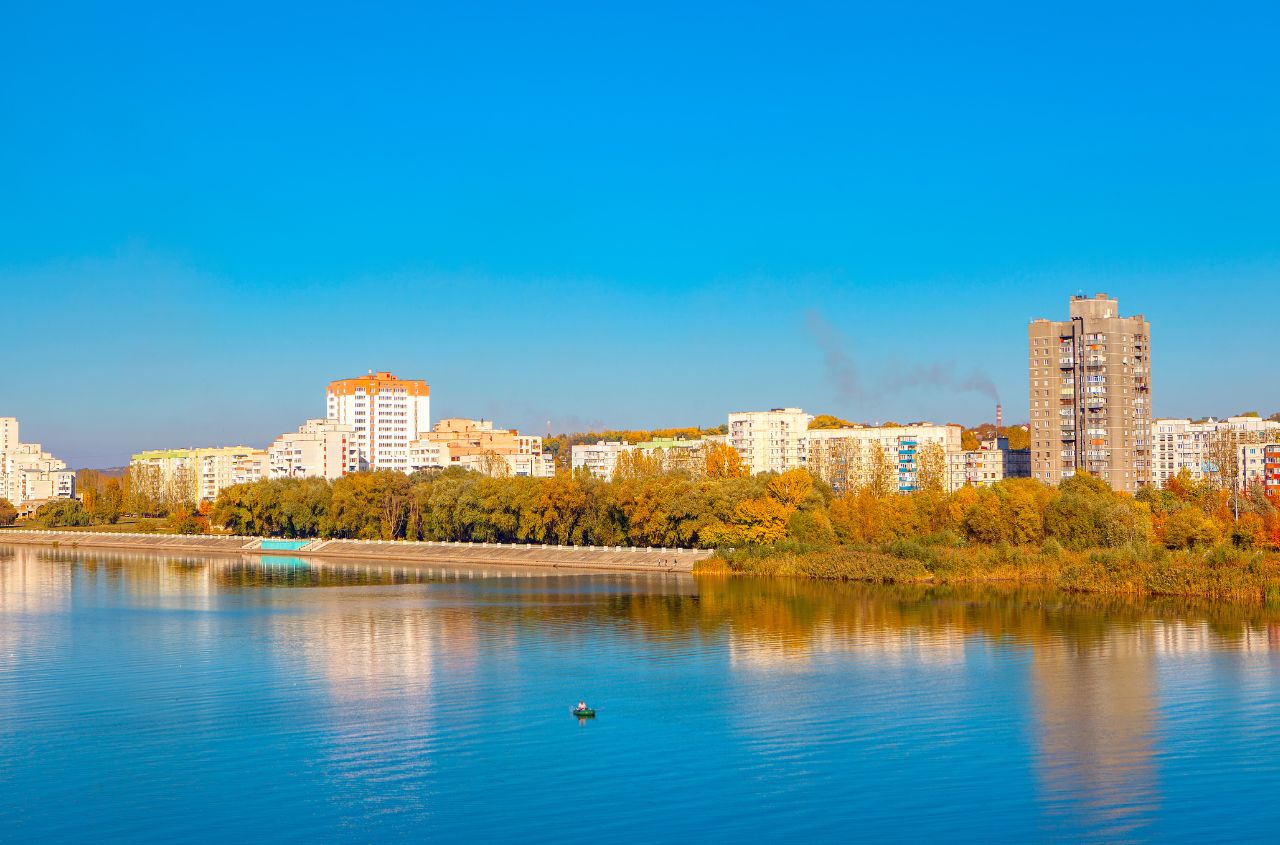
TADs originally emerged in the Russian Far East. Soon, many of these territories became footholds for Chinese businesses. In many cases, these were not merely companies with Chinese investment, but fully Chinese operations — with Chinese management, Chinese workers, and Chinese internal practices.
In theory, Russia could have used this to achieve a technological breakthrough for the local and national economy. However, Beijing has been reluctant to introduce high-tech manufacturing facilities in these territories. Extracting resources — yes; transferring technologies — only very cautiously. As a result, the Far Eastern Federal District is increasingly becoming an “extension” of the Chinese economy.
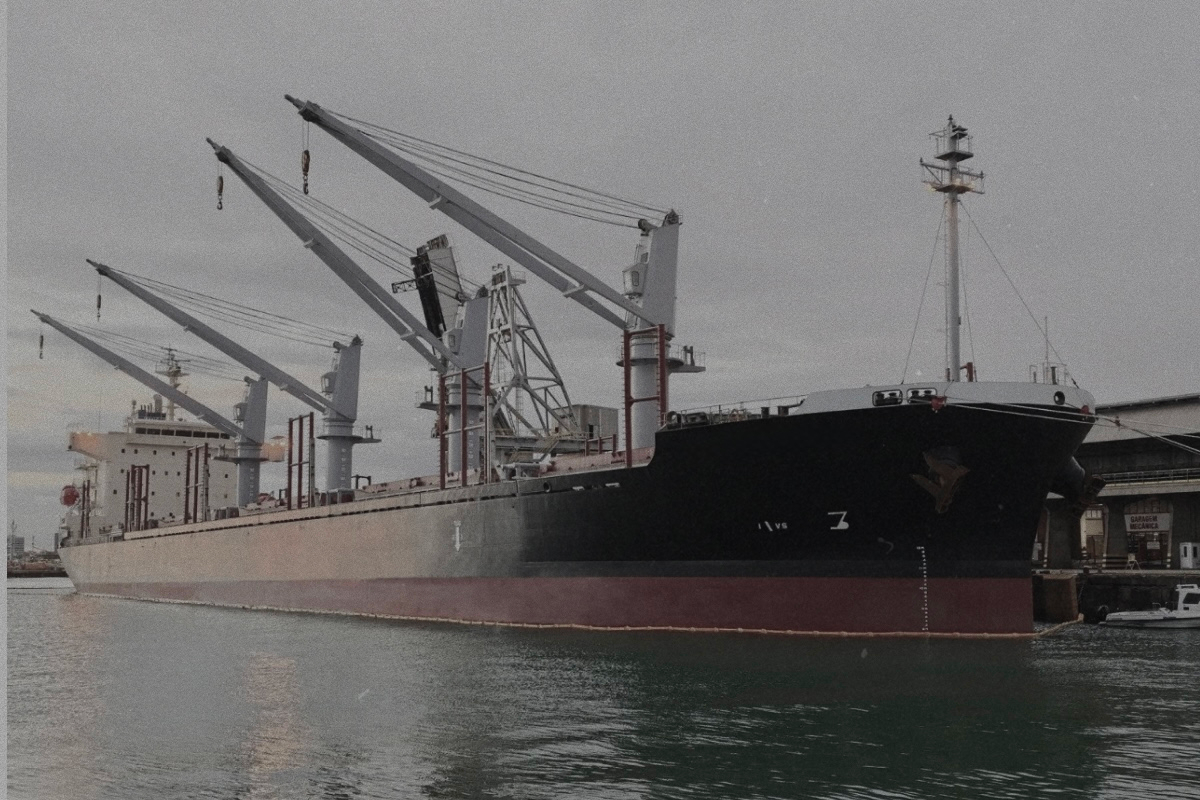
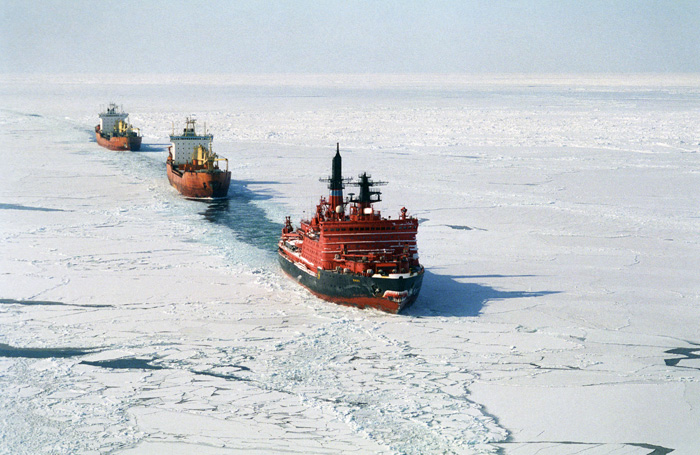
At the same time, Beijing is closely watching TOSERs in the Arctic. Arctic shipping routes are a strategic priority for China. Gaining the ability to establish and own supporting ports there would mean gaining control over what was until recently known as the Northern Sea Route.
The Kremlin has been reluctant to allow Chinese companies into this sphere. It is afraid.
Moreover, if we recall the so-called “Spirit of Anchorage,” Putin actively promoted the Arctic to Trump — both its resources and shipping opportunities — as well as access to business opportunities and resources in the Russian Far East.
For Washington, this is important in the context of containing Beijing: controlling logistics along a new transportation corridor and competing for access to the Far East’s resource base. From this perspective, improving relations with Russia could serve as a strategy of containing China — essentially playing Moscow against Beijing.
Putin understands this logic and is selling (and will continue to sell) these opportunities in exchange for concessions regarding Ukraine. This applies both to potential ceasefire arrangements and to what could follow afterward — Russia’s possible return to the “Western” economic system and U.S. support for this process.
However, “handing over the Arctic” to the United States while ignoring China’s interests is risky. Moreover, Washington itself wants access to the Far East, where Chinese companies have already established a strong presence.
For Russia itself, the “Sinicization of the Far East” is becoming a problem, especially amid strikes affecting the oil industry and trade.
I have already written that for any empire, maintaining territorial connectivity is a matter of survival. If there are problems not only with the movement of goods but even with “flights to Russia” (whether because airports are closed or fuel is unavailable), the region can quickly and painlessly redirect itself toward a new “center of decision-making,” as Moscow calls it.
In other words, the region would increasingly tilt both socially and politically toward China.
This brings us back to the idea of the “Super TAD.”
The existing tax regime cannot simply be abolished. But all current TADs can be merged into a single super-cluster. Formally, this would expand preferential treatment across a vast territory. In reality, it would blur the boundaries of existing TADs.
At the same time, Moscow appears to be trying to correct previous mistakes made in the Far East. The previous entry threshold — 500,000 Russian rubles (less than $10,000) — was extremely attractive to small Chinese businesses. The new threshold is expected to be increased tenfold, to 5 million rubles.
Once the new system is operational, some of the existing TADs could simply be abolished.
Thus, the Kremlin hopes, on the one hand, to “dilute” Chinese dominance in these territories. Alternatively, it hopes to attract larger companies — something beyond timber processing operations or a few dozen greenhouses.
But the most important point is that the Super TAD becomes a valuable bargaining tool.
Since territorial restrictions would be removed — potentially covering almost the entire Federal District — Moscow could negotiate investment opportunities with the United States and other countries.
In simple terms, it could organize an auction.
Not immediately (the law has not yet been adopted), but potentially in 2027. For now, Moscow can sell future prospects and attempt to exchange them for the support of major powers regarding Ukraine.
However, the Kremlin faces several problems.
1. The positions of both the United States and China.
Neither country benefits from Russia’s complete defeat. But neither benefits from Ukraine’s defeat either, as that would strengthen Russian ambitions. A weakened Kremlin, however, is acceptable to both Washington and Beijing.
2. The threat to Russia itself.
If an entire region receives the ability to operate under its own tax, customs, and migration systems, this would create a real form of “federalization” and genuine distancing from Moscow.
The Kremlin understands this risk, which is why supervision of the Super TAD is proposed to remain at the level of the federal government and the State Duma.
But at a certain point, such regional leaders could face a “moment of choice”: is it more advantageous to remain one of many government officials, or become the first and most powerful figure in a massive special economic zone? :-)
For now, this idea deserves close observation.
Another visit by Russian negotiators to the United States should also be expected in the near future.