

German authorities have approved a controversial French-Russian nuclear project involving state-owned corporation Rosatom, despite serious concerns from experts and security agencies over potential Russian espionage and sabotage risks in Germany, according to DailyBeirut.
The Ministry for the Environment and Energy of Lower Saxony, together with Germany’s Federal Office for the Safety of Nuclear Waste Management (BASE), approved an application by Advanced Nuclear Fuels (ANF), a subsidiary of French energy group Framatome, to expand nuclear fuel production at its plant in Lingen with the involvement of Russian technology and specialists from Rosatom.
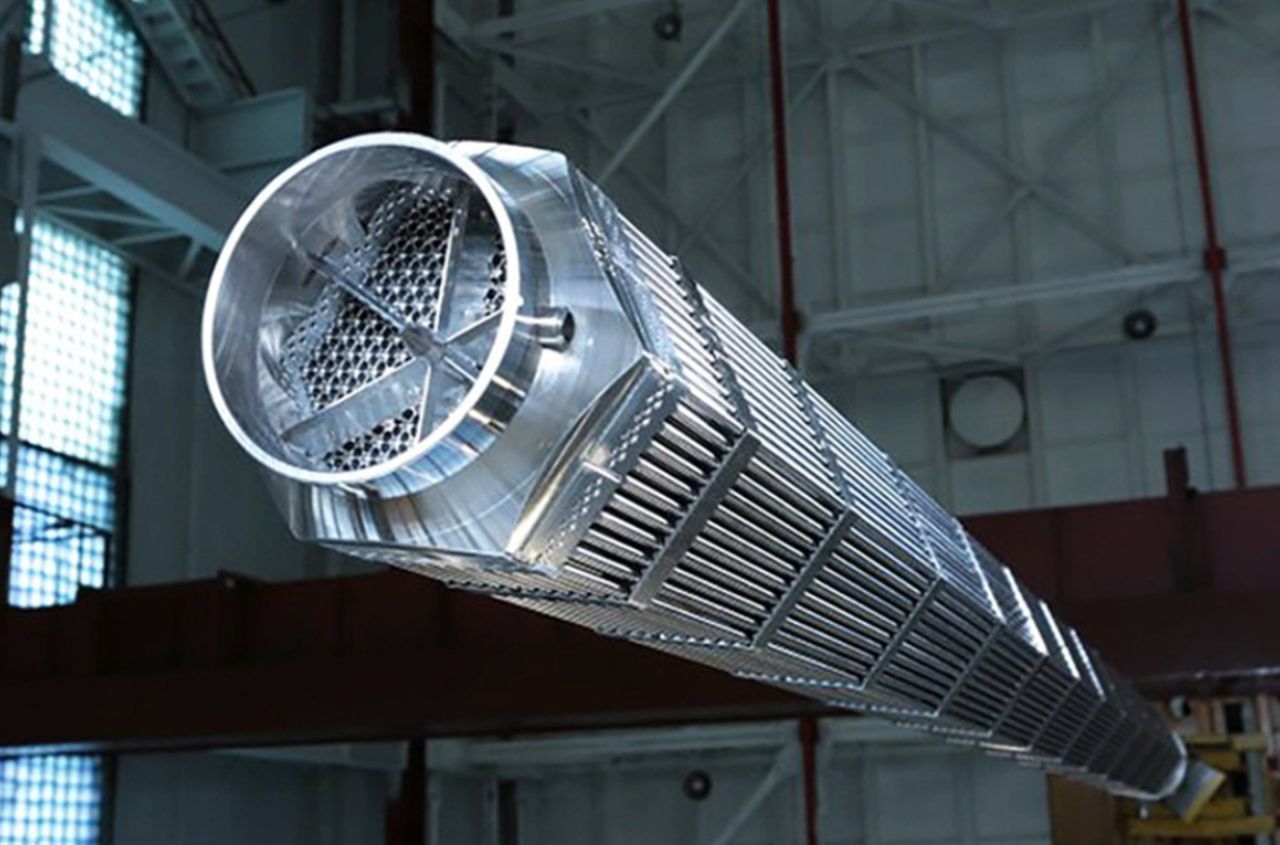
The approval allows the creation of a joint venture to assemble nuclear fuel elements under a Russian license. These fuel components are required for Soviet- and Russian-designed nuclear reactors still operating in several EU countries, including the Czech Republic, Slovakia, Bulgaria, and Hungary.
“The appropriate instrument for addressing this issue is not nuclear legislation, but EU-wide sanctions, including measures targeting the nuclear sector. However, so far the majority of EU member states have not supported such sanctions. Therefore, we continue to actively advocate for the introduction of EU sanctions against Russia in the nuclear field,” the statement said.
The decision has triggered strong criticism from environmental organizations, including Greenpeace and BUND, as well as Green Party lawmakers and intelligence experts.
Opponents argue that the project will require the permanent presence of Russian engineers, technicians, and security specialists at a German nuclear facility, creating unprecedented risks of industrial and military espionage. German security assessments reportedly warned that Rosatom personnel could assist Russian intelligence services, including the GRU and FSB, in collecting information on Germany’s critical energy infrastructure, radioactive material transport routes, and potential vulnerabilities for sabotage.
German federal and regional officials responded that the country is bound by existing EU legal obligations and that the Lingen facility will operate under enhanced security oversight. Germany’s domestic intelligence agency (BfV) will conduct individual checks on Russian personnel, restrict access to critical digital systems, and limit foreign employees’ movements to designated production areas.
Framatome welcomed the decision, stating that it “strengthens Europe’s energy security, supports industrial sovereignty, and confirms our commitment to providing safe and diversified fuel supply solutions for nuclear power plant operators across Europe.”
The company said the cooperation is an interim step aimed at helping customers operating Russian-designed reactors diversify their fuel supplies and reduce direct dependence on Russian purchases until Framatome develops its own production technologies.