

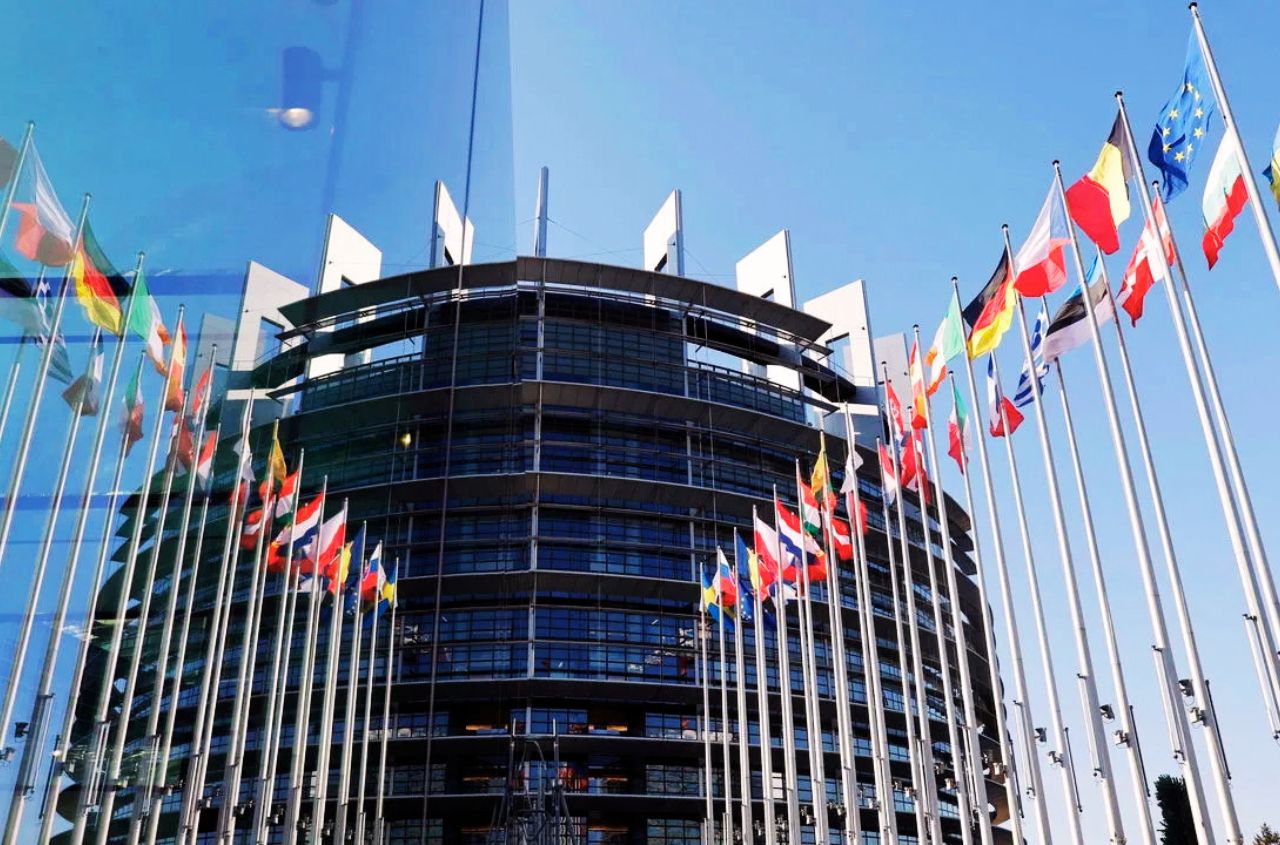
The European Parliament has called on the EU and its member states to recognise that hybrid attacks can constitute a form of warfare and to shift from responding to such actions to actively deterring them.
This is stated in a resolution on hybrid warfare and the protection of the EU’s territorial integrity and critical security and defence infrastructure, adopted in Strasbourg on Wednesday.
The resolution was supported by 470 MEPs, with 129 voting against and 62 abstaining.
“Hybrid operations are deliberate, combined and coordinated actions by states. They are presented as isolated incidents and remain below the threshold of armed conflict, although they are capable of causing consequences comparable to conventional aggression. Hybrid actions can therefore constitute a form of warfare regardless of whether conventional military force is used,” the text states.
The European Parliament identified Russia, acting directly or through controlled proxies and intermediaries, including Belarus, as the most serious state-sponsored hybrid threat to the European Union and its member states.
The document also refers to hybrid campaigns conducted by China, Iran and North Korea, as well as activities by terrorist and criminal groups, private military companies, oligarchic networks and other non-state actors.
According to MEPs, Russia seeks to weaken European unity and democratic institutions, deepen political divisions, spread fear and distrust, reduce the EU’s defence readiness and undermine support for Ukraine.
The European Parliament called on the EU to shift from a reactive to a proactive strategy that would make it possible to disrupt hybrid operations, deter those responsible for them and increase the cost of hostile actions.
“Any violation of the sovereignty of Member States must receive an effective, proportionate and coordinated response,” the document states.
MEPs proposed developing a Cross-Sectoral Hybrid Warfare Response Plan that would strengthen civil-military cooperation, establish clear response protocols and provide for calibrated measures proportionate to the severity of hostile actions.
They also proposed establishing a single coordination centre between the European Commission and the European External Action Service.
The resolution calls for the development of a mechanism for invoking the mutual defence clause under Article 42(7) of the Treaty on European Union not only in cases of armed aggression but also in particularly serious hybrid scenarios.
The document states that some Russian hybrid attacks against the EU and its member states may display characteristics of state-sponsored terrorism. In such cases, countries are encouraged to use all available legal instruments, including the solidarity clause under Article 222 of the Treaty on the Functioning of the European Union.
The European Parliament also called for the immediate establishment of a dedicated horizontal EU sanctions regime to counter hybrid threats. It would operate alongside the existing sanctions regime targeting Russia’s destabilising activities and allow the EU to impose penalties more rapidly on those responsible for hybrid campaigns.
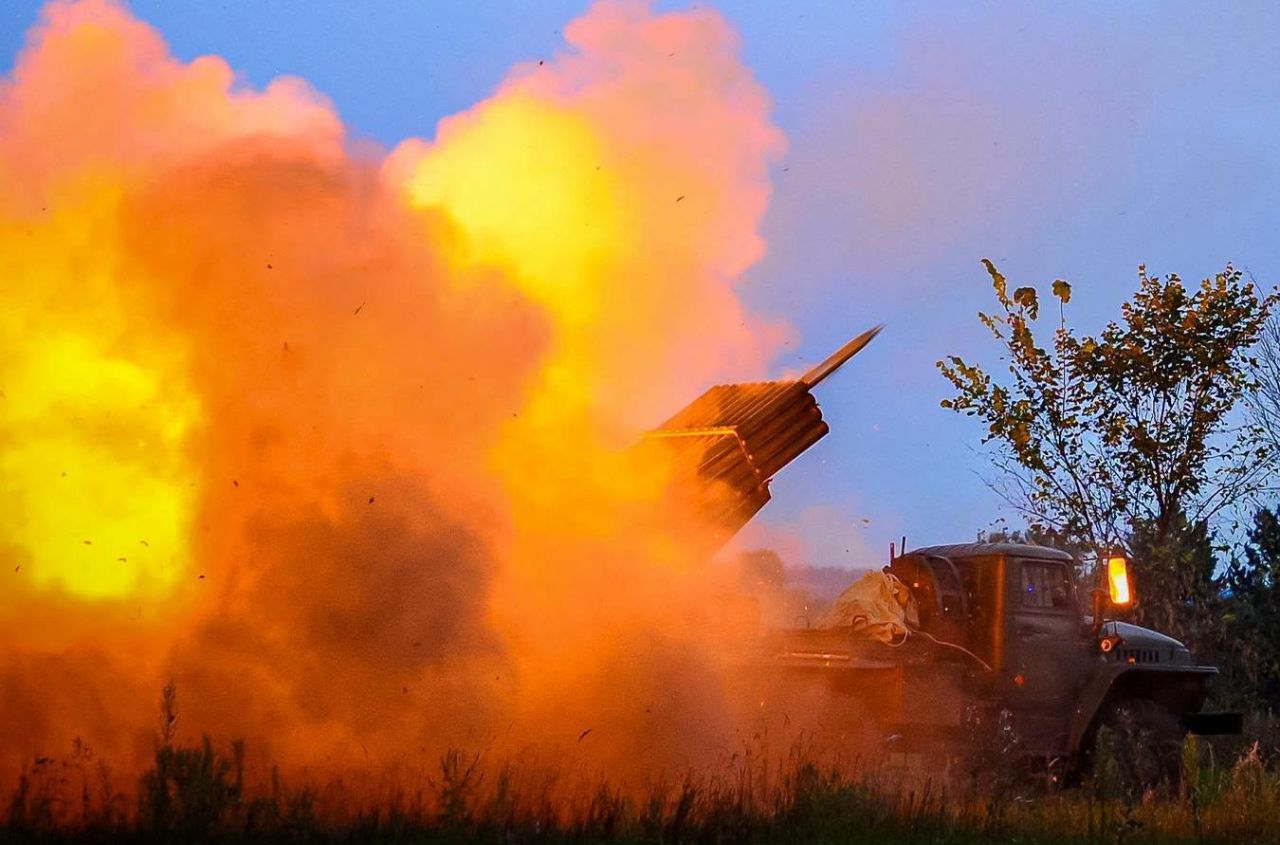
MEPs also condemned systematic incursions by Russian drones and cross-border provocations against countries on the EU’s eastern flank, describing them as a deliberate campaign to intimidate civilians.
The European Commission was urged to provide dedicated funding in the EU’s 2028–2034 budget for protecting external borders, modernising surveillance systems and deploying drone detection and counter-drone capabilities around airports, energy facilities and transport hubs.
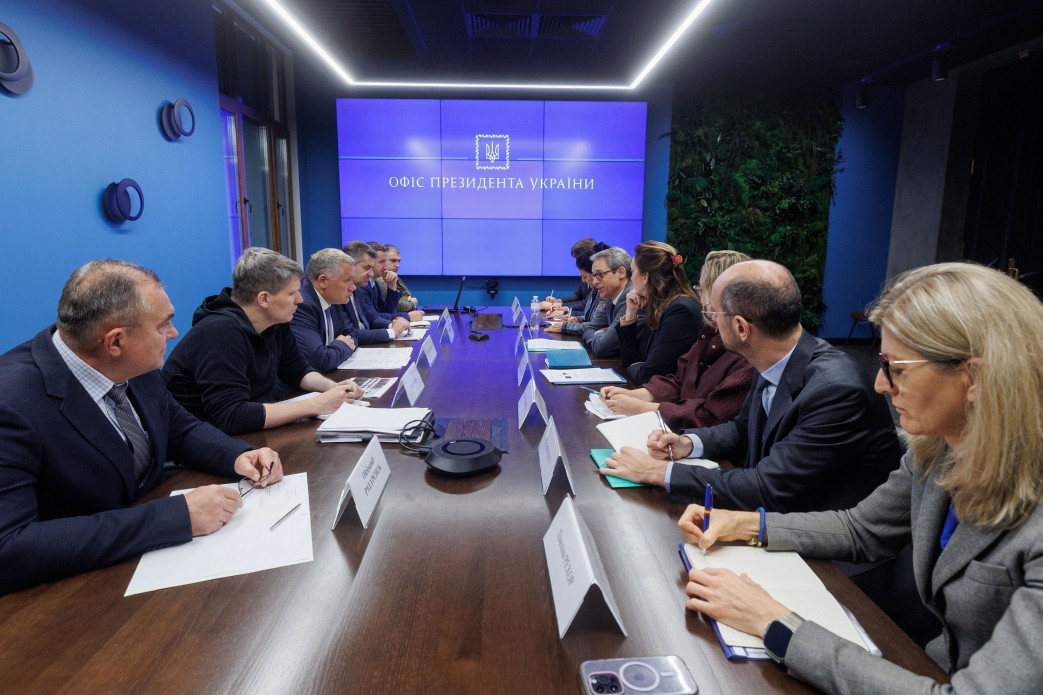
Member states were also urged to systematically draw on Ukraine’s experience in countering hybrid threats.
“Strengthening cooperation with Ukraine, Moldova, Armenia and partners in the Western Balkans is a strategic necessity, as they are subject to persistent Russian attacks. The European Parliament calls on Member States to draw on the lessons learned by these countries and establish structured mechanisms for the systematic exchange of best practices and operational experience, including Ukraine’s experience in maintaining essential services, ensuring continuity of government, protecting critical infrastructure, strategic communications, and maintaining the functioning and resilience of society under sustained attacks,” the resolution states.
The resolution was prepared on behalf of the European Parliament’s Committee on Security and Defence by Lithuanian MEP Rasa Juknevičienė.