


Ukraine should develop its European-gauge railway infrastructure as quickly as possible to establish a physical connection between the Ukrainian rail network and the European Union, said Magda Kopczyńska, Director-General for Mobility and Transport at the European Commission, during a panel discussion at the Ukraine Recovery Conference (URC 2026) in Gdańsk, Poland.
"It will take time, but I firmly believe that creating this physical connection and infrastructure will have significance far beyond symbolism," Kopczyńska said.
She noted that the construction of European-gauge railways in Ukraine has only just begun. The first 23-kilometer section from Chop to Uzhhorod has already been completed, while construction is currently underway on the first line to Lviv. The next target should be Odessa.
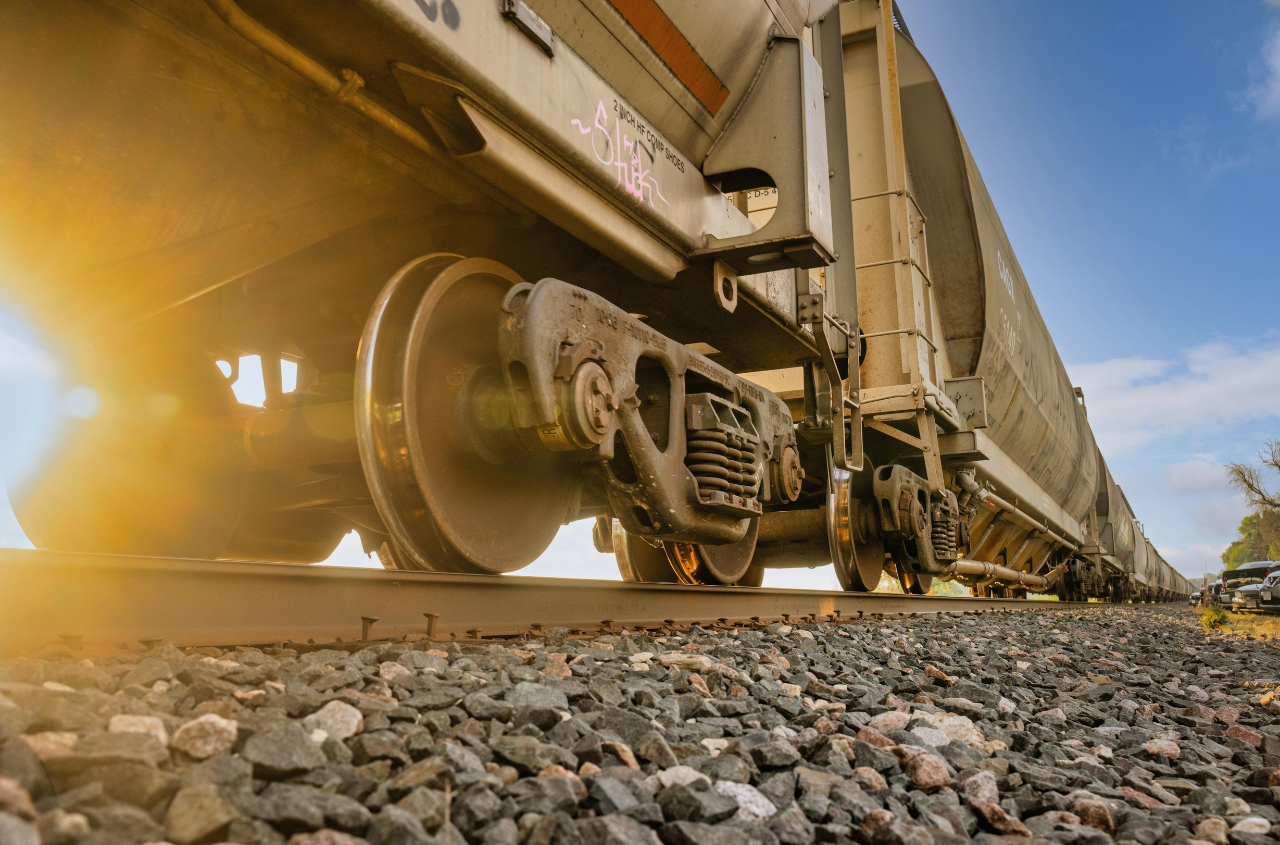
According to Kopczyńska, these projects are part of the expansion of the Trans-European Transport Network (TEN-T), which is ultimately intended to cover the whole of Ukraine. Once completed, trains will be able to travel on European-gauge tracks without changing bogies, with future routes eventually connecting the entire country as far as Mariupol.
She stressed that the development of European-gauge railways will also play a practical role in Ukraine's post-war reconstruction, as rail infrastructure will be essential for transporting goods throughout the country.
Deputy Minister for Communities and Territories Development Oleksii Balesta, who also participated in the discussion, emphasized that the development of European-gauge railways is not only a transport project but also a security project, given that Russia uses the broad-gauge railway system.
According to him, the war has demonstrated that infrastructure planning must take security and military mobility into account.
During the Ukraine–EU Business Summit in Brussels, Kopczyńska said that the European Union is interested in extending the European railway network to Lviv, Kyiv, and Odessa while ensuring transport safety. At the time, she noted that over the past decade there had been growing recognition of the need to extend transport corridors beyond the EU, which became the basis for expanding the Trans-European Transport Network (TEN-T) to Ukraine after 2022, including to Odessa.
During URC 2026, Deputy Prime Minister for Restoration and Minister for Communities and Territories Development Oleksii Kuleba announced that nearly $18 million in international support had been secured for projects at Ukrainian Railways (Ukrzaliznytsia). The funding will help strengthen the railway's resilience under wartime conditions and continue its integration into the European transport system.