


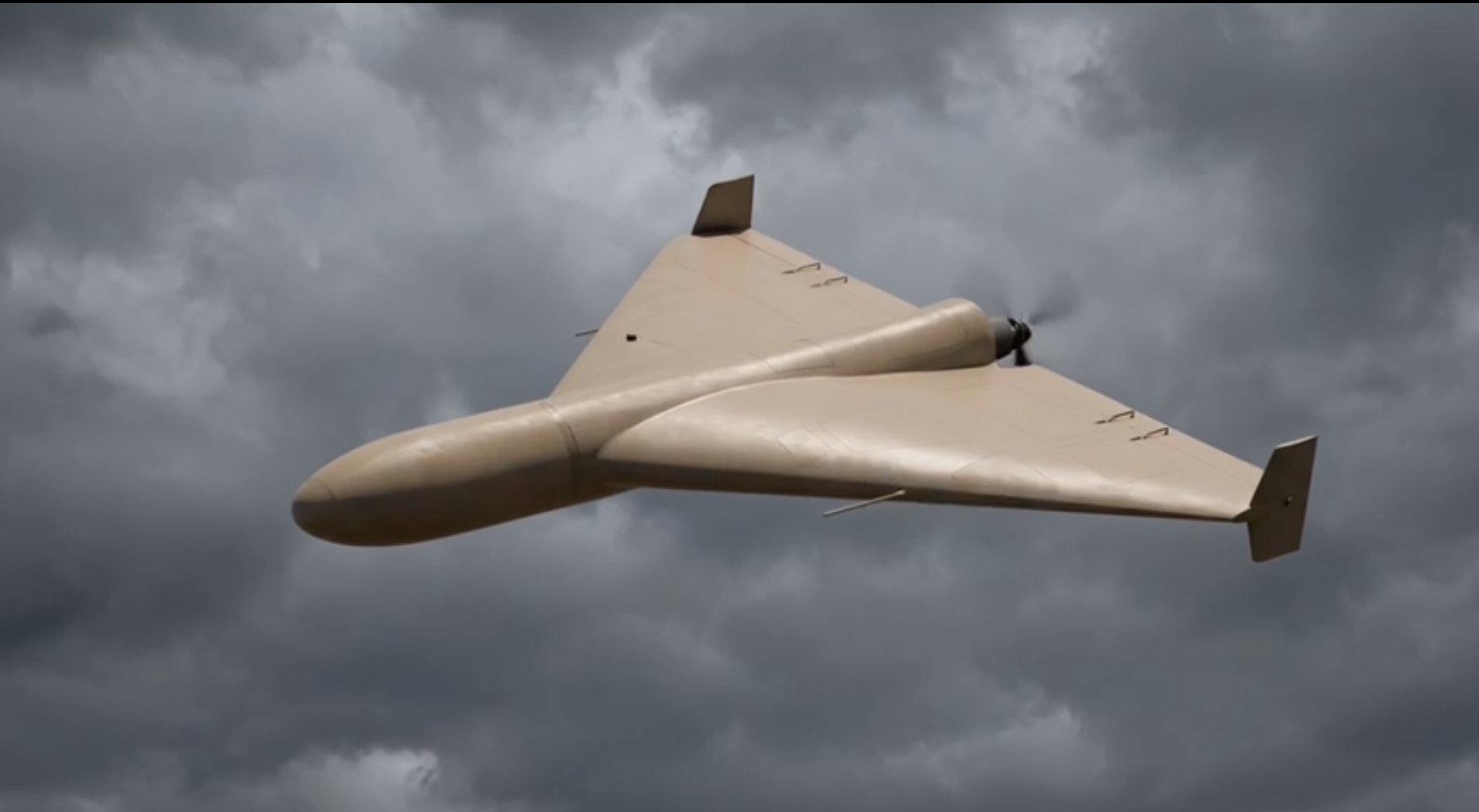

A drone entered Latvian airspace overnight on August 14. Latvia’s National Armed Forces (NBS) reported a threat in four areas bordering Russia and Belarus. NATO aircraft were scrambled to intercept the drone.
“Allied fighter jets have successfully shot down the unmanned aerial vehicle that entered the airspace,” the military reported about half an hour after issuing the alert.
The drone appeared over Latvia during a large-scale attack on Russia’s Leningrad region, where 54 Ukrainian drones were shot down overnight, according to regional governor Alexander Drozdenko.
This was not the first such incident in the Baltic states. NATO fighter jets previously shot down a drone over Latvia on June 8, while another drone was destroyed over Estonia on May 19.
According to Novaya Gazeta Europe, at least 24 drone incursions were recorded in the Baltic states between January 2025 and May 2026. Nine occurred last year and 15 since the beginning of this year. Latvia recorded the largest number, with at least 12 incidents.
NATO Secretary General Mark Rutte described the alliance’s response to such incidents as “calm, determined and proportionate.”
Against this backdrop, Lithuanian Defense Minister Robertas Kaunas called on the Baltic states to prepare for regular drone incursions.
“This is a new reality facing the Baltic states. We need to adapt because the likelihood of similar scenarios being repeated is very high,” he said in late May.
The minister also stressed the importance of strengthening air defense systems and announced new investments in radar and airspace protection.
Ukrainian Foreign Minister Andrii Sybiha has said that Ukrainian drones enter the airspace of Baltic countries as a result of Russian electronic warfare systems. He proposed that the Baltic states and Finland work jointly with Ukraine to prevent such incidents, including “with the direct involvement of our specialists.”
There has been no public response to the proposal from NATO countries bordering Russia.