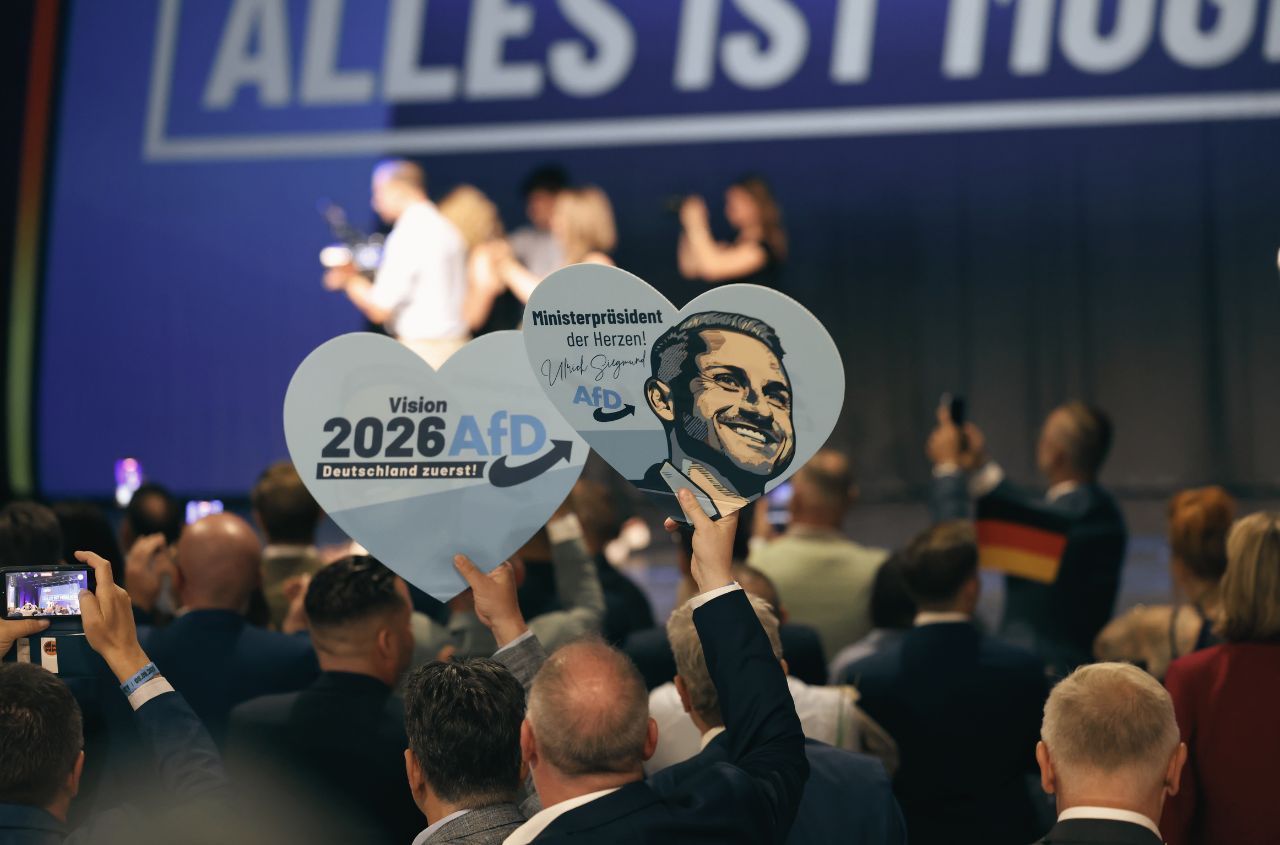


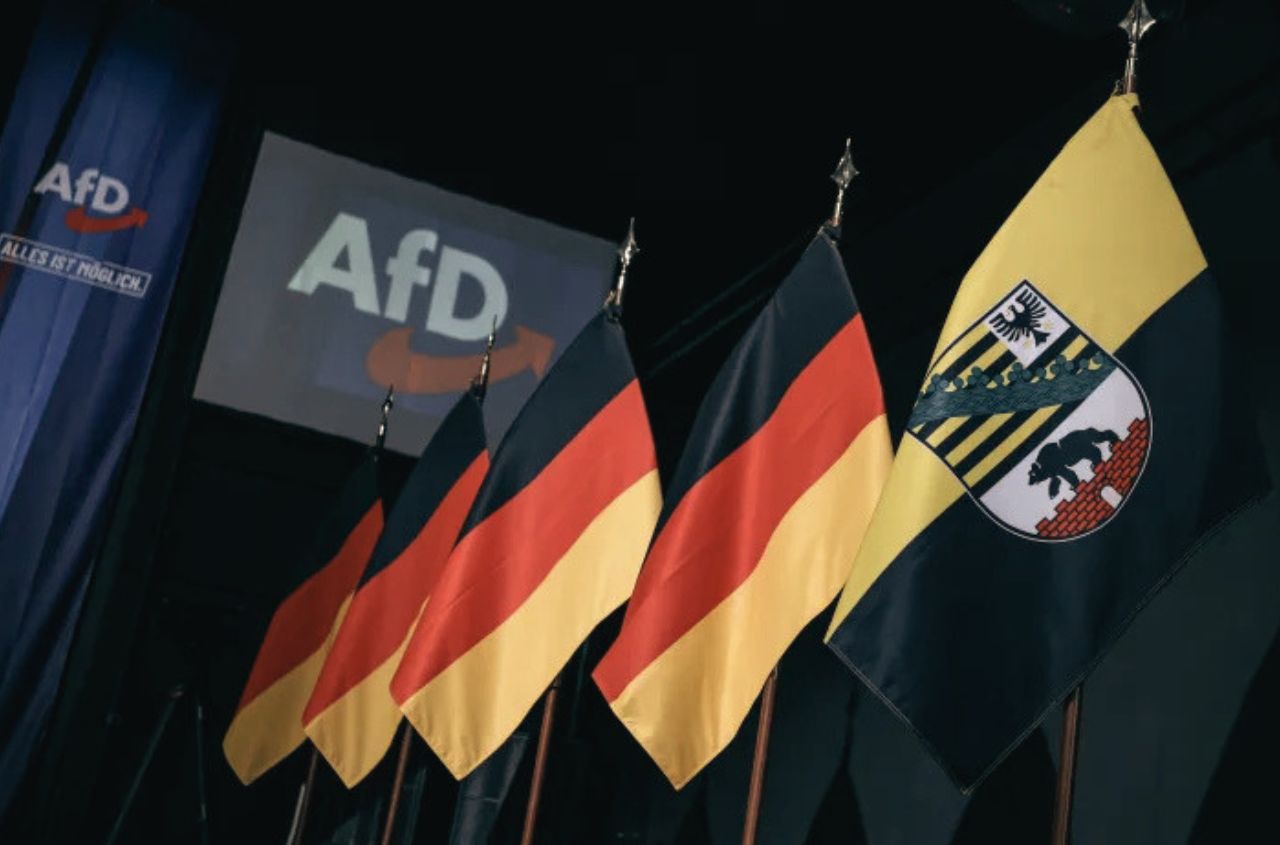

An AfD victory with a result like this is unquestionably a historic event, with far-reaching consequences. Comments to the effect that the state accounts for only 2.8% of Germany’s electorate and that, therefore, just over 1% of the country voted for the AfD amount to little more than self-reassurance.
It has to be acknowledged that the AfD ran a highly professional election campaign. In a state where the local branch is in practice one of the party’s most hardline and is under surveillance as “confirmed right-wing extremist,” its lead candidate managed to present himself to undecided voters as a “moderate, young and dynamic politician capable of bringing change.” The AfD clearly understands political campaigning.
Germany was once known for the thoughtfulness of its voting choices. Germans were even mocked for it: who else in the world, apart from you, actually reads party manifestos? Now, to put it mildly, not everyone does. A large number of street interviews show that some voters have their own “personal AfD” in mind: the views expressed by respondents often do not match the party’s actual programme. Migration, of course, is the exception. But that is something only tedious observers care about. The result is what is on the scoreboard.
The CDU’s failure is catastrophic. The saddest part for Sven Schulze is that he is popular in the state and has traditionally maintained very close contact with voters, visiting villages whose names none of us has ever heard of. It did not help. People were not voting against Schulze; they were voting against Merz. This, incidentally, is yet another sign of the erosion of Germany’s written and unwritten political rules: the once-clear distinction between federal and state elections, from the issues discussed to voter sympathies. That distinction no longer works.
Tactical voting played a role. The Greens made it into the Landtag, and the SPD performed better than expected.
To some extent, the results came as a surprise. There is an interesting comparison with the 2021 election in the same state, Saxony-Anhalt. Back then, the AfD performed noticeably worse than the polls had suggested, while the CDU did considerably better. This time the situation was exactly the opposite, though the gap was not quite as dramatic.
Of course, representatives of the established parties who assumed that power would remain theirs indefinitely and who lost the trust of voters also made a significant “contribution” to the AfD’s victory. Politicians must know not only how to celebrate the taste of victory, but also how to share the bitterness of defeat.
And one final point that many people will probably dislike. Democracy is a procedure. The AfD now genuinely has a mandate to try to form a government. That is democratic in relation to a party that has won 44% of all seats in the Landtag and received almost as many votes as all the other parties combined. But I am not sure Sigmund actually needs this. It may suit him far better to push the situation towards another election and then secure power with a stronger guarantee. In any case, he sees himself in federal politics, which Weidel has already offered him, much to Höcke’s considerable envy.
We have what we have. It is not my point of view; the important thing is to assess reality soberly and not build castles in the air. We are living through an age of change.