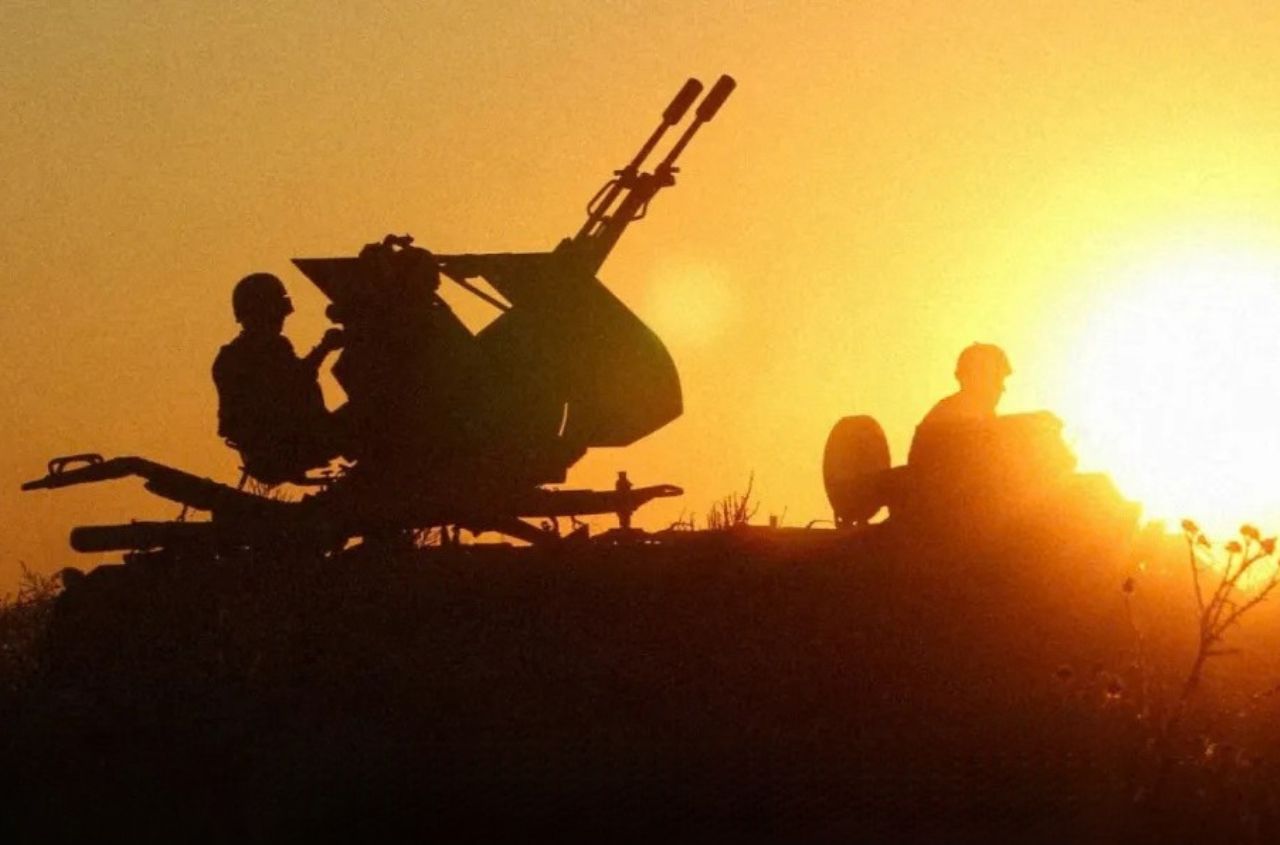




Since the Russians are failing in every other area, achieving none of their objectives and suffering enormous losses, they have decided to focus on the area where Ukraine is currently vulnerable because of a shortage of air and missile defence systems.
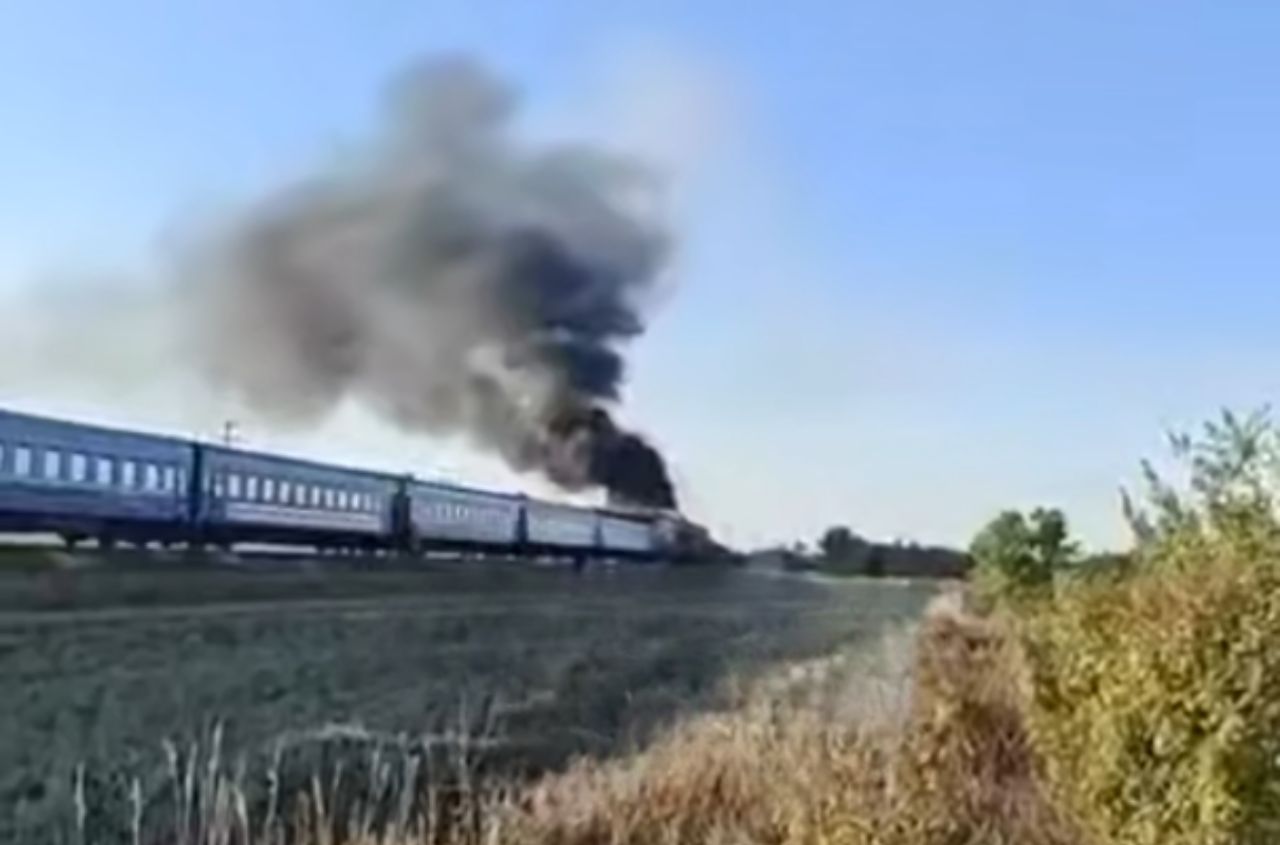
I think they believe that eventually they can exhaust Ukrainian morale and destroy Ukraine’s electricity generation system, which is essential not only for the country itself and for heating during the winter, but also for industry. And now, apparently, they have begun to attack the railway system and the distribution network more systematically.
But such attacks are not decisive. You cannot win a war simply by bombing the other side’s civilian population. We did this during the Second World War for years, bombing Germany and Japan extremely intensively, and it did not win the war. Other factors proved decisive.
The Germans did the same thing to Britain during the Second World War. It was not decisive. We bombed North Vietnam and North Korea extremely intensively. That did not win those wars either.
So although it is terrible to spend so much time in underground shelters and to know that your apartment could be hit at any moment, this will not win the war. I think the Russians hope it will make people give up or create so much pressure on European governments that they stop supporting Ukraine. I think that is why they are doing it.
The ideal solution would be for the United States and other countries to provide more Patriot interceptors, THAAD systems and other missile defence capabilities. To my regret and embarrassment, I do not think the Trump administration is going to do that. But other countries are providing some systems and equipment, so Ukraine is receiving a certain amount of assistance from abroad.
And, of course, I assume that the Ukrainian defence industry is working on its own missile defence system. In other words, some of the technology exists, but there is not enough of it to provide effective protection against such large numbers of missiles and drones.
We have an expression: it is better to kill the archer than to try to intercept all his arrows. If you can eliminate the archer, you do not need as many Patriots. Obviously, this is hardly a revelation to the Ukrainian General Staff.
I assume they are looking for ways to destroy the facilities where Russia produces drones and ballistic missiles. I am sure Ukraine knows where many of them are located. And if it has the capability, it will strike them. That has to be part of the solution.
In addition, the Air Force has capabilities that could help stop these attacks. Of course, that involves considerable risk. And finally, Ukraine needs to reduce its own vulnerability. People can see which facilities are being struck and what exactly the Russians are choosing to target.
Russia is at war with the West. There is no doubt about that.
But these are grey-zone operations. Some also call them coercive attacks. They are intended to intimidate people in Poland, Germany, Romania and other Western European countries so that they put pressure on their governments to stop supporting Ukraine.
That is one objective. The second is to create distrust between countries and make people lose confidence in their governments’ ability to protect them. That is part of Russia’s objective. And I also think the Russians will continue to push, push and push, filling whatever space we leave open to them when we fail to respond.
They do not care about international law at all. If some political leader shakes a fist at them and says, “This is terrible, you must stop,” it will have absolutely no effect on the Russians. They will not stop until they face consequences.
And yet, even in Germany and Poland, people are still asking: “What should we do? Who can shoot down a drone? Should we shoot down a drone?” These debates are still continuing instead of simply saying: “We will not tolerate any violation of our airspace.”
There are several things that can be done.
First, governments need to talk to their populations about what Russia is doing. They need to say: “Russia is at war with us.” It may not be the same kind of war that Ukraine is facing, but it is nevertheless a war, whether we want to call it that or not. And if we want to prevent it from turning into what Ukraine is now having to deal with, we had better act now.
Second, no visas. There should be zero visas for Russians — no Russian citizen should receive a visa to enter European countries. Incredibly, thousands of Russians can still move more or less freely within European countries. Once they are inside the Schengen Area, they can travel virtually anywhere. This needs to stop immediately.
Any Russian consulate that is still operating in any country should be closed. Their ability to influence events and move around European countries needs to be reduced.
Next, pressure needs to be put on Belgium to unblock €140 billion in frozen Russian assets. I do not know what Russia has on Belgium or why it refuses to do this. This is where the EU needs to support Ukraine and say: “We will protect you.” The money should then be released to support Ukraine.
And finally, there is Russia’s shadow fleet. Every time there is an incident involving a Russian coercive attack, such as the drone attack in Leipzig, the next shadow-fleet vessel that appears should be detained.
Every day, vessels belonging to Russia’s shadow fleet transport Russian oil and gas. They sail through the Baltic Sea past eight different EU and NATO countries. The same thing is happening in the Black Sea.
They need to be stopped. That is how we can make Russia face consequences.
The deterrence strategy is failing precisely in the area we have just been discussing. More than once a week, something happens on railway lines, at airports or at energy facilities. There are acts of sabotage and attempted assassinations across Europe. This is happening constantly.
So it is perfectly clear that the Russians are not particularly concerned about what we might do in response. And, of course, it will not be a Russian soldier in uniform carrying a flag. They hire people who are referred to as “disposable agents” to carry out these acts of sabotage.
In other words, they are not being deterred. We are failing in this area. And they are absolutely confident that we will do nothing inside Ukraine.
We therefore need to deny them the freedom of action they currently enjoy in what they are doing in Ukraine, as well as in the Black Sea and the Baltic Sea.