

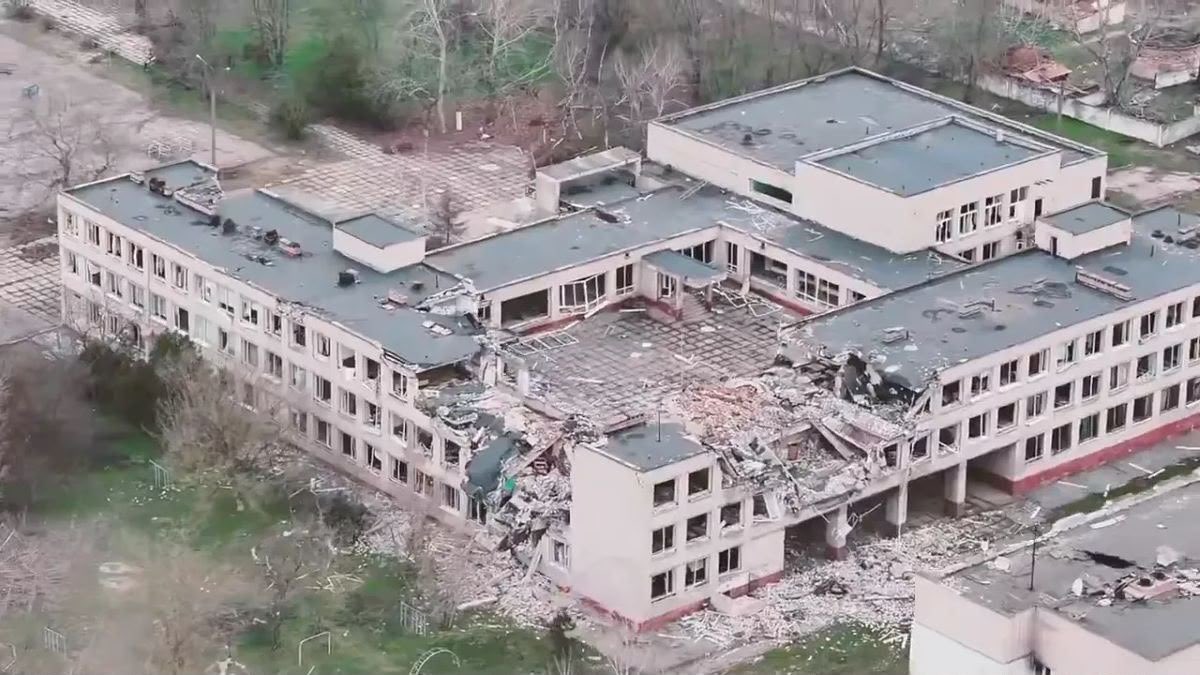

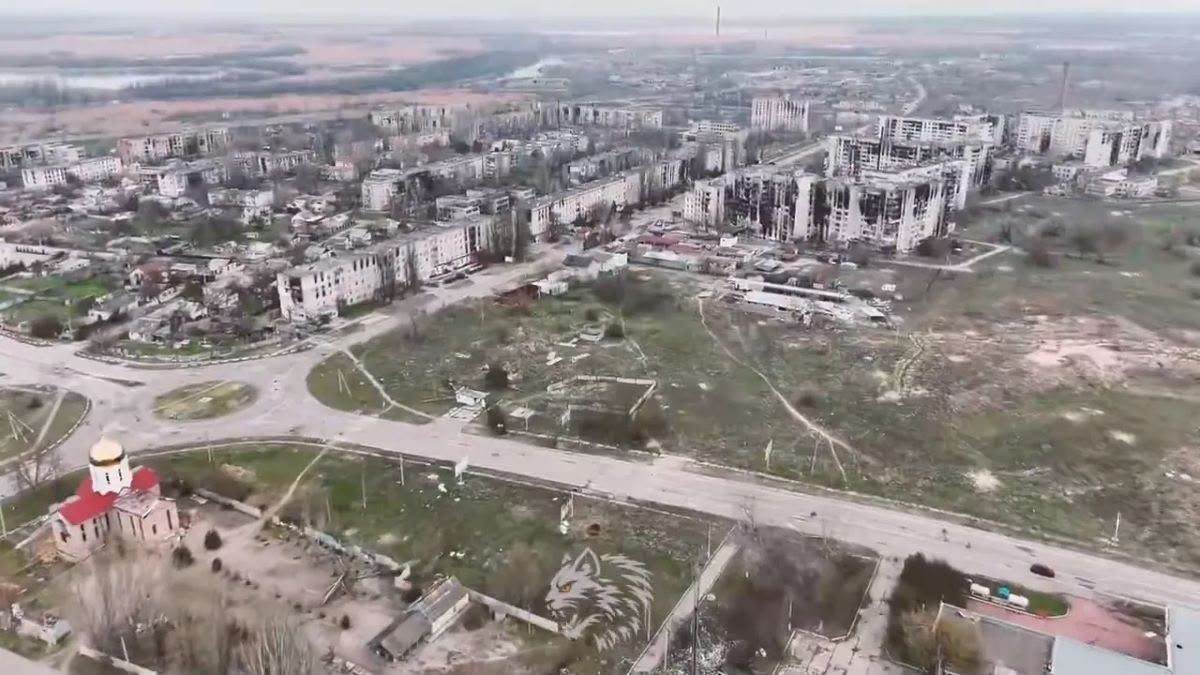
Around 2,000 civilians remain in Russian-occupied Oleshky in Kherson region, where Ukrainian officials say residents are increasingly running out of food and have been unable to receive regular humanitarian assistance or evacuate the city.
Before the full-scale war, Oleshky had a population of around 24,000. According to Foreign Minister Andrii Sybiha, about 50 children are among those who remain. The city has no electricity or gas, while supplies of food, medicine and other basic necessities have been blocked for the past month.
Oleksandr Tolokonnikov, deputy head of the Kherson Regional Military Administration, said Oleshky has effectively been isolated for more than nine months despite repeated attempts to secure humanitarian access through the International Committee of the Red Cross and other organisations.
Residents are currently surviving partly on vegetables they were able to grow themselves, he said. Potatoes, beetroot and carrots are exchanged for flour or pasta, while some residents have resorted to grinding pasta into flour.
“Some people grind pasta into flour to bake flatbreads. They cook not with gas or electricity, but with firewood that they collect and burn in small stoves,” Tolokonnikov said.
He warned that conditions could deteriorate sharply once residents exhaust the vegetables and other food they managed to grow.
Tolokonnikov also accused Russian forces of having an interest in keeping civilians in Oleshky and of using their presence as protection for military positions. He questioned Russian claims that humanitarian supplies were reaching the population, saying residents had not seen the assistance portrayed in videos released by the Russian side.
Sybiha separately accused Russia of deliberately preventing humanitarian organisations from reaching the occupied part of Kherson region and blocking the evacuation of civilians.
“The only obstacle is Russia,” Sybiha said. “It is deliberately preventing these efforts from reaching people who desperately need them, turning humanitarian access itself into an instrument of pressure.”
According to the foreign minister, the International Committee of the Red Cross has confirmed its readiness to participate in an evacuation, while other international humanitarian organisations are prepared to provide essential assistance.
Sybiha said reports from inside Oleshky indicate that some residents are searching for food remnants and gathering edible plants to survive. He also said Russian FPV drones pose an additional danger to civilians moving through the city.
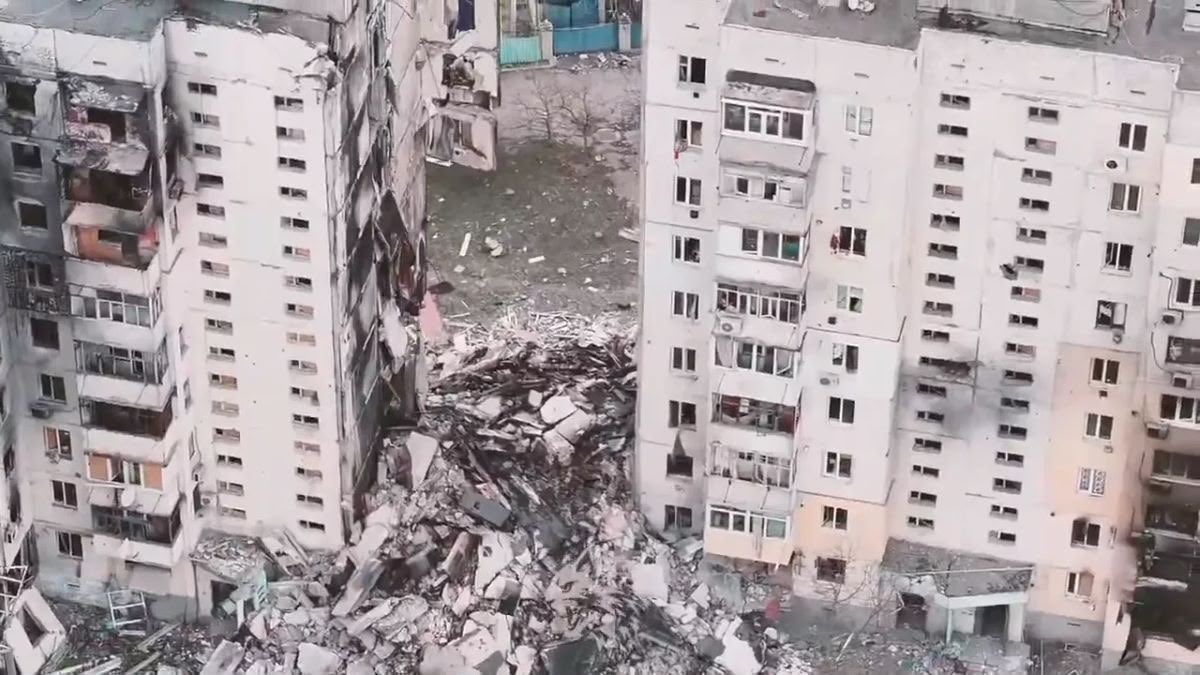
“Russia is deliberately creating a humanitarian catastrophe in the occupied part of Kherson region,” Sybiha said, accusing Russian forces of restricting access to food, medicine and humanitarian assistance.
Ukraine is seeking the establishment of a humanitarian corridor that would allow aid into Oleshky and civilians to leave safely. Sybiha said Kyiv would raise the issue during the UN General Assembly high-level week in New York and planned to discuss possible evacuation efforts with ICRC President Mirjana Spoljaric Egger.
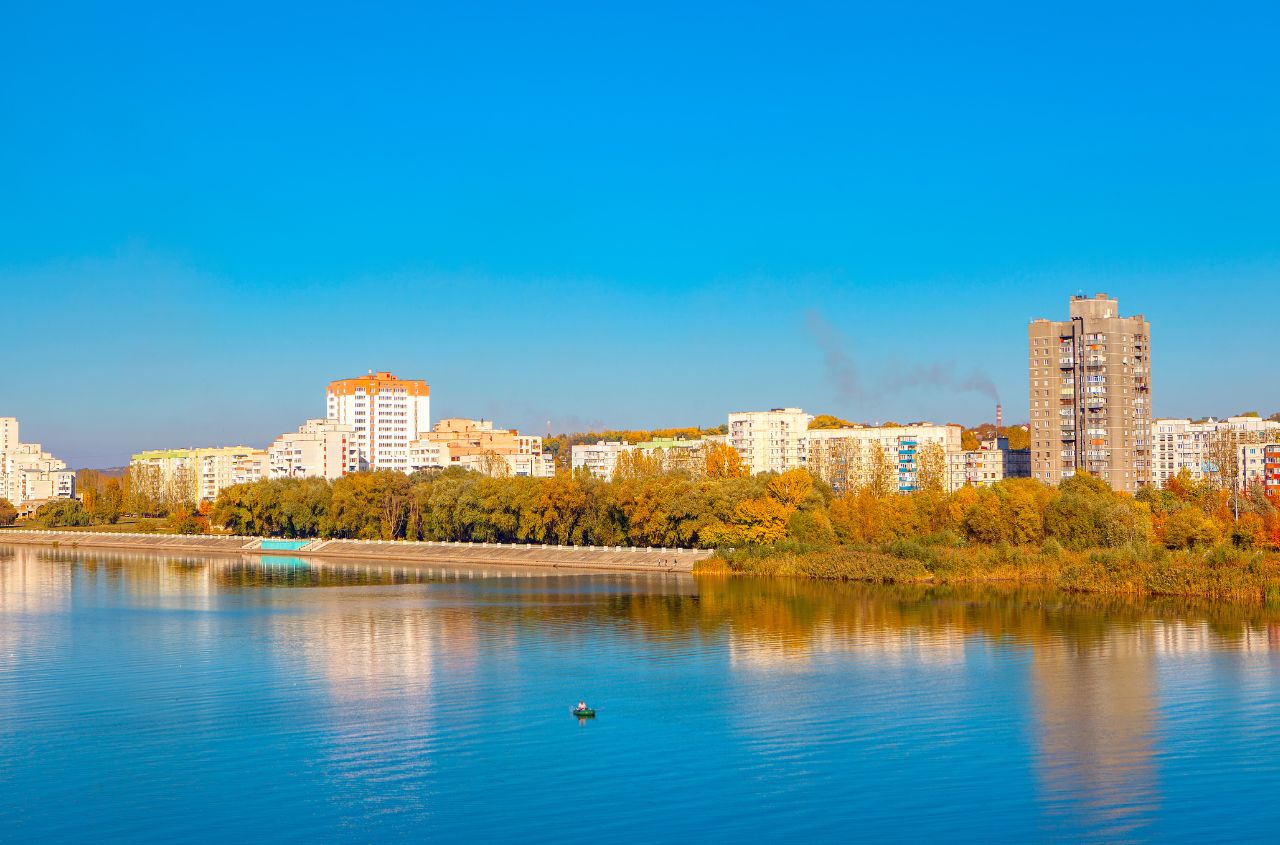
Oleshky lies on the Russian-occupied left bank of the Dnipro River, across from Ukrainian-controlled territory in Kherson region. Access to the area is severely restricted, making independent verification of conditions inside the city difficult.
Ukrainian officials are calling for greater international pressure to secure humanitarian access, warning that the remaining civilian population could face an increasingly serious shortage of food and basic supplies if the isolation continues.