

The future of Ukraine lies in the European Union, and its reconstruction is inseparably linked to the process of European integration.
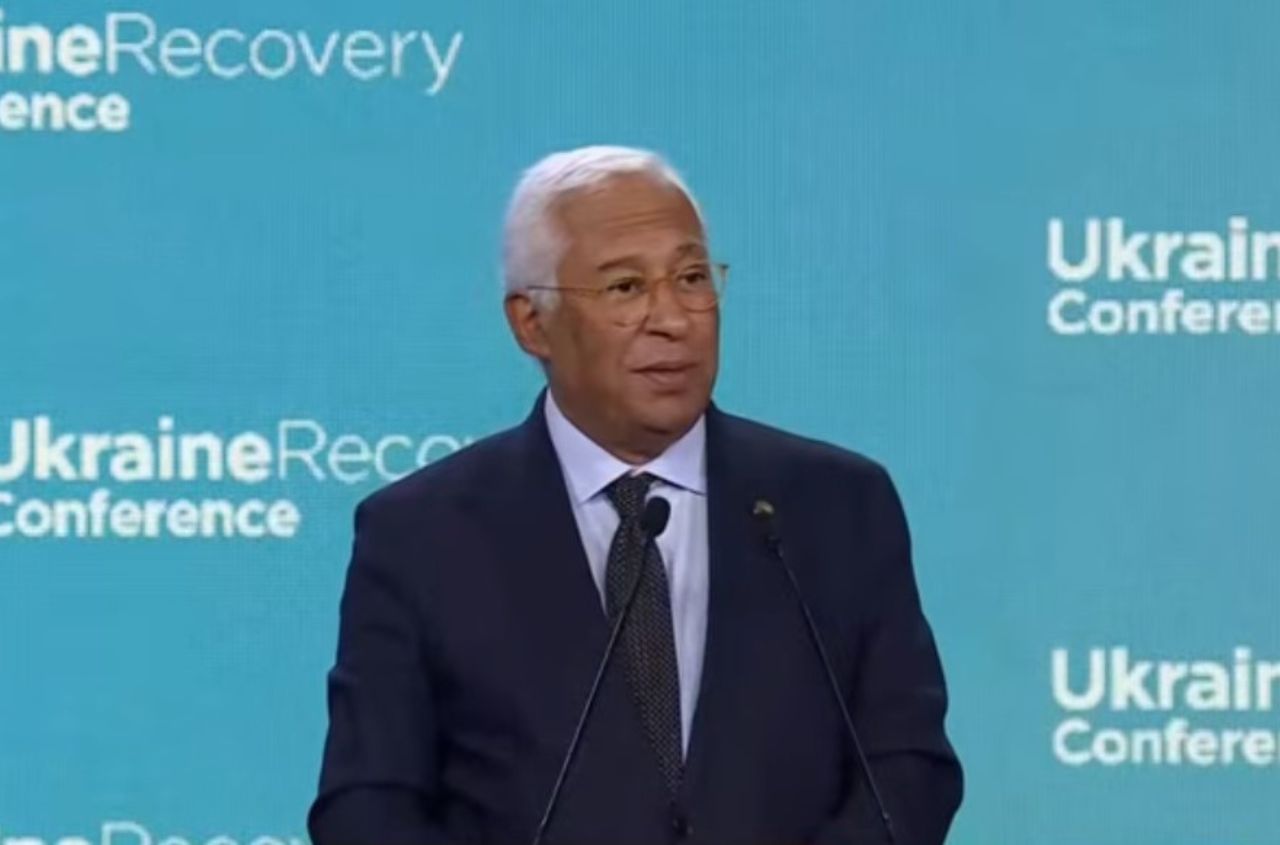
This was stated by President of the European Council António Costa at the opening of the Ukraine Recovery Conference in Gdańsk.
According to Costa, EU support for Ukraine goes beyond responding to the war and is aimed at preparing the country’s future.
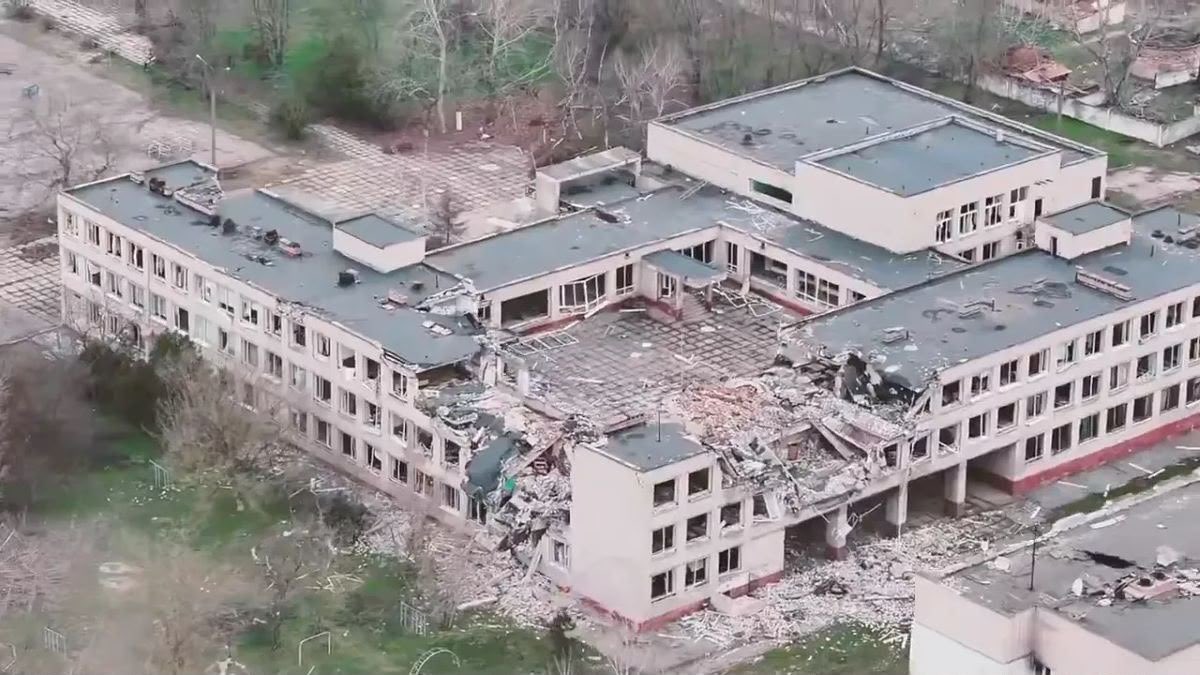
“We are already preparing Ukraine’s future. Reconstruction is not only about rebuilding what has been destroyed, it is about building a better Ukraine. We are laying the foundations of a modern, green, and digital economy that will strengthen the entire European continent,” he said.
Costa stressed that Ukraine’s recovery process goes hand in hand with its path toward EU membership.
“For millions of Ukrainians, the future is defined by our shared destiny. This means aligning legal, economic, and institutional frameworks with European standards. I reaffirm the commitment made by EU leaders four and a half years ago: Ukraine’s future is in the European Union,” the President of the European Council said.
He noted that accession negotiations with Ukraine officially began last week, and the EU aims to open the remaining negotiation clusters as soon as possible.
Despite the war, Ukraine has already demonstrated significant progress in implementing reforms, Costa added.
“We will continue to work together to support this progress. We know what is at stake and what it means for the Ukrainian people,” he said.
Costa emphasized that reconstruction must primarily serve people — creating quality jobs, ensuring access to education, and supporting the integration of veterans, vulnerable groups, and those affected by the war.
He also noted that the EU recently approved an additional €90 billion loan package to support Ukraine, adding that the first tranche transferred on Thursday confirms the consistency and continuity of European support.
Costa stressed that Ukraine has shown readiness for a ceasefire and diplomatic efforts toward a just and lasting peace, while the EU continues to support peace initiatives and increase pressure on Russia through sanctions.
He said the EU is preparing its 21st sanctions package against Russia and has already taken a political decision to extend sectoral restrictions for one year instead of six months.
“The European Union is ready to contribute to this process. However, it is Ukraine that will define the conditions of a comprehensive, just, and lasting peace,” he said.
Such a peace, he added, must be based on international law and the UN Charter, guaranteeing Ukraine’s independence, sovereignty, territorial integrity, and long-term security.
Costa emphasized that Ukraine’s reconstruction is an important contribution to ensuring lasting peace in Europe.
“It shows that freedom and democracy can prevail over autocracy. Let us remain united in these efforts. Together we can help Ukraine become stronger, freer within our Union, and more prosperous than ever,” he said.
He also recalled that Gdańsk is the birthplace of Poland’s Solidarity movement and a symbol of the struggle for freedom.
Costa drew parallels between Poland’s experience of overcoming totalitarianism and Ukraine’s fight against Russian aggression, stressing that despite continuous Russian attacks on critical and civilian infrastructure, Ukraine has managed to withstand the pressure, while Russia has failed to achieve its goals or divide the European Union.