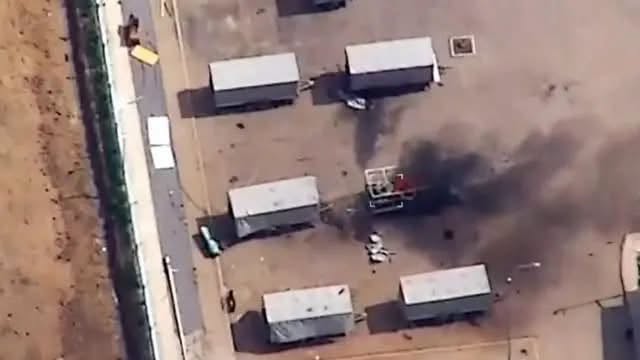



During October, Russian forces launched nearly 360 Banderol and Dan-T munitions against Ukraine, along with more than 4,700 conventional drones and over 4,000 jet-powered UAVs.
The Dan-T is a Russian jet-powered loitering munition developed from the Dan-M aerial target drone, combining features of a suicide drone and a cruise missile. Reportedly carrying a 130–150 kg warhead, it can reach speeds of 400–750 km/h, making it considerably more difficult to intercept than conventional propeller-driven drones. The munition can reportedly be launched from tactical aircraft or ground-based systems. Its adaptation from an existing drone design could significantly reduce production costs compared with conventional cruise missiles, potentially enabling large-scale manufacturing. Deployed alongside slower Shahed drones and ballistic missiles, the Dan-T adds another layer of complexity to Ukrainian air defence operations by combining different speeds, flight paths and interception requirements.
Ukrainian Air Force spokesperson Yurii Ihnat announced the figures during a television broadcast.
"We have updated figures for October. Nearly 360 Banderol and Dan-T munitions were used during the month. There were also 4,740 conventional drones, meaning Shaheds, Gerberas and Parodiyas, and more than 4,000 jet-powered UAVs. As for missiles, Russian forces launched around 150 ballistic missiles and 80 cruise and air-launched missiles," Ihnat said.
He clarified that Ukrainian air defences had intercepted a significant proportion of the drones and cruise missiles launched by Russia last month.
"As for ballistic missiles, the situation is not as good as we would like. We are, of course, short of interceptor missiles for Patriot systems, specifically PAC-3 missiles," Ihnat emphasised.
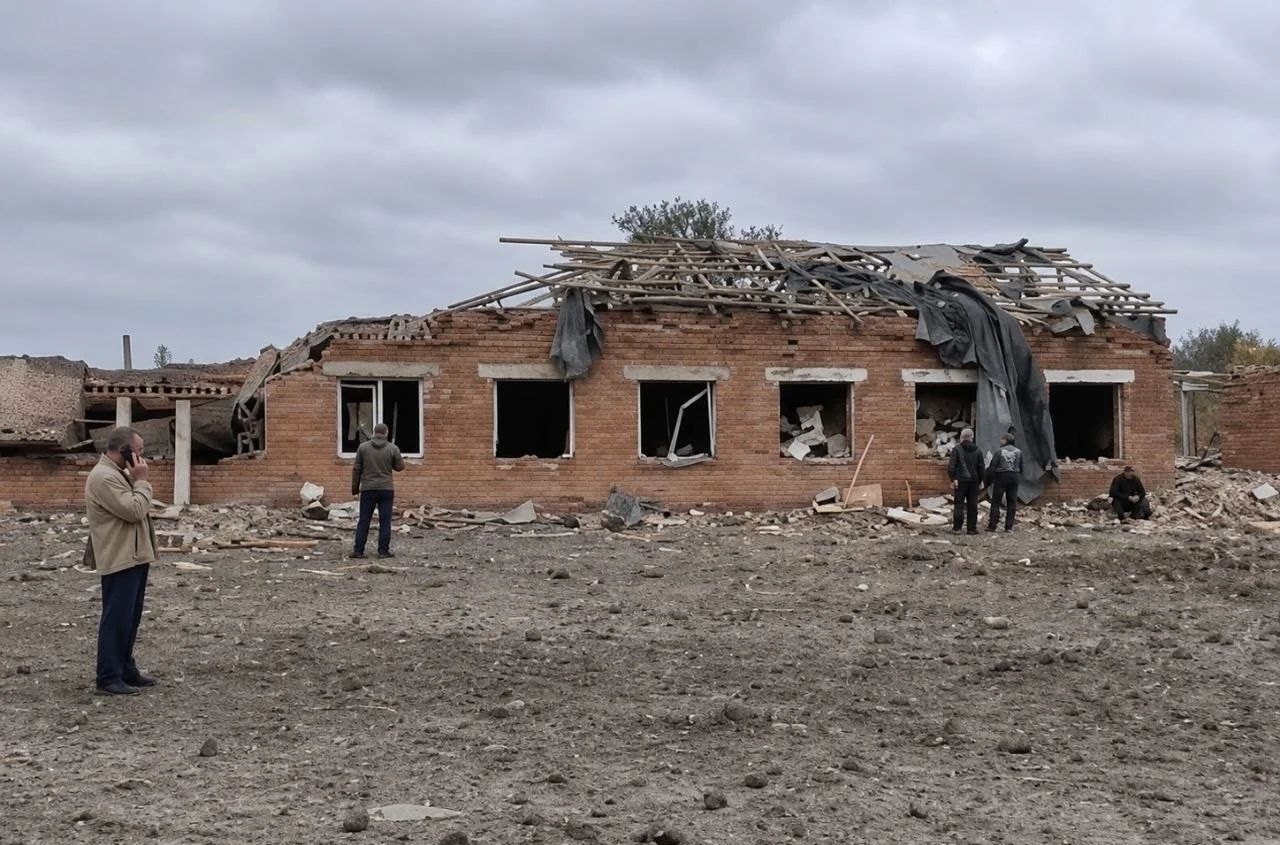
He noted that over the past two days, Russian forces had carried out massive aerial attacks involving more than 1,000 UAVs.
"Most of these were drones powered by internal combustion engines, meaning the older, conventional Shaheds. But there were also many jet-powered drones. Russian forces deployed large numbers of UAVs across central Ukraine, generally directing them towards the western regions," Ihnat said.
The spokesperson explained that Russia's use of large numbers of Shahed drones complicates interception efforts, as Ukrainian forces must disperse their air defence assets.
"Aircraft operations and the use of operational airfields or helicopter landing sites also require enormous effort, and this work continues around the clock. As you can see, drones have been attacking continuously, both day and night. Our aviation is also operating without a break, 24/7. Russian forces direct drones along different routes, putting the whole of Ukraine under air raid alerts. This means that air defence tactical groups and military command authorities must decide which assets to deploy in particular directions and where to establish additional air defence firing positions," he explained.
Ihnat stressed that this is an extremely complex process, particularly given the time of day, weather conditions and shortages of equipment.
"This work never stops. As you can see, there is very little opportunity to rest at the moment. We depend on deliveries of the equipment we urgently need today to protect the country, particularly against jet-powered UAVs," the spokesperson emphasised.
He also noted that weather conditions affect the effectiveness of different air defence systems.
"In foggy or cloudy conditions, mobile fire groups and systems that rely on laser or infrared guidance will find it quite difficult to operate," Ihnat said.